

History of Maruyasu Farm
Maruyasu Tea Farm is located in Koka City, Tsuchiyama district, in Shiga Prefecture. It is currently the largest farm for Matcher.store, as it encompasses the territory of three entire villages.
This area is one of the oldest in Japan for growing high-quality tea, dating back to the Nara period (8th century). The farm was founded over 130 years ago and has been passing down the secrets of tea cultivation from generation to generation.
Today, the farm is managed by Yasuharu Maeno, the fourth-generation farmer of the Maeno family. His mission is to preserve traditional Japanese tea production and improve cultivation methods that combine environmental sustainability and high quality.
Region and Unique Growing Conditions
The tea grown in Tsuchiyama is known as Tochiyamacha and is part of Ōmi-cha – tea produced in Shiga Prefecture. The region is located in mountainous terrain at an elevation of 300-400 m above sea level, which creates ideal conditions for tea cultivation. It is warm during the day and cool at night, contributing to the development of a complex flavor profile for the tea.
Furthermore, the region is rich in clean water resources. Rivers flowing through Koka carry minerals that influence the tea's taste characteristics, adding a special aroma and a mellow aftertaste.
Tea Cultivation Philosophy
Yasuharu Maeno adheres to the principles of sustainable agriculture, focusing on environmental friendliness and the preservation of natural resources. He uses organic cultivation methods, avoiding synthetic fertilizers and pesticides, to create pure and natural tea.
In addition, Maeno actively employs methods of shading tea bushes before harvesting, which increases the amino acid content in the leaves and enhances the richness of the umami flavor. His tea has a bright emerald color, a sweet aroma, and a mild, refined taste.
Cultivars and Production Features
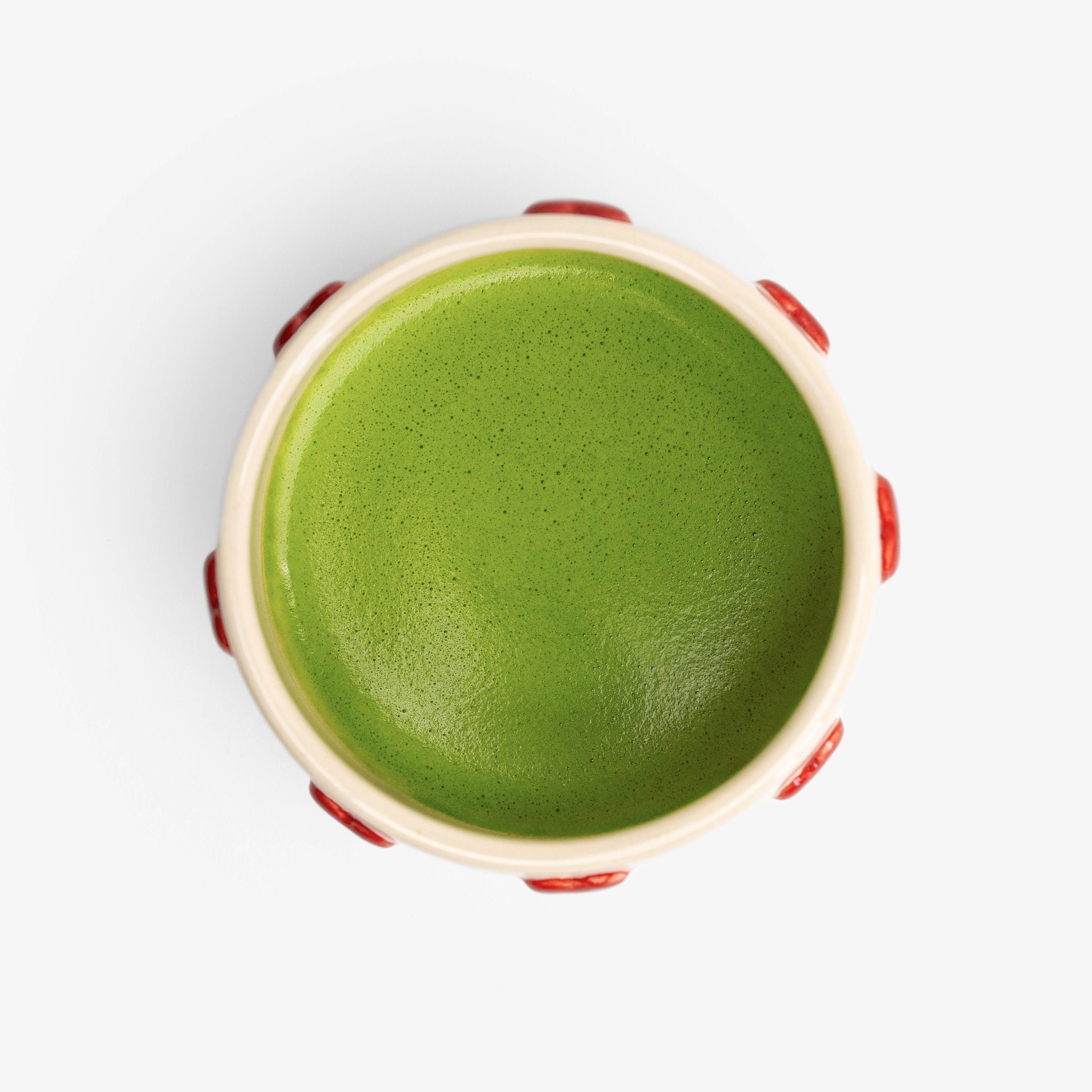
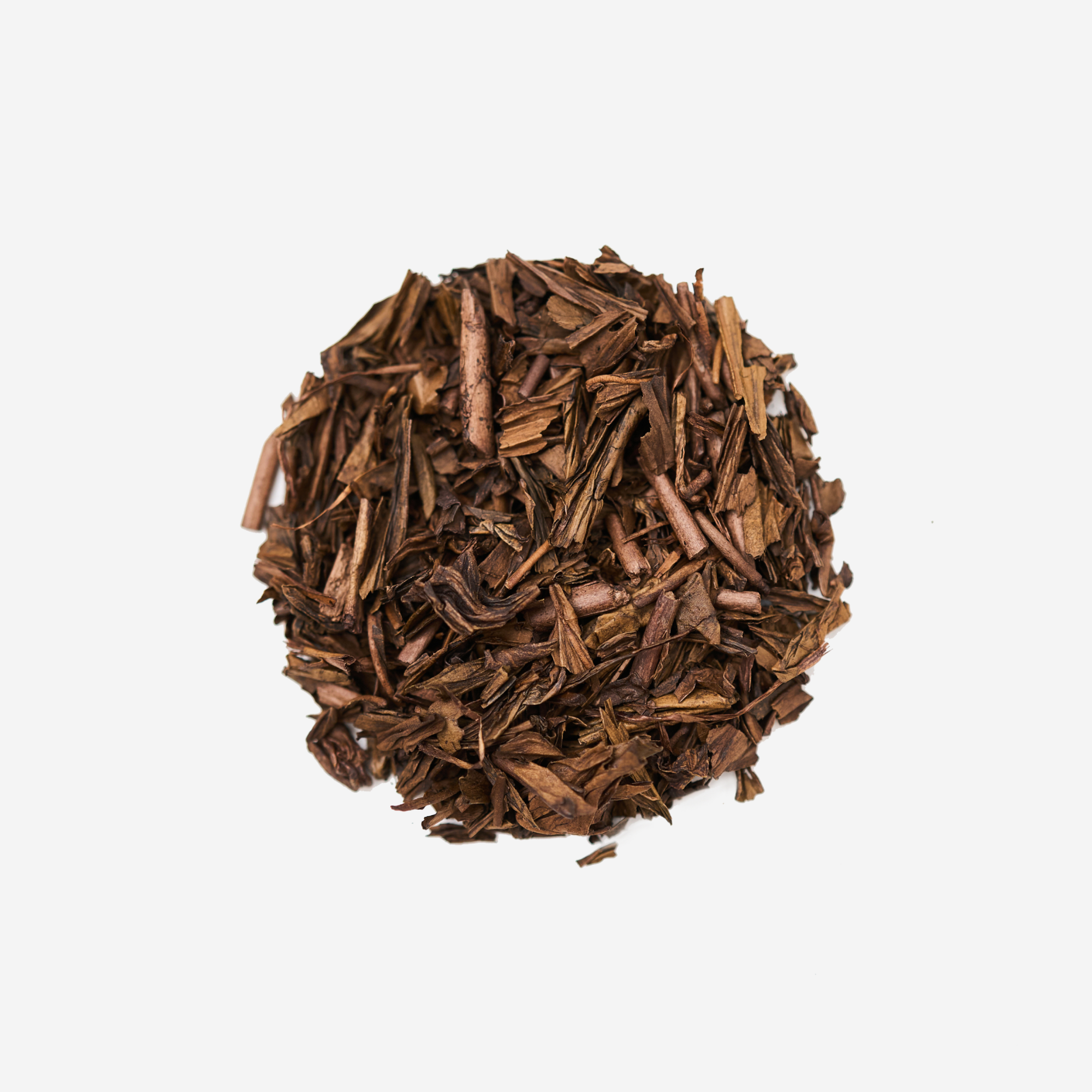
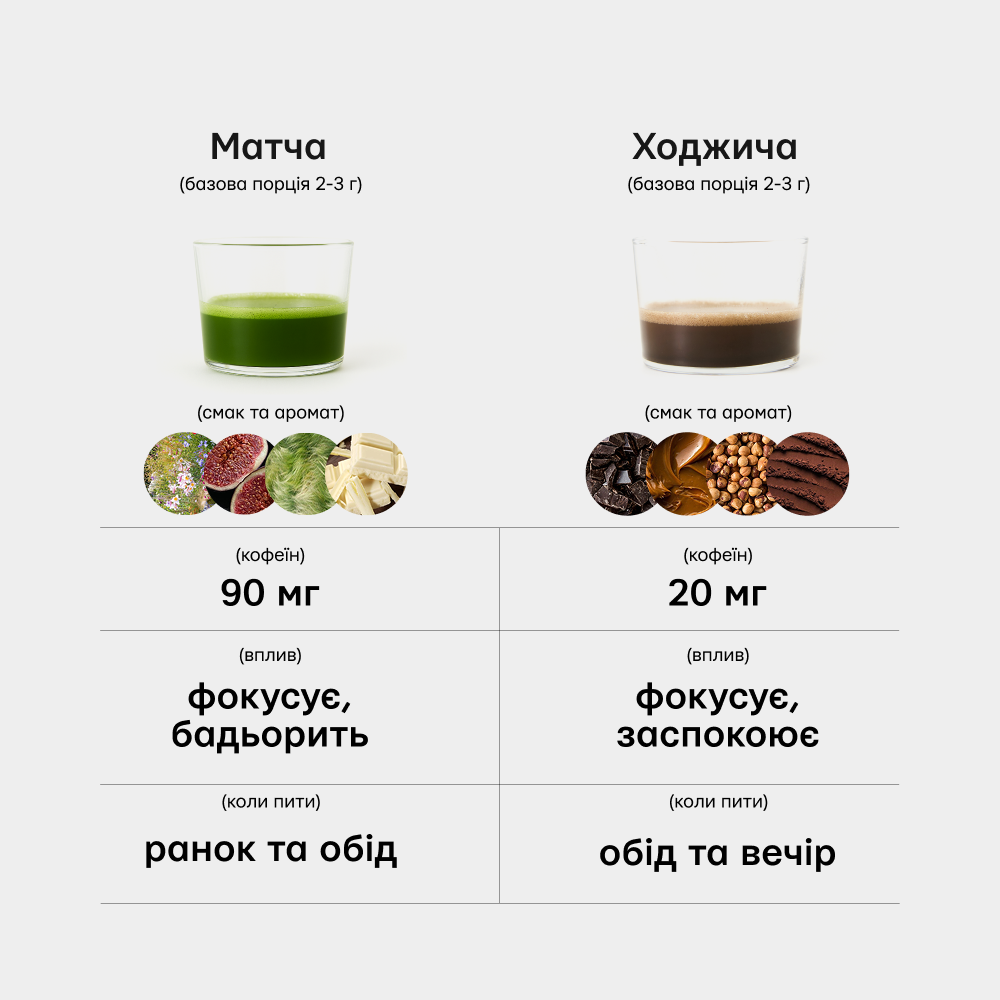
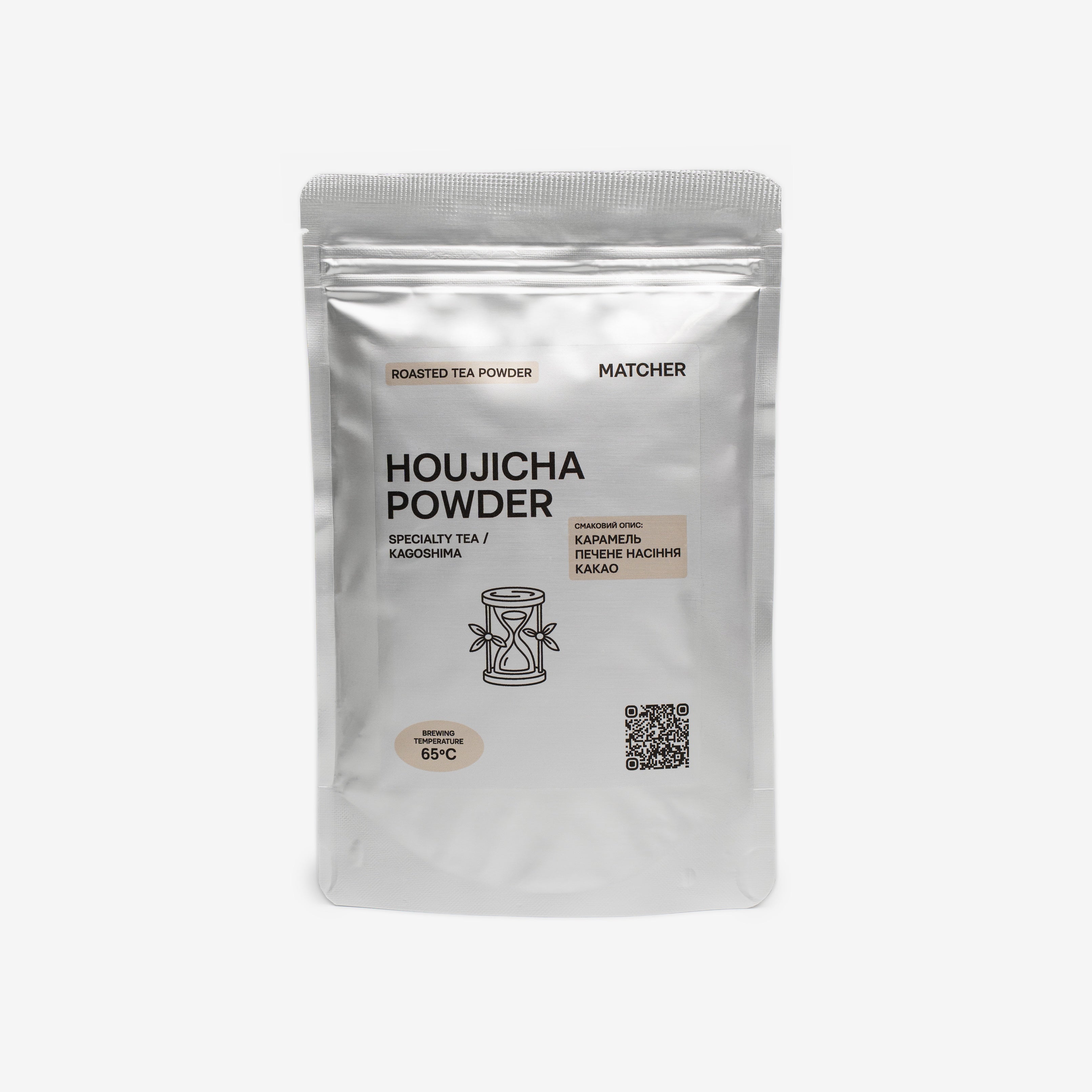
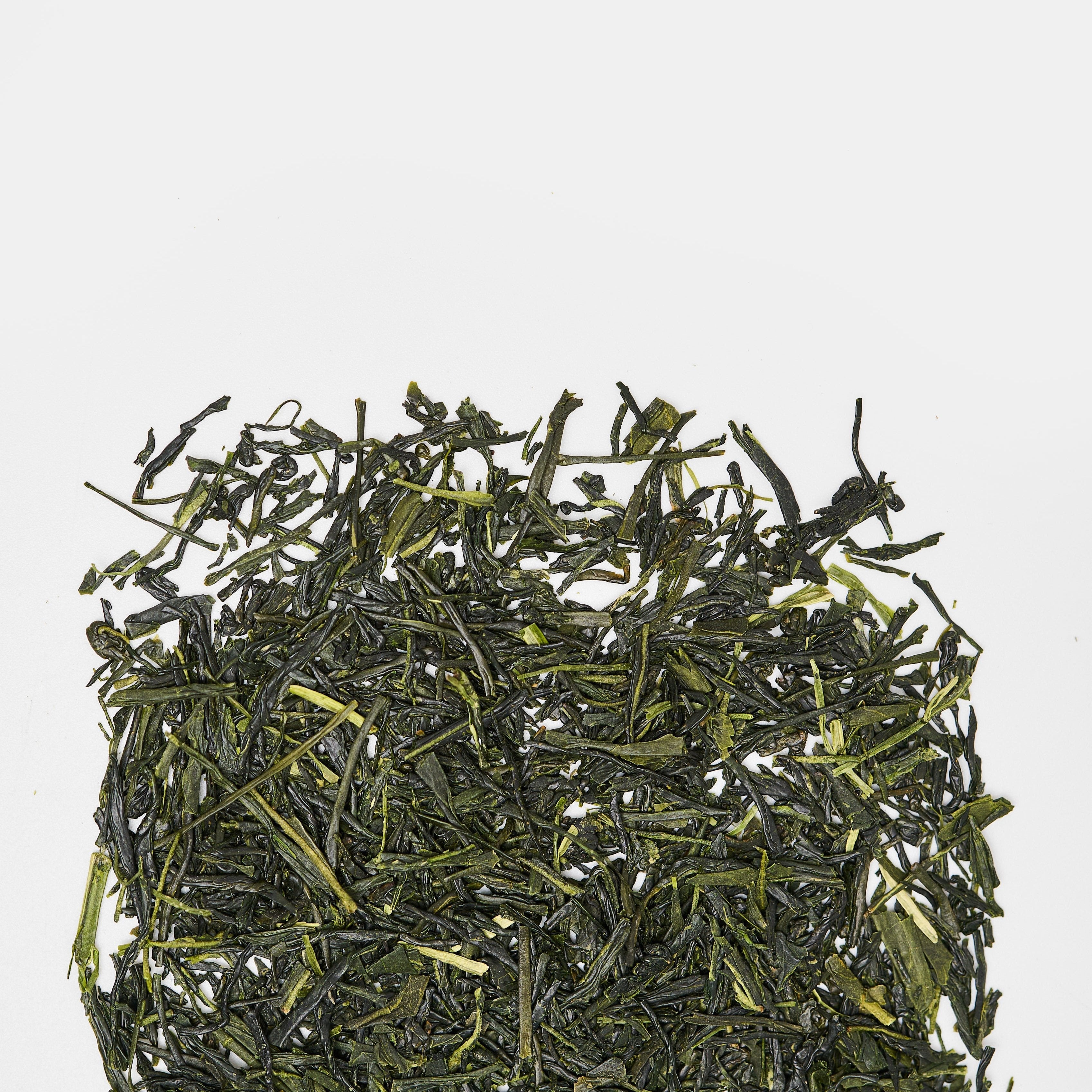
The farm grows various tea varieties, including popular cultivars such as Yabukita, Saemidori, Okumidori, and a line of elite cultivars – Goko, Asahi, Ujihikari, and Tsuyuhikari. Elite cultivars are used to make matcha for inter-farm competitions, known as "Competition Grade," and thus create Komyo matcha. They are used to create different types of tea, including sencha, gyokuro, matcha, and hojicha.
The tea production process at Maruyasu Farm includes traditional stone grinding of leaves to create high-quality matcha, preserving maximum aroma and freshness. Additionally, the farm is known for its unique processing methods, which allow it to create tea with a rich and clean flavor profile.
Yasuharu Maeno's Role in the Tea Industry
Through hard work and dedication to his craft, Yasuharu Maeno has become one of the leading tea producers in the region. His tea is highly valued in the Japanese market and beyond.
The farm regularly participates in tea exhibitions and competitions, receiving awards for the quality of its products. Maruyasu tea is used for both everyday consumption and ceremonial matcha, highlighting its status as a premium product.
Our Respect and Admiration
Maruyasu Tea Farm is a symbol of traditional Japanese tea, where knowledge and craftsmanship of cultivation have been passed down from generation to generation. Yasuharu Maeno continues to develop these traditions, combining them with modern methods to create tea of the highest quality. Thanks to such producers, Japanese tea continues to maintain its uniqueness and high reputation worldwide.