






Pregnancy is a special time in every woman's life and a period when you should pay special attention to your diet, because everything you eat has a direct impact on the child. In this article, together with a nutritionist, we decided to find out how coffee and matcha affect pregnant women and whether it is possible to use matcha during pregnancy?
Effect of coffee on pregnant women

Coffee as a drink has the following effects on the human body:
-
Increased blood pressure
Caffeine stimulates the release of adrenaline, which can lead to vasoconstriction and a temporary increase in blood pressure. Constant consumption of coffee in excessive quantities can contribute to the development of hypertension, especially in people prone to high blood pressure.
-
Violation of the acid-alkaline balance in the stomach
Coffee stimulates the production of stomach acid, which can cause or exacerbate symptoms of gastritis, reflux, or heartburn. People with high acidity or problems with the gastrointestinal tract often notice a worsening of the condition after drinking coffee.
-
Dehydration
Caffeine acts as a diuretic, increasing the amount of fluid the body removes. This can lead to dehydration, especially if a person does not compensate for fluid loss with water consumption.
-
Sleep disturbance
Caffeine blocks the action of adenosine, the neurotransmitter responsible for feeling tired. This can lead to sleep problems, even if coffee was consumed in the first half of the day, as its effect on the body lasts up to 6-8 hours.
-
Overstrain of the nervous system
Caffeine stimulates the central nervous system, increasing levels of anxiety and nervousness. In some people, this can cause tremors, increased heart rate, and a feeling of "overload," which can eventually deplete the adrenal glands and lead to rapid fatigue.
The following symptoms may occur during pregnancy when drinking coffee:
- Blood pressure problems: The caffeine in coffee can affect blood pressure, causing it to rise. This is especially dangerous for pregnant women who already have pressure problems.
- Violation of heart rhythm: Frequent use of coffee can lead to tachycardia or arrhythmia, which additionally burdens the cardiovascular system.
- Stress on the kidneys: Caffeine stimulates the kidneys, which can cause the development of urolithiasis or increase swelling.
- Digestive problems: Frequent complaints of heartburn, gastritis and stomach problems can be related to excessive coffee consumption.
- Migraines and intoxication: A large amount of coffee can cause a headache due to its toxic effect on the body.
- Hypertension of the uterus : In some cases, caffeine can cause hypertonicity of the uterus, which is dangerous for the course of pregnancy.
- Circulation disorders: This can lead to problems with blood circulation in the pelvis, which worsens the condition of the expectant mother.
With this in mind, during pregnancy it is better to minimize coffee consumption to 1 cup per week and replace it with matcha.
Can you use matcha during pregnancy?

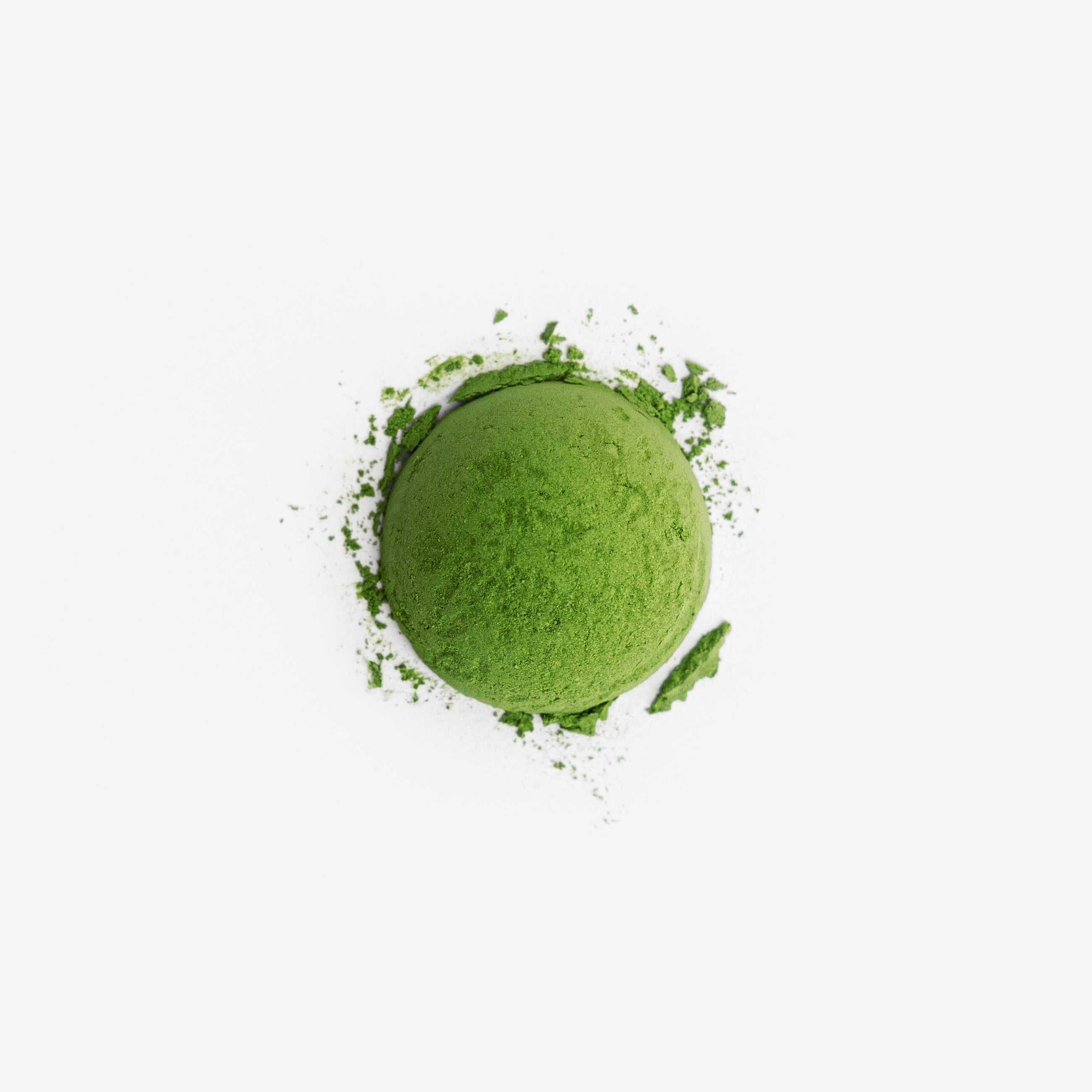
Matcha is ground leaves of young green tea leaves that are made in Japan. Matcha is rich in antioxidants and has a high caffeine content, but due to the L-theanine in the composition of young tea leaves, the effect of caffeine is neutralized. That is why matcha is often chosen by people who have unpleasant feelings of anxiety and rapid heartbeat after coffee.
Advantages of the match:
- Antioxidants: Matcha is rich in catechins, powerful antioxidants that help fight stress and prevent cell damage.
- Energy without overload: Although matcha also contains caffeine, its effects are milder and longer-lasting thanks to L-theanine. This reduces the risk of sudden energy spikes and subsequent fatigue.
- Improves concentration: The L-theanine found in matcha not only increases mental activity, but also helps maintain calmness and concentration, which is beneficial during pregnancy.
Important recommendations for pregnant women:
- No more than one serving per day: Although matcha has a less aggressive effect on the body compared to coffee, pregnant women are advised to limit its consumption to one serving per day.
- Do not drink after 17:00: as in the case of coffee, it is better to avoid matcha in the afternoon in order not to disturb sleep, although the effect of matcha on sleep disturbance has not been scientifically proven - such an effect is individual for each organism
- Do not drink with food: If you have problems absorbing iron, you should avoid drinking matcha immediately after a meal, as tea can interfere with this process. Take a break 30-60 minutes after eating to get the maximum benefit from the match
Alternative drinks that doctors advise to use during pregnancy:
- Chicory: It is a great alternative to coffee, it does not contain caffeine and it also improves digestion.
- Herbal teas: mint, chamomile or lemon balm tea helps calm and relieve stress. Our collection of Carpathian herbs Ukrainian herbs is a great option for daily use
- Water with lemon or mint: water with the addition of lemon, mint or cucumber provides the body with vitamins and promotes easy detox.
To summarize: during pregnancy, it is better to limit coffee and switch to matcha and herbal teas. You can find a large assortment of loose leaf teas with and without caffeine in our store . Activate promo code FIRSTTRY and get a 10% discount on your first order
