

063 Samidori elite matcha
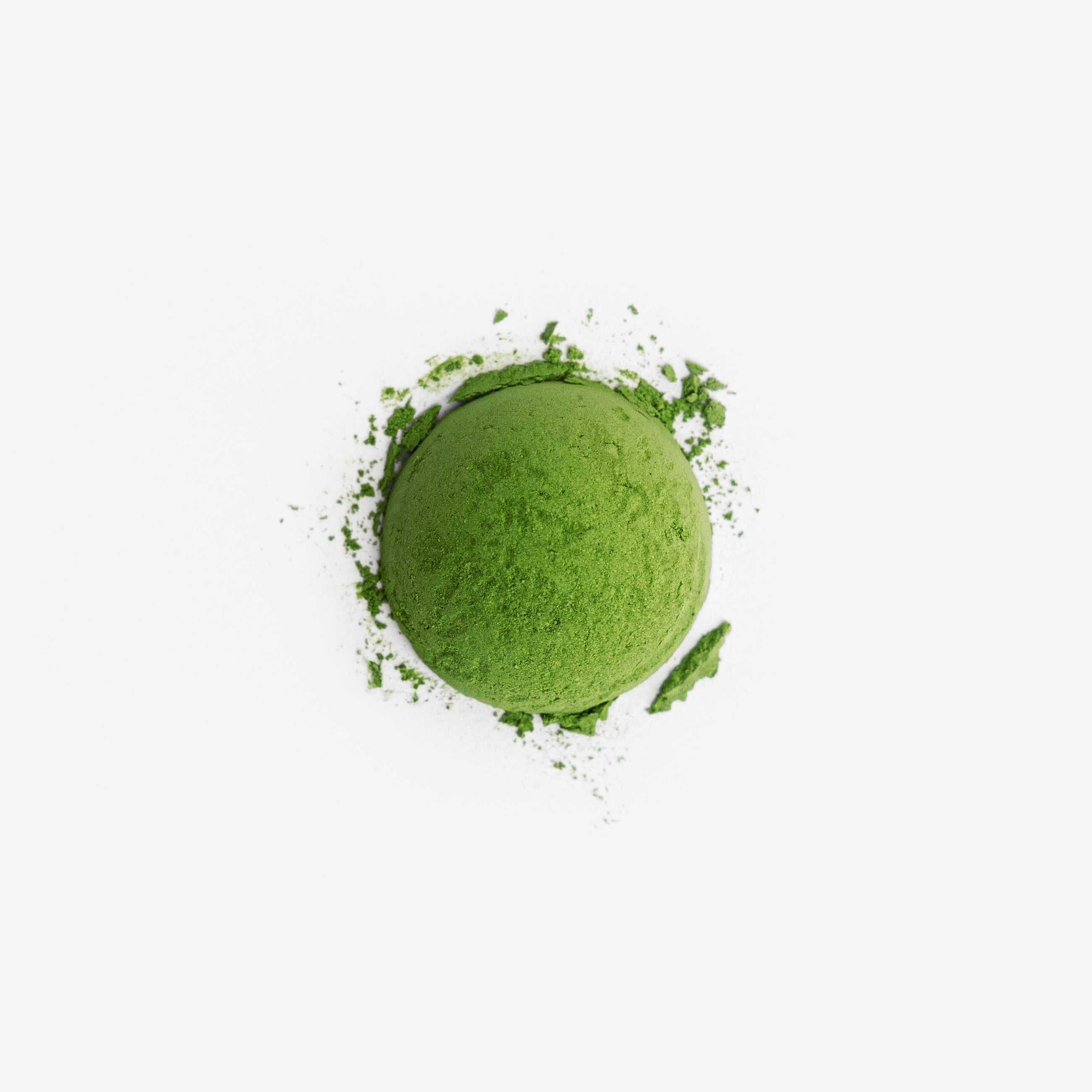
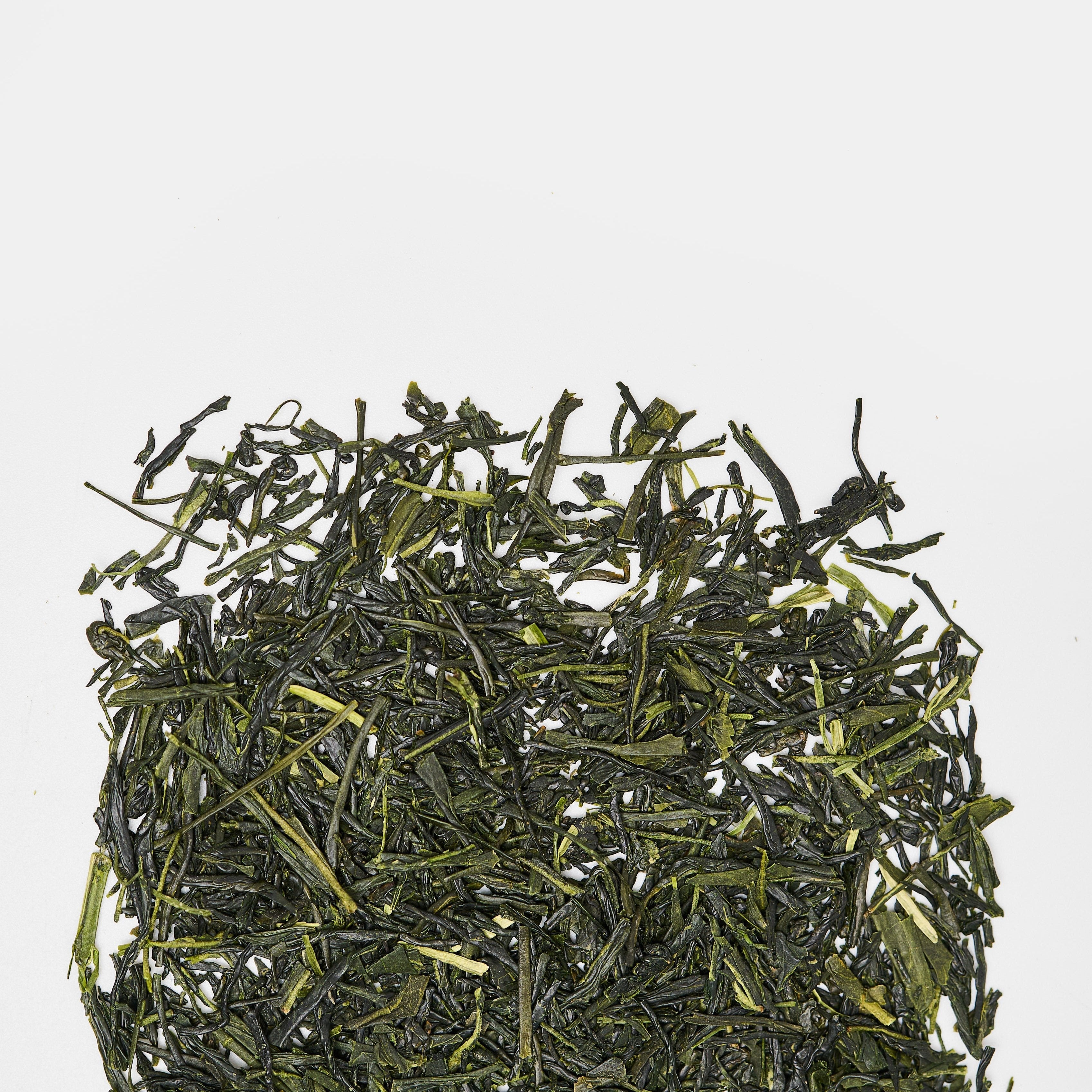
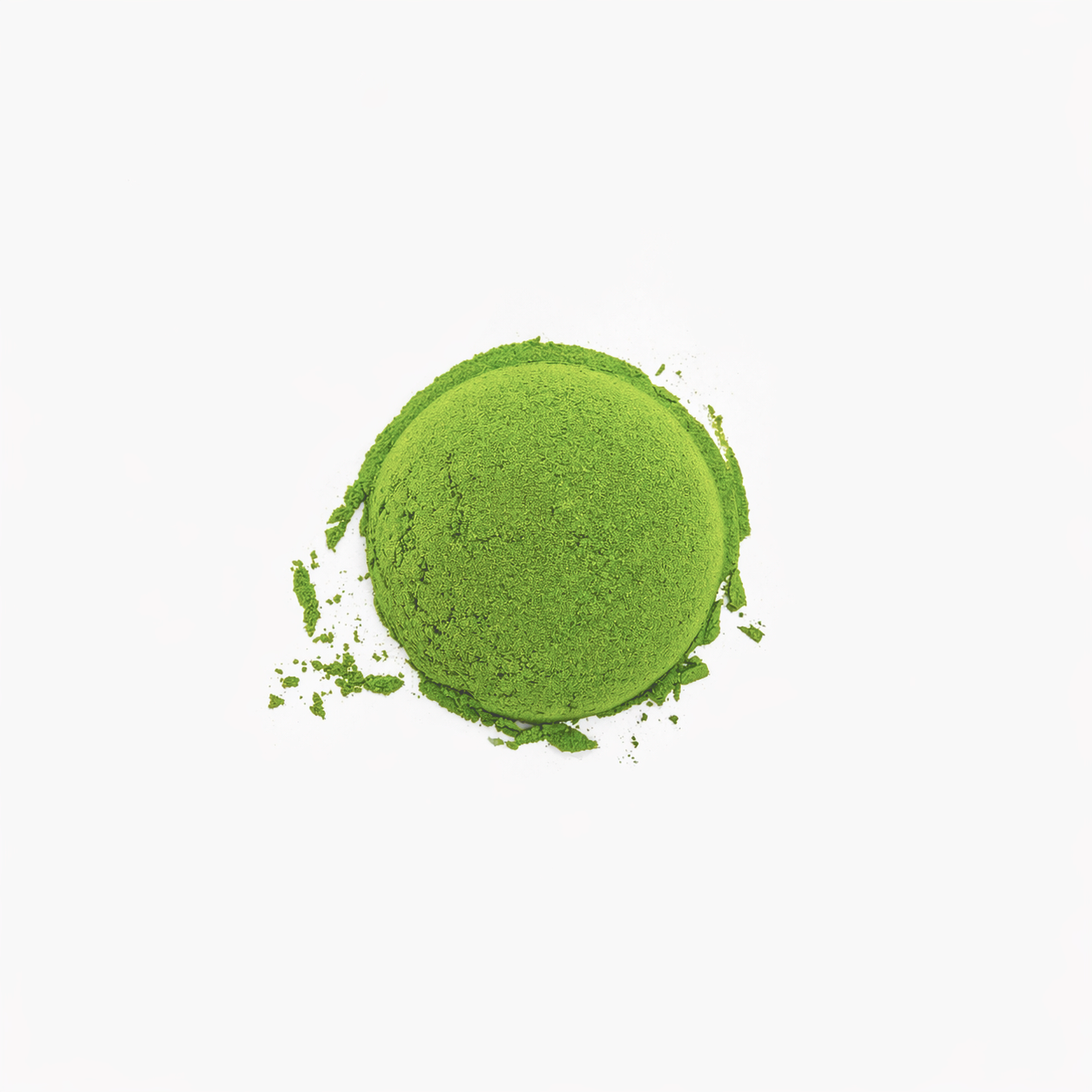
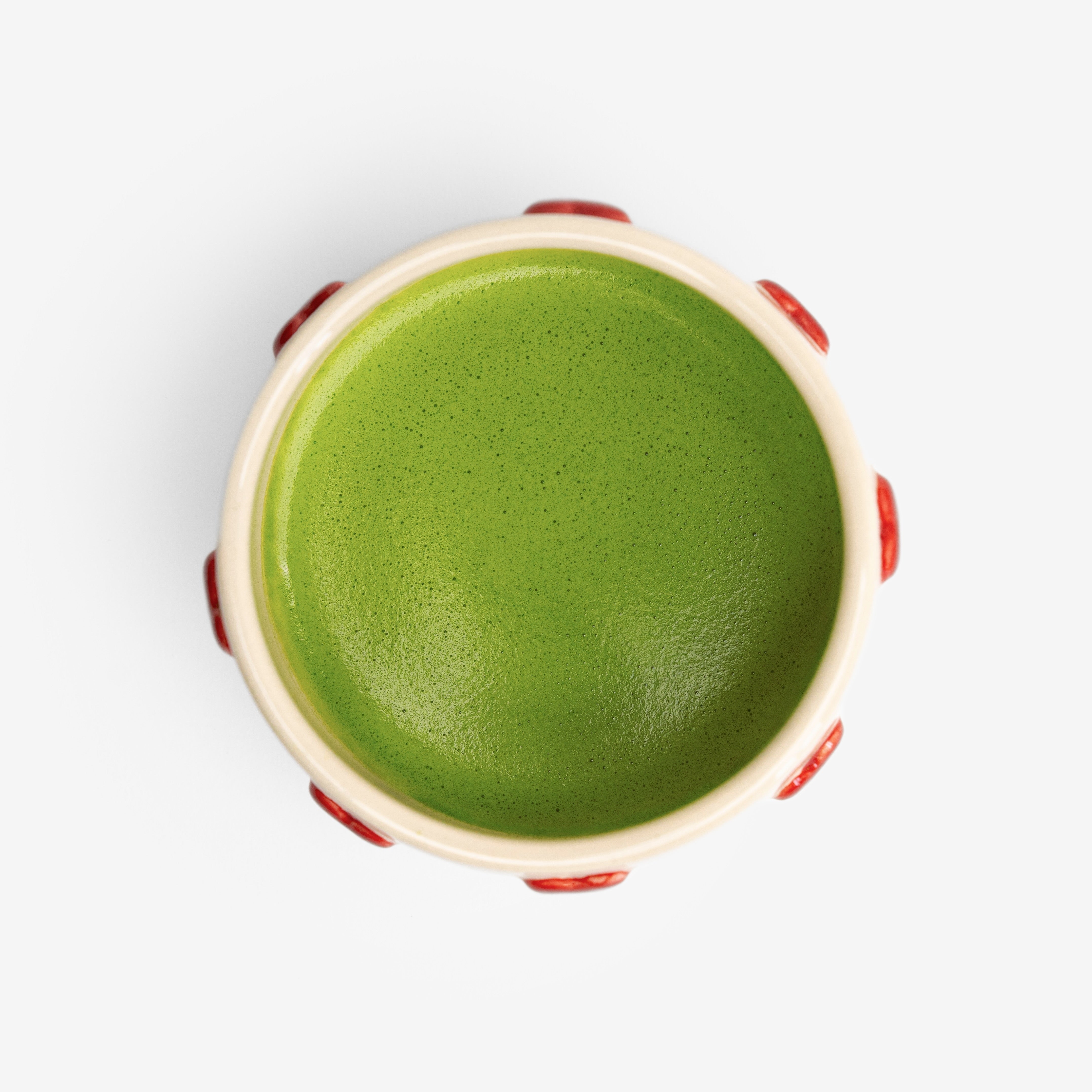
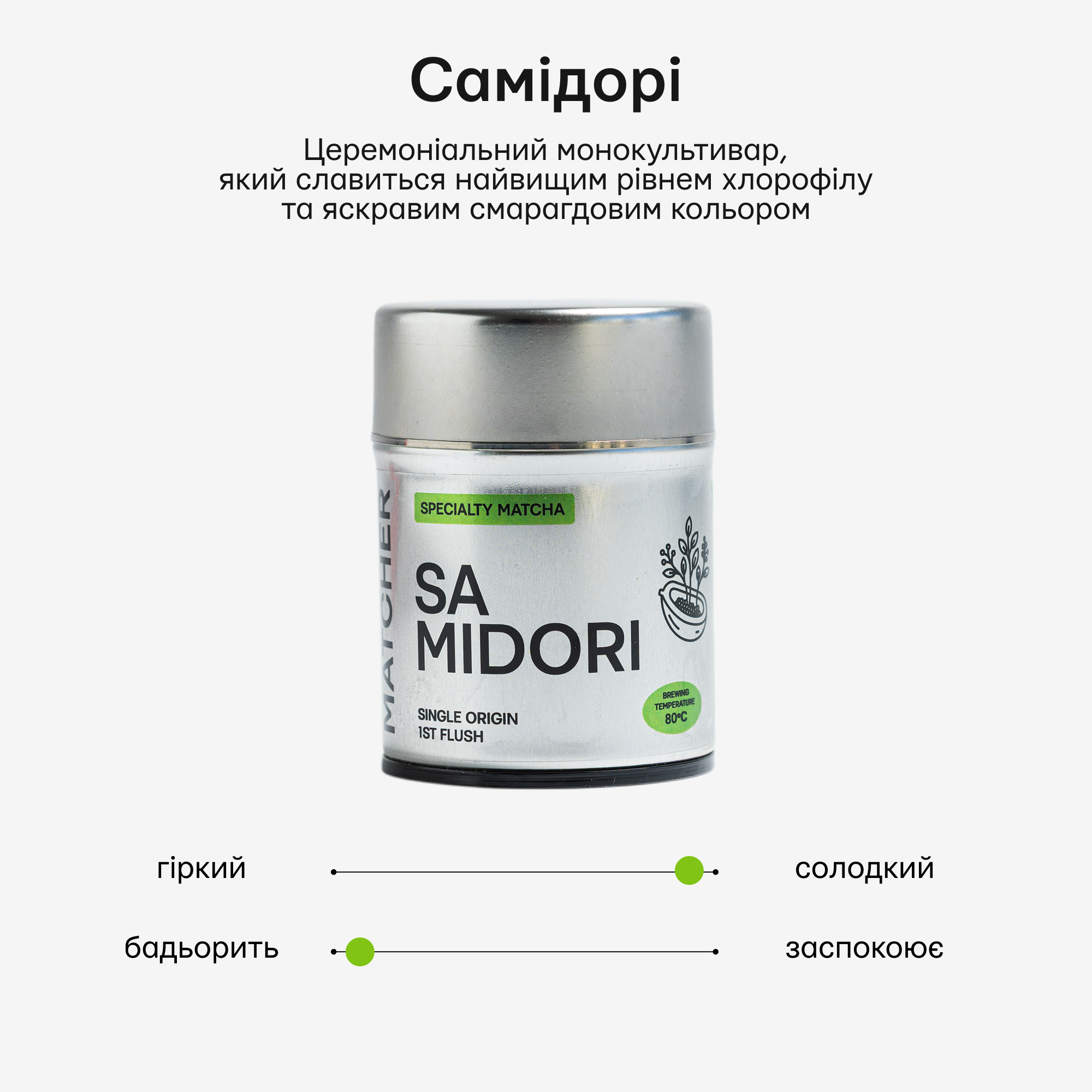
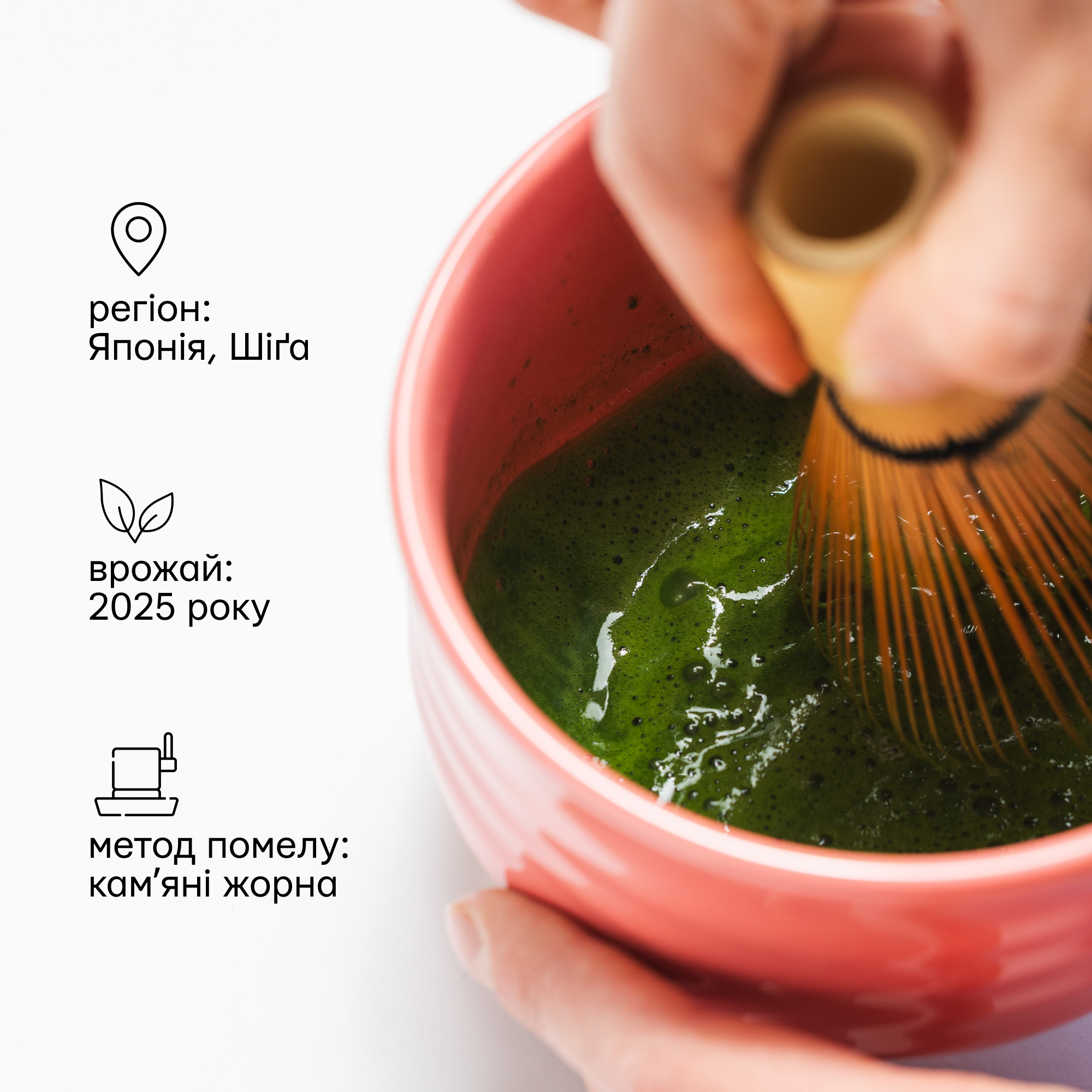
Matcha from the "Samidori" cultivar (さみどり) is an elite green tea renowned for its highest chlorophyll content and vibrant emerald color with exotic flavor notes. It's harvested in the first spring flush, shaded for 21 days before harvest, and traditionally ground on stone mills.
This tea combines deep traditions with the exceptional characteristics of the Samidori cultivar, giving the drink a unique taste, aroma, and texture. It's a delicate, silky matcha with a sweet flavor, free from bitterness and astringent notes.
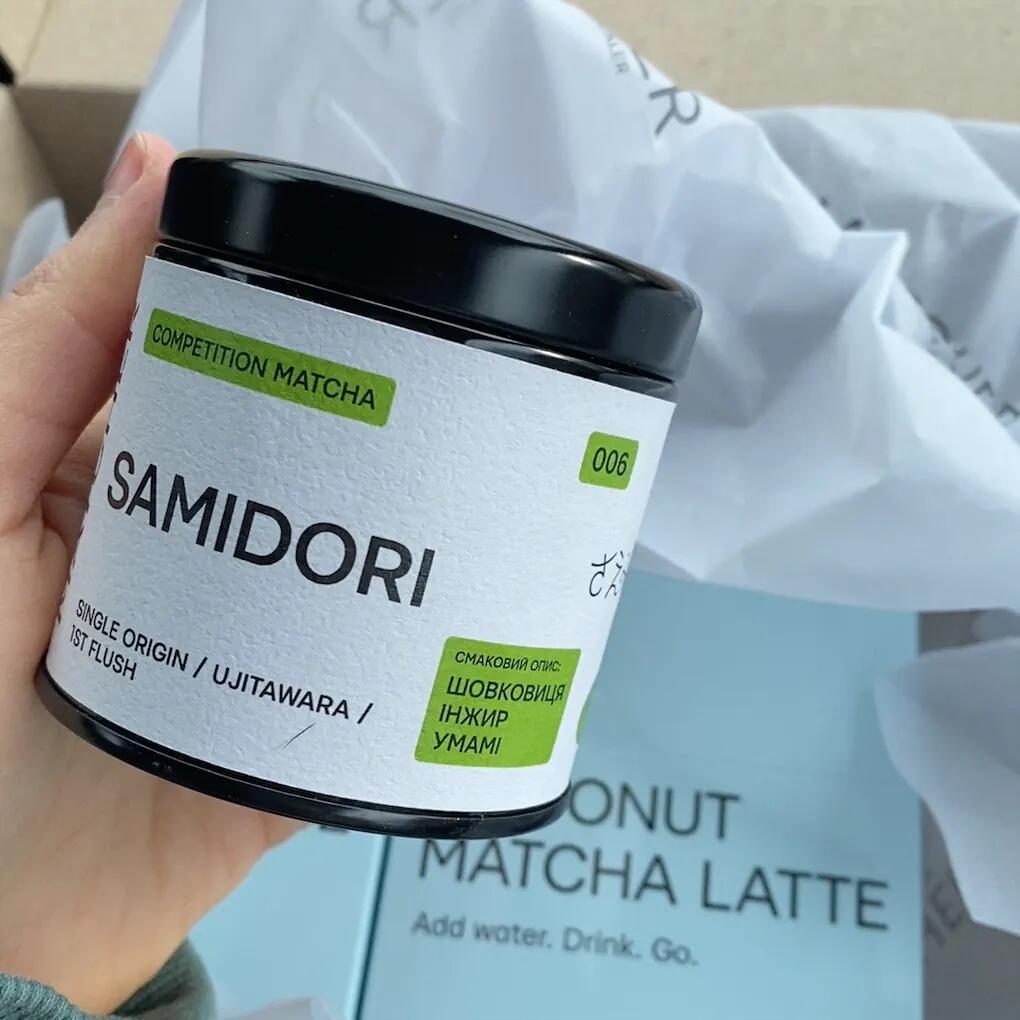
Samidori
𖡡 Japan, Shiga Yasuharu Maeno, Maruyasu
- Store your matcha in a cool, dark place
- Avoid temperature changes and condensation
- Store in a sealed environment, away from light
- Try to "squeeze" excess air out of the package before closing
- We advise you to consume the tea within 28 days after opening
Freshness is the key to taste and quality
Learn more about tea storage

Дуже насичений вершково-квітковий запах, наймовірний смак🩵
Смачний та ніжний, задоволена ☺️
кращий чай з цієї серії.рекомендую
Чудовий, смак просто не перевершений!
Ну дуже яскравий аромат свіжих ягід та квіток. Так пахне весна, тепле сонечко і навіть ось цей особливий запах весняного повітря після дощу, наповненого квітучими деревами. Смак дуже ніжний, її легко пити соло. Але і з рослинним молоком чудово поєднується. Рекомендую спробувати та насолоджуватись кожним моментом всього ритуалу – від приготування до смакування. Кожен раз повністю відданим моменту, сповільнитися та зосередитися на власних відчуттях 🍵
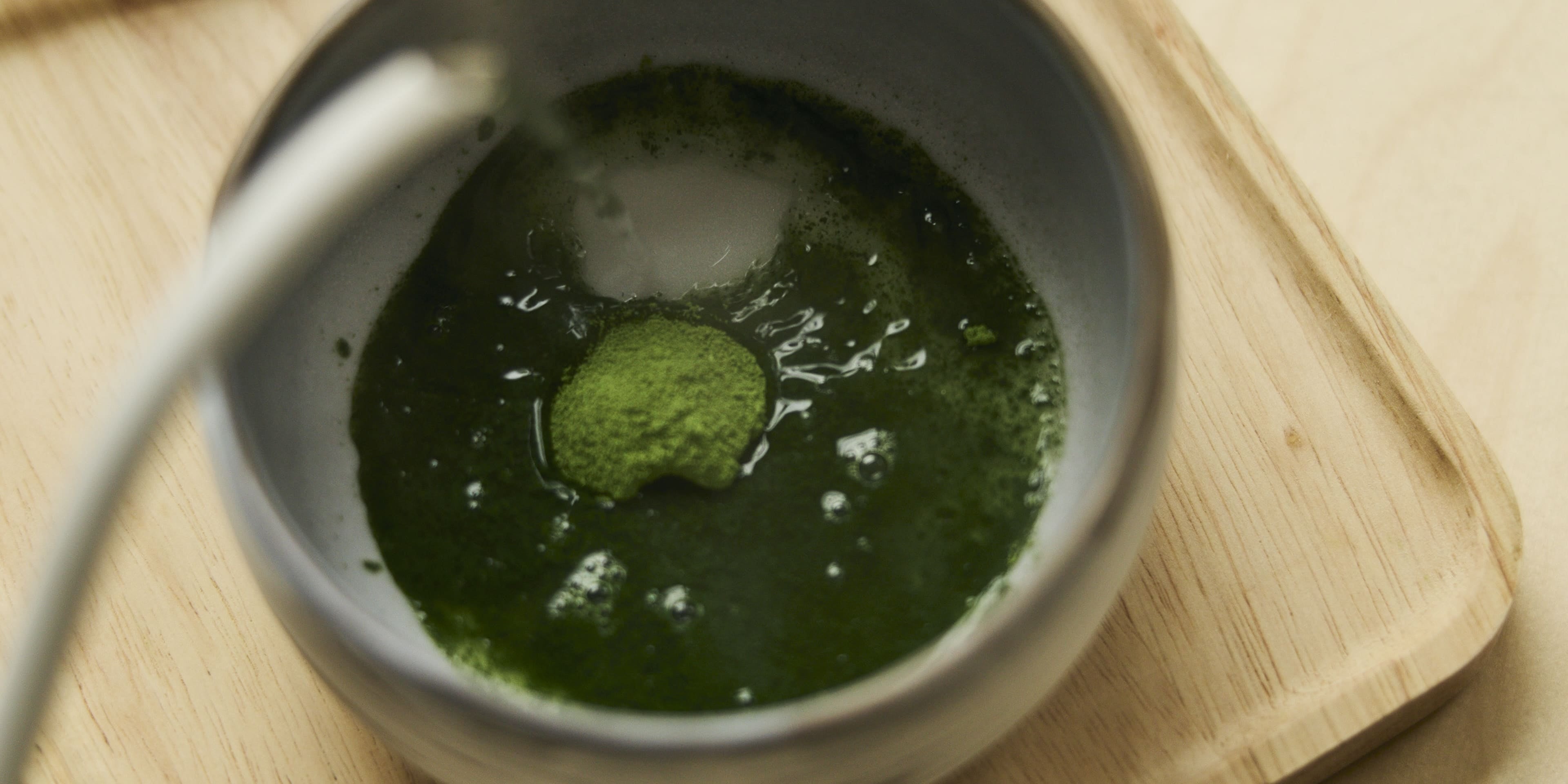
Matcha Latte
- Add 30 g of water 60-80°C
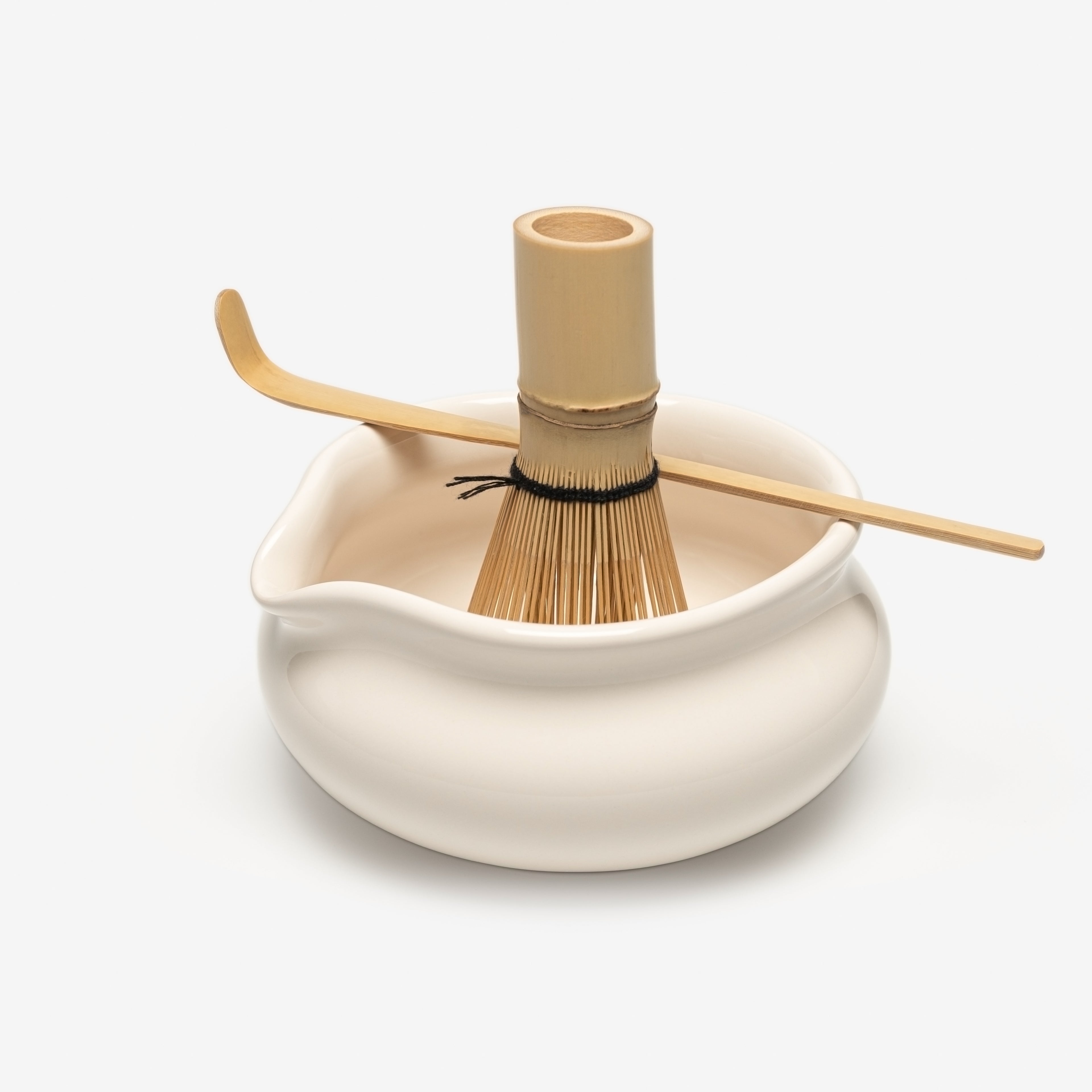
- Using a W-like motion, beat Chasen with a bamboo whisk for 40 seconds until fluffy
- Use 150-200 ml of warm or cool alternative milk (or even fresh or tonic)
- If desired, you can add maple syrup, honey or collagen
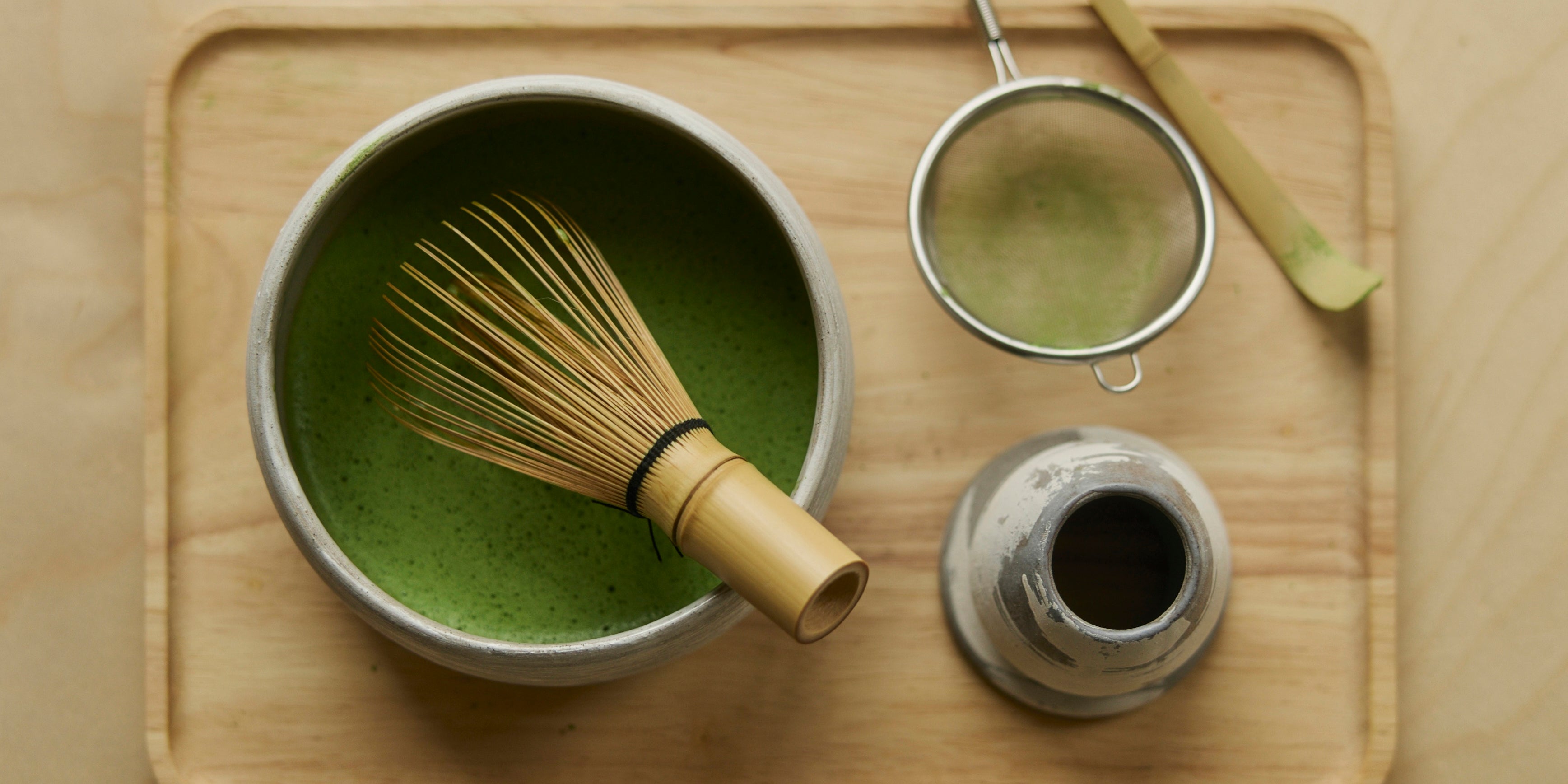
For a traditional match
Or as it is customary to call Usucha - fine tea:
- Add 60-90 g of water 60-70°C
- Using a W-like motion, beat Chasen with a bamboo whisk for 40 seconds until fluffy
- Avoid strong pressure with the tip on the bottom of the bowl
- At the end, slow down by popping the big bubbles
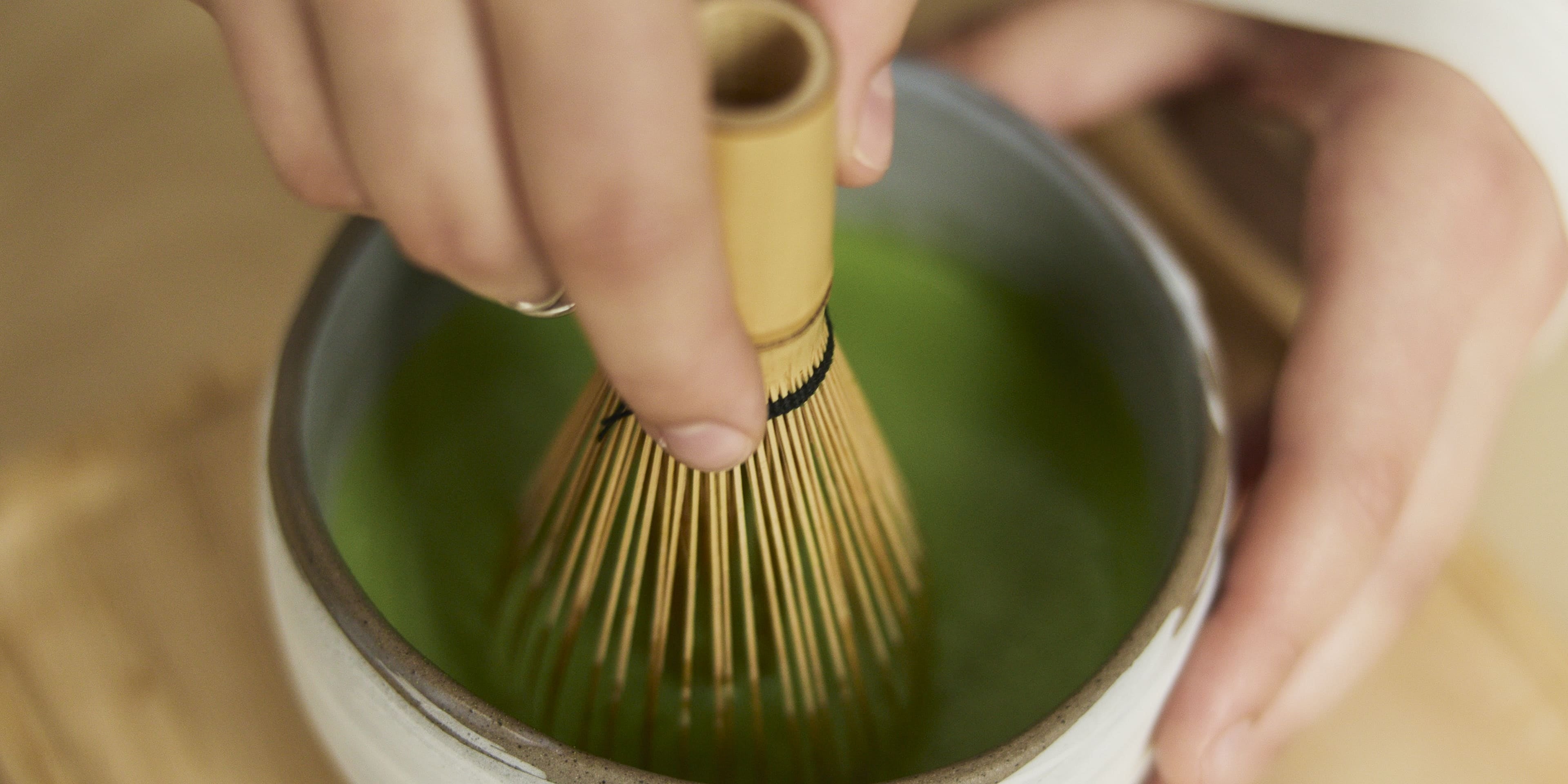
Professional level
Try Koicha - thick tea:
- For 4 g of matcha, add 30-40 g of water below 60°C.
- Using slow, gentle movements reminiscent of a figure eight, gently rub the Chasen with a bamboo whisk for 2-3 minutes until a gentle, uniform texture
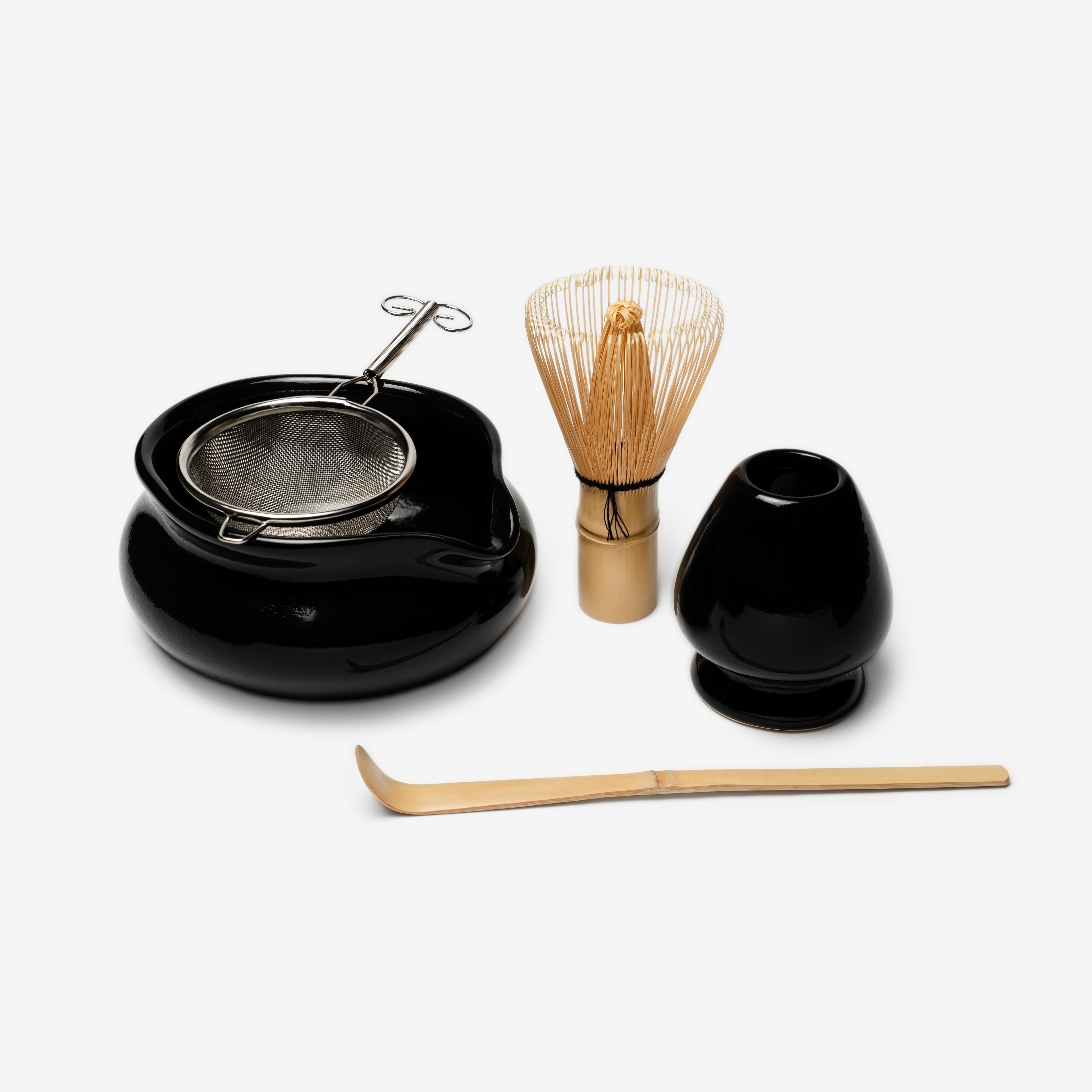
- Use Chasen carefully so as not to damage it, or we can recommend Fugetsu Resin Chasen
- After the formation of a jelly texture, the drink is ready. Enjoy without hurrying.
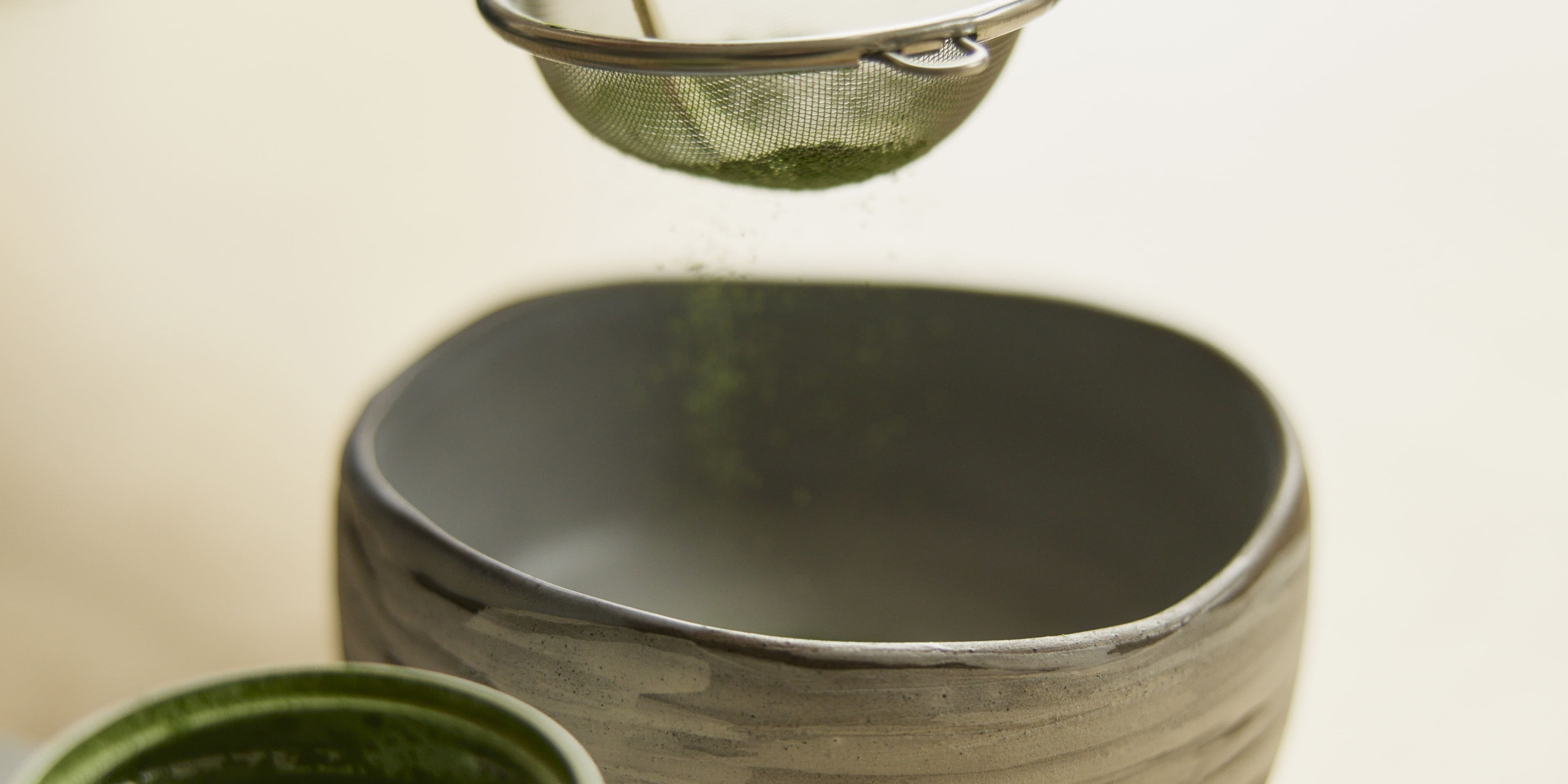
Sieve 1.5-2 g of matcha
Matcha Latte
- Add 30 g of water 60-80°C
- Using a W-like motion, beat Chasen with a bamboo whisk for 40 seconds until fluffy
- Use 150-200 ml of warm or cool alternative milk (or even fresh or tonic)
- If desired, you can add maple syrup, honey or collagen
For a traditional match
Or as it is customary to call Usucha - fine tea:
- Add 60-90 g of water 60-70°C
- Using a W-like motion, beat Chasen with a bamboo whisk for 40 seconds until fluffy
- Avoid strong pressure with the tip on the bottom of the bowl
- At the end, slow down by popping the big bubbles
Professional level
Try Koicha - thick tea:
- For 4 g of matcha, add 30-40 g of water below 60°C.
- Using slow, gentle movements reminiscent of a figure eight, gently rub the Chasen with a bamboo whisk for 2-3 minutes until a gentle, uniform texture
- Use Chasen carefully so as not to damage it, or we can recommend Fugetsu Resin Chasen
- After the formation of a jelly texture, the drink is ready. Enjoy without hurrying.

