

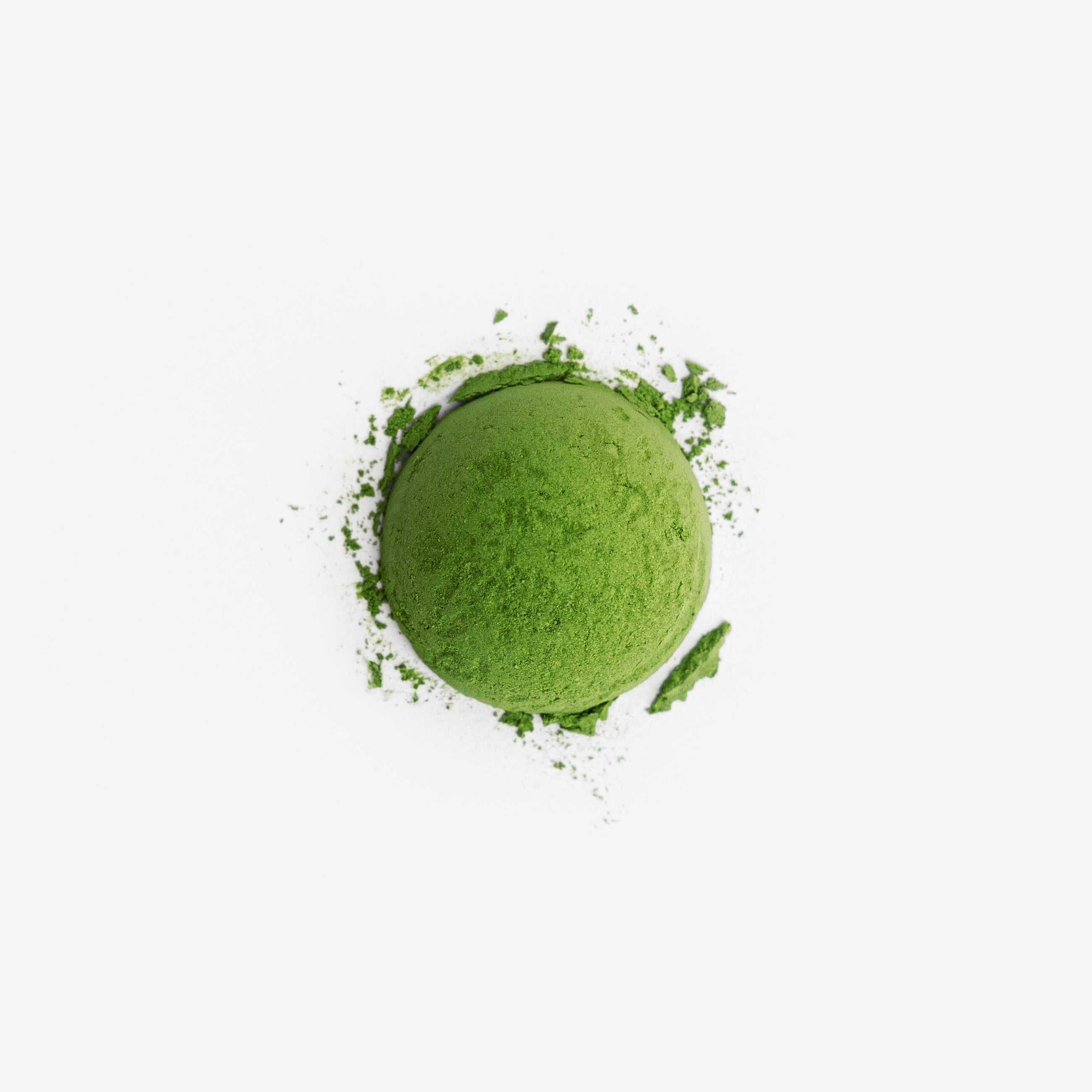
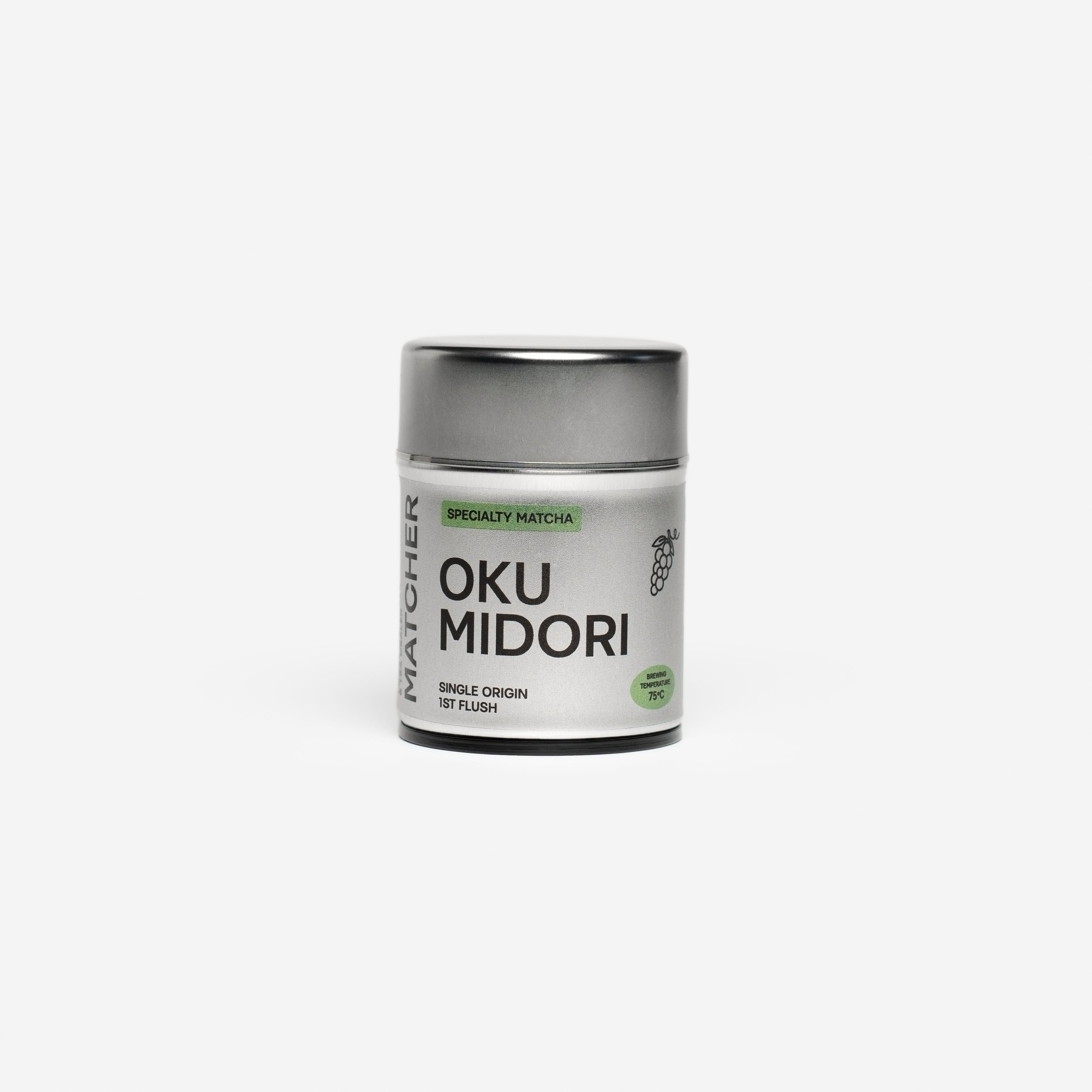
005 JAS Okumidori elite matcha
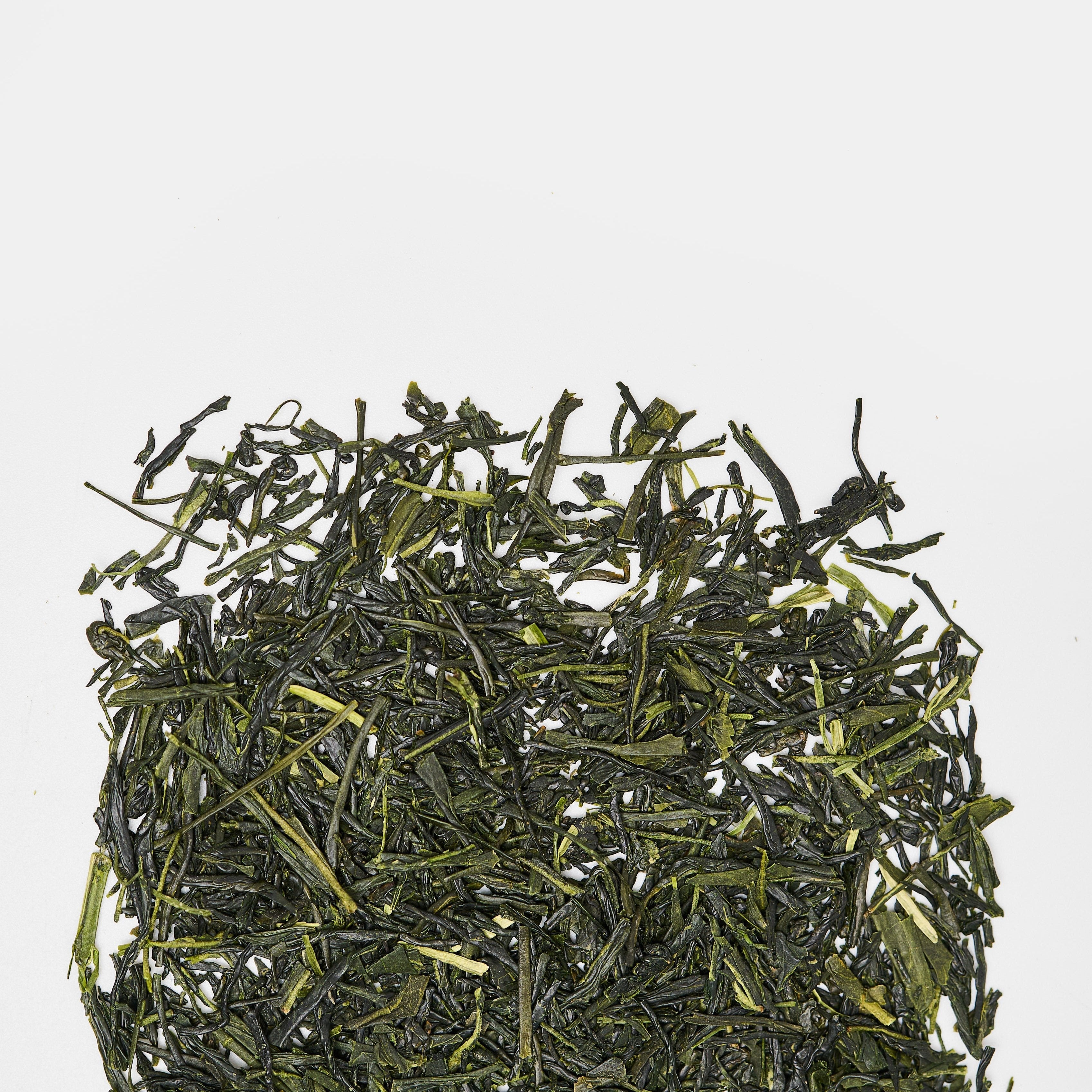
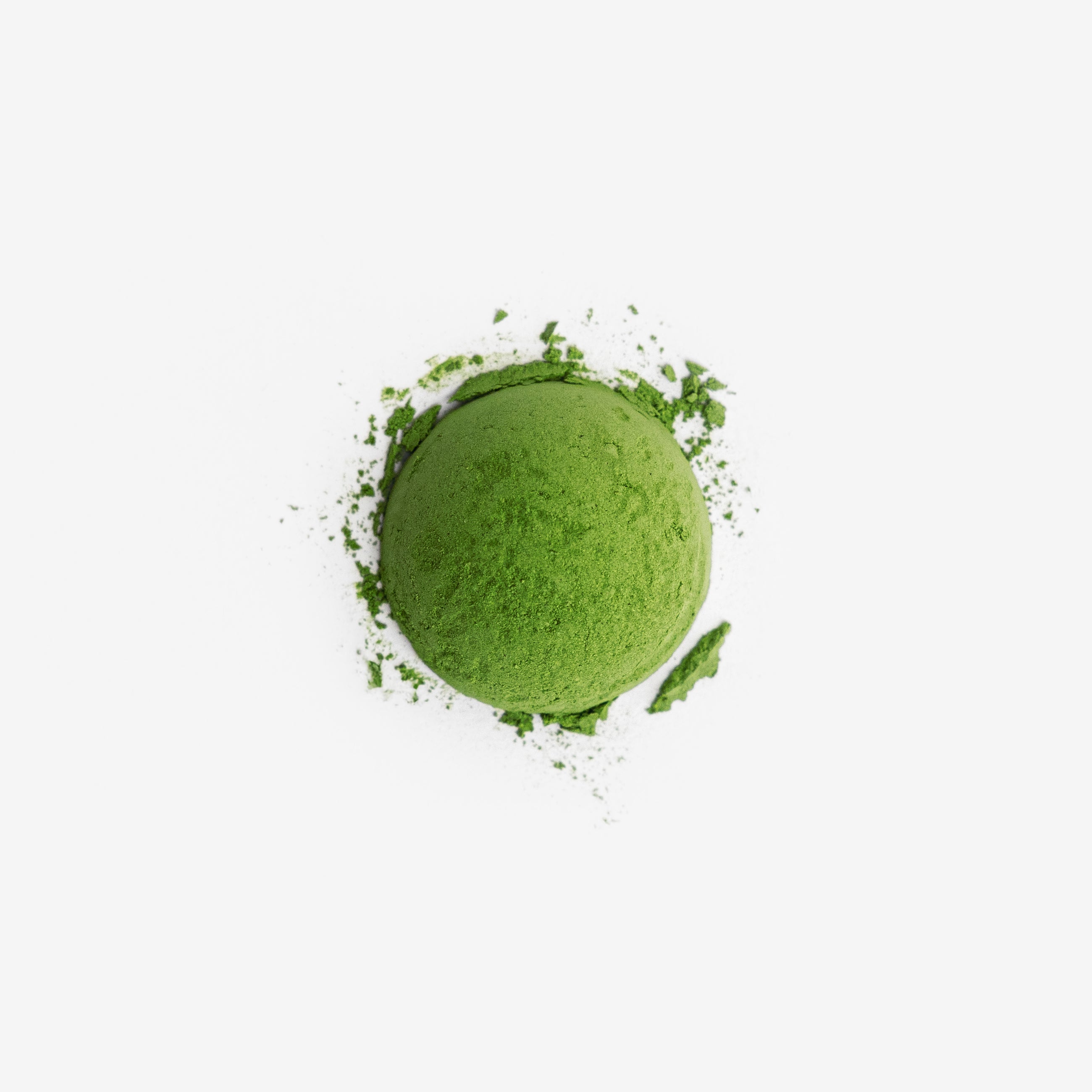
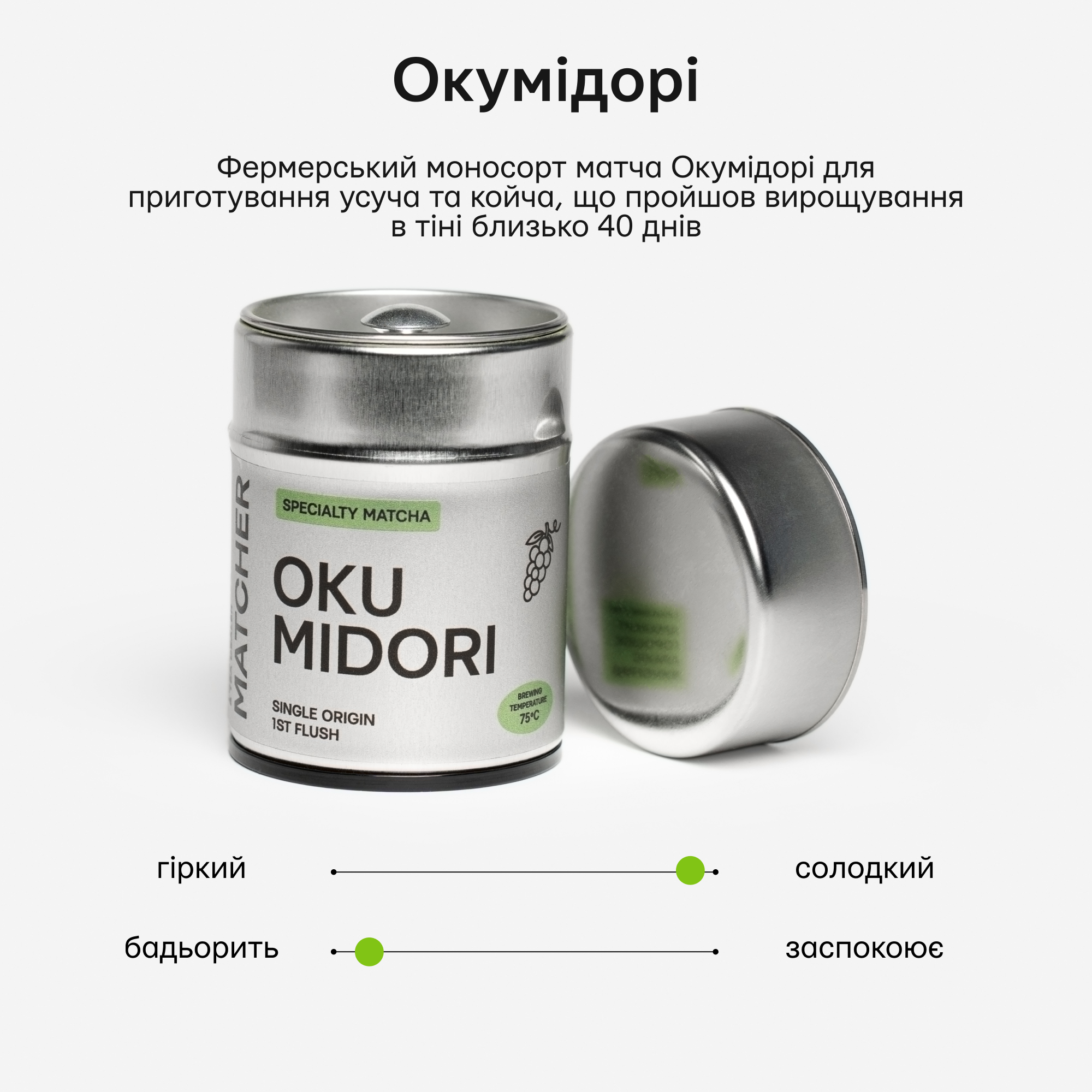
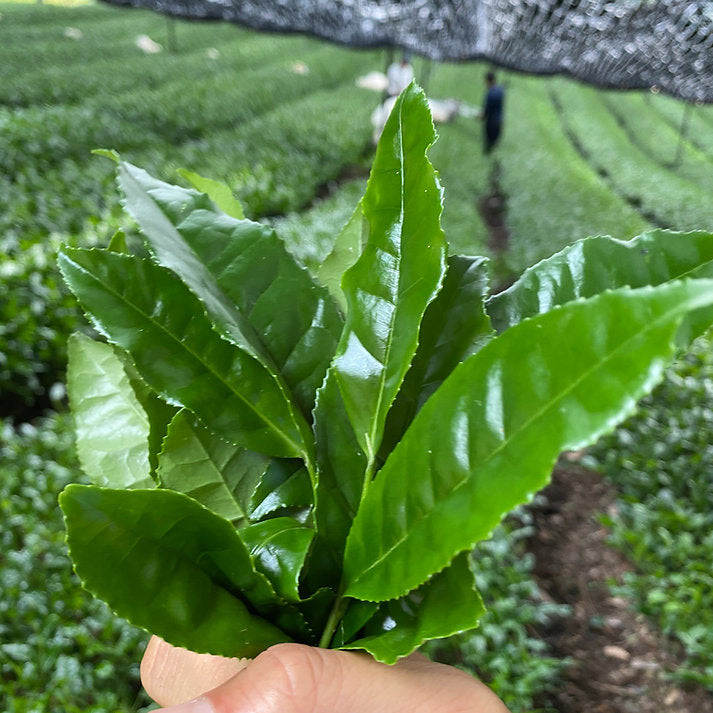
Okumidori farm monovariety of matcha for making usucha and koicha, traditional shade-grown form - Honzu 40 days. Currently, this method is rarely used due to a lot of tedious work, so tea grown in this way has a limited amount and a unique taste. Hondzu requires a covering of several layers of thatch, usually rice and reed bamboo screens handmade.
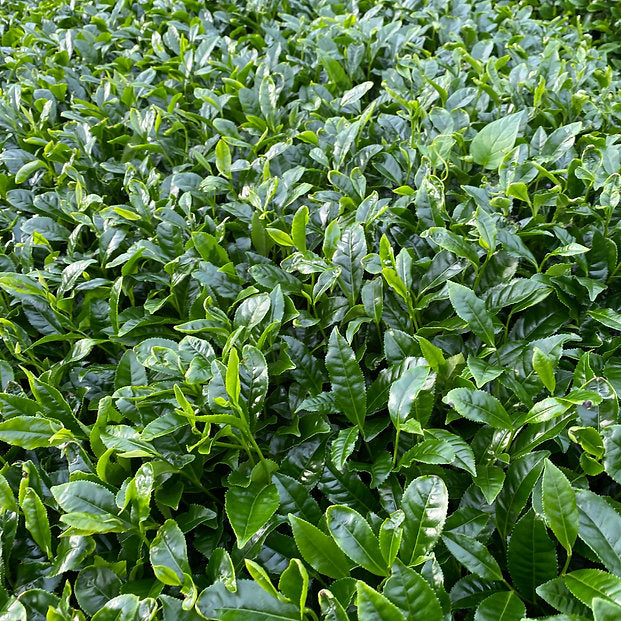
This Okumidori is grown according to JAS standards, that is, completely organic, without the use of artificial fertilizers. Okumidori sprouts harden quite slowly compared to other varieties of Japanese tea, but it gives an exceptional yield and grows beautifully. - therefore, the matcha made from it received double shading and a deeper taste
Okumidori monocultivation that has undergone double shading by the Honzu method
𖡡 Japan, Koka-shi by Master Yuta Oka, Izumo Seicha Farm, Izumo City, Shimane Prefecture, Japan
- Store your matcha in a cool, dark place
- Avoid temperature changes and condensation
- Store in a sealed environment, away from light
- Try to "squeeze" excess air out of the package before closing
- We advise you to consume the tea within 28 days after opening
Freshness is the key to taste and quality
Learn more about tea storage

Grinding method:
Millstones 石臼
500m above sea level
2025 Harvest
Дійсно коштує своїх грошей, неймовірно смачна матча, обираю її в особливі дні, на смак чутно різницю з іншими сортам, також дає гарну піну і має насичений колір
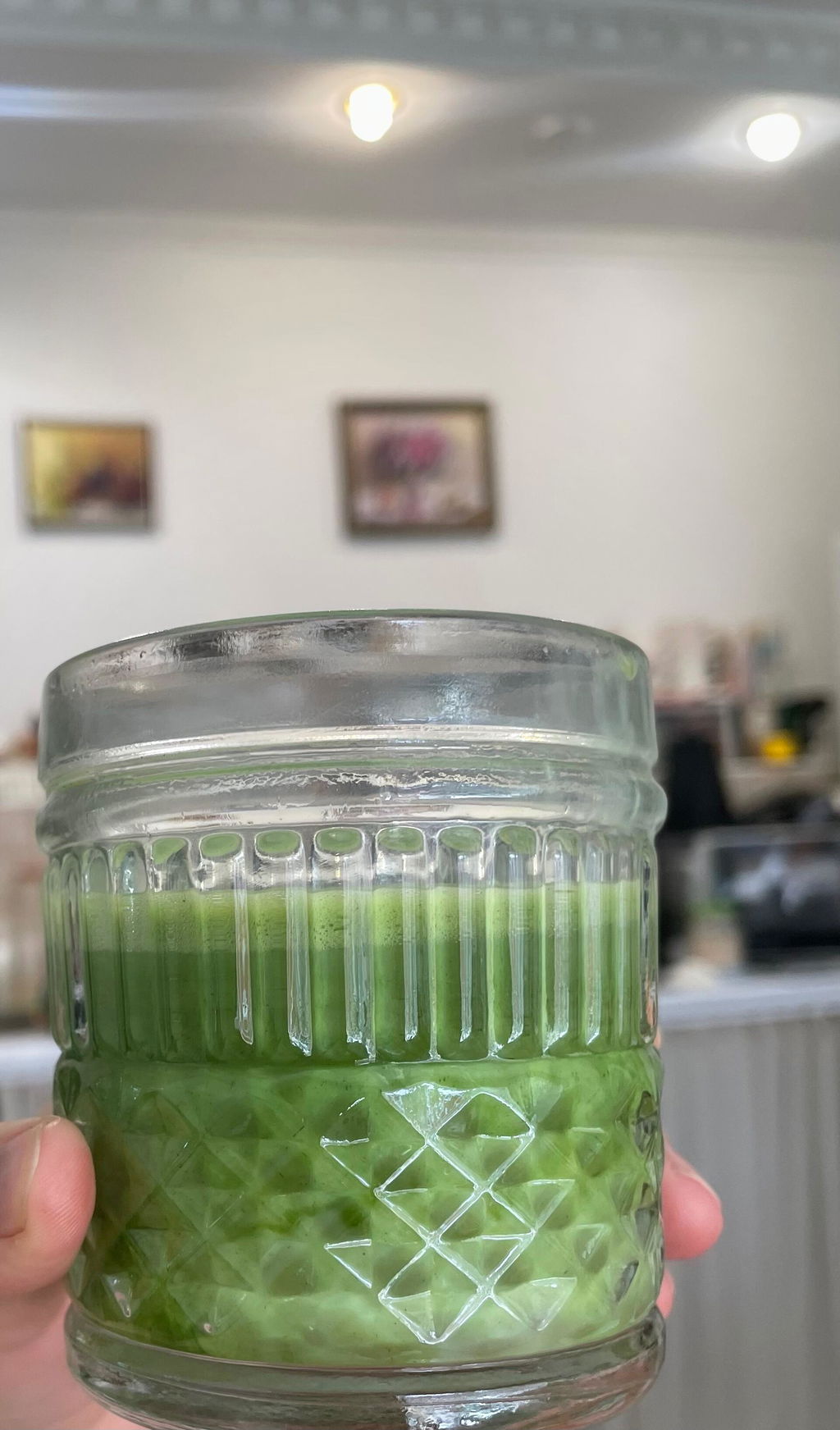
Золота середина між глибоко церемоніальними сортами і простішими для напоїв) Але не відмовляю собі робити напої на ній 🫶
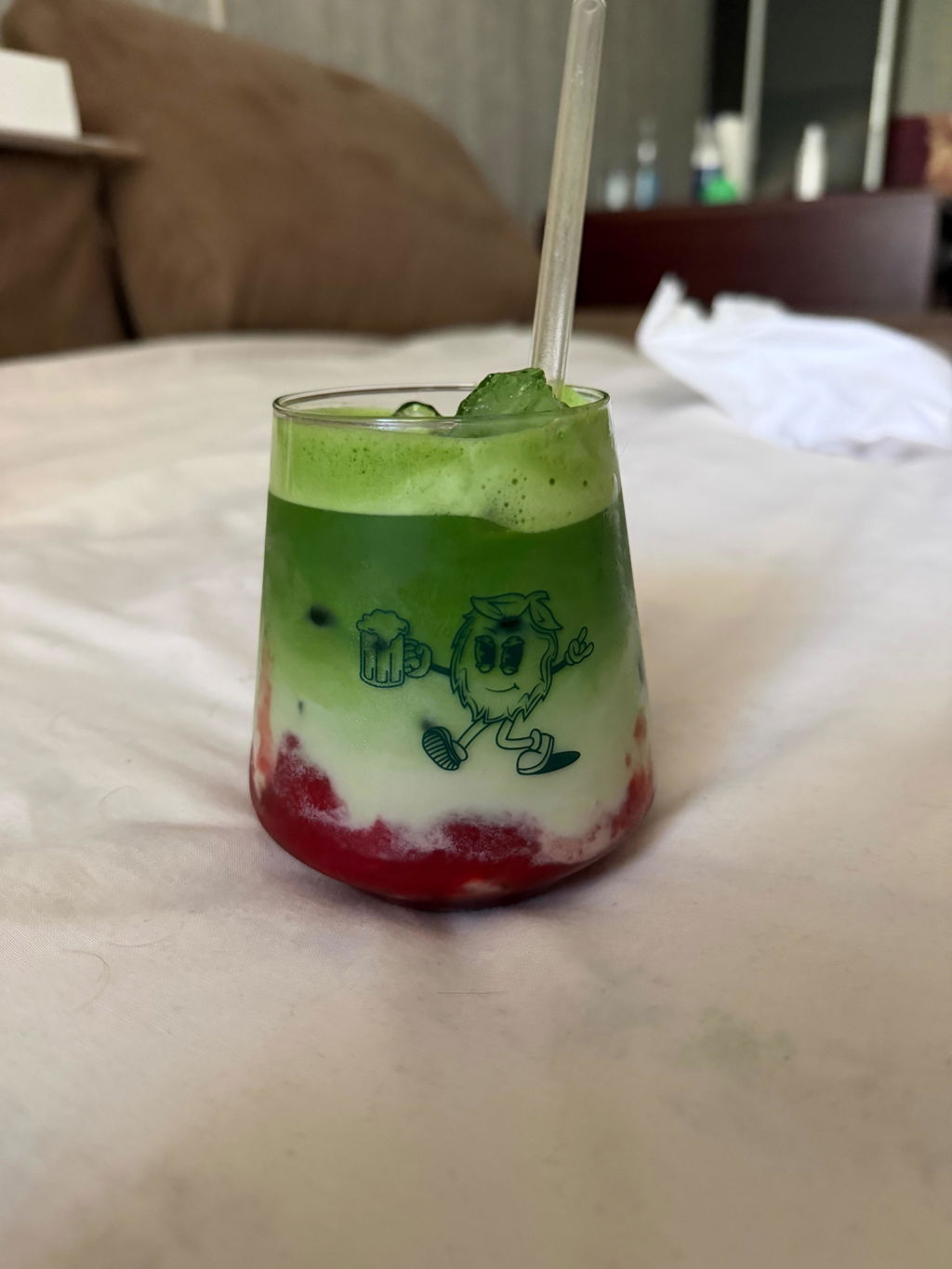
Я більше поціновувачка солодкої матчі, без гірчичнки і цей сорт прям в сердечко, буду очікувати на доставку, якщо ще буде, тільки б і пила його 🫂
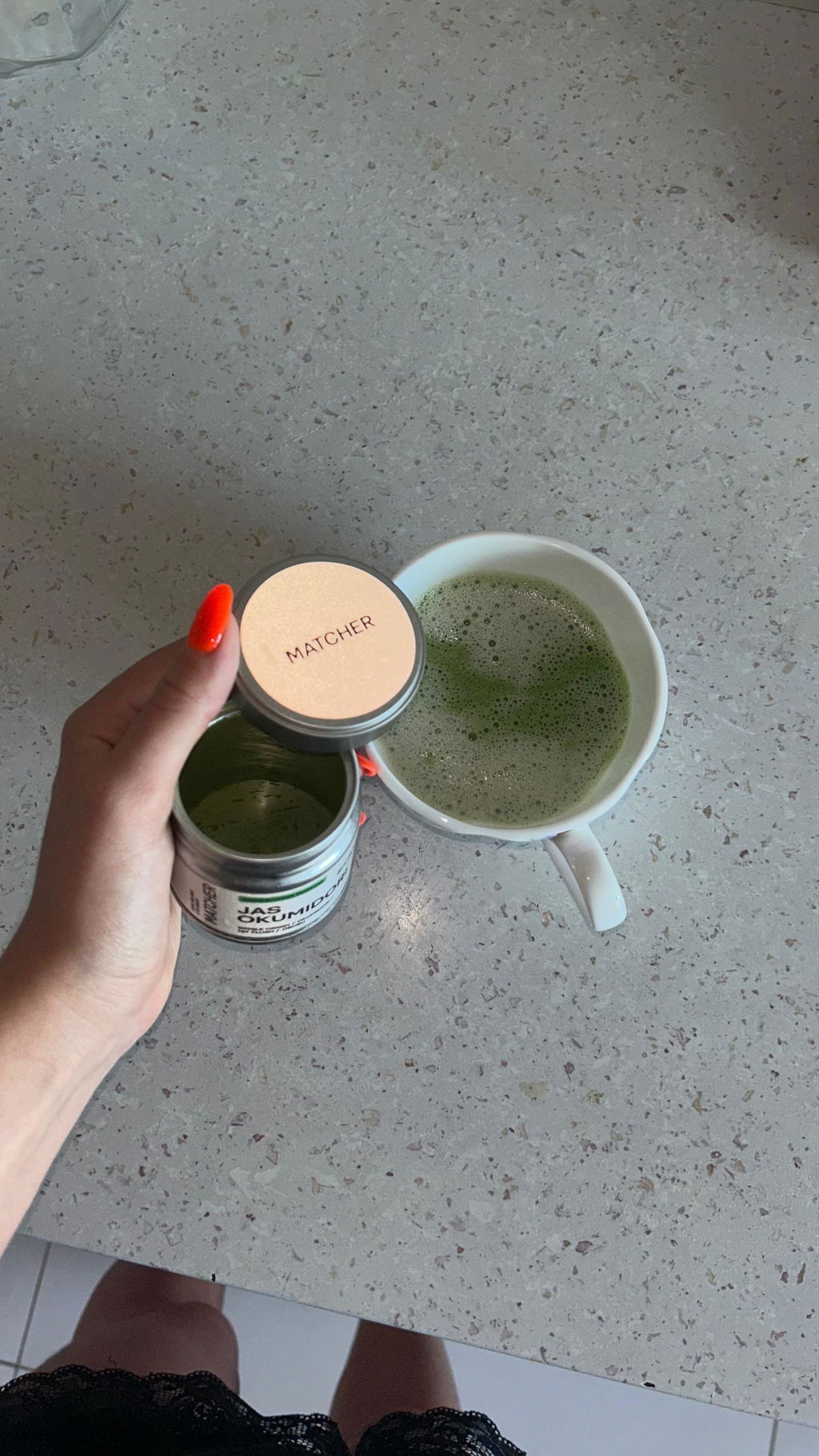
ніколи ще не бачила матчу такого насиченого зеленого кольору. дійсно не гірка, залишає солодкий післясмак. не сильно піниться. приємно, що поклали порцію зеленого чаю на пробу!
Легкий , травʼянистий , свіжий . Підійшов мені на кожен день . Відчувається солодкість після . Я отримала задоволення від цього матча і сервісу магазину загалом. Дякую
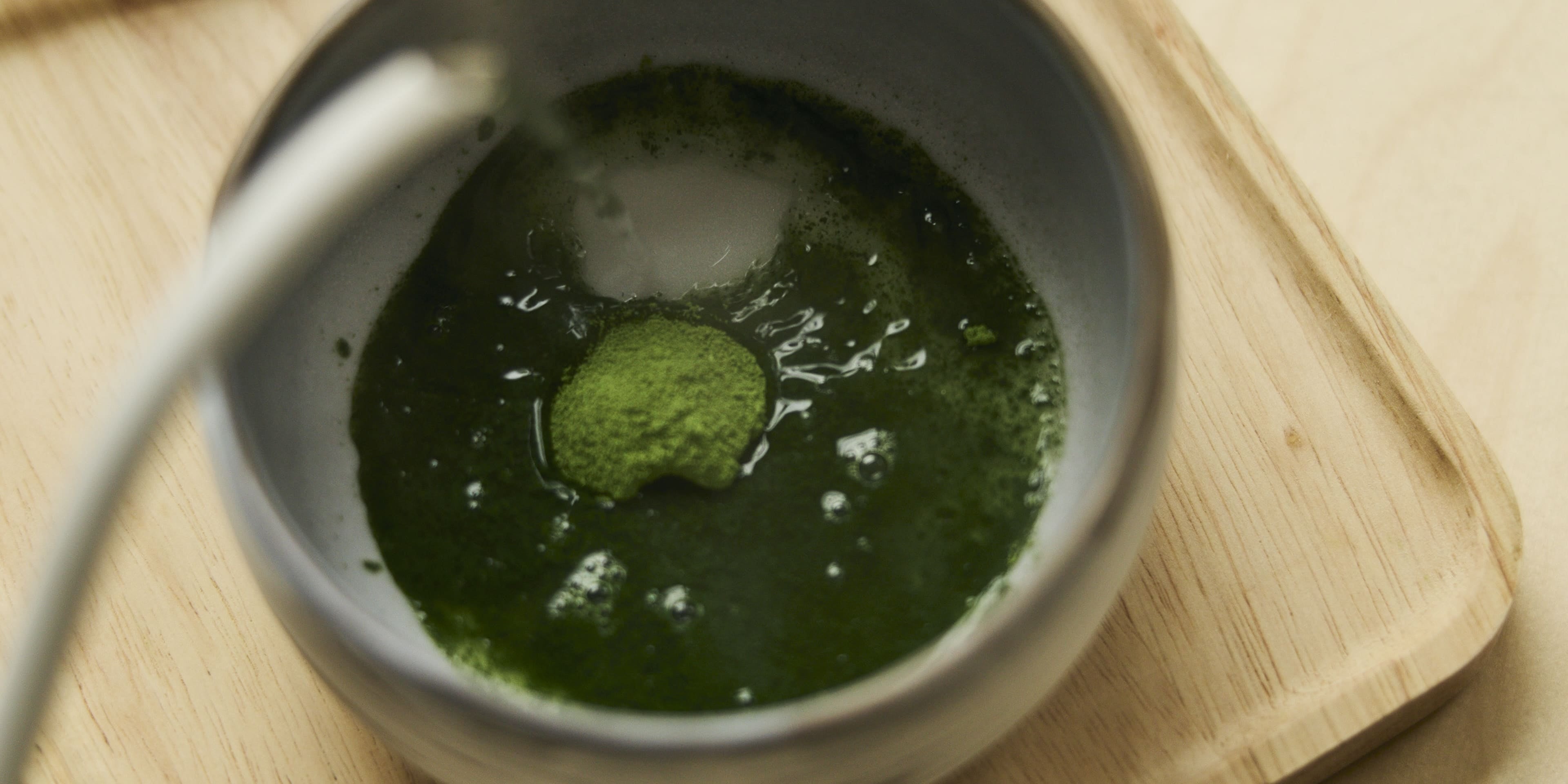
Matcha Latte
- Add 30 g of water 60-80°C
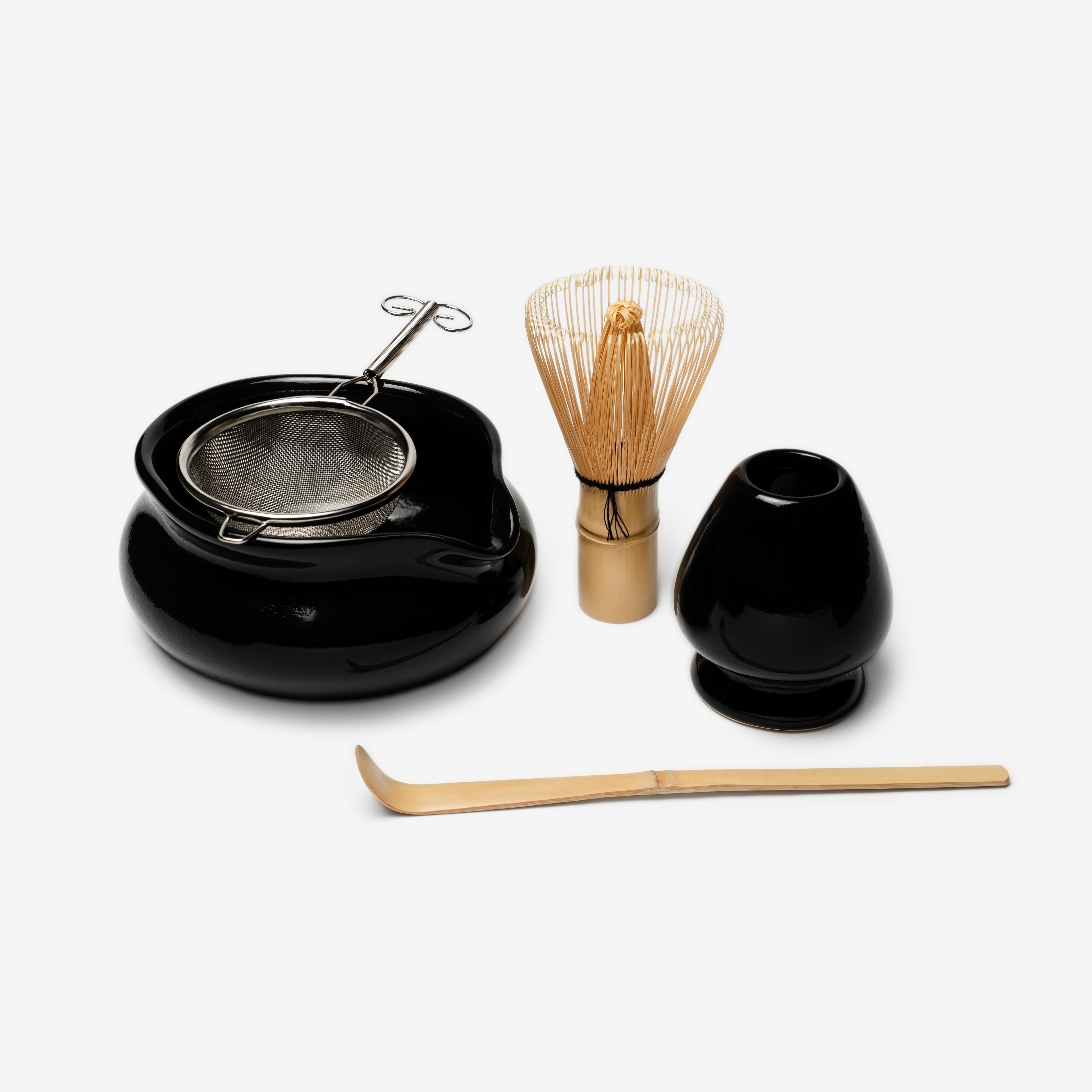
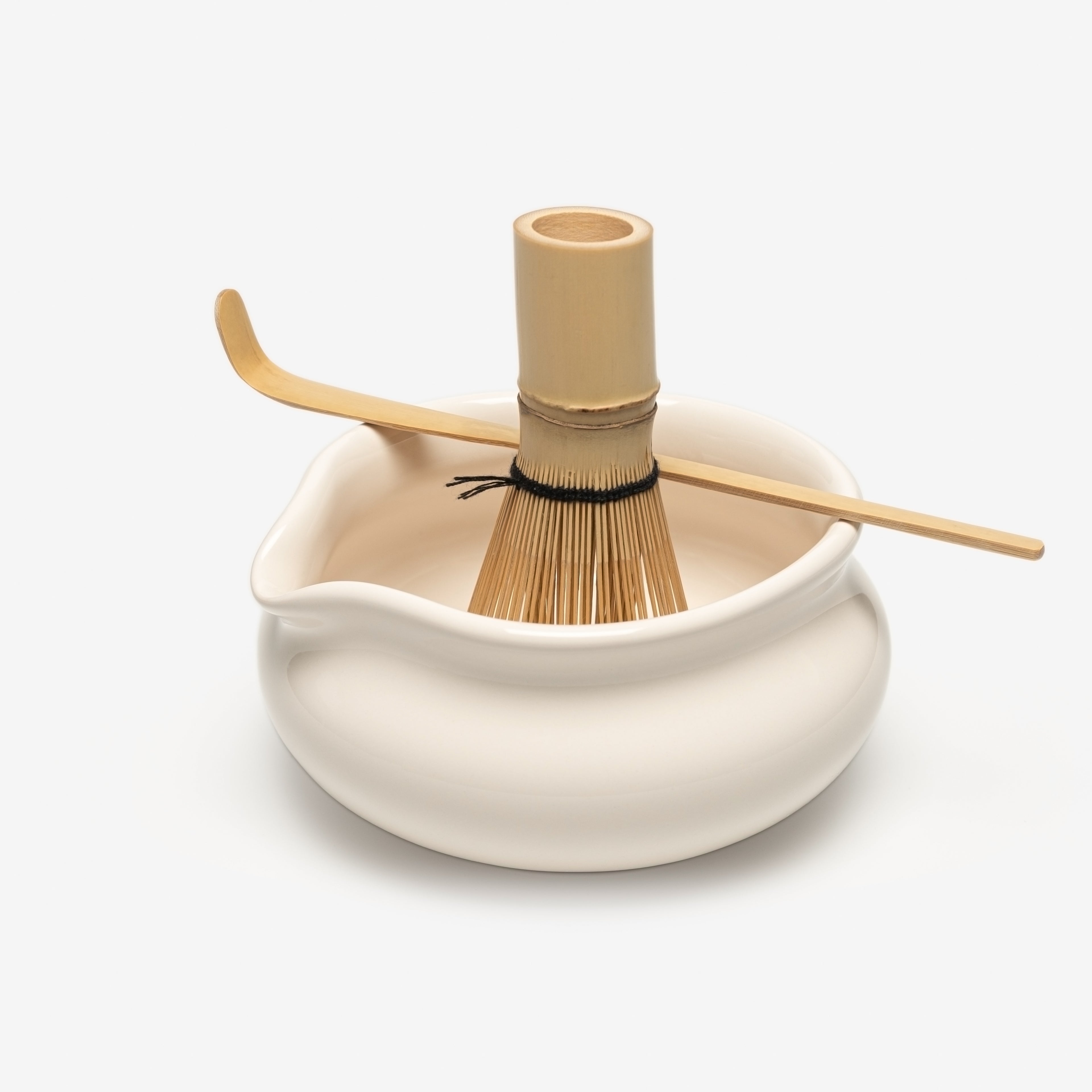
- Using a W-like motion, beat Chasen with a bamboo whisk for 40 seconds until fluffy
- Use 150-200 ml of warm or cool alternative milk (or even fresh or tonic)
- If desired, you can add maple syrup, honey or collagen
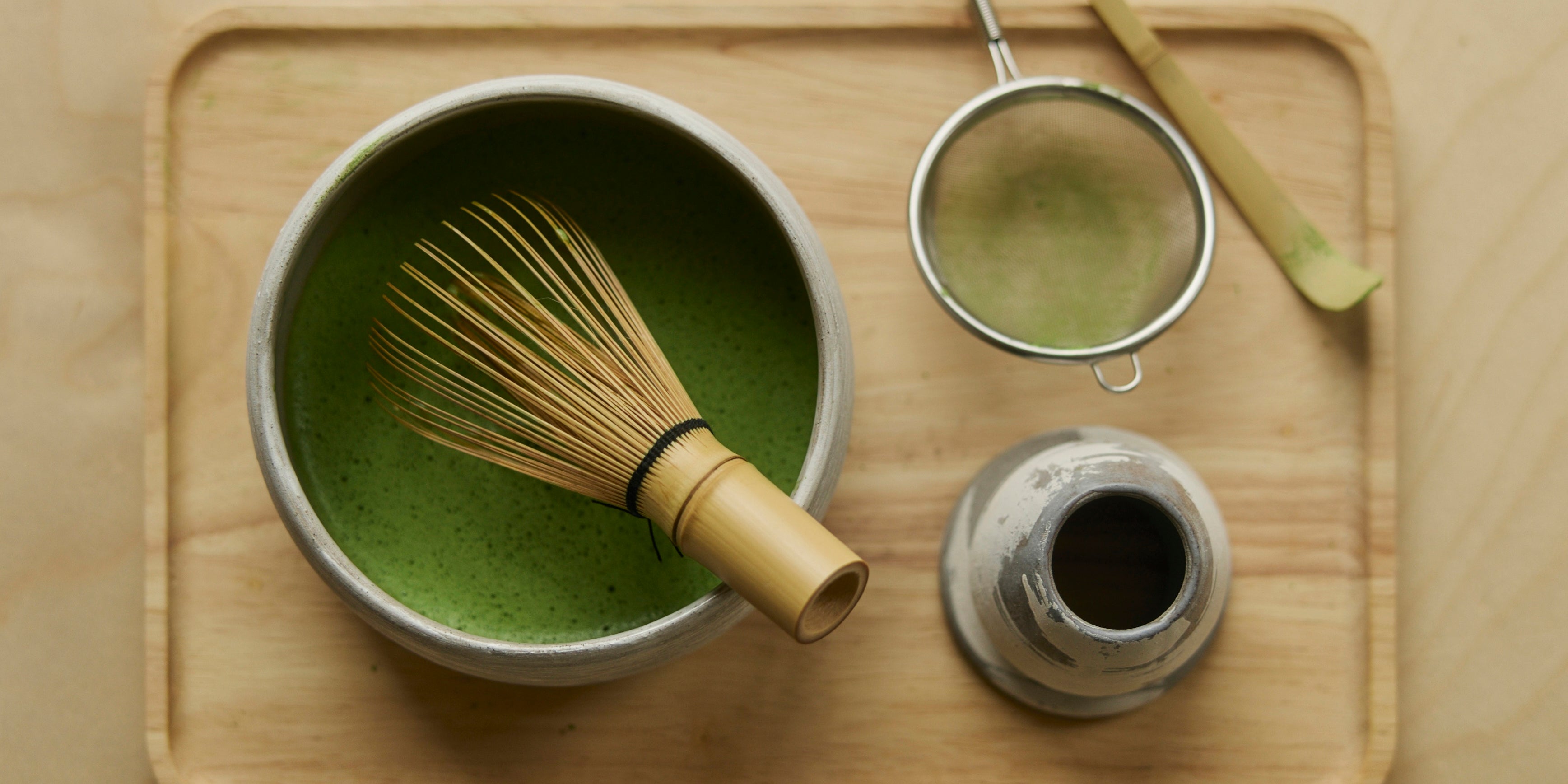
For a traditional match
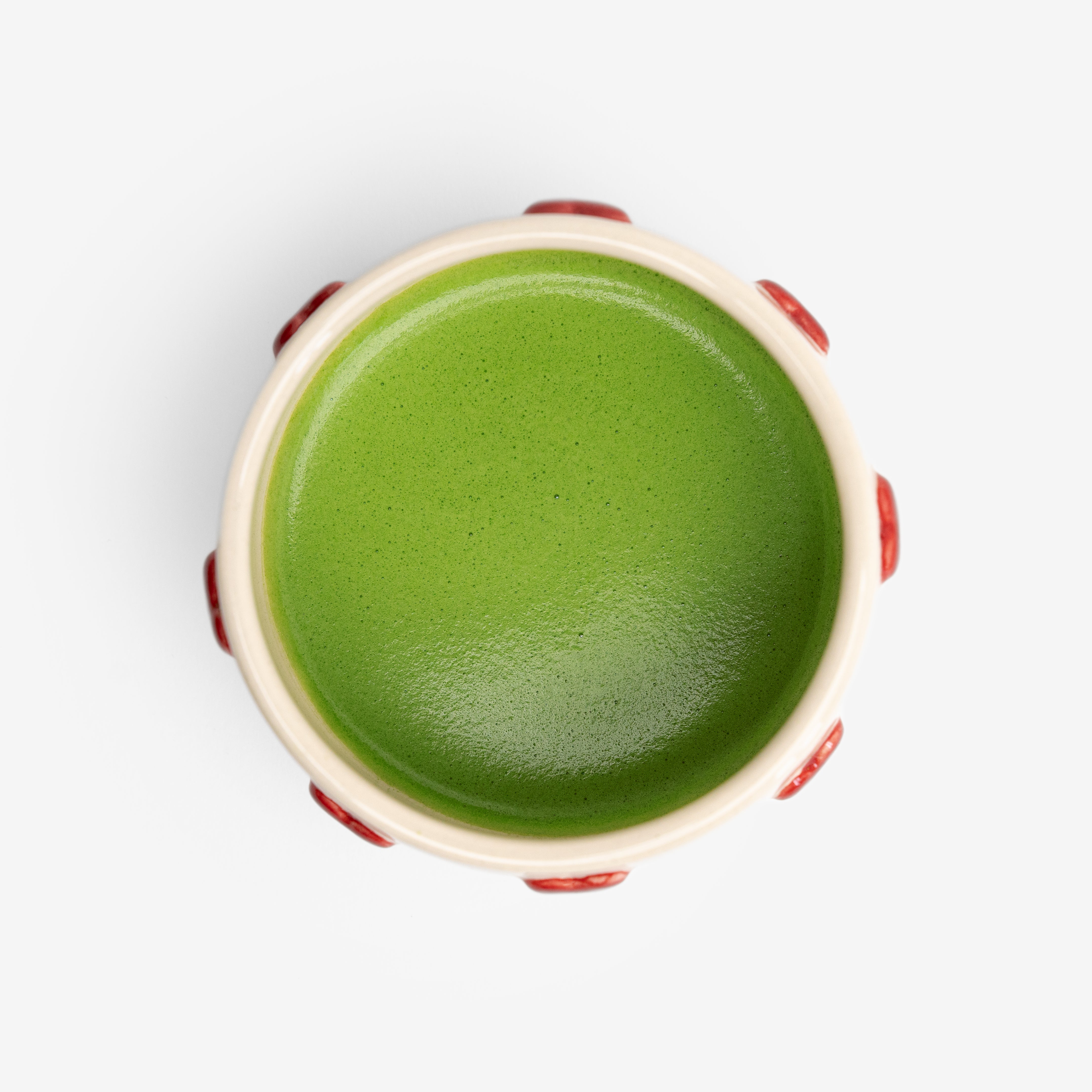
Or as it is customary to call Usucha - fine tea:
- Add 60-90 g of water 60-70°C
- Using a W-like motion, beat Chasen with a bamboo whisk for 40 seconds until fluffy
- Avoid strong pressure with the tip on the bottom of the bowl
- At the end, slow down by popping the big bubbles
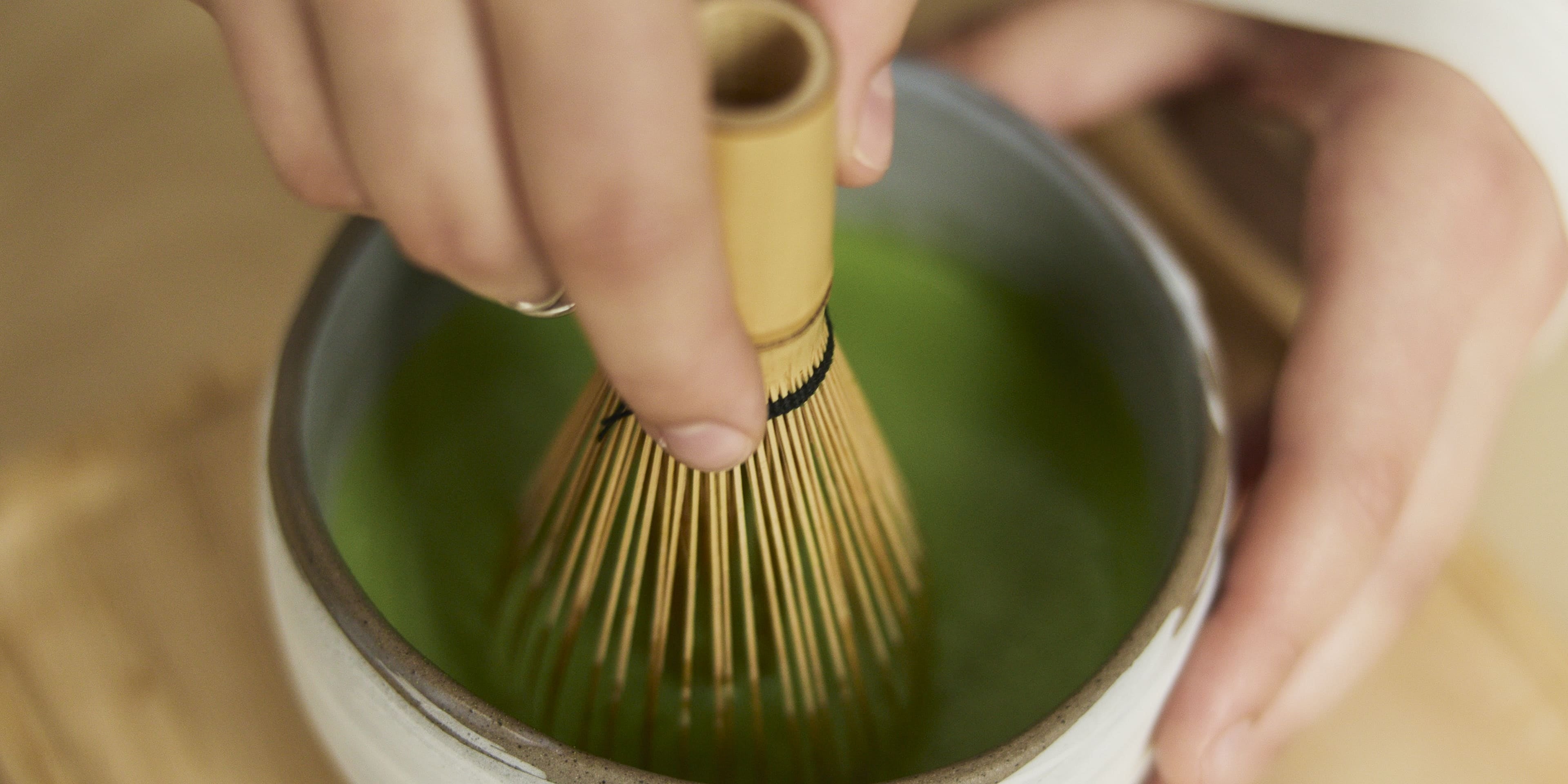
Professional level
Try Koicha - thick tea:
- For 4 g of matcha, add 30-40 g of water below 60°C.
- Using slow, gentle movements reminiscent of a figure eight, gently rub the Chasen with a bamboo whisk for 2-3 minutes until a gentle, uniform texture
- Use Chasen carefully so as not to damage it, or we can recommend Fugetsu Resin Chasen
- After the formation of a jelly texture, the drink is ready. Enjoy without hurrying.
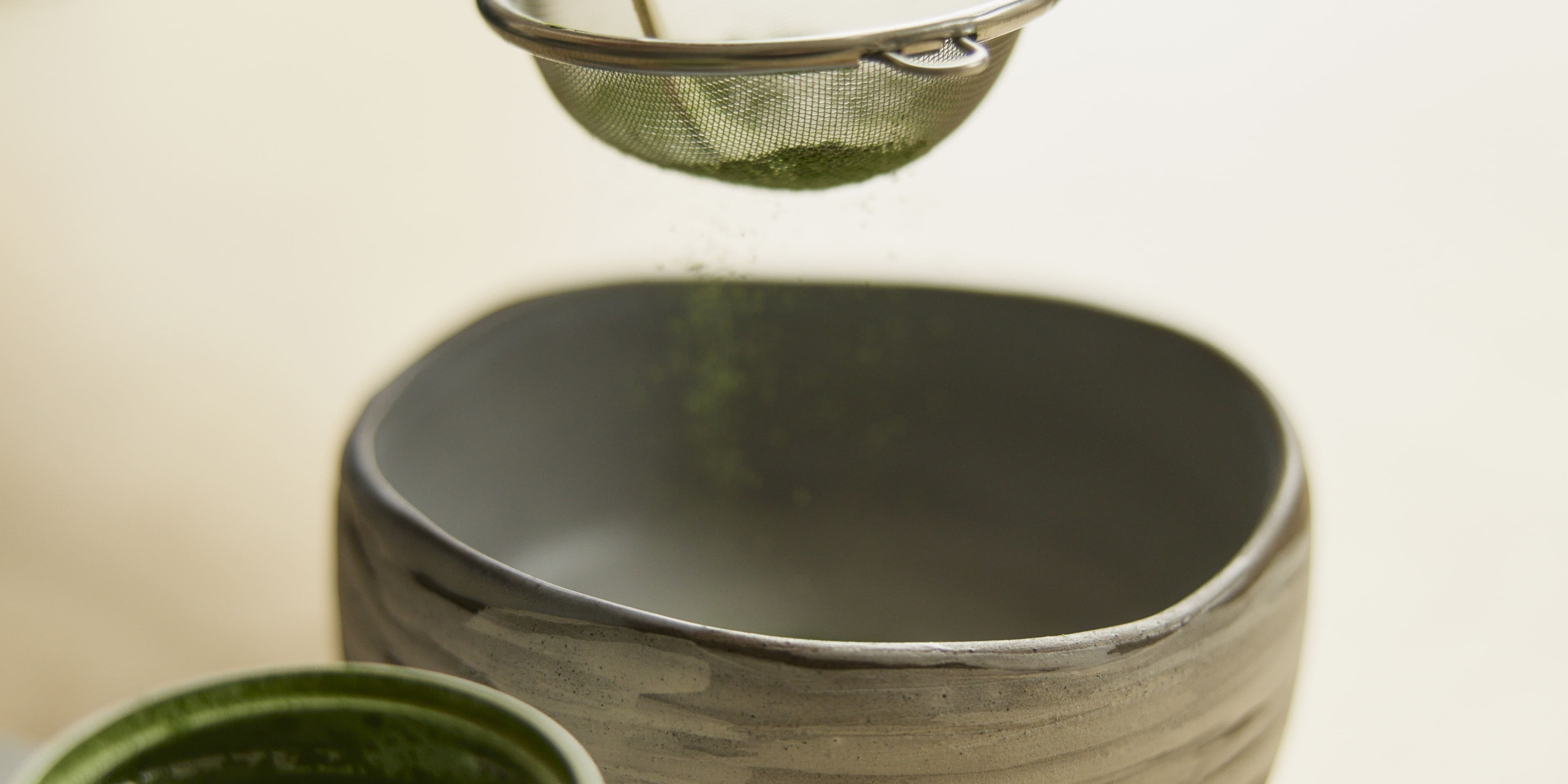
Sieve 1.5-2 g of matcha
Matcha Latte
- Add 30 g of water 60-80°C
- Using a W-like motion, beat Chasen with a bamboo whisk for 40 seconds until fluffy
- Use 150-200 ml of warm or cool alternative milk (or even fresh or tonic)
- If desired, you can add maple syrup, honey or collagen
For a traditional match
Or as it is customary to call Usucha - fine tea:
- Add 60-90 g of water 60-70°C
- Using a W-like motion, beat Chasen with a bamboo whisk for 40 seconds until fluffy
- Avoid strong pressure with the tip on the bottom of the bowl
- At the end, slow down by popping the big bubbles
Professional level
Try Koicha - thick tea:
- For 4 g of matcha, add 30-40 g of water below 60°C.
- Using slow, gentle movements reminiscent of a figure eight, gently rub the Chasen with a bamboo whisk for 2-3 minutes until a gentle, uniform texture
- Use Chasen carefully so as not to damage it, or we can recommend Fugetsu Resin Chasen
- After the formation of a jelly texture, the drink is ready. Enjoy without hurrying.

