

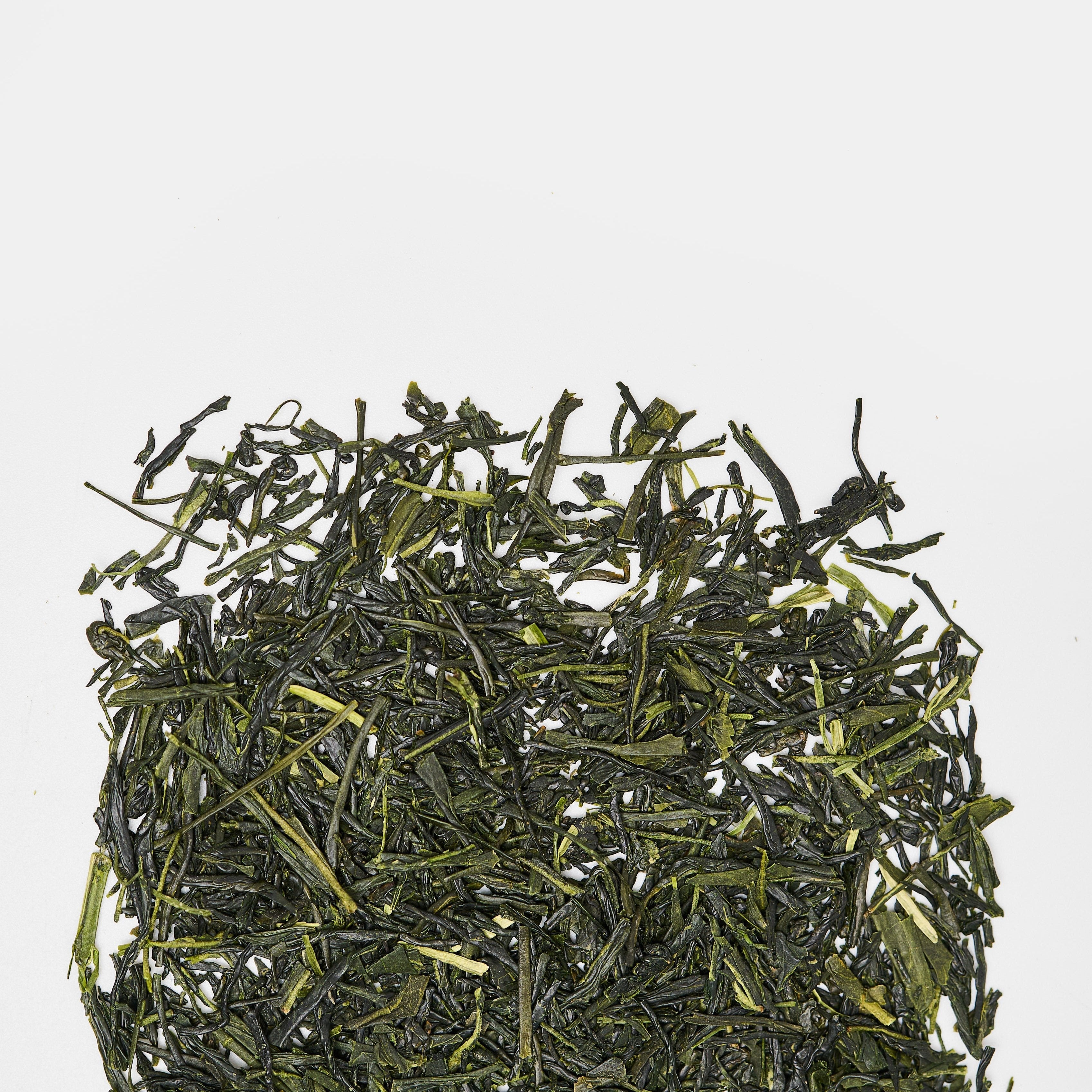
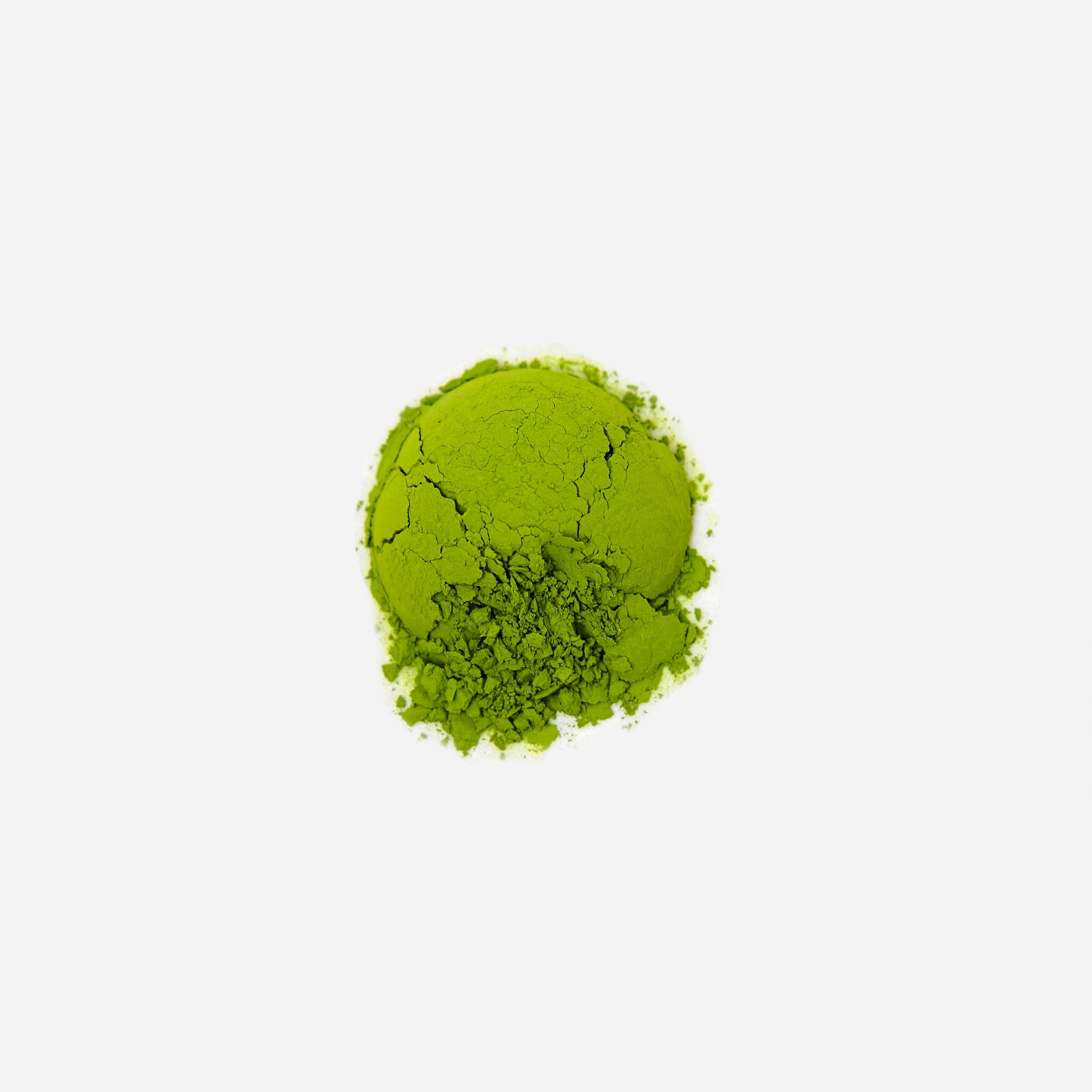
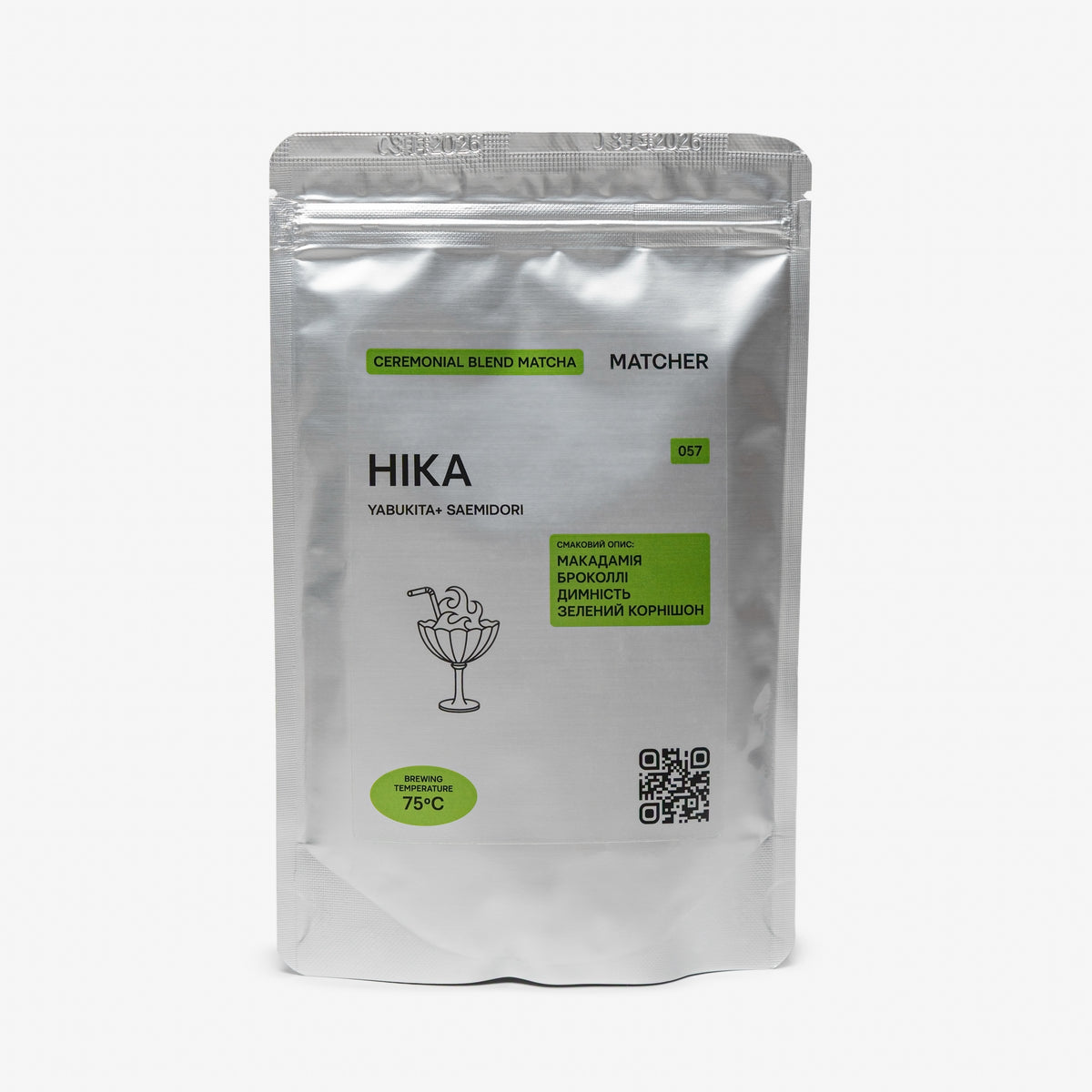

057 Hika Ceremonial Matcha Blend
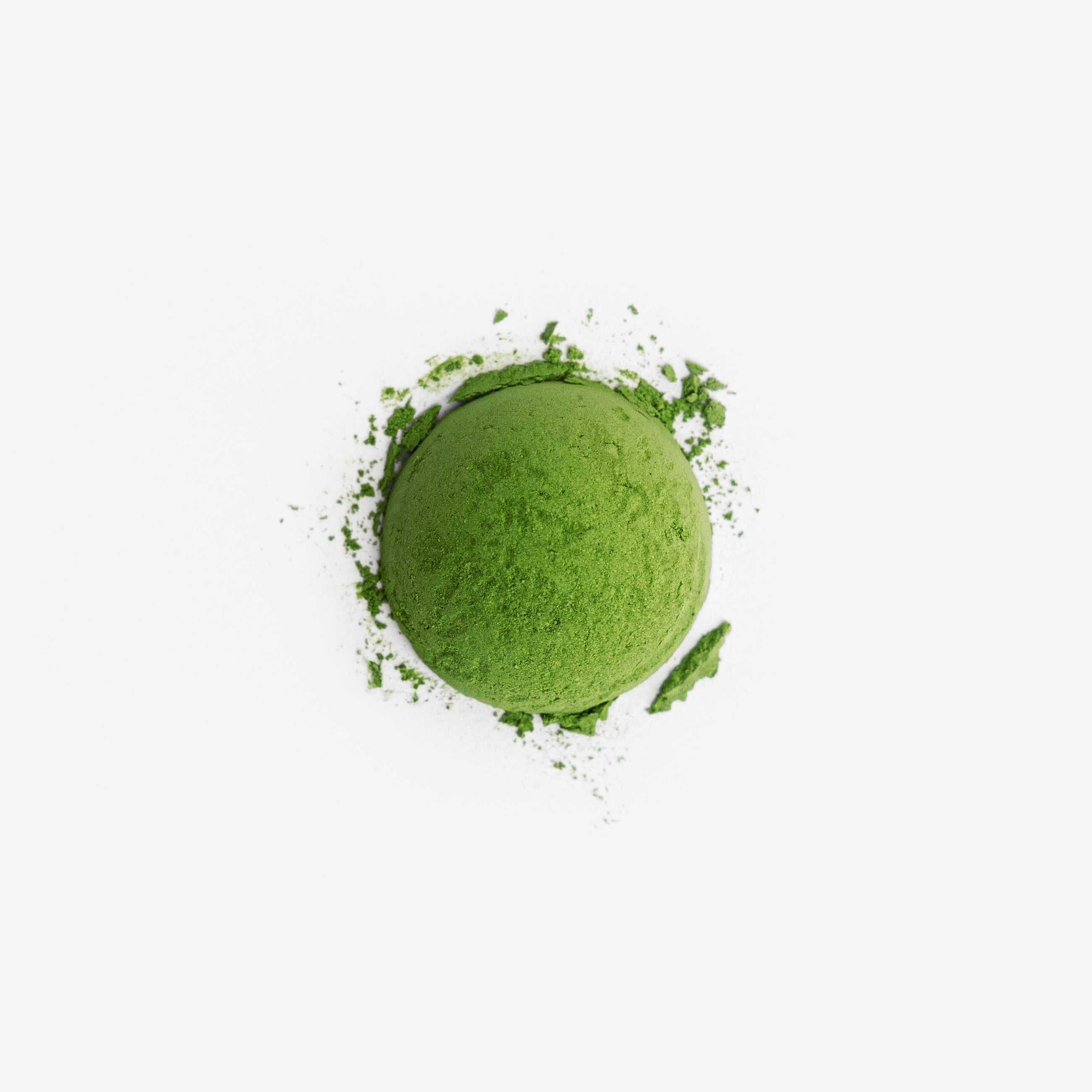
Hika Matcha (光火 or 日香) is named for its fiery aroma, which the tea master has fully infused into the tea’s flavor profile with a hint of light fire—perfect for cocktails, lattes, or a classic usucha preparation.
Hika speaks to aesthetic precision and flavor from the respected Maruyasu workshop, combining two Japanese tea cultivars into a harmonious blend that reveals delicate umami from Saemidori and a texturally rich body from Yabukita.
Saemidori (さえみど) — a hybrid of Yabukita × Asatsuyu introduced in 1990. It has a higher L-theanine content that creates natural sweetness, deep umami, and minimal bitterness.
Yabukita (やぶきた) — accounts for 75% of all tea plantations in Japan. It has a clean, vegetable-fruity taste with distinct astringency. Its role in the blend: adds texture and clarity.
Saemidori (さえみどри) – a hybrid of Yabukita × Asatsuyu since 1990. Higher L-theanine content, creating natural sweetness, deep umami, and minimal bitterness. Yabukita (やぶきた) – 75% of all plantations in Japan. Clean, vegetal taste, velvety, with moderate astringency. Role in blend: adds texture and purity.
𖡡 Shiga, Japan Yasuharu Maeno
- Store your matcha in a cool, dark place
- Avoid temperature changes and condensation
- Store in a sealed environment, away from light
- Try to "squeeze" excess air out of the package before closing
- We advise you to consume the tea within 28 days after opening
Freshness is the key to taste and quality
Learn more about tea storage

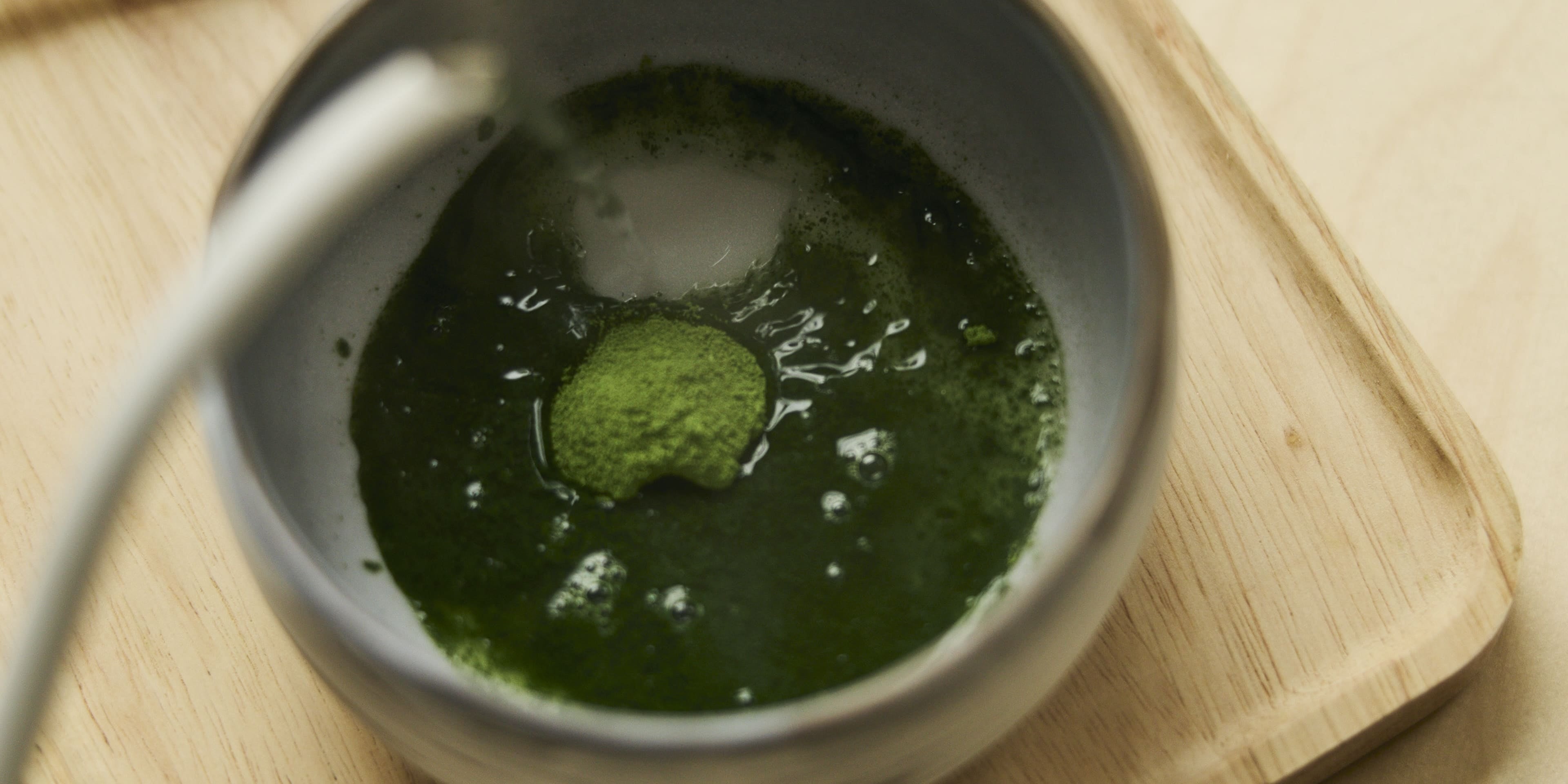
Matcha Latte
- Add 30 g of water 60-80°C
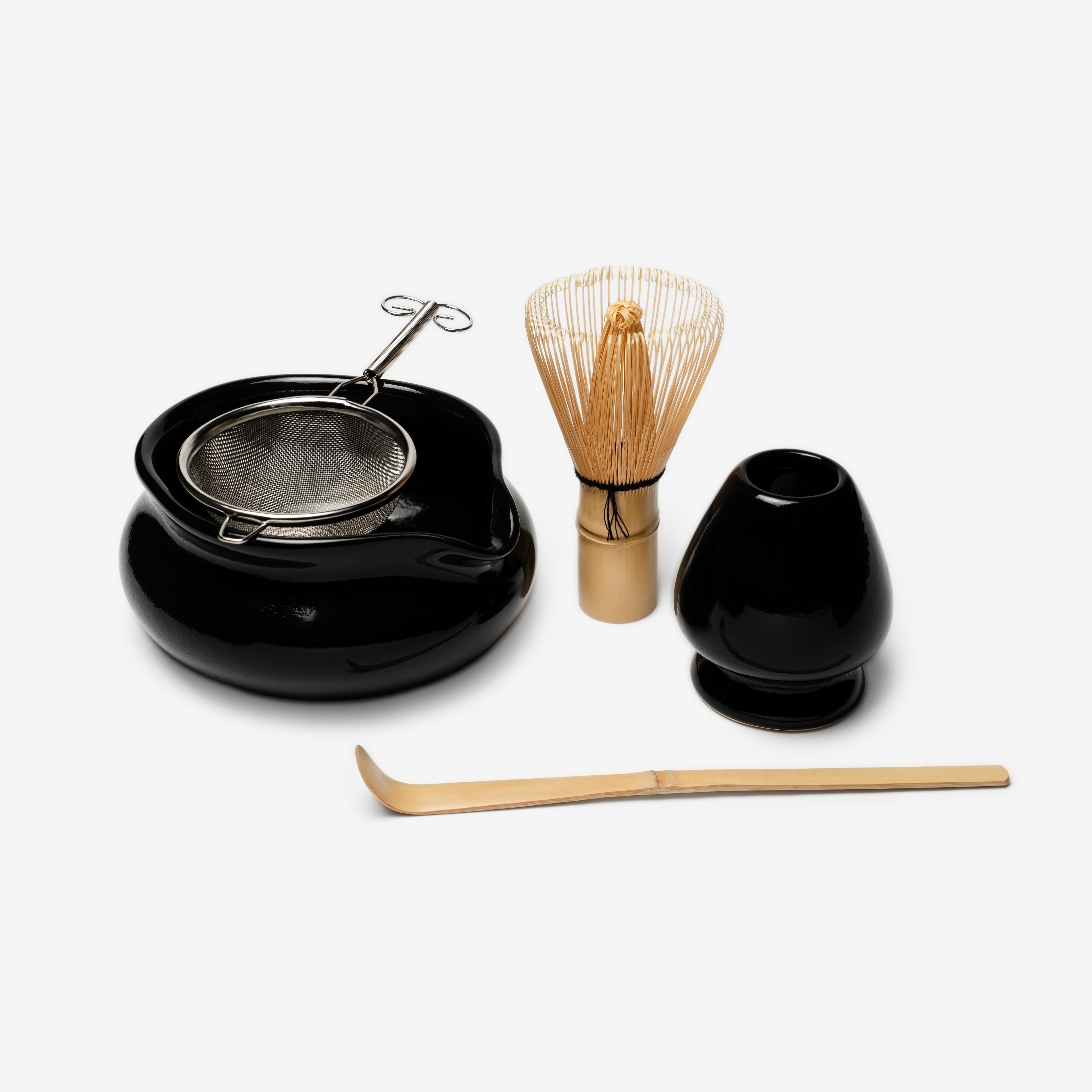
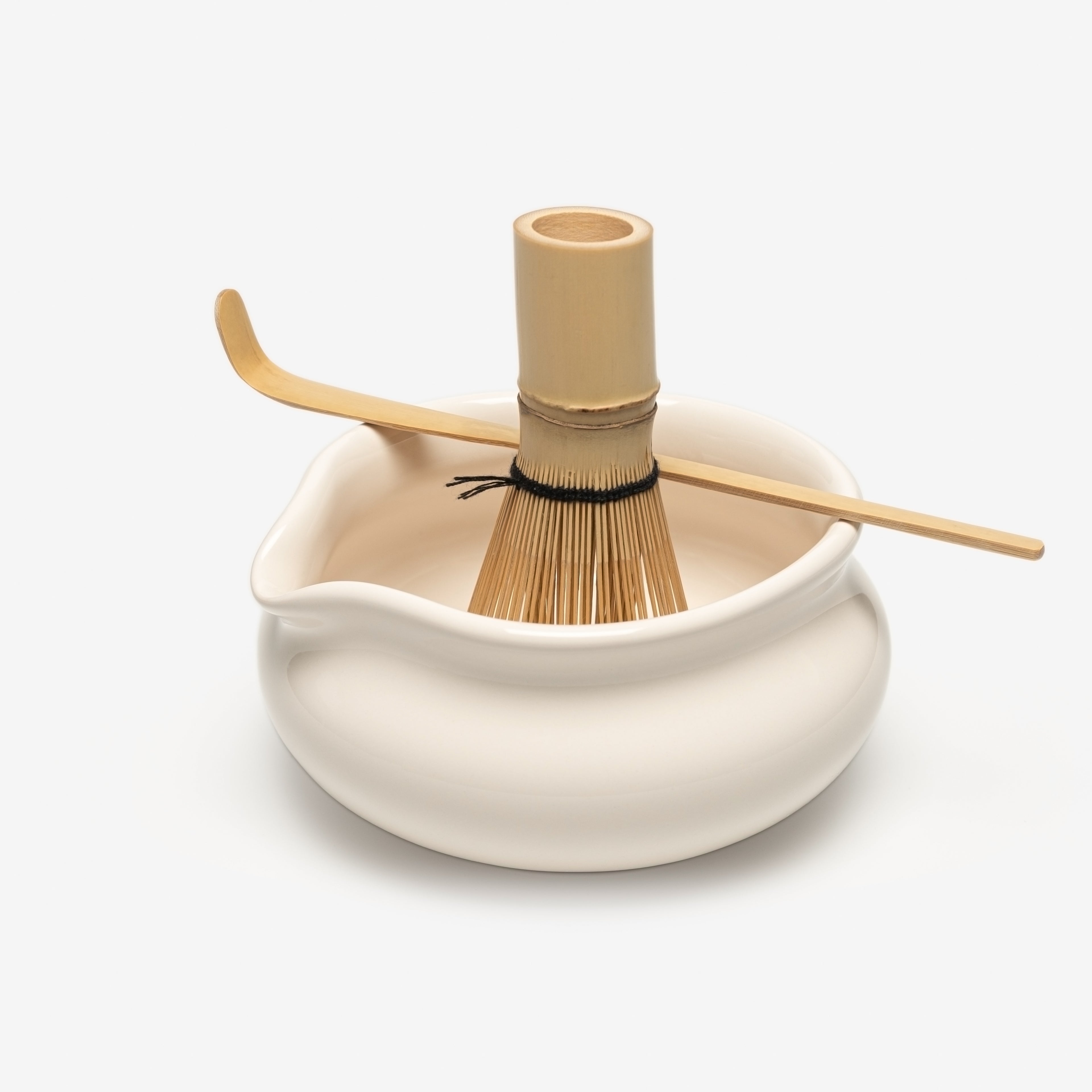
- Using a W-like motion, beat Chasen with a bamboo whisk for 40 seconds until fluffy
- Use 150-200 ml of warm or cool alternative milk (or even fresh or tonic)
- If desired, you can add maple syrup, honey or collagen
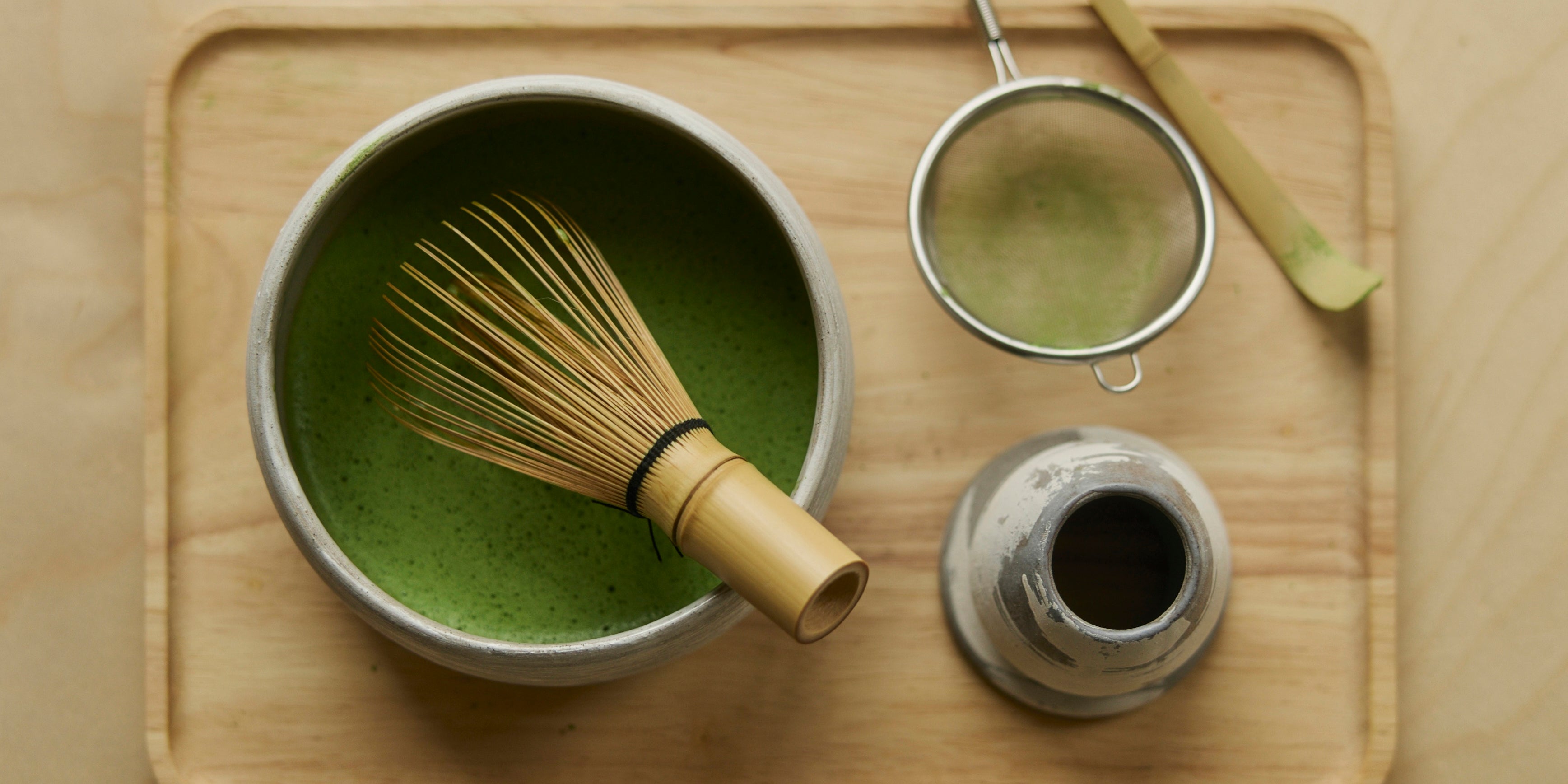
For a traditional match
Or as it is customary to call Usucha - fine tea:
- Add 60-90 g of water 60-70°C
- Using a W-like motion, beat Chasen with a bamboo whisk for 40 seconds until fluffy
- Avoid strong pressure with the tip on the bottom of the bowl
- At the end, slow down by popping the big bubbles
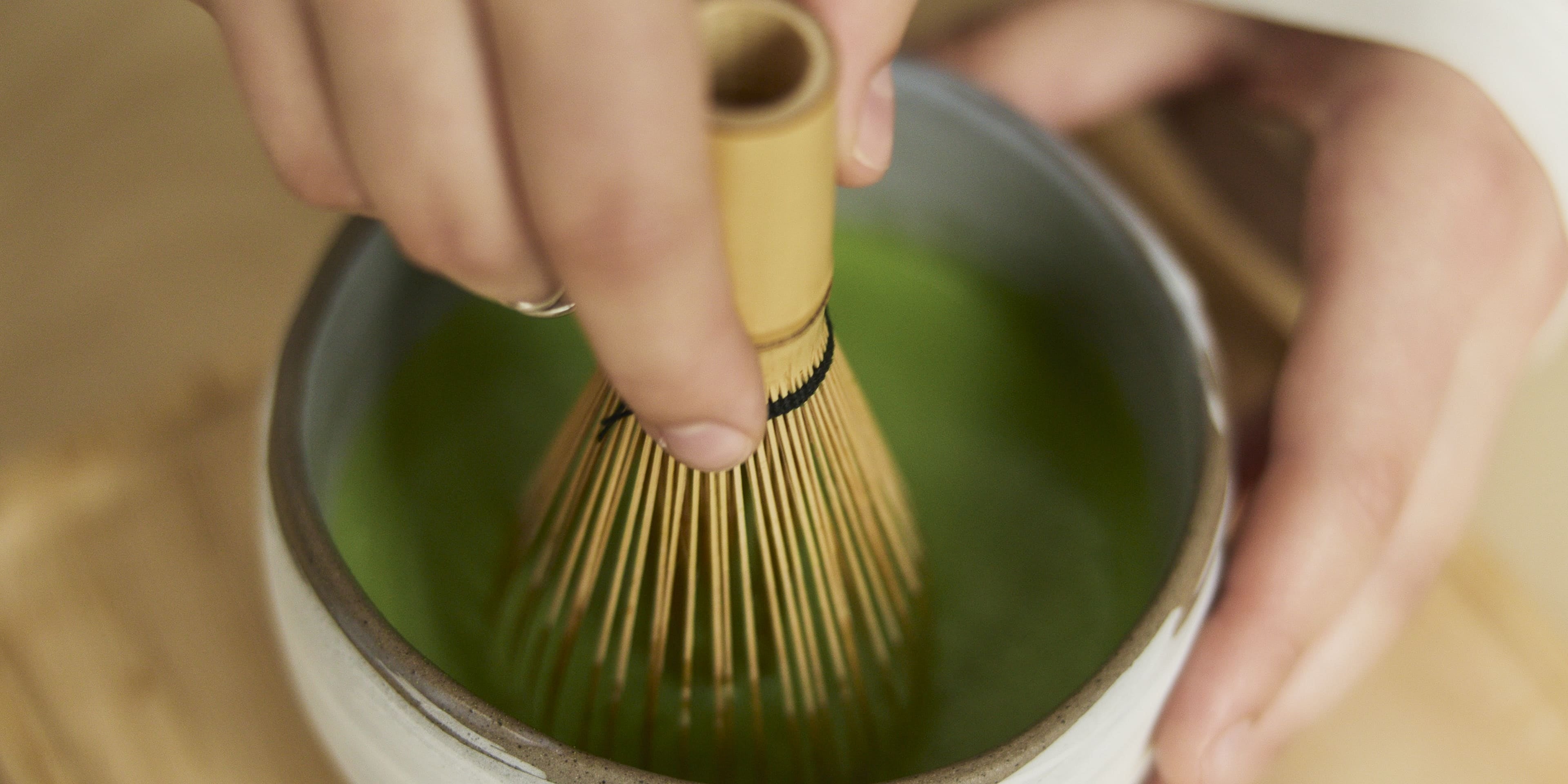
Professional level
Try Koicha - thick tea:
- For 4 g of matcha, add 30-40 g of water below 60°C.
- Using slow, gentle movements reminiscent of a figure eight, gently rub the Chasen with a bamboo whisk for 2-3 minutes until a gentle, uniform texture
- Use Chasen carefully so as not to damage it, or we can recommend Fugetsu Resin Chasen
- After the formation of a jelly texture, the drink is ready. Enjoy without hurrying.
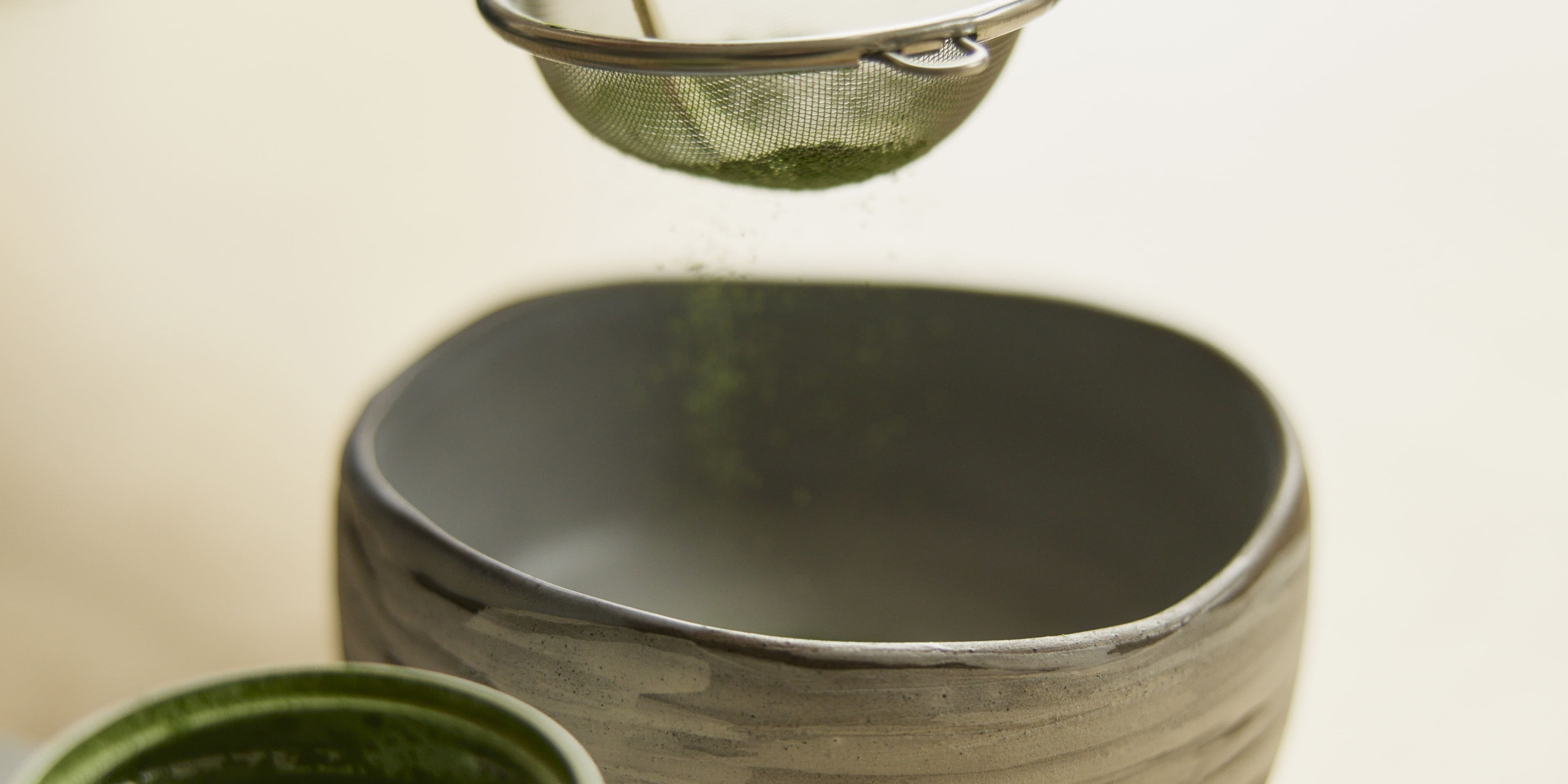
Sieve 1.5-2 g of matcha
Matcha Latte
- Add 30 g of water 60-80°C
- Using a W-like motion, beat Chasen with a bamboo whisk for 40 seconds until fluffy
- Use 150-200 ml of warm or cool alternative milk (or even fresh or tonic)
- If desired, you can add maple syrup, honey or collagen
For a traditional match
Or as it is customary to call Usucha - fine tea:
- Add 60-90 g of water 60-70°C
- Using a W-like motion, beat Chasen with a bamboo whisk for 40 seconds until fluffy
- Avoid strong pressure with the tip on the bottom of the bowl
- At the end, slow down by popping the big bubbles
Professional level
Try Koicha - thick tea:
- For 4 g of matcha, add 30-40 g of water below 60°C.
- Using slow, gentle movements reminiscent of a figure eight, gently rub the Chasen with a bamboo whisk for 2-3 minutes until a gentle, uniform texture
- Use Chasen carefully so as not to damage it, or we can recommend Fugetsu Resin Chasen
- After the formation of a jelly texture, the drink is ready. Enjoy without hurrying.

