








Many of us experience a drop in energy in spring. The main reason, according to many, is vitamin deficiency, but in reality, it's not that simple, and there are many more causes.
We invited expert nutritionist Anna Kaninska to delve into what lies behind spring fatigue and how to regain stable energy and feel better. In our article, Anna shared her approach to a spring plate and three ideas for balanced plates for a daily menu.

Why do we feel tired in spring?
Changing seasons is a serious challenge for the body. After winter, when the diet consisted of heavy, hearty food and activity levels were minimal, it is very natural to feel exhausted in spring.
1. Hormonal fluctuations
The first warm rays bring a smile and activate serotonin production – the happiness hormone. But at the same time, melatonin levels – the sleep hormone – decrease. This happens due to the increase in daylight hours: the body receives fewer signals for rest, disrupting circadian rhythms. The result is emotional instability, irritability, shallow sleep, and general fatigue.
2. Spring avitaminosis
After a long winter period, the body often lacks vitamins C and D, as well as magnesium and iron. This directly affects immunity, concentration, skin condition, and energy levels.
3. Temperature and atmospheric pressure changes
Sudden weather changes can cause headaches, weakness, mood swings, and sleep disturbances. All of these also contribute to feelings of exhaustion.
Basic principles of spring nutrition
In spring, our diet should perform three main functions:
-
cleanse the body,
-
saturate with vitamins,
-
help adapt to seasonal changes.
To achieve this, and at the same time stabilize your mood and feel lightness in your body, you should adhere to a few simple but effective dietary principles:
1. Add more greens and seasonal vegetables
Spinach, arugula, dill, parsley, green onions – all these products are rich in vitamins, minerals, and antioxidants. They support the body's natural balance, promote cell renewal, and strengthen immunity.
2. Choose light but balanced meals
Spring is not a time for overeating. Give up heavy, fried, and fatty foods. Instead, prefer stewed, baked, or boiled dishes. Light food is better absorbed, does not overload digestion, and helps maintain energy throughout the day.
3. Support natural detox
Vegetables, greens, fiber-rich foods, and whole grains – all this contributes to cleansing the body, improving bowel function, and restoring metabolic balance.
4. Limit simple carbohydrates
Sugar, white flour, sweets, and pastries cause sharp fluctuations in blood glucose levels, leading to energy dips and fatigue. It is better to replace them with complete sources of carbohydrates: legumes, nuts, seeds, whole grains.
Why is it important to eat seasonal products?
1. More benefits for the body
In-season produce has more vitamins and does not require chemical treatment. For example, early berries are rich in antioxidants that slow down cell aging.
2. Better absorption
Seasonal vegetables and fruits meet the body's needs at a specific time of year – they are easier to digest and nourish the body more effectively.
3. Restore nutrient balance
Spinach, radishes, young cabbage, and strawberries are natural sources of iron, magnesium, vitamin C, and other micronutrients that are so needed after winter.
TOP-6 spring foods for energy
1. Greens (spinach, parsley, arugula)
Rich in vitamins A, C, K, calcium, and iron. Strengthens the immune system, supports hematopoiesis, has an antioxidant effect, and promotes cell renewal.
2. Young vegetables (radishes, cabbage, carrots)
Contribute to the natural cleansing of the body, improve digestion, help remove excess fluid, and reduce swelling.
3. Berries (strawberries, blueberries, currants)
Contain flavonoids and powerful antioxidants. Support vascular health, improve metabolism, and slow down cell aging.
4. Fermented foods (yogurt, kimchi, sauerkraut)
Have a probiotic effect. Support healthy gut microflora, which positively affects digestion, immunity, and nutrient absorption.
5. Light protein sources (fish, eggs, legumes)
Saturate the body with amino acids necessary for muscle strength, stable energy levels, and healthy nervous system function.
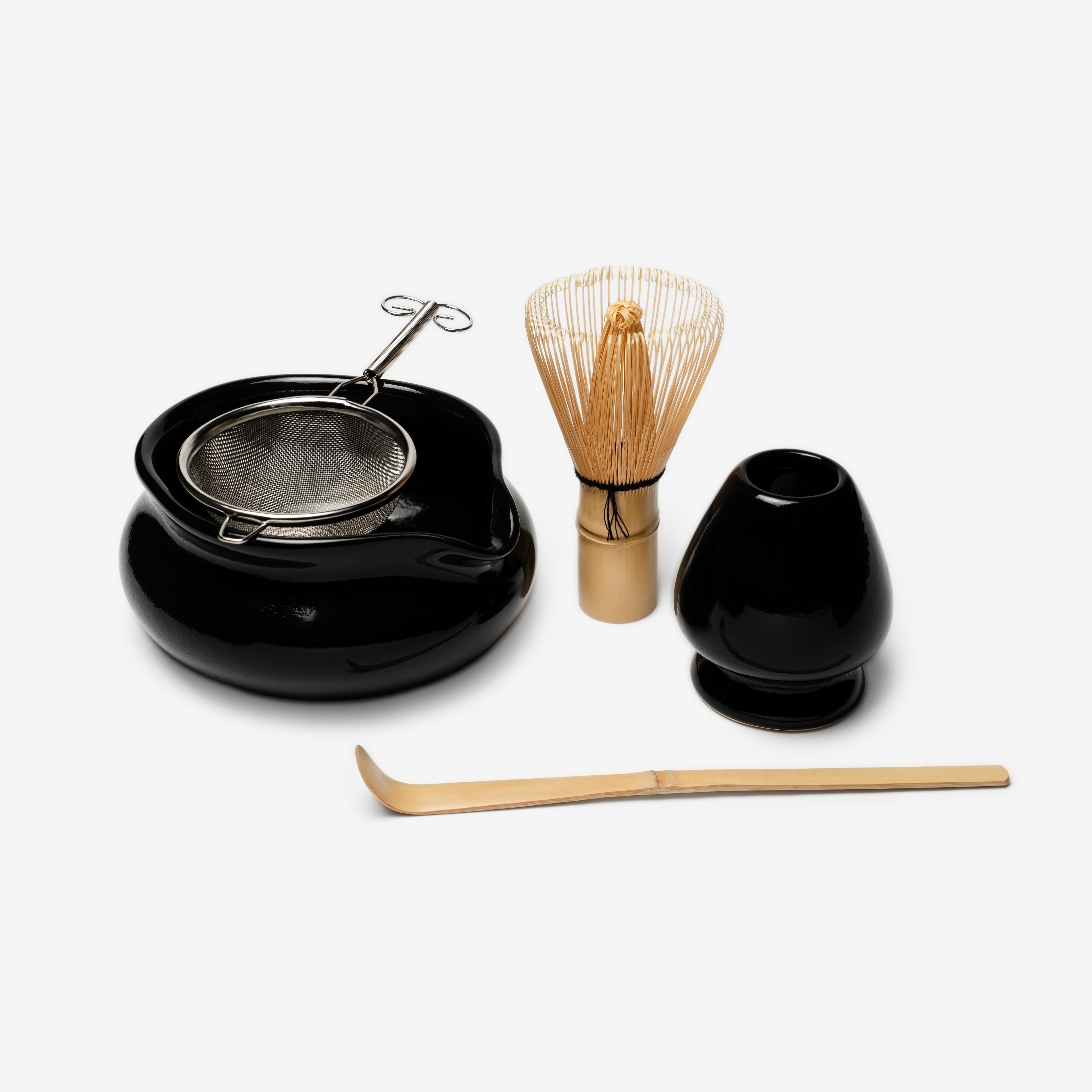
6. Green matcha tea (spring harvest)
Contains natural antioxidants, caffeine, and L-theanine – a combination that provides a slow and stable release of energy throughout the day without sharp fluctuations.
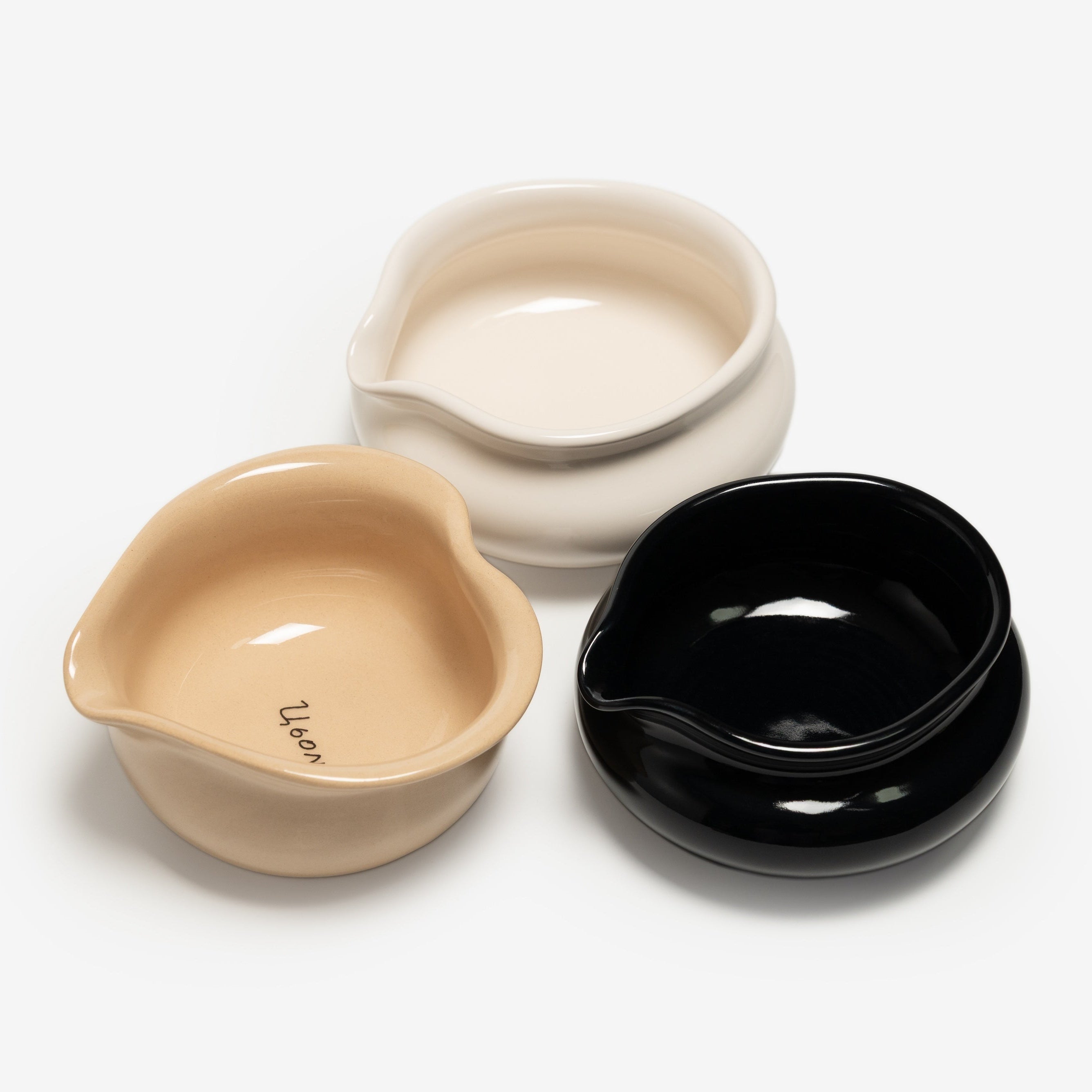
Matcha not only supports the body but also creates a gentle self-care ritual.
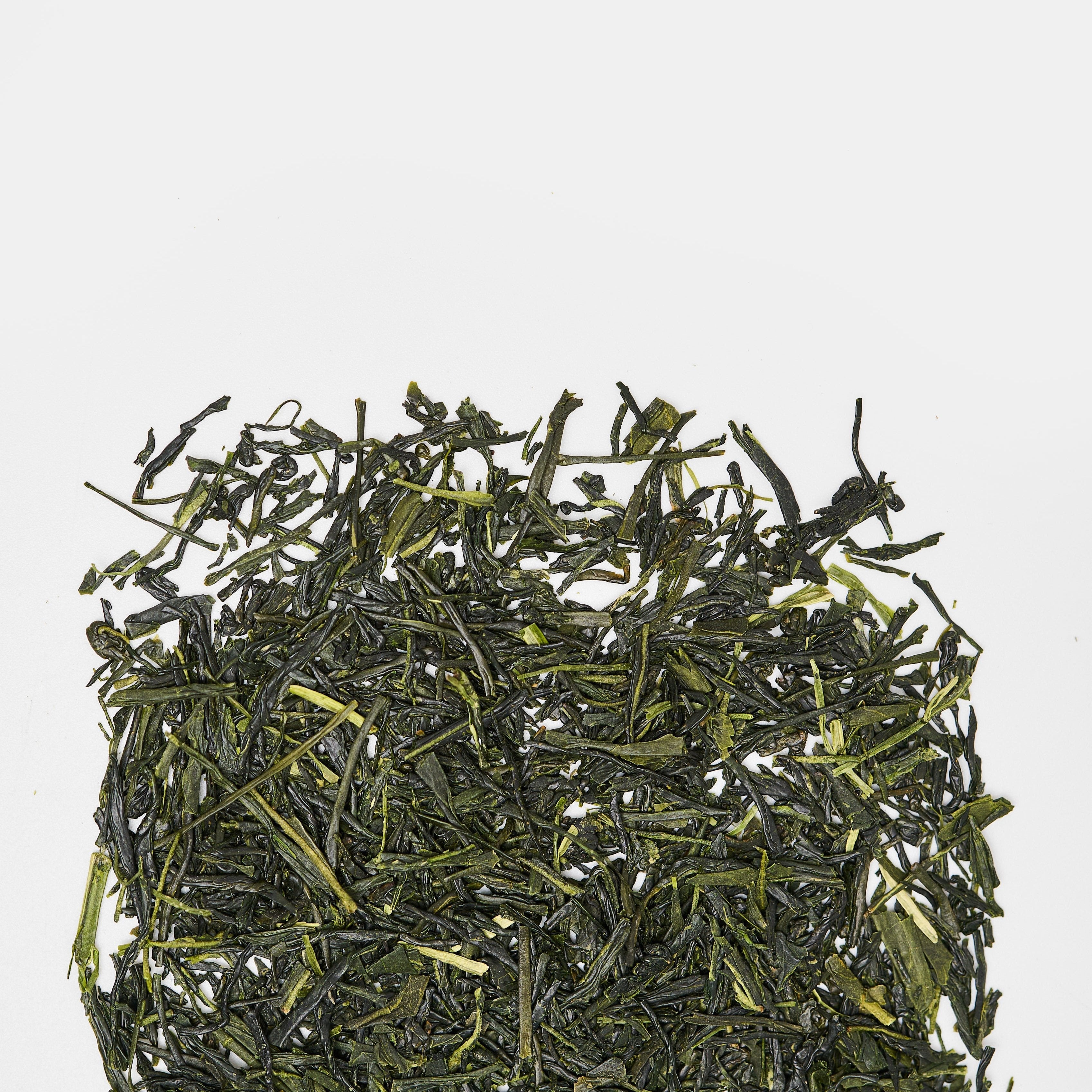
☘️ Discover our collection of elite Japanese varieties – we have gathered them especially for an inspired spring: https://matcher.store/collections/matcha-usucha
Examples of balanced spring dishes
🌞 Spring breakfast: omelet with greens and avocado
A hearty yet light start to the day that maintains stable blood sugar levels, provides long-lasting energy, and nourishes the brain with healthy fats.
Ingredients:
– eggs — a source of complete protein
– spinach and green onions — iron, folic acid, B vitamins
– avocado — healthy fats for brain and hormonal balance
– rye toast — slow carbohydrates that satisfy for a long time
– ginger tea — stimulates immunity and digestion
🌿 Spring lunch: quinoa salad with asparagus and fish
An easily digestible, nutritious salad that provides the body with protein, omega-3 fatty acids, and fiber.
Ingredients:
– quinoa — a source of plant protein and slow carbohydrates
– asparagus and radishes — vitamins, fiber, natural detox
– baked salmon — omega-3, protein, vitamin D
– olive oil — antioxidants and healthy fats
🌙 Spring dinner: cream of broccoli and quinoa soup
A light dinner that does not overload the gastrointestinal tract, promotes peaceful sleep, and restores the nervous system.
Ingredients:
– broccoli — antioxidants, vitamin K, fiber
– potatoes — a natural source of energy without glucose spikes
– quinoa — protein and magnesium for muscle recovery
– pumpkin seeds — zinc and magnesium for nervous stability
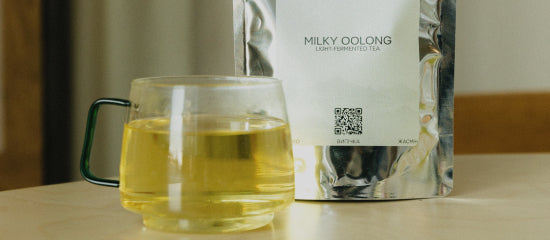
Spring nutrition is not about restrictions, but about self-care. By choosing seasonal products, greens, fermented foods, light protein, and beneficial beverages – such as matcha or high-quality loose leaf tea — you help your body renew itself after winter, maintain energy levels, and improve your well-being.
If you want to get a personalized spring nutrition plan that meets your needs, Anna will help you create a balanced spring menu that will give you health and vigor.
In our blog, you will find even more useful materials about healthy eating, seasonal products, and how to support yourself without strict diets. And also – learn more about real Japanese matcha tea and loose leaf tea from different regions of Japan, which we select with care and knowledge of traditions.
