



History of the Samidori Cultivar
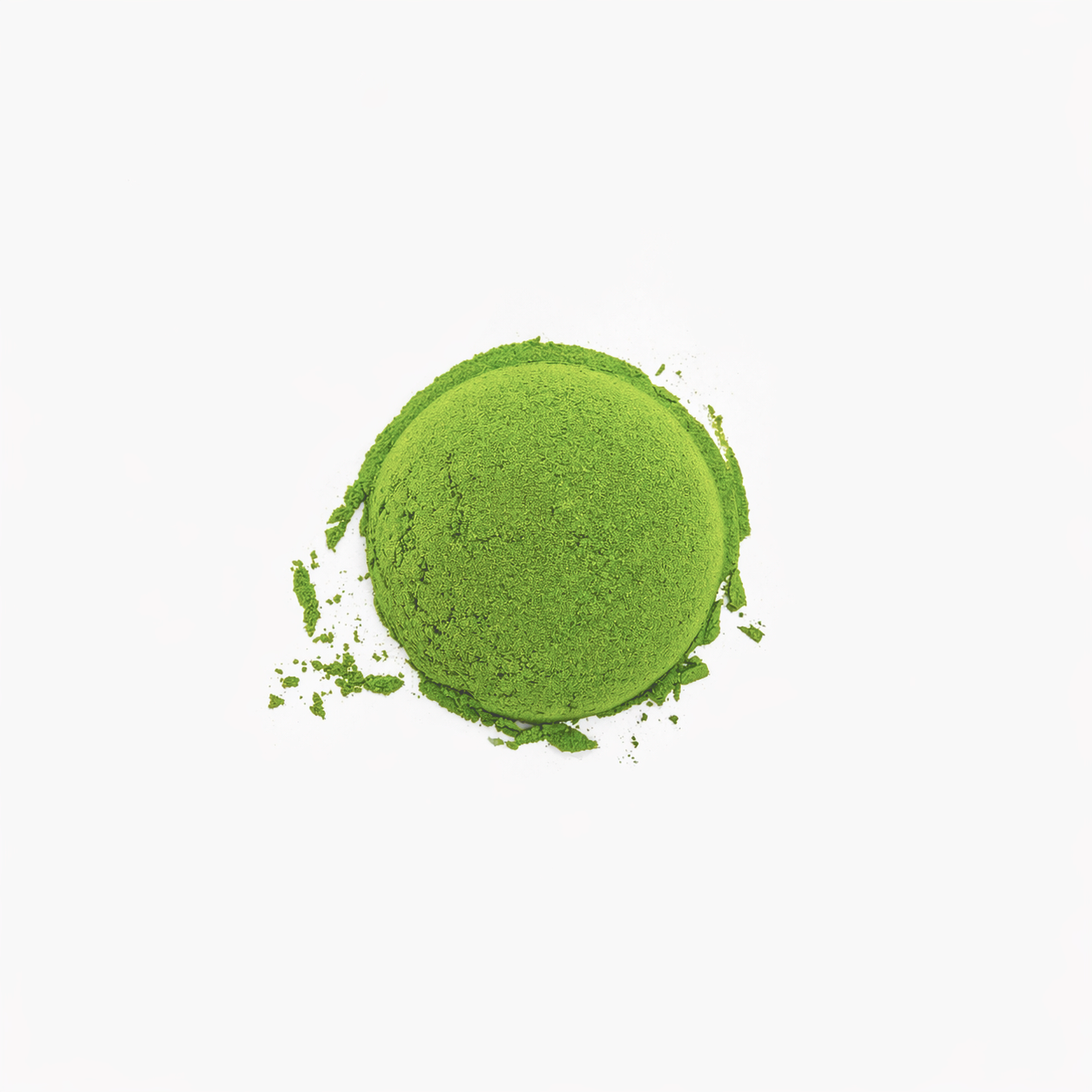
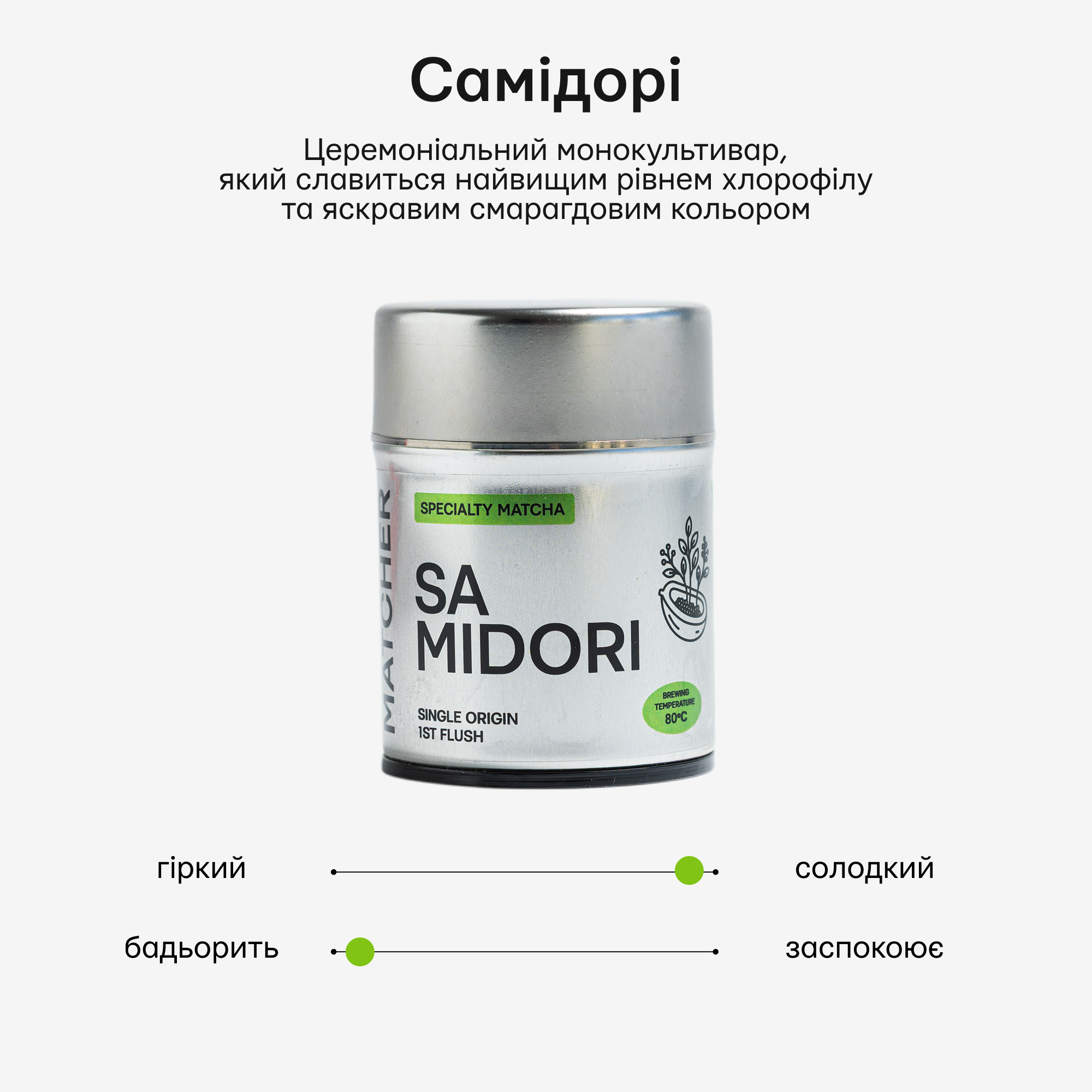
The Samidori cultivar was developed in 1939 in the Uji region, known for its centuries-old tea cultivation tradition. Due to its unique properties, it quickly gained popularity among tea farmers and became the basis for producing premium grades of gyokuro and matcha. Samidori’s distinguishing feature is its delicate, bright green leaves, which give the tea a rich color and deep flavor.
Cultivation Methods
Samidori Matcha from Nagatani Tea Factory is grown using traditional shading techniques. 20–30 days before harvest, tea bushes are covered with special nets that reduce access to sunlight. This increases the concentration of amino acids, especially L-theanine, which is responsible for the tea's mild and rich taste. Harvesting is done by hand during the first spring harvest, ensuring that only the best young leaves are selected.
Flavor and Aroma Formation
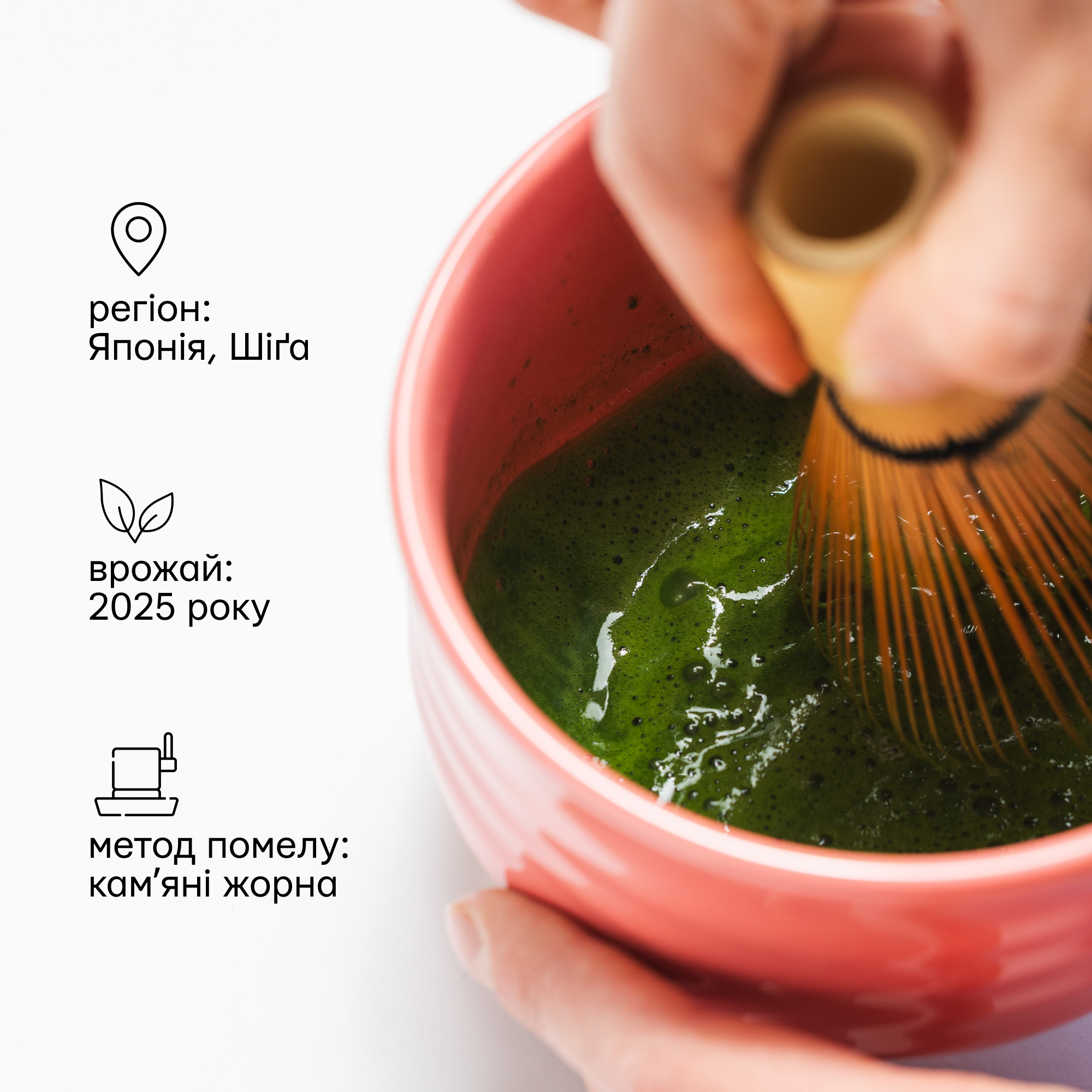
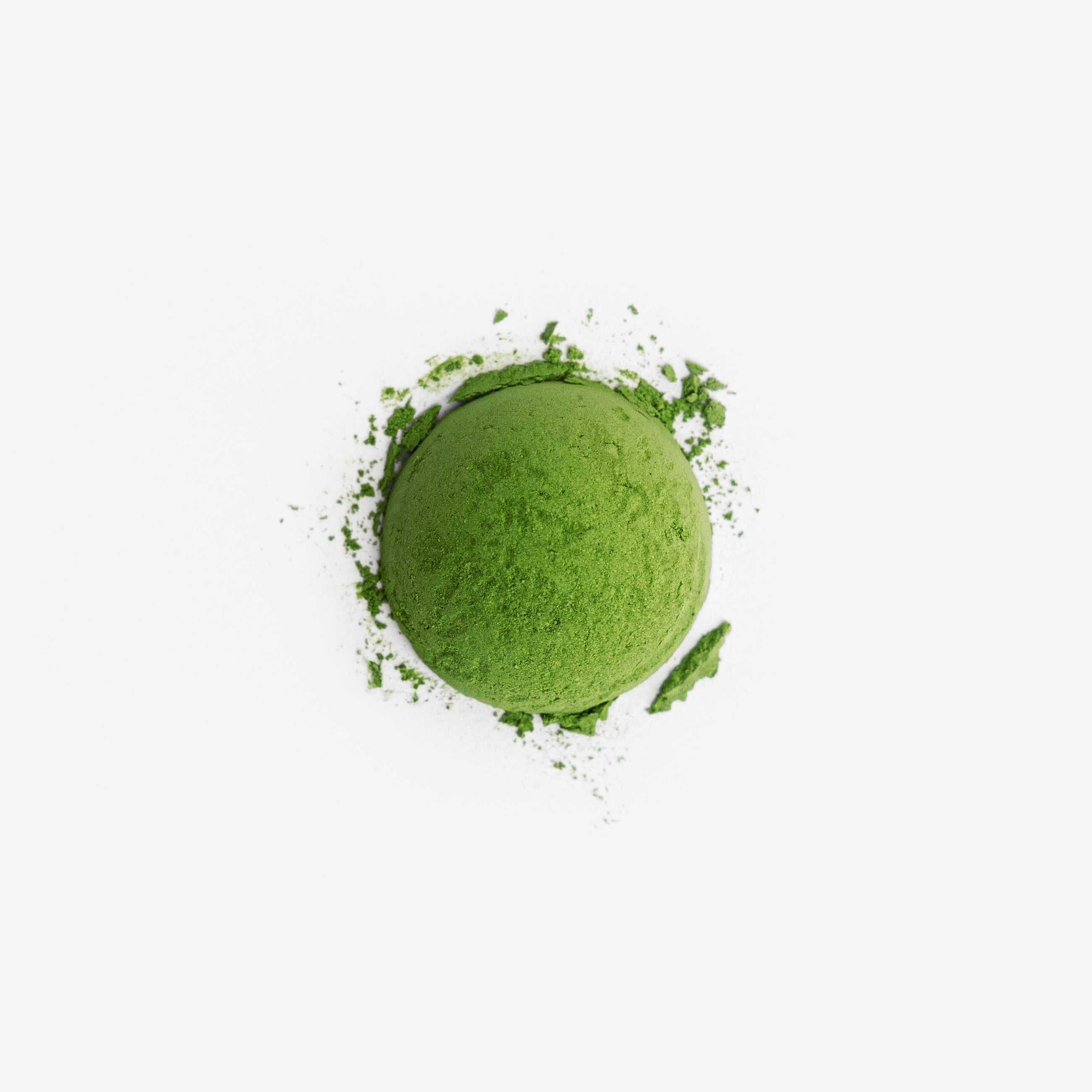
The harvested leaves undergo delicate steaming, drying, and slow grinding on stone mills. This method preserves all the beneficial properties of the tea, giving it an ultra-fine texture and rich flavor. Shading before harvest helps to reduce bitterness, enhance sweetness, and imparts a characteristic grassy aroma to the beverage.
Flavor Profile
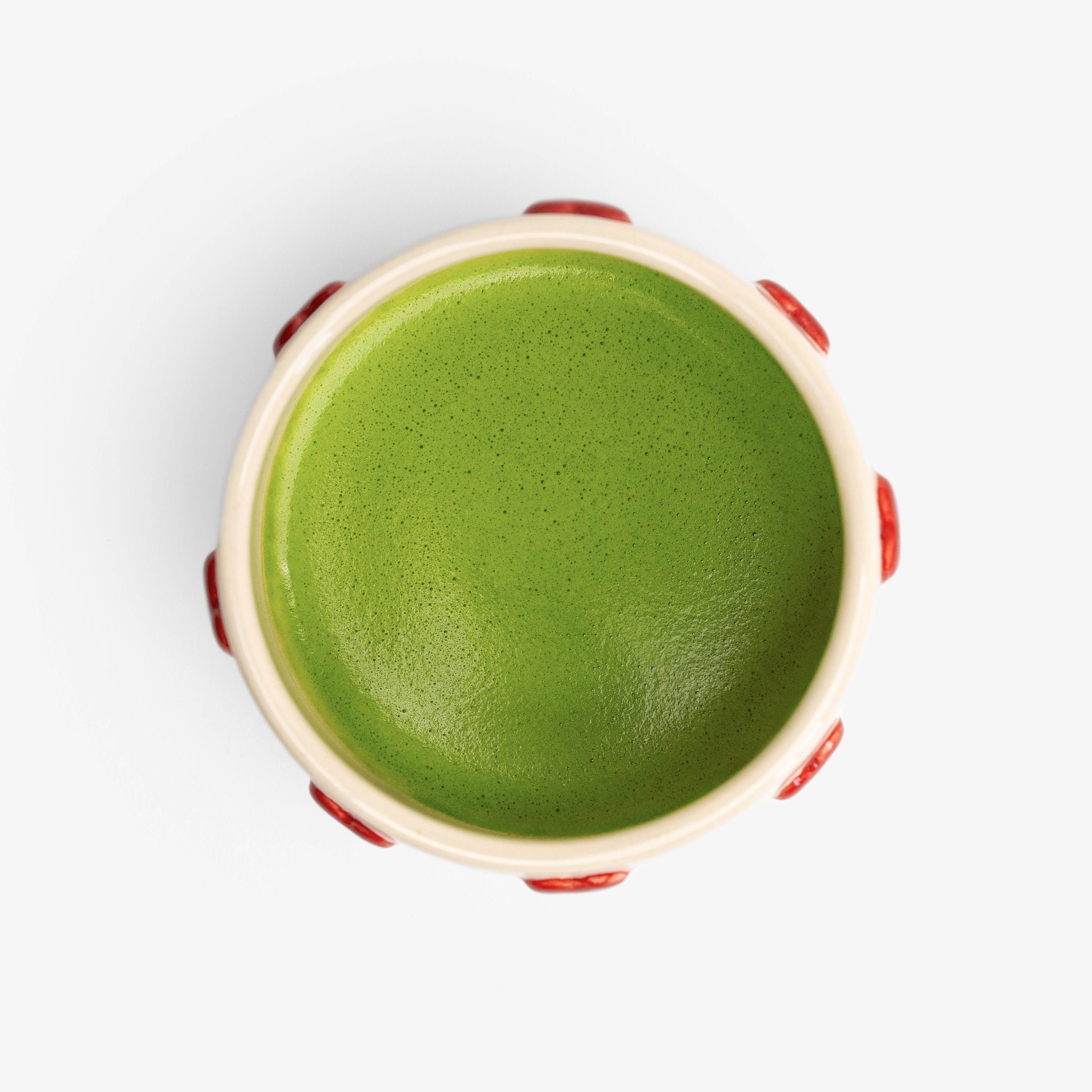
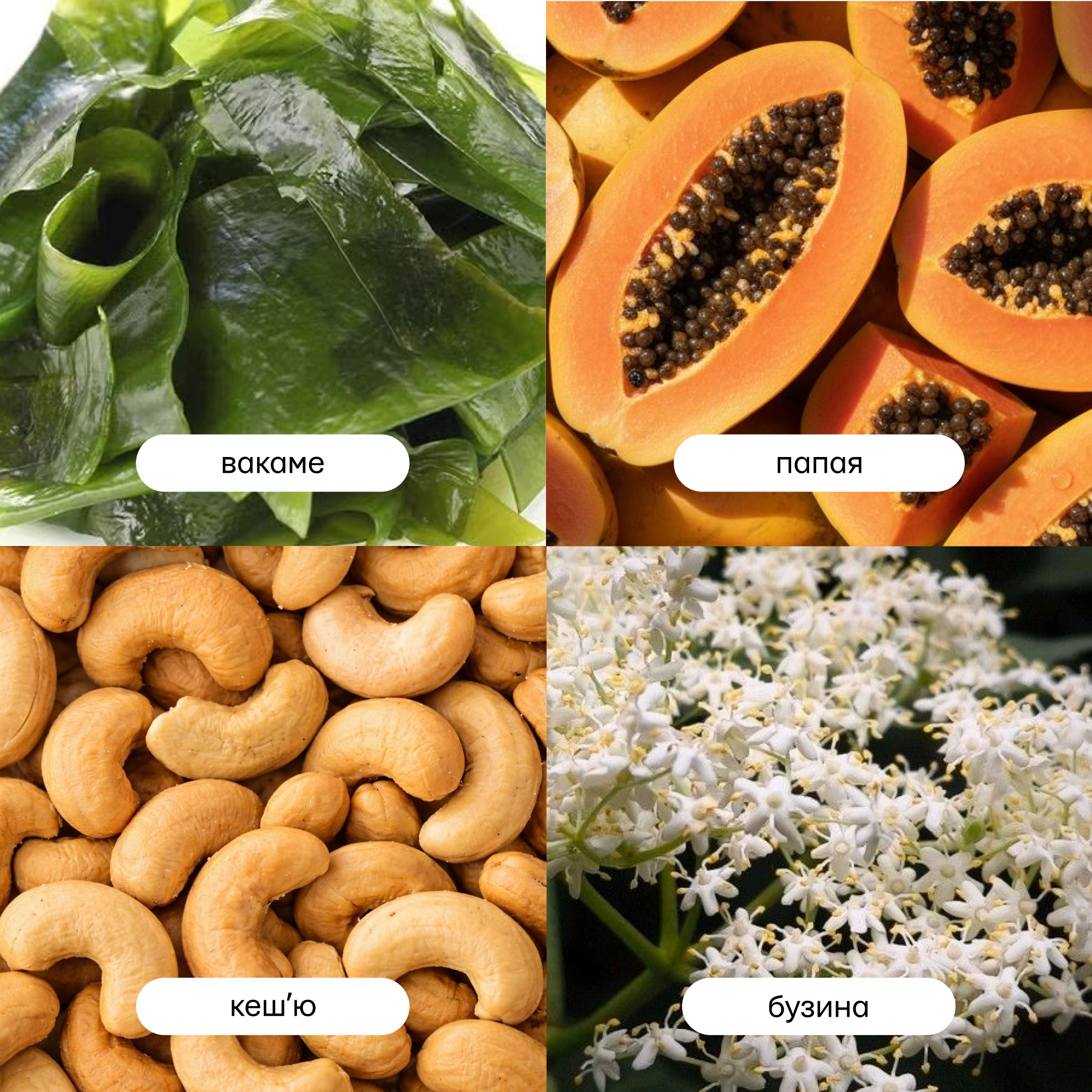
Samidori Matcha has a multifaceted flavor, combining intense umami, natural sweetness, and fresh grassy notes. The aftertaste is soft and long-lasting, with a light creamy texture. Thanks to its high amino acid content, the tea has a delicate creamy consistency and whips beautifully into a thick foam.
Uses and Recommendations
Samidori Matcha is suitable for both traditional tea ceremonies and modern serving options:
- Tea Ceremony: excellent for preparing usucha (thin tea) and koicha (thick tea).
- Culinary Use: adds a refined taste to desserts, ice cream, and chocolate products.
- Matcha Latte: pairs well with milk, creating a delicate, aromatic drink.
- Chilled Beverages: a great choice for preparing matcha lemonade or cocktails.
Samidori Matcha from Nagatani Tea Factory is the embodiment of Japanese tea traditions in every cup. Its rich taste, velvety texture, and vibrant green color make it an ideal choice for those who appreciate the true quality of Japanese tea.