

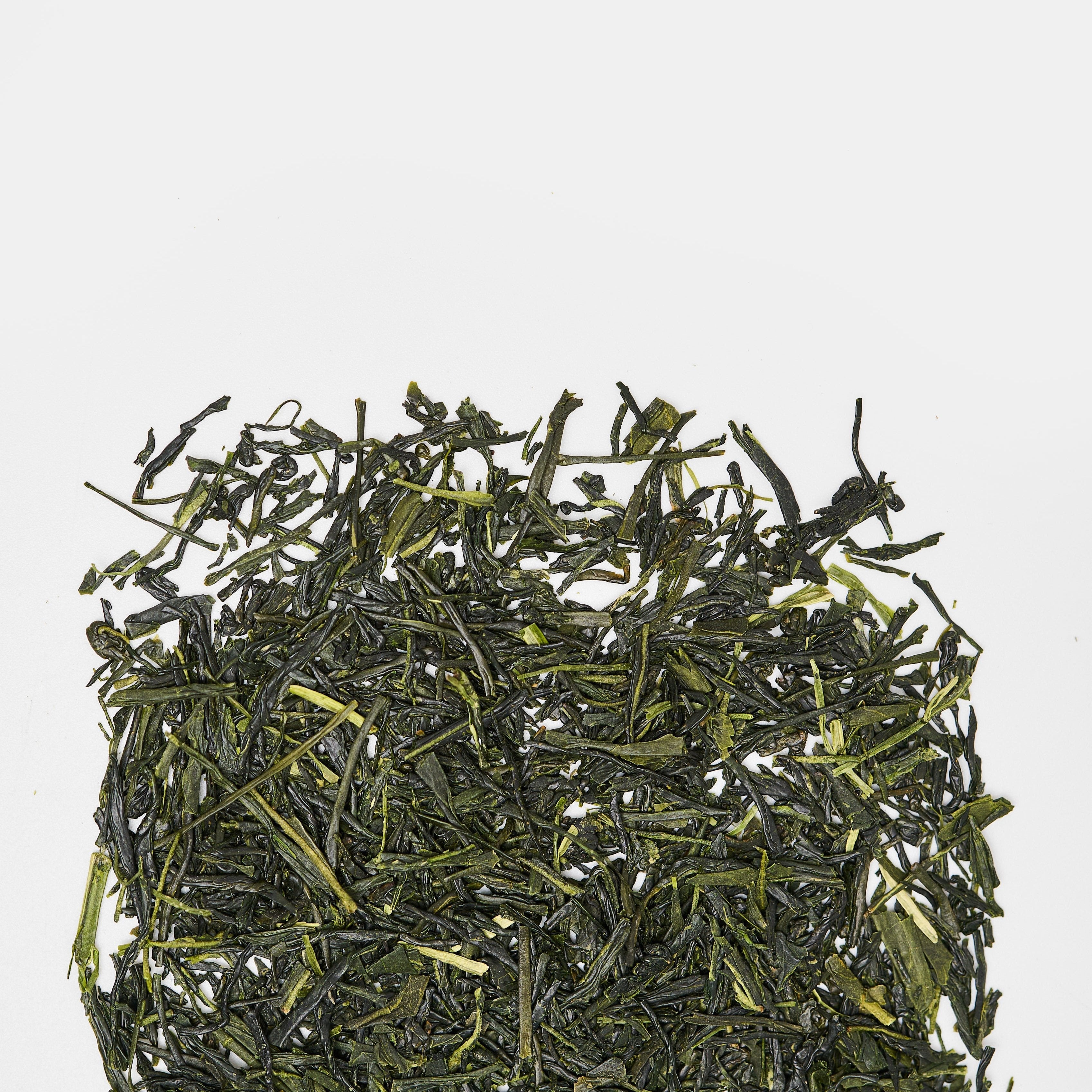


In the very heart of Uji city, next to the tranquil river and temples guarding ancient traditions, Tsujirihei Honten has been operating for over 160 years. This is not just a tea shop or cafe, but a place that preserves the legacy of Japanese tea and introduces new generations to the culture of Uji matcha.
Origins and Founder
The brand's history began in 1860 when entrepreneur Tsuji Sensuke, later known as Rihei, opened his own tea business. This was a time of great change: the Tokugawa shogunate was in decline, and the tea industry was going through difficult times. It was then that Rihei decided to bet on quality and tradition. His pride became Uji Gyokuro, and later – the famous "Daimon" blend.

Rihei's equally important contribution was the invention of the Chabitsu – a metal tea caddy that allowed the aroma and freshness of the leaves to be preserved longer. For its time, this was a real innovation that helped preserve the value of Japanese tea.
The Revival of Uji Tea Culture
In the very heart of Japanese tea culture – the town of Uji – stands the legendary Tsujirihei Honten. For over 160 years, it has not only preserved traditions but also become an important bridge between tea schools and the mainland cults of purity.
The Urasenke Legacy and Connection to Tsujirihei

The Urasenke school is one of the most influential schools of Japanese tea ceremony, rooted in the great masters Sen no Rikyū. In social media publications, Tsujirihei openly mentions the preservation of cultural heritage related to tea schools. In particular, one post reminds that Horai (named by the Omotesenke school) is an analog of Sayaka, named by the Urasenke school. This confirms Tsujirihei's close connection with Urasenke – through participation in ceremonial heritage, even if direct educational programs are not recorded in publicly available sources.
The Most Valuable Tea Cultivars
Tsujirihei works with the most elite cultivars that form the taste and spirit of Uji matcha:
-
Samidori – a classic for tencha: well-balanced, aromatic, rich in umami, and slightly sweet.
-
Okumidori – intense color and deep umami; elegant, with a rich and slightly bitter note, ideal for ceremonial teas.
-
Ujihikari – rare, valued for its bright green color and high-quality taste; often used in premium ceremonial matcha grades.
-
Tenmyō – one of the highest grades of matcha, used in competitions and rituals; in some exclusive Tsujirihei blends, particularly "Uji Mukashi," Tenmyō is combined with Samidori and Okumidori to create a silky and deep flavor profile.
Tsujirihei possesses expertise in combining these cultivars – the result is a unique harmony of taste, aroma, and color.
The Taste of Uji Matcha in a Modern Format

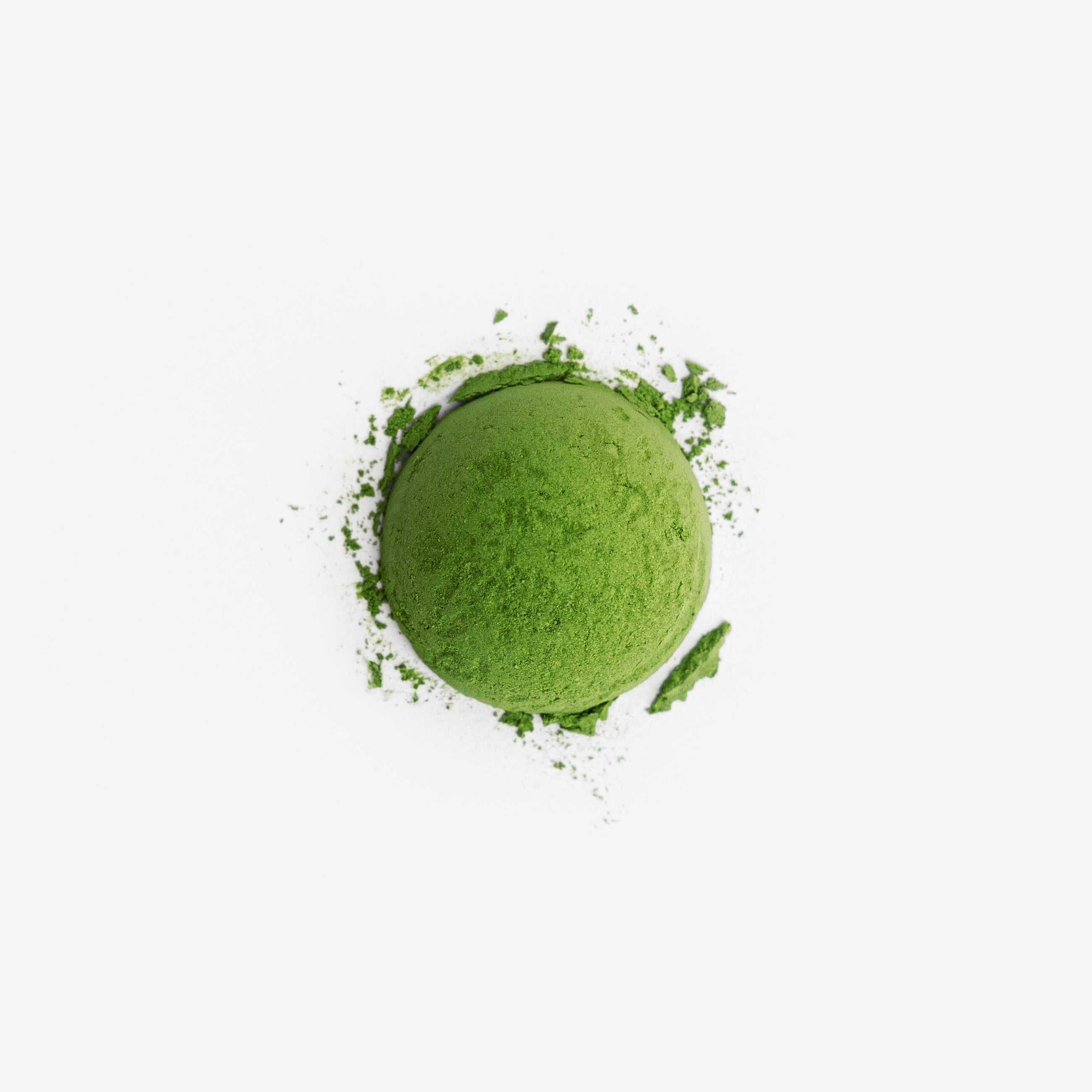
In addition to selling tea, Tsujirihei offers a whole line of desserts and drinks that reveal the taste of matcha in a new way. The menu includes classic matcha parfaits, delicate warabi mochi, chestnut cream cakes, chocolate truffles, and jellies. All desserts are made with authentic Uji matcha, ground on stone mills.

Every detail here is thought out: from traditional presentation to combining ancient techniques with modern culinary ideas. That is why Tsujirihei has become a must-visit for everyone who comes to Kyoto to try the best tea.
A Living Legacy
Today, Tsujirihei Honten is not only a local pride but also a brand known far beyond Japan. It has preserved its soul through fidelity to a simple principle: quality tea is born from care for tradition and the land on which it grows.

Tsujirihei is an example of how history and modernity can be combined. It is a space where every cup of tea has its own story, and every dessert becomes an embodiment of Uji craftsmanship. By visiting this place, you don't just taste tea – you touch a culture that has been formed for centuries.
