




Matcha is winning the hearts of more and more people, and with it, curiosity about how this vibrant green powder is made is growing. Have you ever wondered why some matcha varieties are called "stone-ground," while others are products of a ball mill, or industrial grinding?
At first glance, the method of grinding tea leaves might seem like a minor detail. But in reality, it's the grinding method that affects the taste, aroma, texture, and even the color of your drink. In this article, we will explore the difference between traditional stone-ground matcha (石臼, ishi-usu) and the modern factory ball mill method, and how each reveals itself in the cup.
Traditional Method: Stone-Ground Matcha
Imagine an old Japanese mill with two round stones: the top one slowly rotating over the bottom, grinding dried tencha tea leaves into the finest powder. This is how matcha has been made for centuries. Stone mills (ishi-usu) are traditionally carved from granite – a relatively soft stone that doesn't overheat the tencha during grinding. Slow, even grinding protects the tea from excessive heat, preserving its delicate aroma, bright color, and all beneficial nutrients. The highest grades of matcha are ground precisely this way: approximately 30–40 grams of powder per hour, no more! This is meticulous work that requires patience and skill, but the result is worth it.
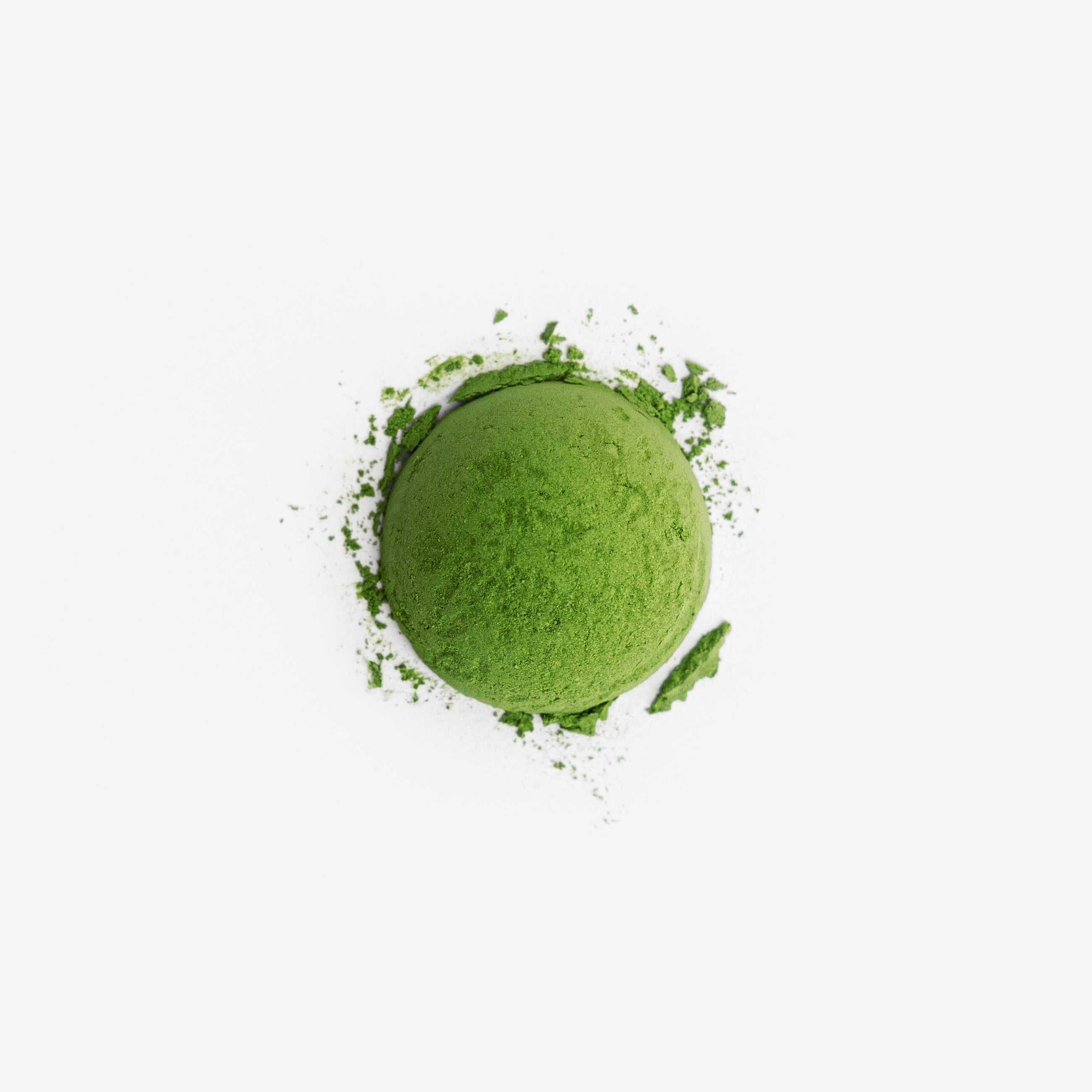
Matcha powder from a stone mill is incredibly fine and fluffy – touch it with your fingers, and it's almost weightless. When whisked, it easily transforms into a thick, velvety foam. The tea is smooth, without grit, with a deep umami flavor and natural sweetness without bitterness. It is said that during slow grinding, the millstones heat the tea leaves so little that you can catch a faint warm aroma of freshly ground tea – the Japanese call this note "hika." This adds an extra charm to traditional matcha. It's no wonder that the most prestigious ceremonial grades are created on stone mills, where each rotation is like a meditation, and each serving is a true masterpiece of tea art.
Modern Method: Ball Mill
With the growing demand for matcha, new technologies have emerged. The ball mill is a modern industrial method for grinding tencha, developed for efficiency and scale. Instead of two stones, it uses a cylindrical drum filled with dozens of ceramic or steel balls. As the drum rotates, the balls tumble and strike, gradually reducing the brittle leaves to powder. This process is significantly faster: in an hour, a ball mill can produce several kilograms of matcha – imagine how much more that is than the traditional 40 grams! This is why this method has become popular for mass production of tea, for example, for use in matcha-based beverages or culinary applications.
But does speed affect quality? A ball mill, working more intensely, can generate more heat due to friction. If the temperature is not controlled, the tea heats up more, which slightly changes its characteristics. For example, overly hot grinding can slightly "burn" some delicate aromatic substances or even partially destroy vitamins and antioxidants, as well as reduce chlorophyll content – and this affects the color and freshness of the taste. Powder ground by the ball mill method is often slightly less uniform, with larger particles. In the cup, such matcha can have a slightly different texture – the foam may settle faster, and the mouthfeel will not be as "powdery." Such nuances make the ball mill method less romantic in the eyes of tea purists.
However, modern manufacturers have learned to overcome these challenges. To prevent overheating, ball mills are equipped with cooling systems, and the grinding speed and duration are carefully adjusted. As a result, high-quality ball-milled matcha can be very close to traditional matcha. Much depends on the raw material: if the tea leaves are excellent, even quick grinding will preserve their wonderful taste. Some well-known farmers and factories in Japan choose this method to meet high demand, but they do so wisely. For example, our Tsundoku blend for matcha lattes is ground on a ceramic ball mill at the Maruyasu farm (Shiga Prefecture) – and thanks to this, we get a bright green powder with a creamy texture that pairs perfectly with milk and isn't bitter. And the elite single-origin matcha "Saemidori" from legendary farmer Tokuya Yamazaki is also made using a modern method – yet it retains a silky profile without the slightest astringency. These examples prove that an innovative approach in the hands of a master can give the drink excellent characteristics.
Tradition and Innovation: Both Paths to Perfect Matcha
So, which grinding method is better? In reality, both stone mills and ball mills have their advantages. The traditional method offers unparalleled texture and depth of flavor – it's the choice of gourmets and tea ceremonies. The modern method ensures consistency and accessibility – thanks to it, matcha has become closer to millions of people worldwide. The main thing is the love and expertise with which the grinding is performed.
The best masters combine both approaches. Renowned farmers like Maruyasu (farmer Yasuharu Maeno) in Shiga, innovator Tokuya Yamazaki in Kyoto, or the legendary Tsuji Rihei dynasty in Uji, each use grinding methods in their own way to reveal the character of their tea. They demonstrate that both tradition and innovation can complement each other when the goal is the highest quality.
When you enjoy a cup of matcha, remember: a lot of work goes into it. Regardless of whether your matcha is hand-ground on ancient millstones or in a modern factory mill, each serving reflects the care of farmers and artisans. Enjoy the vibrant emerald color, delicate foam, and rich taste – because all of this is the result of a combination of nature, tradition, and advanced technologies for your enjoyment.
