

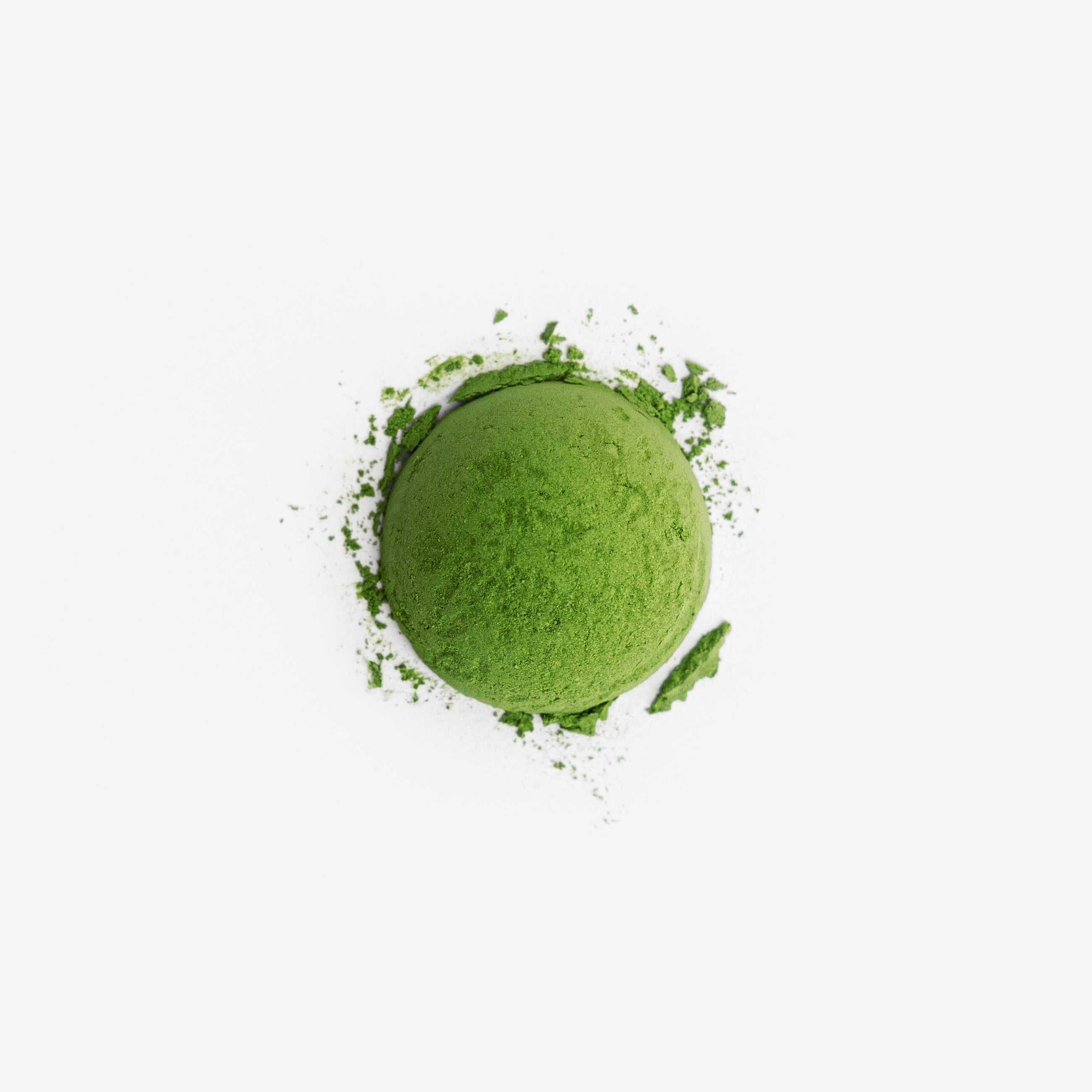

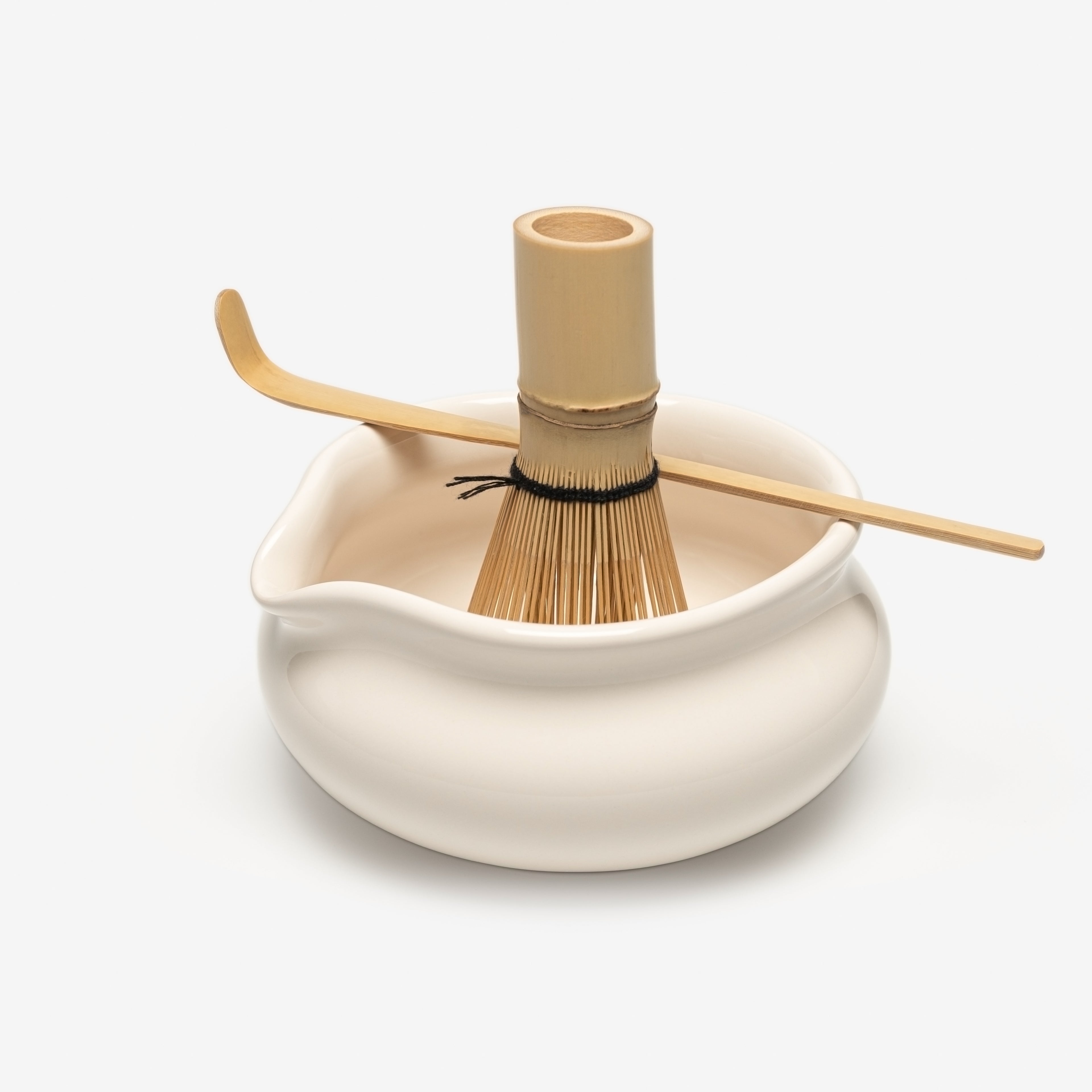





Matcha is not just a fashionable drink of the stars, but also an incredibly strong superfood. Many American medical professors talk about the incredible benefits of matcha tea, and numerous studies prove the fact that matcha is among the top 5 foods with the highest content of antioxidants. Let's figure out what will happen if you use matcha regularly?
Structure of the article:
-
what are free radicals and why are they dangerous
-
How do free radicals harm the body?
-
Where do free radicals come from in our body?
-
What helps fight free radicals?
-
Why is matcha so good?
-
Antioxidants in matcha tea
-
Matcha for heart diseases
What are free radicals and why are they dangerous?
Now let's quickly recall chemistry: atoms are surrounded by electrons that revolve around the atom in layers called shells. Each shell must be filled with a given number of electrons. When the shell is full; electrons begin to fill the next shell.
If an atom has an incomplete outer shell, it can bond with another atom by using electrons to complete its outer shell. These types of atoms are known as free radicals.
Atoms with a full outer shell are stable, but free radicals are unstable and, trying to fill the number of electrons in their outer shell, they quickly react with other substances.
When oxygen molecules are split into individual atoms that have unpaired electrons, they become unstable free radicals that seek out other atoms or molecules to bond with. If this continues, a process called oxidative stress begins.
Oxidative stress can damage the body's cells, leading to a number of diseases and causing symptoms of aging such as wrinkles.
How do free radicals harm the body?
- diseases of the central nervous system, such as Alzheimer's disease and other dementias
-
cardiovascular diseases due to blockage of arteries
-
autoimmune and inflammatory disorders such as rheumatoid arthritis and cancer
-
cataracts and age-related deterioration of vision
-
age-related changes in appearance, such as loss of skin elasticity, wrinkles, gray hair, hair loss and changes in hair texture
-
diabetes
-
genetic degenerative diseases such as Huntington's or Parkinson's disease
Where do free radicals come from in our body?
Although free radicals are produced naturally in the body, there are many environmental factors that speed up their process and increase their impact and number:
-
exposure to toxic chemicals such as pesticides and air pollution
-
smoking
-
alcohol
-
fried foods
-
car exhaust
-
pollution caused by military actions (dust from rubble, fires, etc.)
These factors directly affect the occurrence of such diseases as cancer and cardiovascular diseases. Therefore, oxidative stress may be the reason why exposure to these substances causes disease.
What helps fight free radicals?
Antioxidants. These are molecules that prevent the oxidation of other molecules. They reduce or prevent the action of free radicals. The antioxidant donates an electron to free radicals, thereby reducing their reactivity. What makes antioxidants unique is that they can donate an electron without turning into reactive free radicals.
No single antioxidant can combat the effects of all free radicals. Just as free radicals have different effects on different areas of the body, each antioxidant behaves differently due to its chemical properties.
Why is matcha so good?
Matcha is considered one of the top 10 foods with the highest antioxidant content. One cup of matcha contains as many antioxidants as 10 cups of green tea!
According to a study conducted by Tufts University, matcha was found to have the highest ORAC (Oxygen Radical Absorbance Capacity) of all foods that contain adequate amounts of antioxidants, indicating that it has the highest concentration antioxidants among all other sources.
Antioxidants in matcha tea
Not only does matcha contain a lot of antioxidants, but most of them are of a type called "catechins." It is catechins that help neutralize harmful free radicals, reduce cell damage, and prevent chronic diseases. In addition to this matcha also has a number of health benefits:
-
improving concentration and alertness
-
reducing the risk of heart disease and improving cardiac function
-
speeding up the body's metabolism and helping with weight loss efforts
-
is an effective liver detoxifier
Matcha for heart diseases
A 2011 American Journal of Clinical Nutrition study found that green tea lowers triglycerides in addition to total cholesterol and LDL (bad) cholesterol. Matcha green tea also prevents the oxidation of LDL cholesterol, thus preventing various heart diseases.
Another source of antioxidants is curcumin. Paired with matcha, it gives a double dose of antioxidants and strengthens immunity, which is especially important during the cold season. We wrote about the benefits of turmeric and the recipe for turmeric matcha latte in this article
