





044 Yabukita ceremonial matcha

Regular price ₴1,860.00

1 review
Weight

The 2024 Spring Harvest Yabukit monovariety is a versatile matcha tea ground on stone mills into a powder and prepared for the perfect preparation of usucha (traditional matcha) and matcha cocktails.


The main difference in taste is minerality, sustained bitterness and dense fruity sweetness, which is created due to the ability of tea trees to grow in rocky terrain. However, the incredible aroma and long pleasant aftertaste will become your new favorite among matcha.

Taste description

Aroma: delicate and sweet aroma of tropical fruits, figs

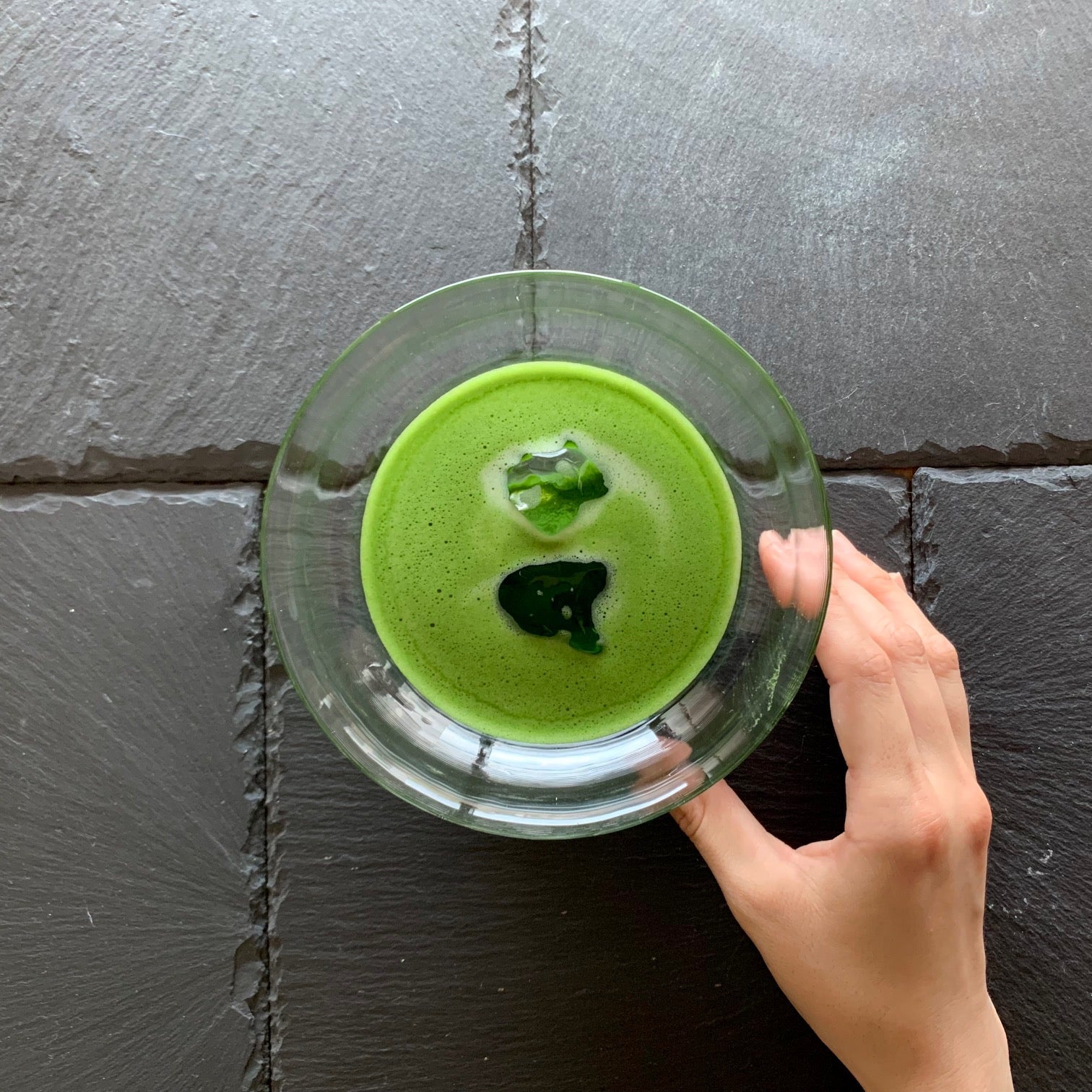
Taste and consistency: delicate and pleasant texture, with a slight sparkle. The taste has notes of pine nut and a buttery note of avocado and olive oil. Long fruity aftertaste.

More about cultivation


Yabukita monoculture, spring harvest, 25 days of shading

𖡡 Japan, Izumo by Master Yuta Oka, Izumo Seicha Farm, Izumo City, Shimane Prefecture, Japan

Storage conditions
  1. Store your matcha in a cool, dark place
  2. Avoid temperature changes and condensation
  3. Store in a sealed environment, away from light
  4. Try to "squeeze" excess air out of the package before closing
  5. We advise you to consume the tea within 28 days after opening

Freshness is the key to taste and quality

Learn more about tea storage

Grinding method:
Millstones

500m above sea level
2025 Harvest

How to prepare matcha?
Rating of 1 means .
Rating of 4 means .
The rating of this product for "" is 1.

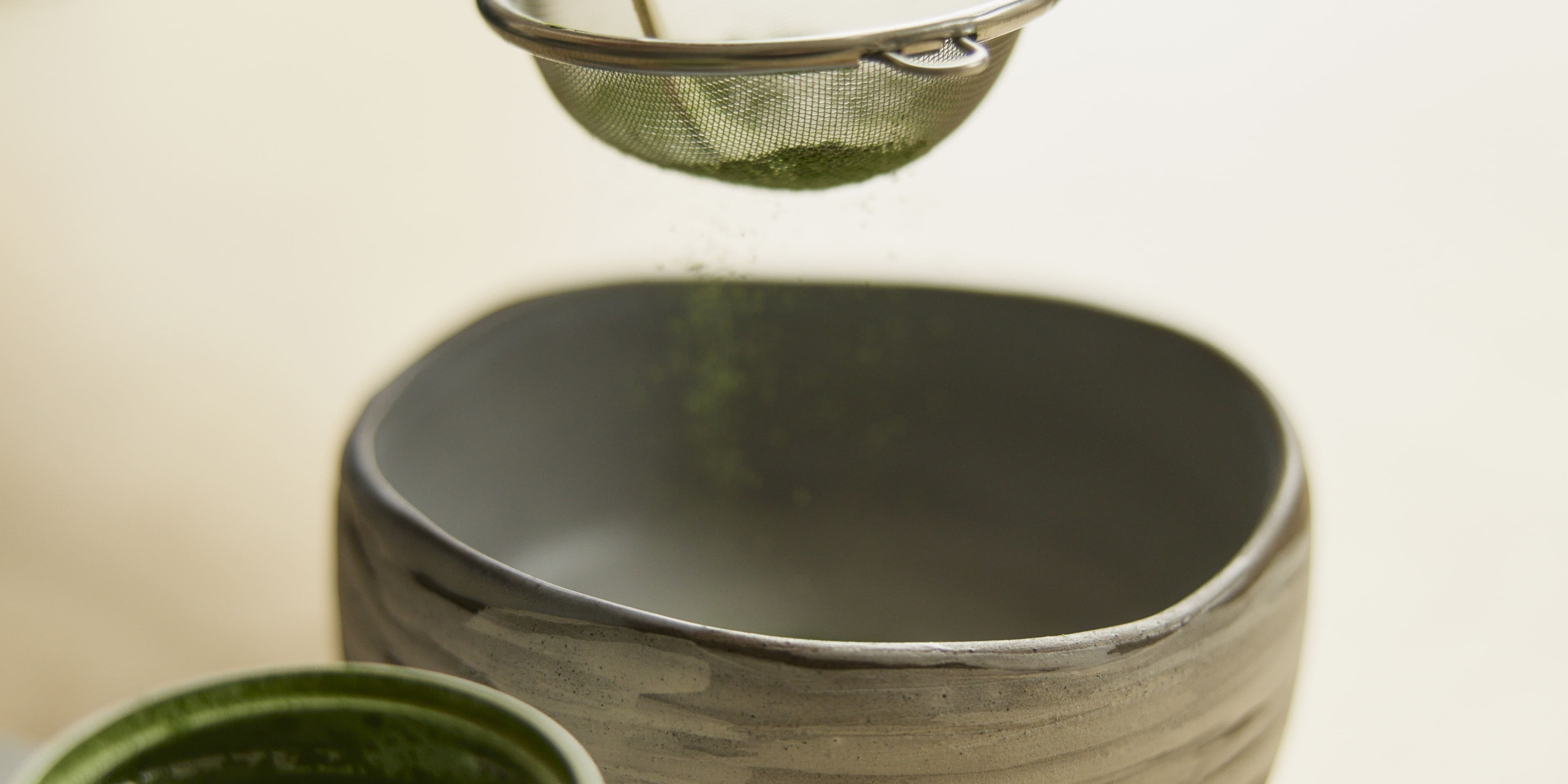
Sieve 1.5-2 g of matcha

For pochtak, it is necessary to measure 1-2 measuring spoons of Chasak or 2 g of matcha and sift into a dry, warm bowl ( chavan ) to saturate the tea with air and avoid lumps

How to prepare matcha?
Rating of 1 means .
Rating of 4 means .
The rating of this product for "" is 2.

Matcha Latte

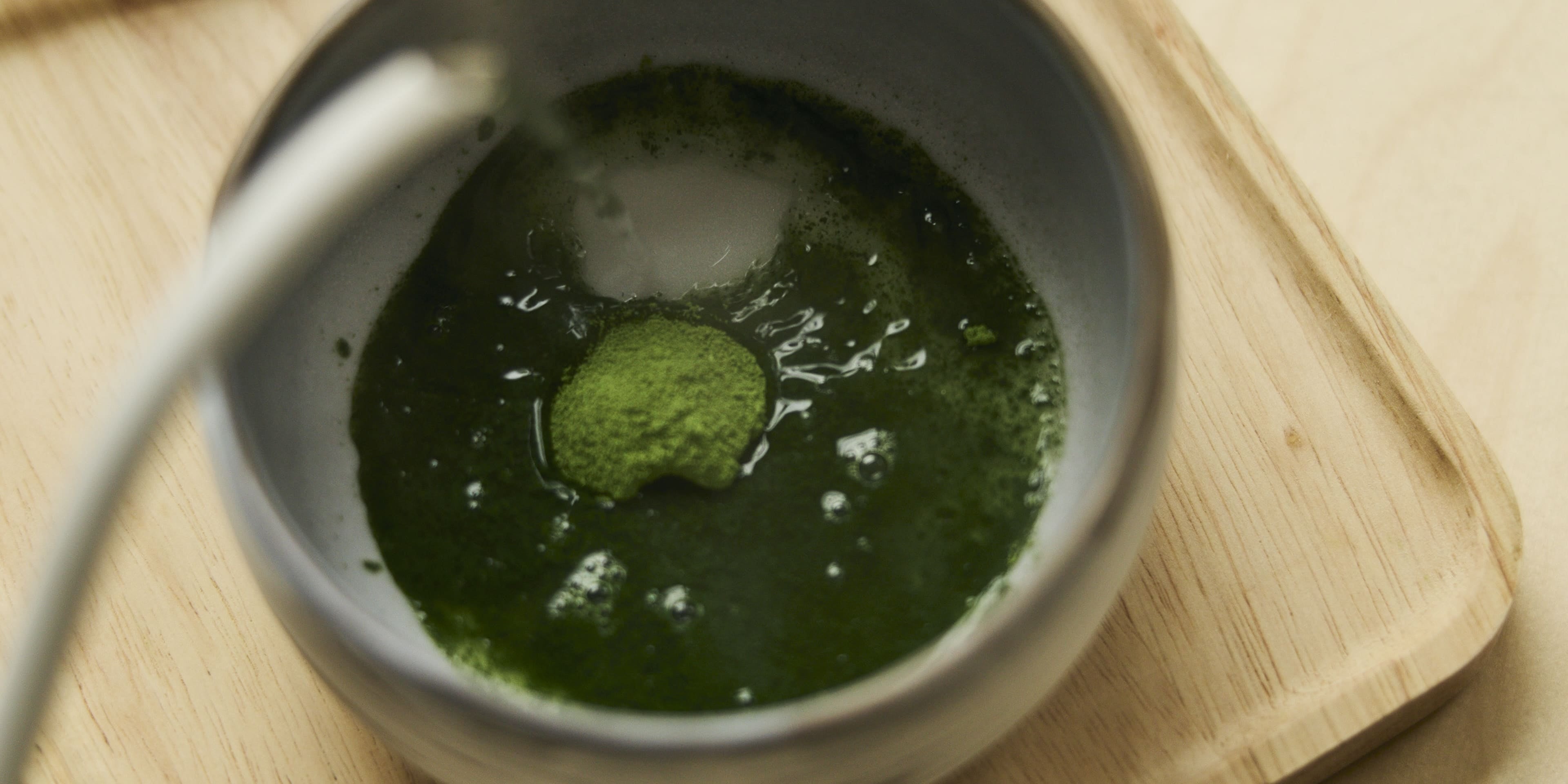
  1. Add 30 g of water 60-80°C
  2. Using a W-like motion, beat Chasen with a bamboo whisk for 40 seconds until fluffy
  3. Use 150-200 ml of warm or cool alternative milk (or even fresh or tonic)
  4. If desired, you can add maple syrup, honey or collagen

View the video recipe →

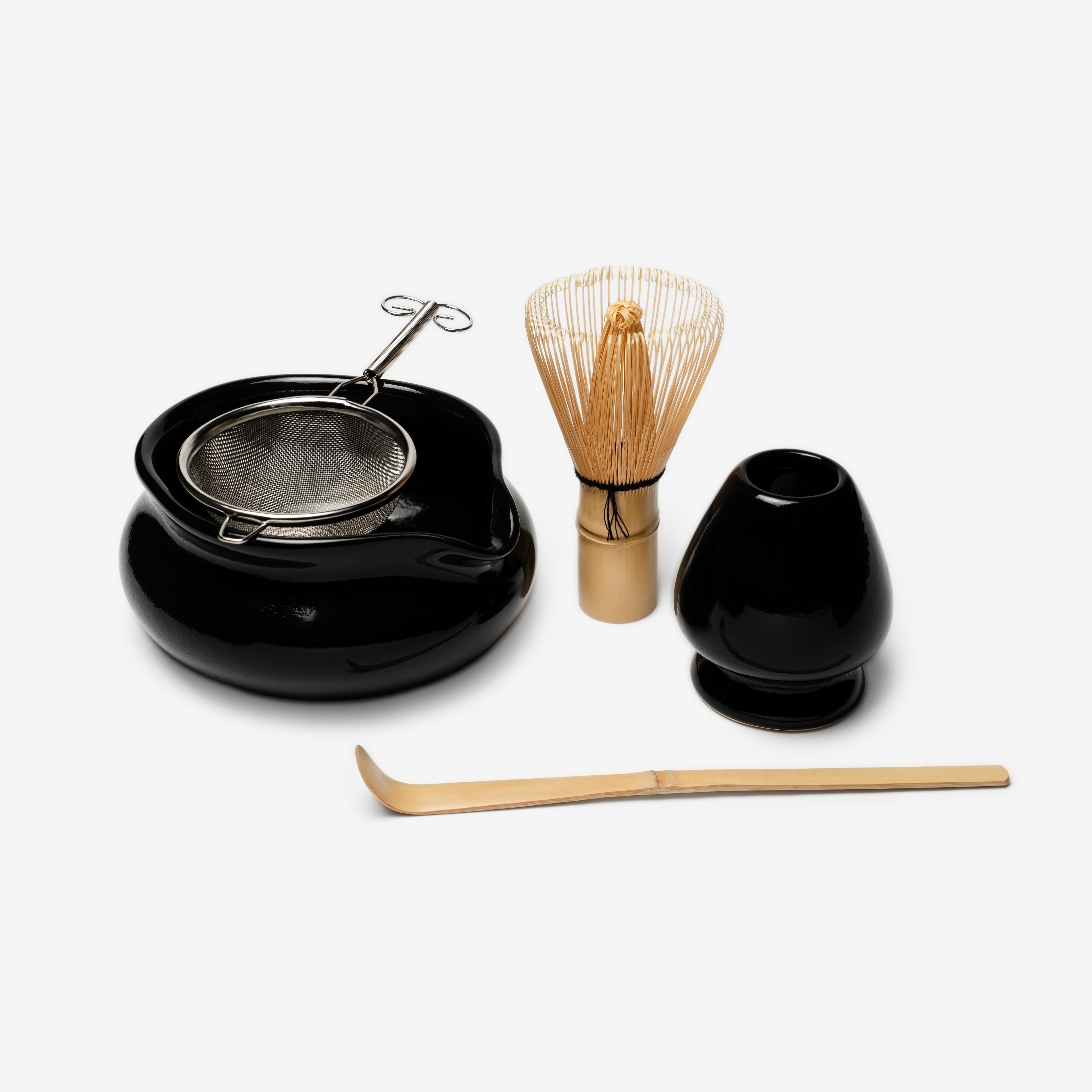
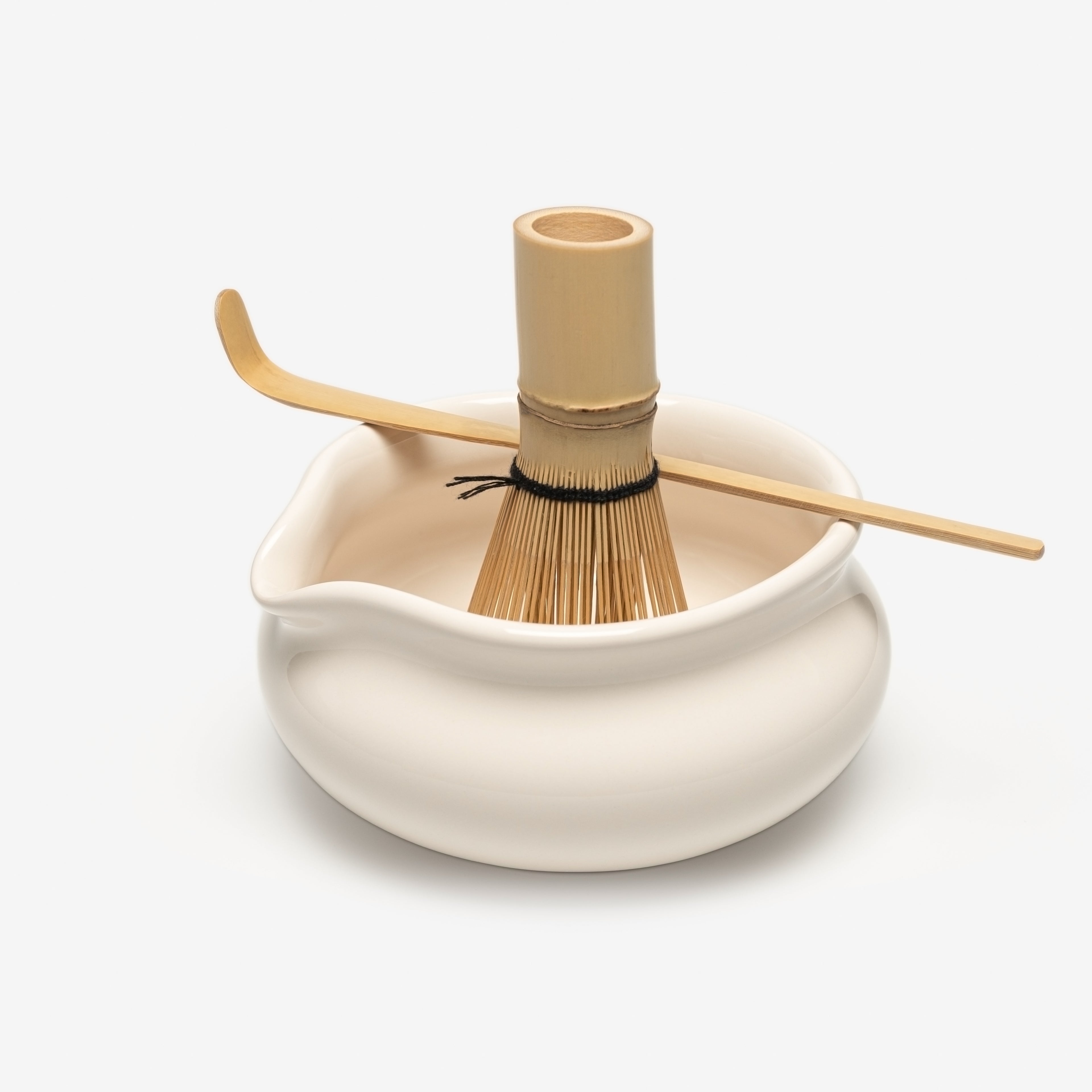
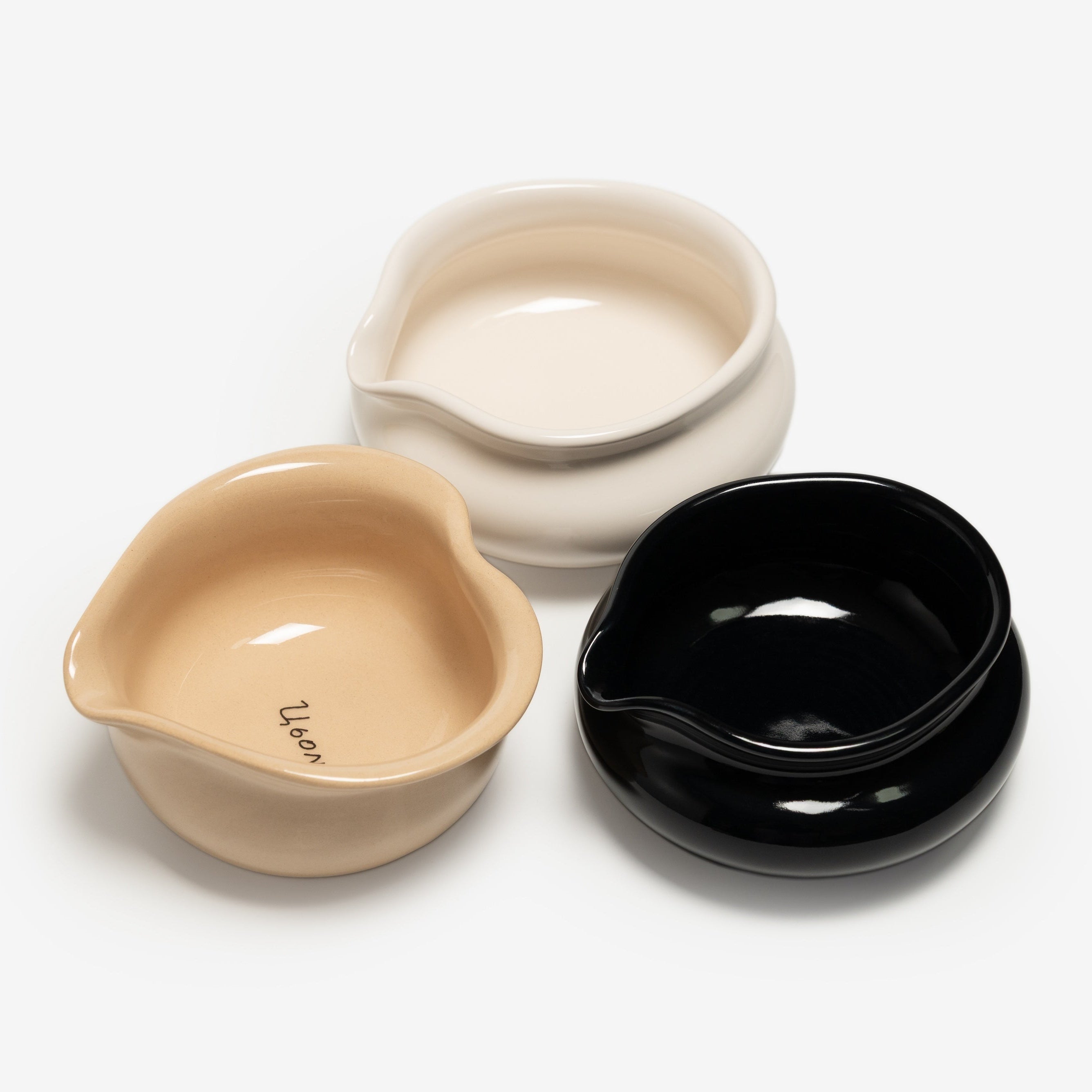
Matcha kit Clay x Kyiv матча набір, набір для приготування матча
How to prepare matcha?
Rating of 1 means .
Rating of 4 means .
The rating of this product for "" is 3.

For a traditional match

Or as it is customary to call Usucha - fine tea:

  1. Add 60-90 g of water 60-70°C
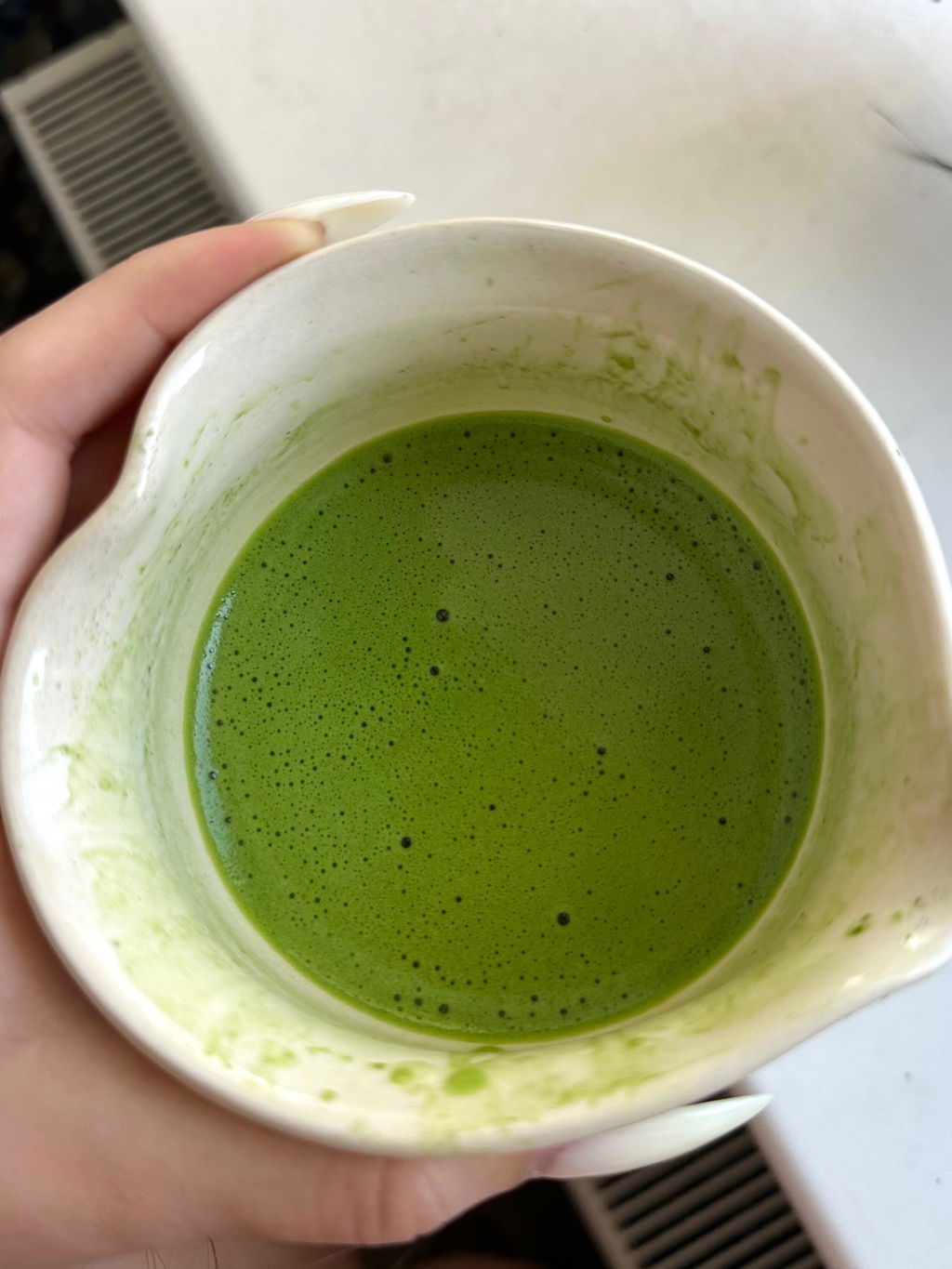
  2. Using a W-like motion, beat Chasen with a bamboo whisk for 40 seconds until fluffy
  3. Avoid strong pressure with the tip on the bottom of the bowl
  4. At the end, slow down by popping the big bubbles
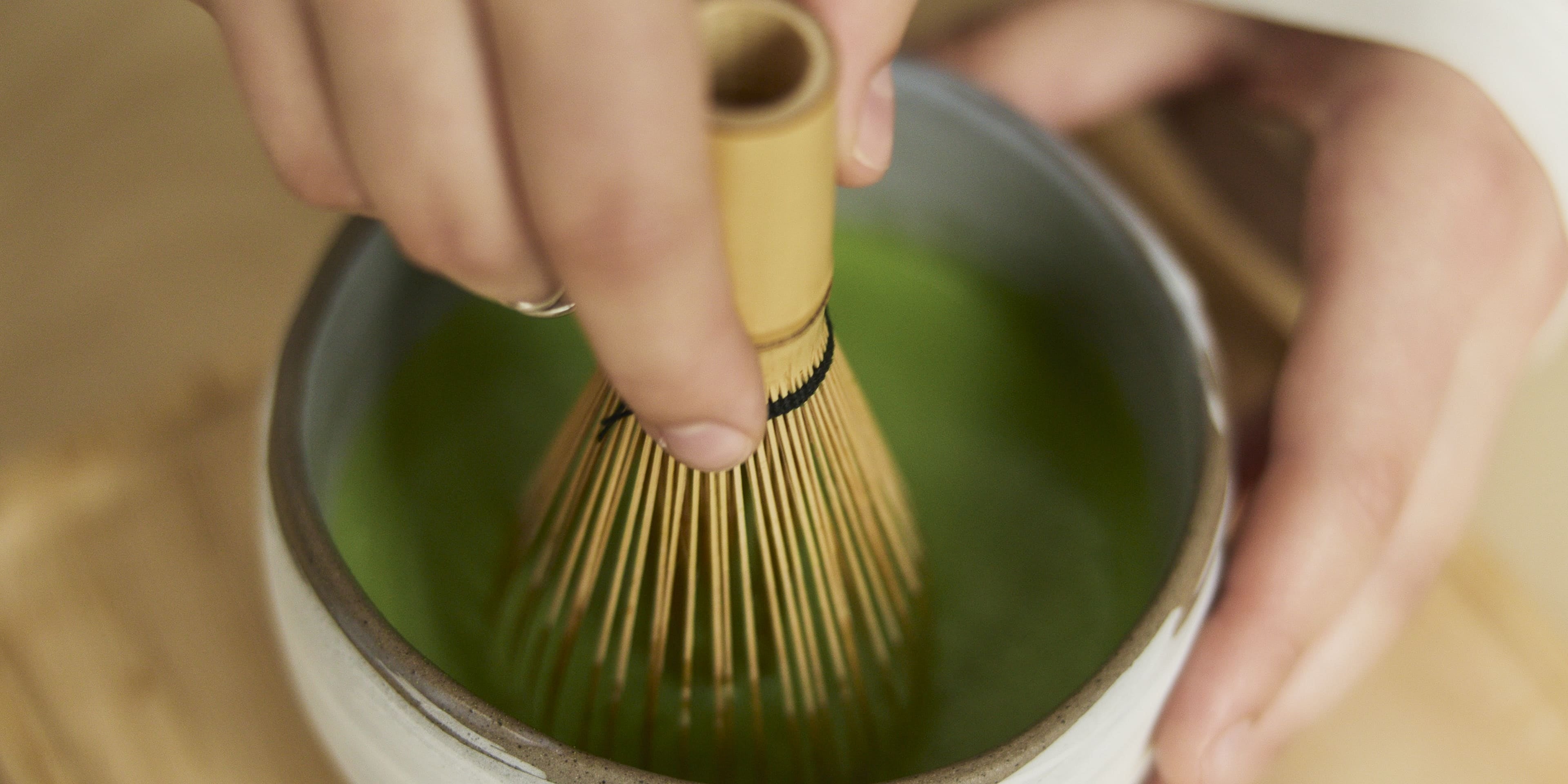
View the video recipe →

How to prepare matcha?
Rating of 1 means .
Rating of 4 means .
The rating of this product for "" is 4.

Professional level

Try Koicha - thick tea:

  1. For 4 g of matcha, add 30-40 g of water below 60°C.
  2. Using slow, gentle movements reminiscent of a figure eight, gently rub the Chasen with a bamboo whisk for 2-3 minutes until a gentle, uniform texture
  3. Use Chasen carefully so as not to damage it, or we can recommend Fugetsu Resin Chasen
  4. After the formation of a jelly texture, the drink is ready. Enjoy without hurrying.

View the video recipe →

How to prepare matcha?
Rating of 1 means .
Rating of 4 means .
The rating of this product for "" is 1.

Sieve 1.5-2 g of matcha

For pochtak, it is necessary to measure 1-2 measuring spoons of Chasak or 2 g of matcha and sift into a dry, warm bowl ( chavan ) to saturate the tea with air and avoid lumps

Rating of 1 means .
Rating of 4 means .
The rating of this product for "" is 2.

Matcha Latte

  1. Add 30 g of water 60-80°C
  2. Using a W-like motion, beat Chasen with a bamboo whisk for 40 seconds until fluffy
  3. Use 150-200 ml of warm or cool alternative milk (or even fresh or tonic)
  4. If desired, you can add maple syrup, honey or collagen

View the video recipe →

Rating of 1 means .
Rating of 4 means .
The rating of this product for "" is 3.

For a traditional match

Or as it is customary to call Usucha - fine tea:

  1. Add 60-90 g of water 60-70°C
  2. Using a W-like motion, beat Chasen with a bamboo whisk for 40 seconds until fluffy
  3. Avoid strong pressure with the tip on the bottom of the bowl
  4. At the end, slow down by popping the big bubbles

View the video recipe →

Rating of 1 means .
Rating of 4 means .
The rating of this product for "" is 4.

Professional level

Try Koicha - thick tea:

  1. For 4 g of matcha, add 30-40 g of water below 60°C.
  2. Using slow, gentle movements reminiscent of a figure eight, gently rub the Chasen with a bamboo whisk for 2-3 minutes until a gentle, uniform texture
  3. Use Chasen carefully so as not to damage it, or we can recommend Fugetsu Resin Chasen
  4. After the formation of a jelly texture, the drink is ready. Enjoy without hurrying.
View the video recipe →

Фермер Ясухару Маено, чайна плантація ферми Маруясу ( Oumi Maruyasu) , дистрибутор Matcher.store – префетура Шига. Цучіяма, Асамія, Кока – чайні регіони де вирощується чай для Matcher.store/
by Master Yuta Oka, Izumo Seicha Farm, Izumo City, Shimane Prefecture, Japan

Japan, Izumo

A match with over 100 years of history

Maruyasu Tea Farm is located in Koka City, Tsuchiyama district, Shiga Prefecture. Currently, it is the largest farm of Matcher.store, as it encompasses an area of as many as three villages.

This area is one of the oldest in Japan for cultivating high-quality tea, dating back to the Nara period (8th century). The farm was founded over 130 years ago and has passed down the secrets of tea cultivation from generation to generation.

Today, the farm is managed by Yasuharu Maeno, a fourth-generation farmer of the Maeno family. His mission is to preserve traditional Japanese tea production and improve cultivation methods that combine environmental sustainability and high quality.

The tea grown in Tsuchiyama is known as Tochiyamacha and is part of Ōmi-cha – tea produced in Shiga Prefecture. The region is situated in a mountainous area at an altitude of 300-400 m above sea level, which creates ideal conditions for tea cultivation. It is warm during the day and cool at night, which contributes to the development of a complex flavor profile of the tea.