

The intestine is the second brain of a person. Our well-being, beauty and even mood depend on the state of this organ. Is it true that probiotics in food improve skin, hair and overall health? What is the difference between prebiotics and probiotics and which of them is better to choose for use?
We decided to deal with this together with a specialist, so we invited Tatiana Bozhko , a certified nutritionist, to share information about probiotics and prebiotics. For more than 5 years, Tatyana has been consulting on correction and recovery of the body's condition/nutrition/deficits, runs online projects, organizes offline events and acts as a speaker.

What is microbiota?
Microbiota is a collection of microorganisms that inhabit our intestines. In fact, this is an organ that reaches a weight of 2-3 kg. Microorganisms in the microbiota live in a certain homeostasis: friendly, pathogenic and disease-causing flora.
It should be noted that pathogenic flora is present in everyone - this is absolutely normal. It is necessary to train our body to resist diseases.
Here are the functions of a healthy microbiota:
- It forms an important and necessary barrier that prevents the growth of pathogenic flora, parasites, bacteria, that is, everything that will harm the body.
- It is responsible for how many vitamins we will receive and whether we will face deficiencies.
- Stands on guard immunity.
- Controls the production of almost 80% of neurotransmitters (hello, serotonin, dopamine and good mood).
How microbiota affects our body: examples
Gut problems can cause constant fatigue, lack of motivation, fog in the head and even depression. The microbiota may be responsible for gaining excess weight and how positive the dynamics will be on the way to getting rid of it.
In addition, microorganisms in the intestine directly affect beauty: skin, hair, nails, etc. As soon as the balance of flora changes in the gastrointestinal tract, the combination of components responsible for the health and beauty of the skin also changes. This is important to know for those who have been struggling with rashes and acne for years, but still cannot find the cause and ways of correction. Just take a look at your gut and the state of your microbiota to start with.
How can you influence the state of the microbiota yourself
Yes, daily simple actions can support or, on the contrary, destroy the microflora. To take care of the microbiota, pay attention to these points:
- Food. Remove from the diet products that negatively affect the microflora: refined sugar and oils, gluten, alcohol, pickled products, all semi-finished products and fast food, peanuts, cheeses with mold, yeast products. Also, monitor the amount of fiber in the diet and try to introduce fermented foods into the diet.
- Lifestyle. A healthy lifestyle is one of the main pillars of a healthy intestinal microflora. Bad habits traditionally include smoking, excessive alcohol consumption, lack of sports, walks in the fresh air, neglecting water balance, etc.
- Quality sleep . How to properly restore strength was discussed in the article "Anti-age: how to preserve youth with the help of a daily routine" .
- Work with stress . This is where magnesium baths, meditation, psychotherapy, and support with nutraceuticals come in handy.
- Administration of probiotics and prebiotics. More on this later.
Prebiotics and probiotics: what's the difference
Prebiotics are food for the beneficial bacteria that guard our body. They can help restore the intestines, increase the number of beneficial bacteria, cleanse the body of toxins and balance carbohydrate and cholesterol metabolism.
The need for prebiotics can be covered with food, monitoring the amount of fiber in the diet. The norm for an average person is 25-30 grams of pure fiber. It's easier to say: 350-400 grams of vegetables per day. The following products are rich in prebiotics:
- Chicory
- Artichoke
- Garlic raw and dried
- Dandelion greens
- Leek onion
- The onion is green
- Asparagus
- Green bananas
- Buckwheat
- Bran
- Berries of dark varieties
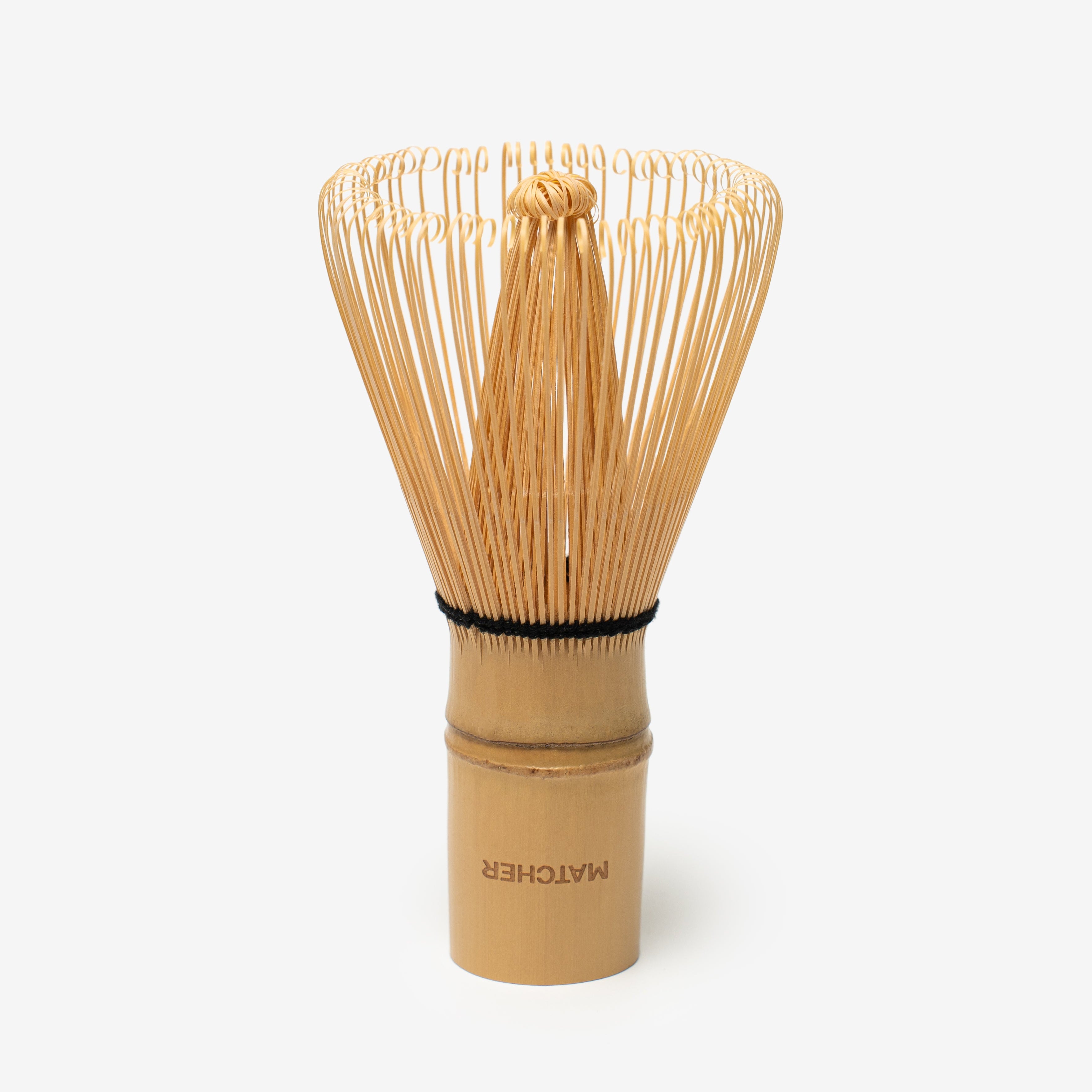
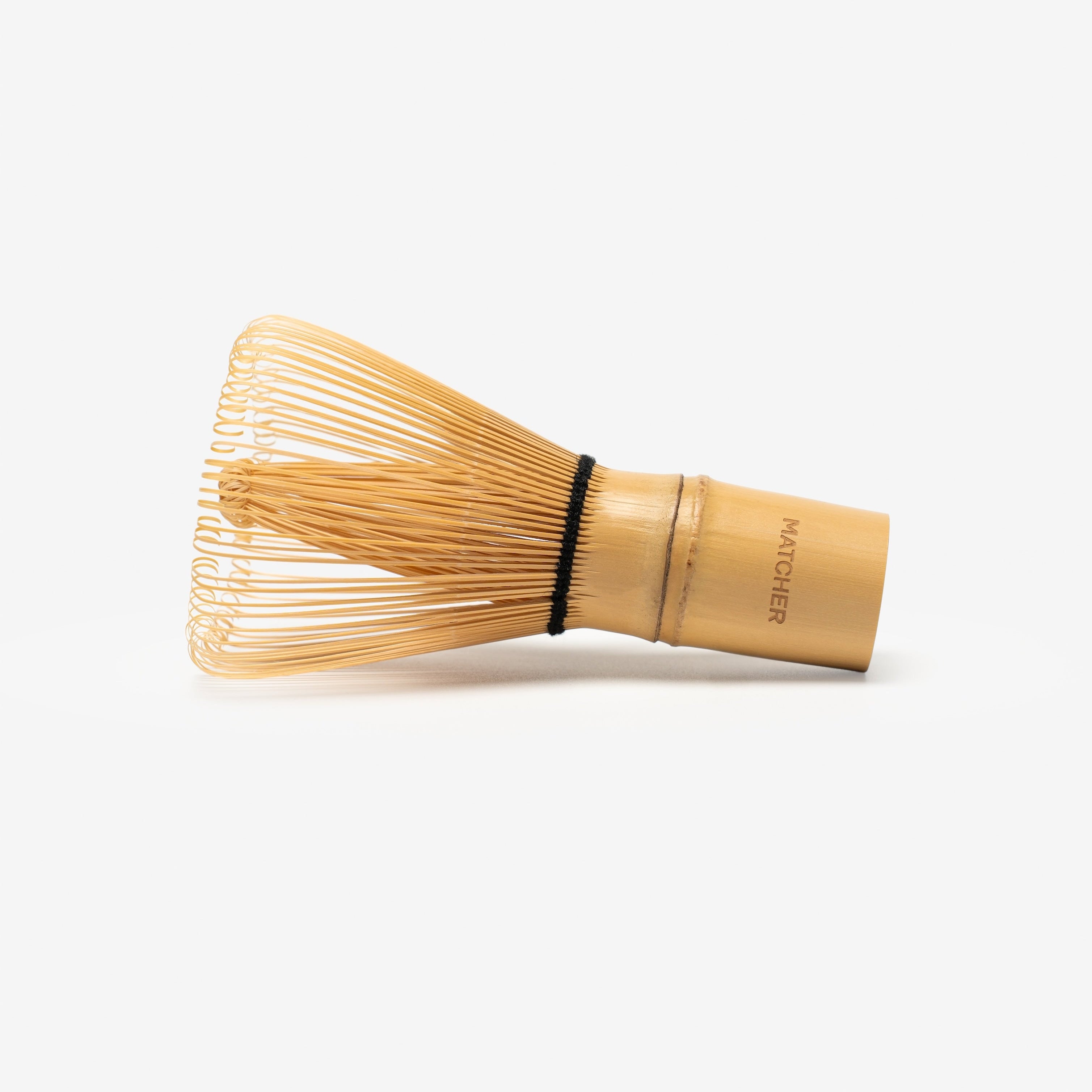
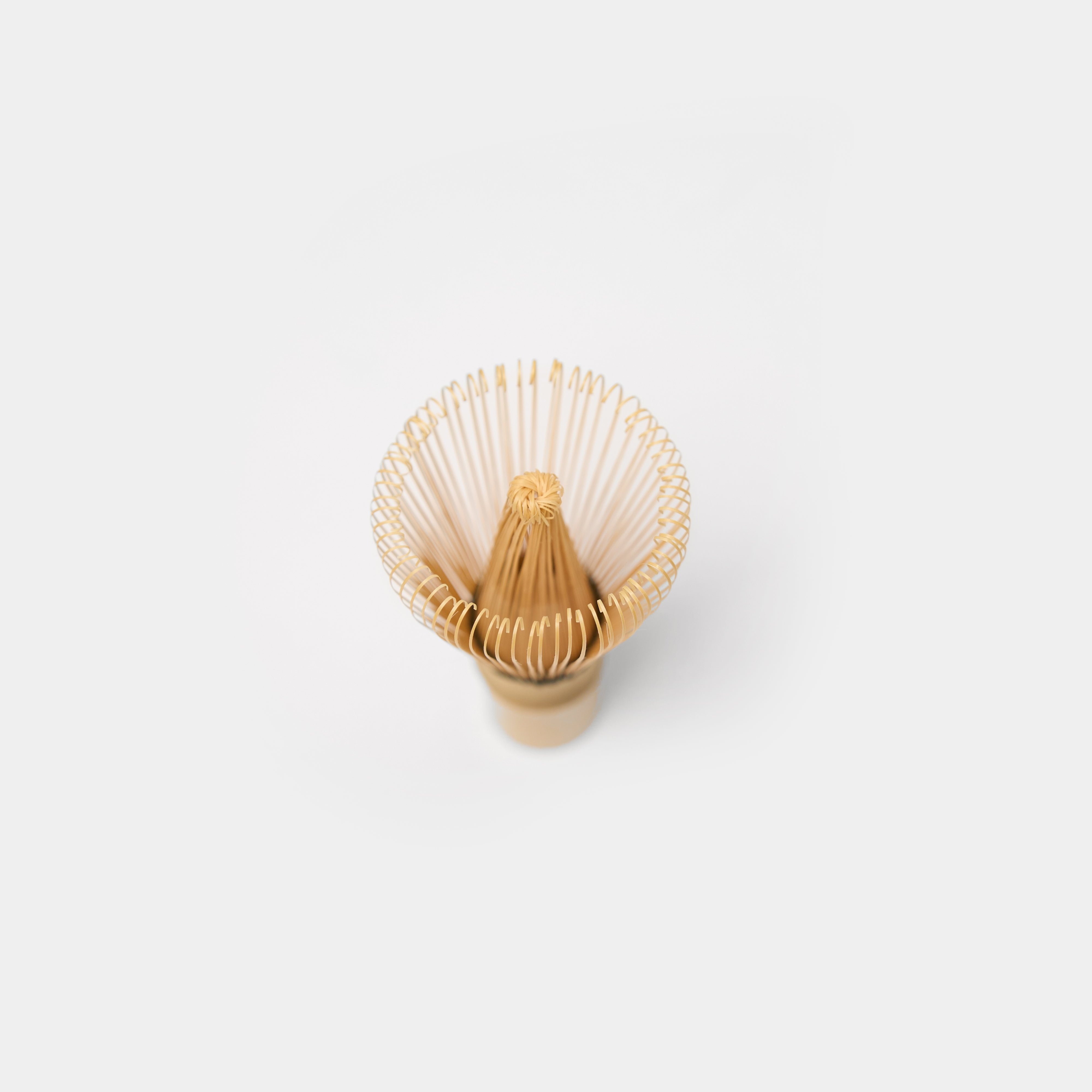
- match
- Chia seeds
Among the useful supplements, the brightest representatives of prebiotics are:
- Psyllium
- Inulin
- Pectin
- Beta-glucan
- Oligosaccharide
Probiotics are supplements with beneficial bacteria that can significantly change the state of our body and improve many processes in it. Here is a list of products that are sources of probiotics :
- Fermented/fermented foods (sauerkraut, cucumbers, kimchi, sourdough bread, kefir, etc.)
- Apple cider vinegar
- Kombucha
- Miso
- tempe
- Cheese
- Sour milk products
Antibiotics and probiotics
The most common question regarding the introduction of probiotics as a supplement is: "Is their introduction mandatory while taking antibiotics?". The answer is unequivocal - yes.
And here is a certain reception scheme:
- During the administration of antibiotics, strains are selected that will help maintain the body's condition. For example, rosell – 52, phamnosus rosell -11.
- After the end of the course of antibiotics, we extend the use of probiotics for another month, one and a half.
- If diarrhea appeared against the background of antibiotics, the following strains of probiotics will be useful: S.boulardii, L.rhamnosus.
- During the cold season, taking probiotic strains of Lactobacillus plantarum and Lactobacillus paracasei will help reduce the frequency and duration of illnesses.
- Even the course of allergies can be corrected with the help of probiotic strains . For example, V. clausii, L. rhamnosus, L. plantarum, L. reuteri, B. longum, B. infantis, B. brave.
Main strains of probiotics
Want to order probiotics at a pharmacy or on iHerb? Catch a small cheat sheet that will additionally help you understand the main strains of probiotics:
Plantarum:
- reduces intestinal permeability
- improves digestion and immunity
- balances the bacteria in the microbiome
- regulates the level of insulin, leptin and ghrelin
- supports appetite control
- helps with depression as part of complex therapy
- used for treatment and prevention of candida, diarrhea, lactose intolerance, urinary tract infections.
- helps lower cholesterol
- increases immunity
- helps with allergies
- lowers cholesterol (in combination with inulin)
- supports immunity
- helps to balance intestinal bacteria
- supports the health of the gastrointestinal tract
- helps absorb zinc
- increases immunity
- improves digestion
- lowers cholesterol
- reduces allergic reactions
- improves intestinal health
- helps with high pressure, anxiety, depression
- improves sleep
- maintains a constant level of calcium in the blood
The most useful strains of probiotics for reducing inflammation in the intestine:
- L. fermentum
- B. bifidum
- L. rhamnosus
- L. reuteri
- S. boulardi
- B. coagulans
- L. casei
Important: we do not take probiotics for longer than 2 months, so as not to overload our immunity.
Matcha Kefir Soda: summer drink with probiotics
Matcha Kefir Soda is a naturally carbonated, vegan drink based on tibikos with fresh farm matcha and chlorophyll. Tibikos is water kefir. It is a live fermented drink rich in probiotics that support the immune system, facilitate digestion and do not irritate the stomach.

5 reasons why you simply must try the best drink this summer:
- rich in probiotics. It can contain up to 2.5 billion beneficial microorganisms;
- supports intestinal microbiota and does not burden the stomach;
- suitable for any type of food. Does not contain caffeine, milk and is completely natural;
- rich in antioxidants thanks to matcha and chlorophyll.
We created Matcha kefir soda in collaboration with Matcher & Kyivkraut to give green drive to your party, work and watching your favorite movie. Lively and bubbly, this summer's favorite drink is now on sale - add a serving of probiotics to your cart now.