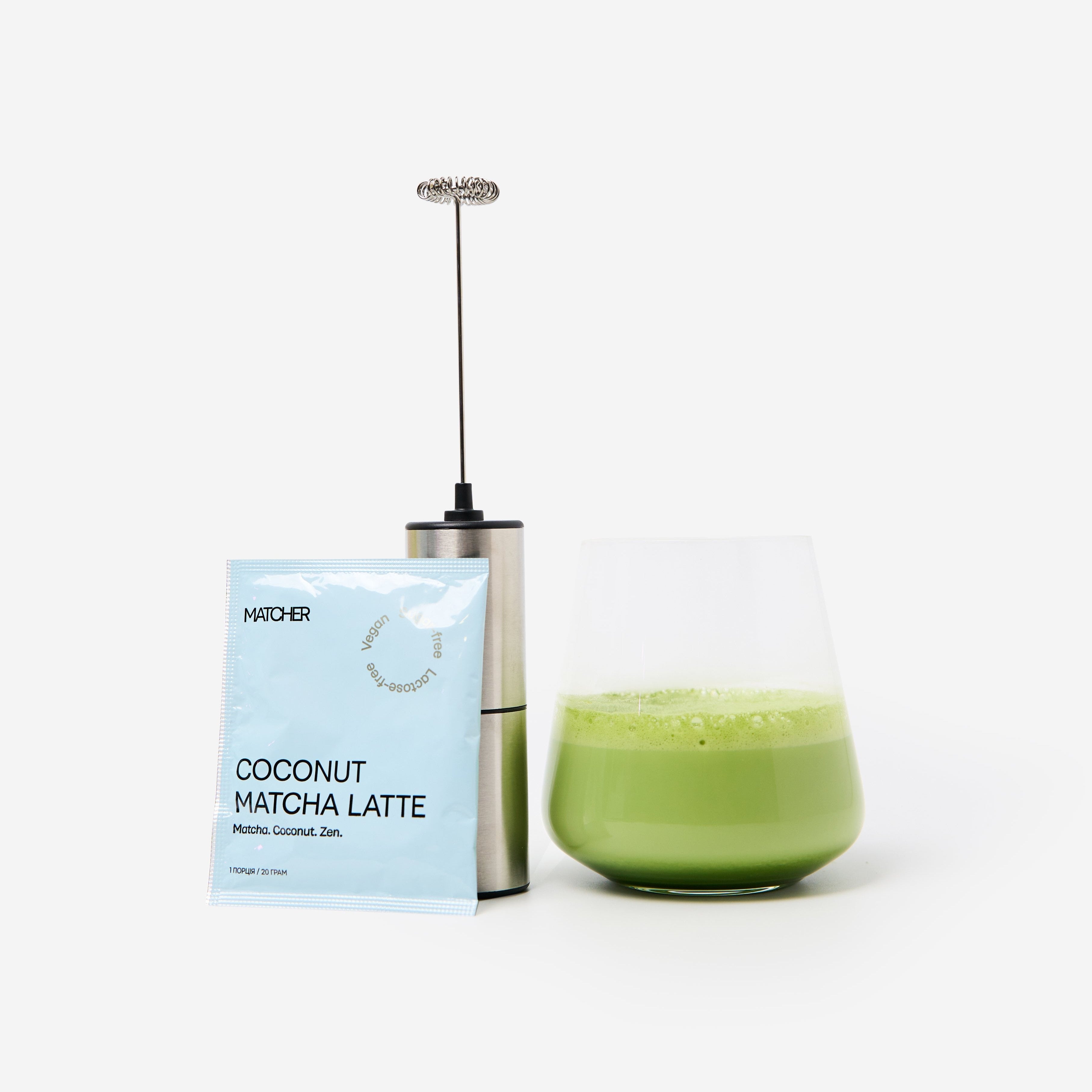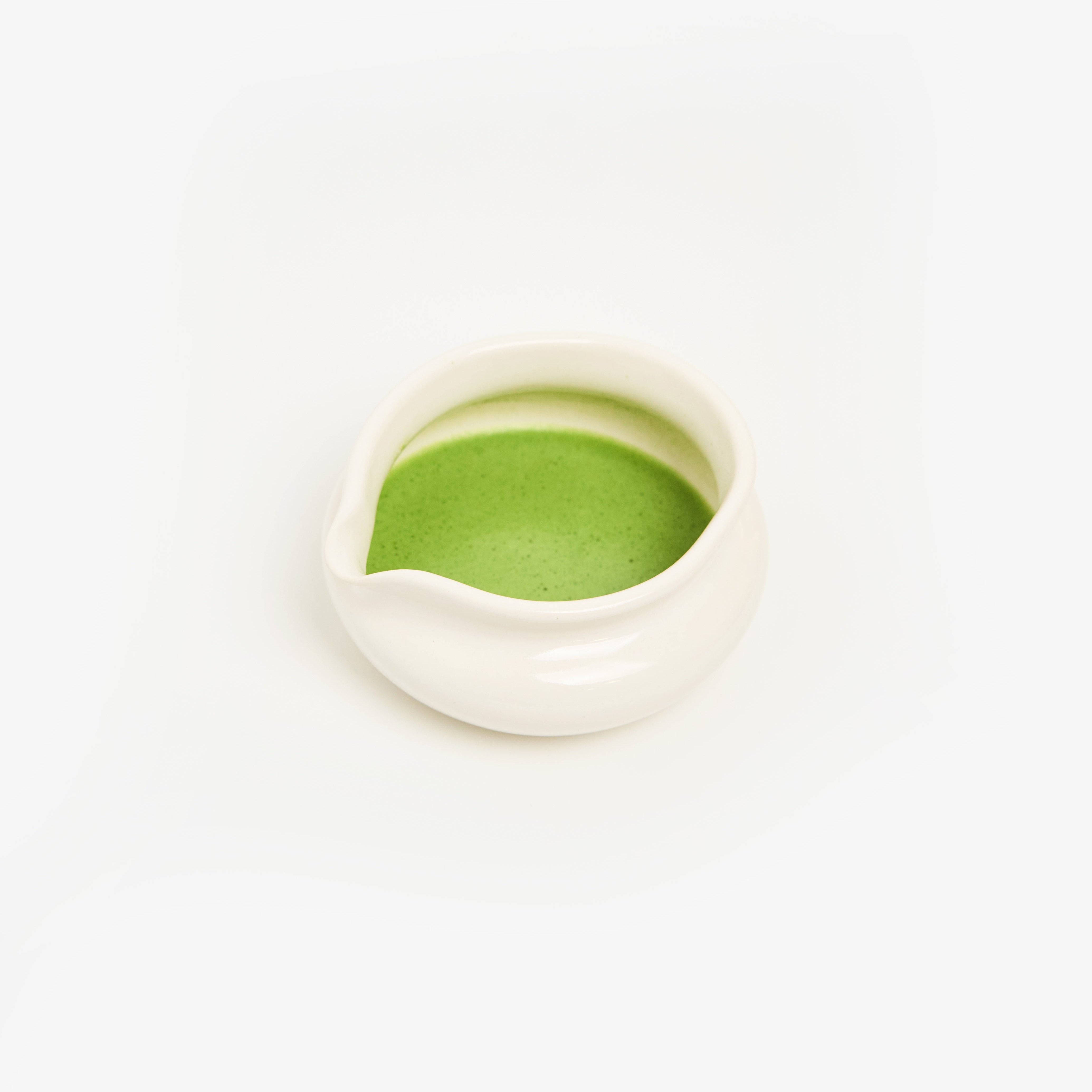

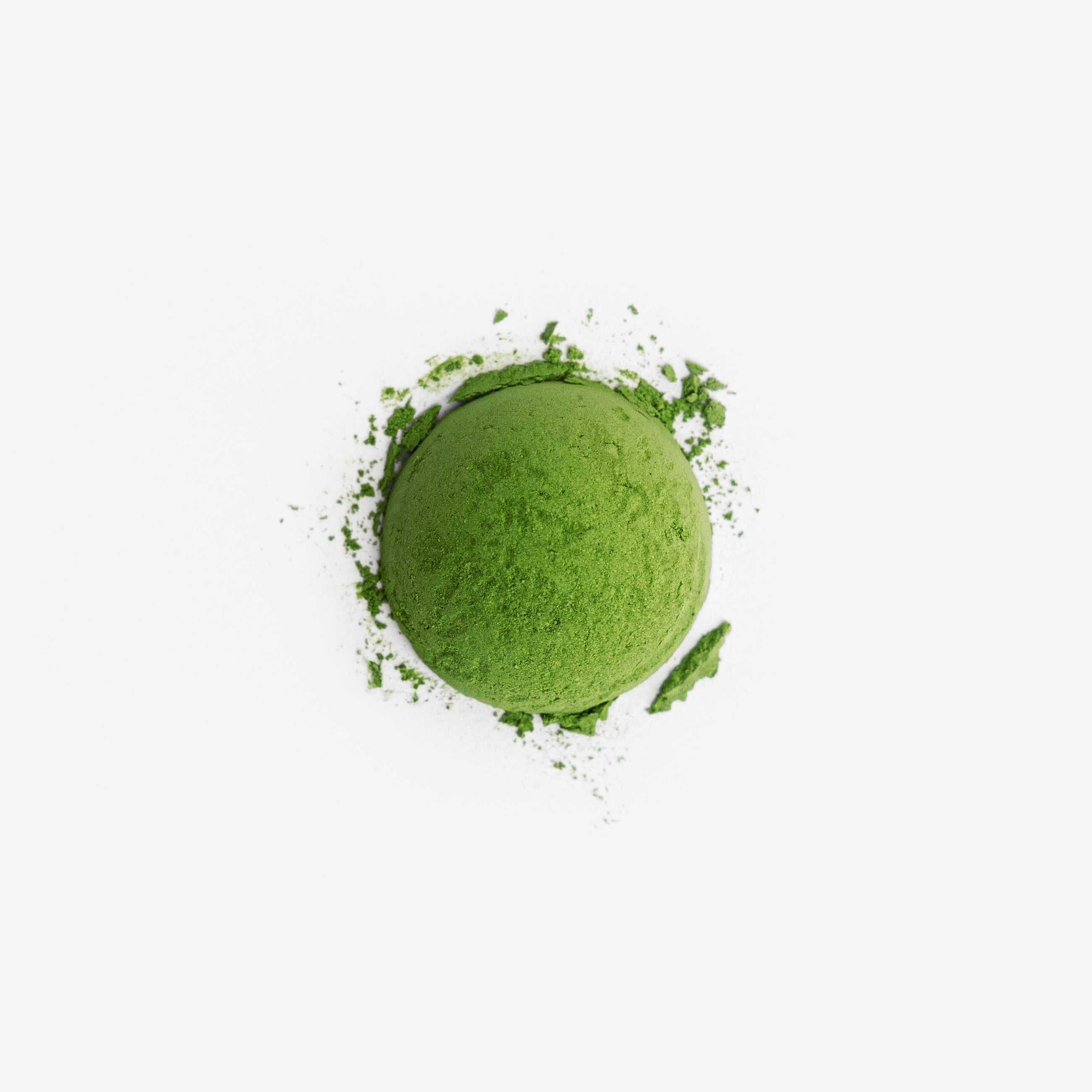
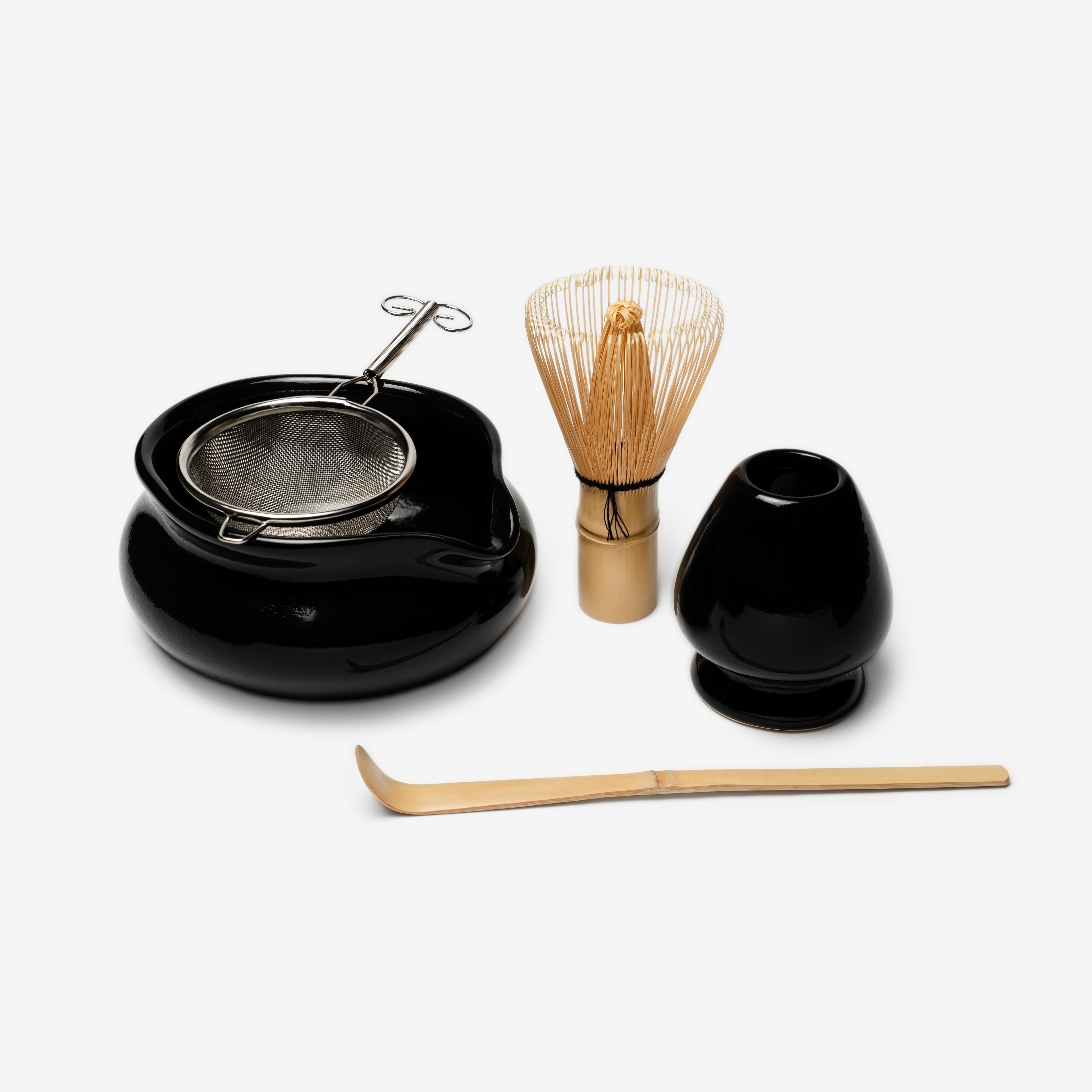
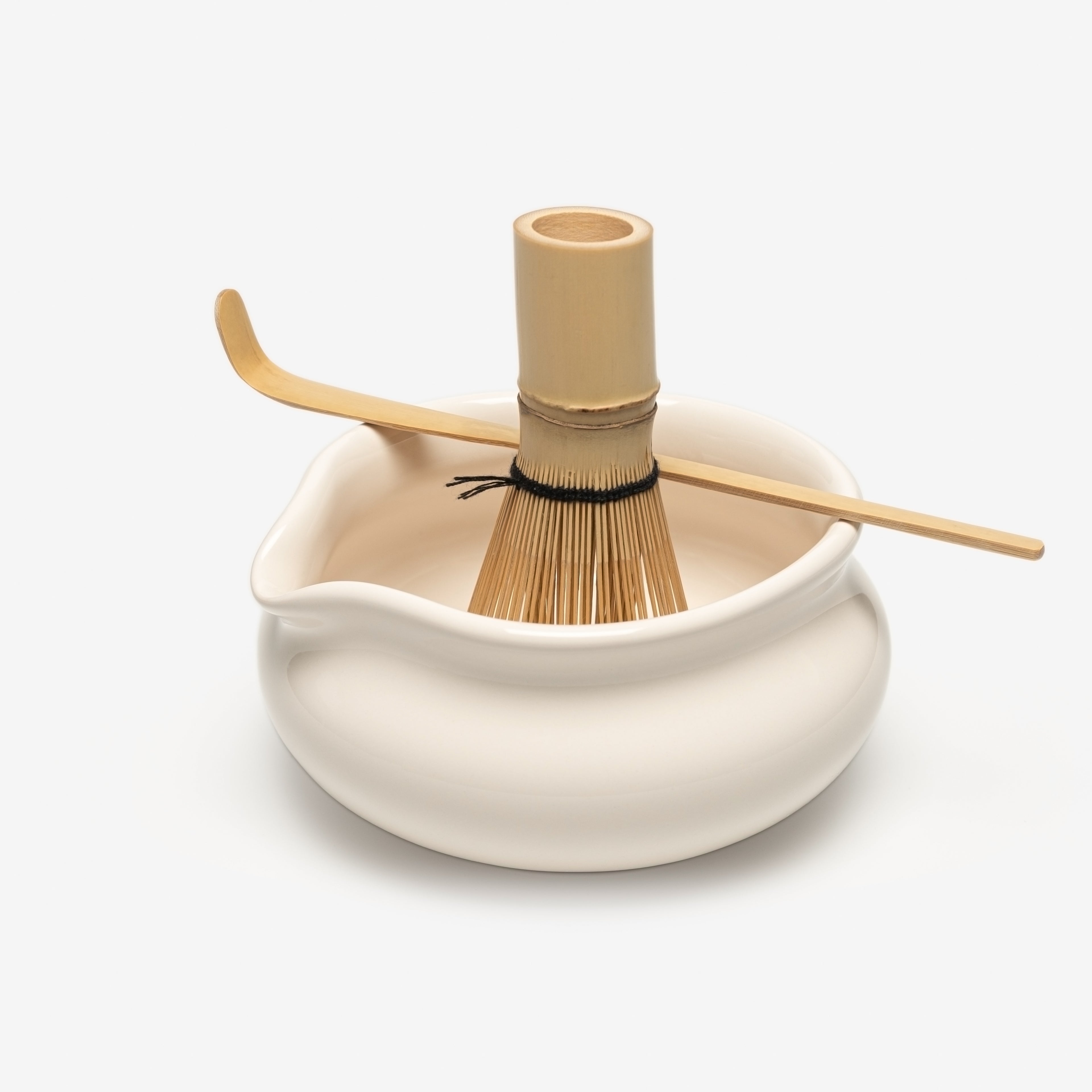
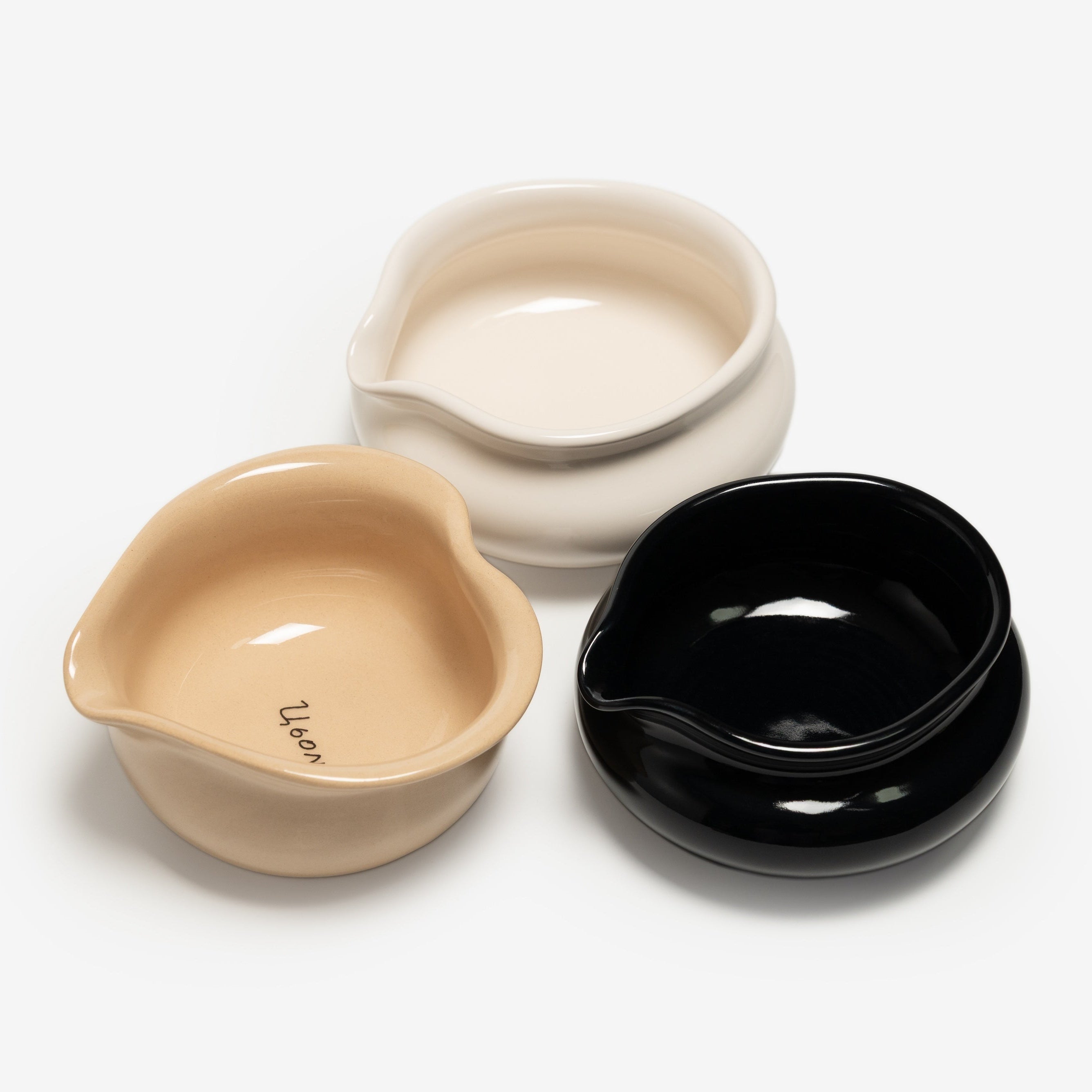

Do you drink matcha latte in cafes, restaurants or prepare it yourself at home? This article will help you figure out which milk to choose for your favorite drink in order to preserve all the beneficial properties for the body.
Matcha with milk: why you should choose herbal
Fact: matcha does not go well with milk of animal origin. And the reason lies in the combination of casein protein with catechins. Catechins are one of the main benefits of green tea. These compounds in matcha have significant effects on the body, such as:
- antimicrobial effect and prevention of infections,
- anti-inflammatory and antioxidant effects,
- oncoprophylactic effect,
- prevention of cardiovascular diseases,
- acceleration of metabolism, etc.
Read more about the health benefits of matcha in the article "Antioxidants in matcha: we reveal all aspects of the benefits" .
And what happens if you add protein to catechins, i.e. cook matcha with regular milk? It's simple: the casein protein in animal milk binds to the catechins in tea and blocks their action. That is why matcha prepared with animal milk does not bring any practical benefit to the body.
Plant milk and its health benefits
Plant-based milk has become increasingly popular in recent years, especially among those who pay attention to their health and environmental aspects. It is made from a variety of plant sources, such as soy, oats, peas, rice and coconut, and has many health benefits. Here are some of them.
Easier to absorb and digest
Casein, contained in cow's milk, can "glue" food and worsen digestion. This is the reason for the feeling of heaviness in the stomach after dairy products. This will not happen from the consumption of vegetable milk - there is no casein in the composition, which causes similar consequences.
Does not contain lactose and gluten
Plant milk is ideal for those suffering from lactose intolerance, allergies or celiac disease - it is lactose and gluten free. Therefore, people with dietary restrictions can easily introduce vegetable milk into their daily diet.
Perfectly combined with matcha
Matcha, a Japanese green tea powder, is an excellent choice for those who want to maintain health and lead an active lifestyle. By combining vegetable milk with matcha, you can get an extremely tasty and healthy drink that will give you energy for the whole day.
Varieties of matcha that should be chosen for drinks with milk:
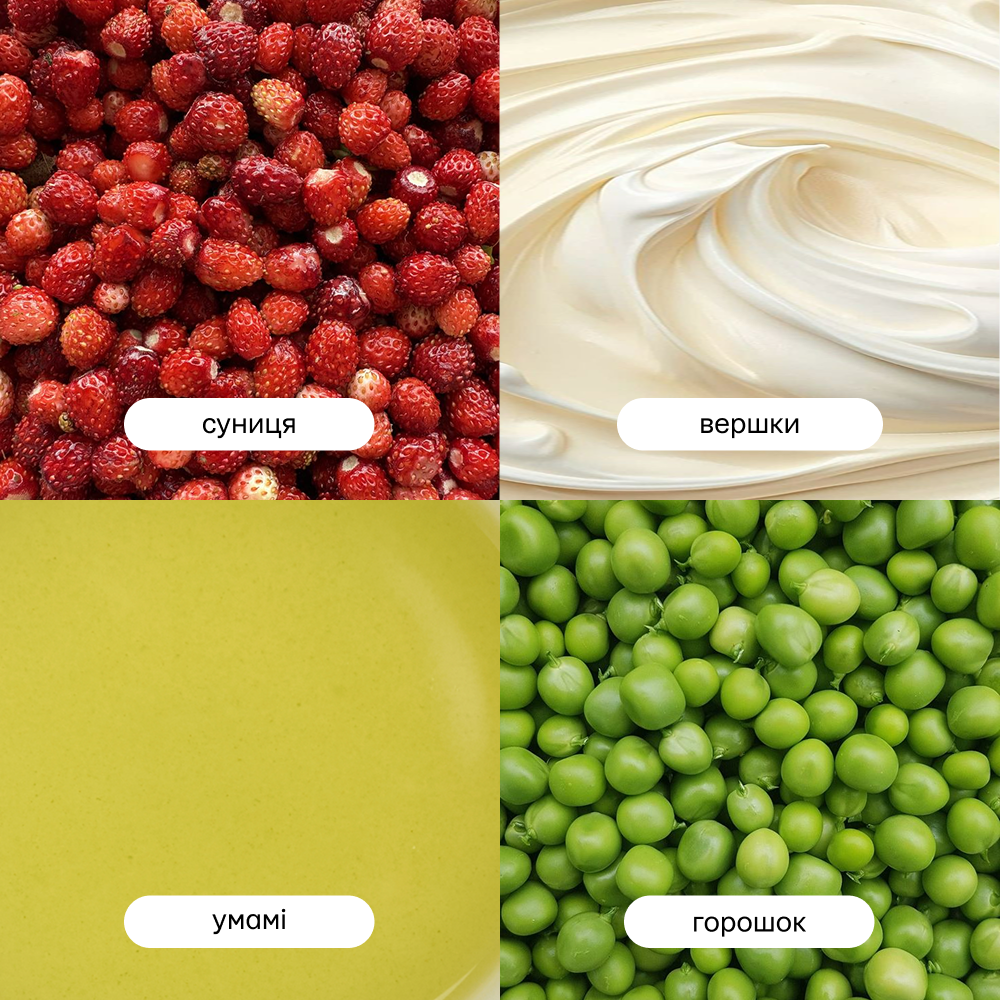
Saemidori is a rich umami matcha with a delicate floral aroma. In combination with milk, delicate nut notes and the taste of sugar cookies are revealed.
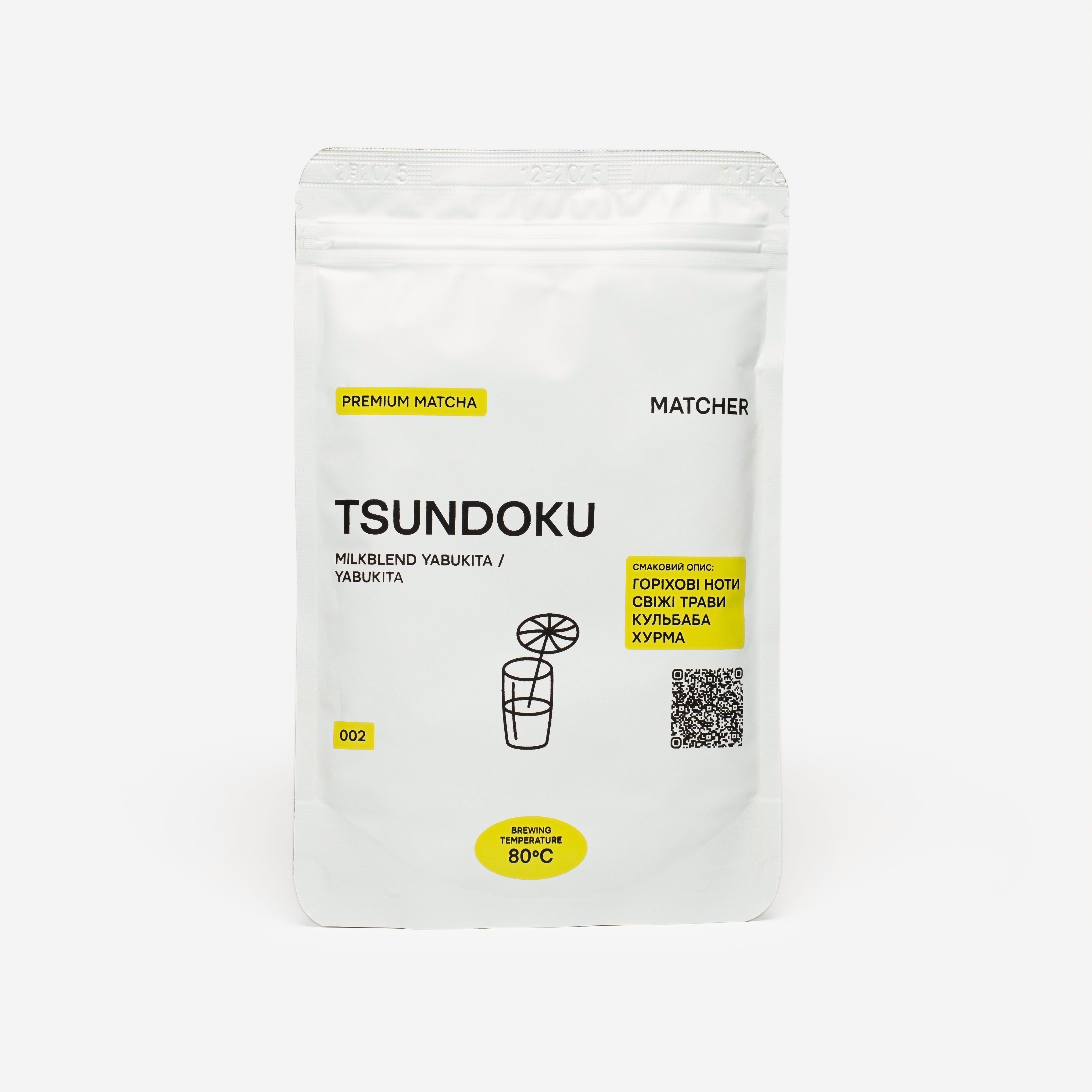
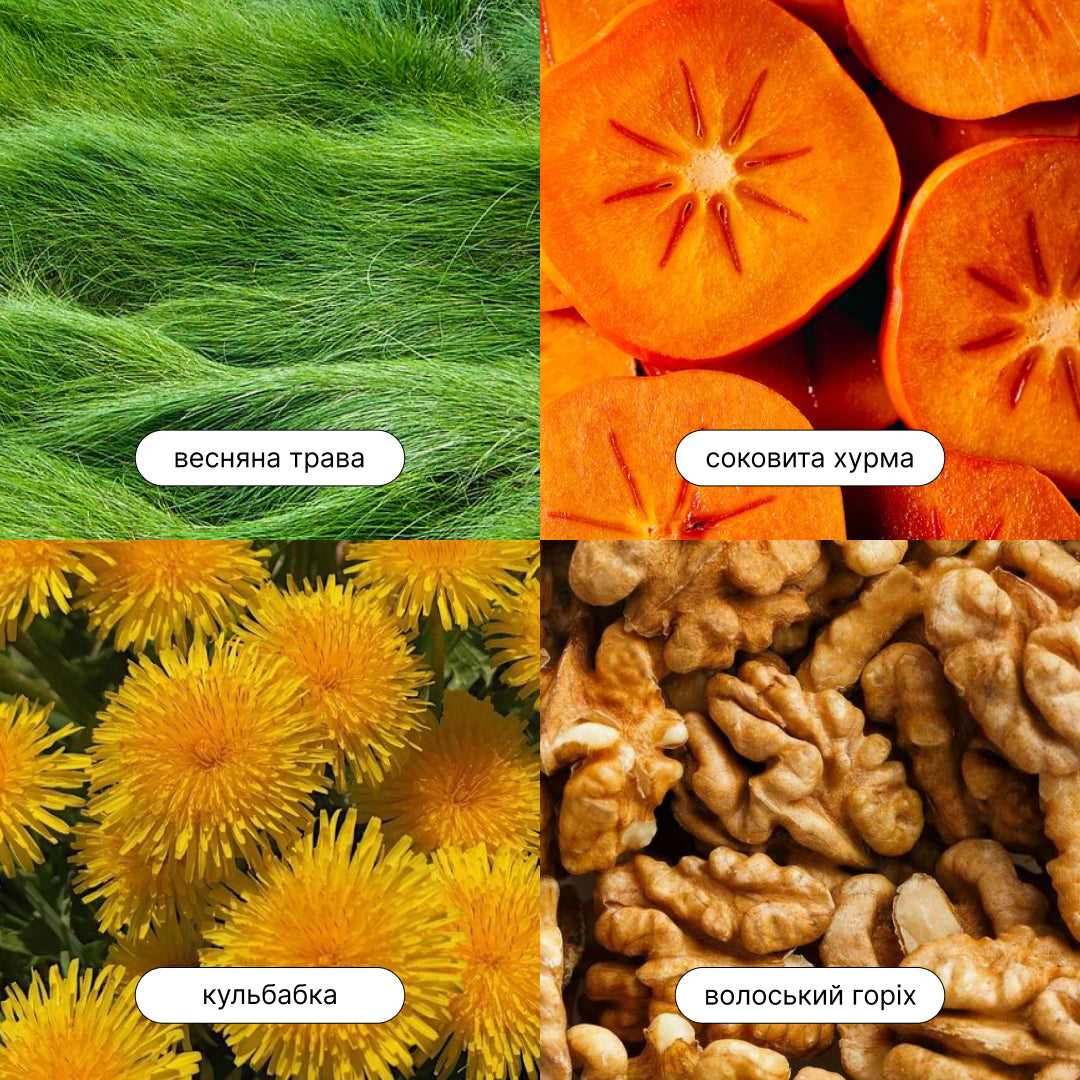
Tsundoku is a delicate matcha with notes of nuts and summer dandelion field. Perfect for combining with milk and cocktails.
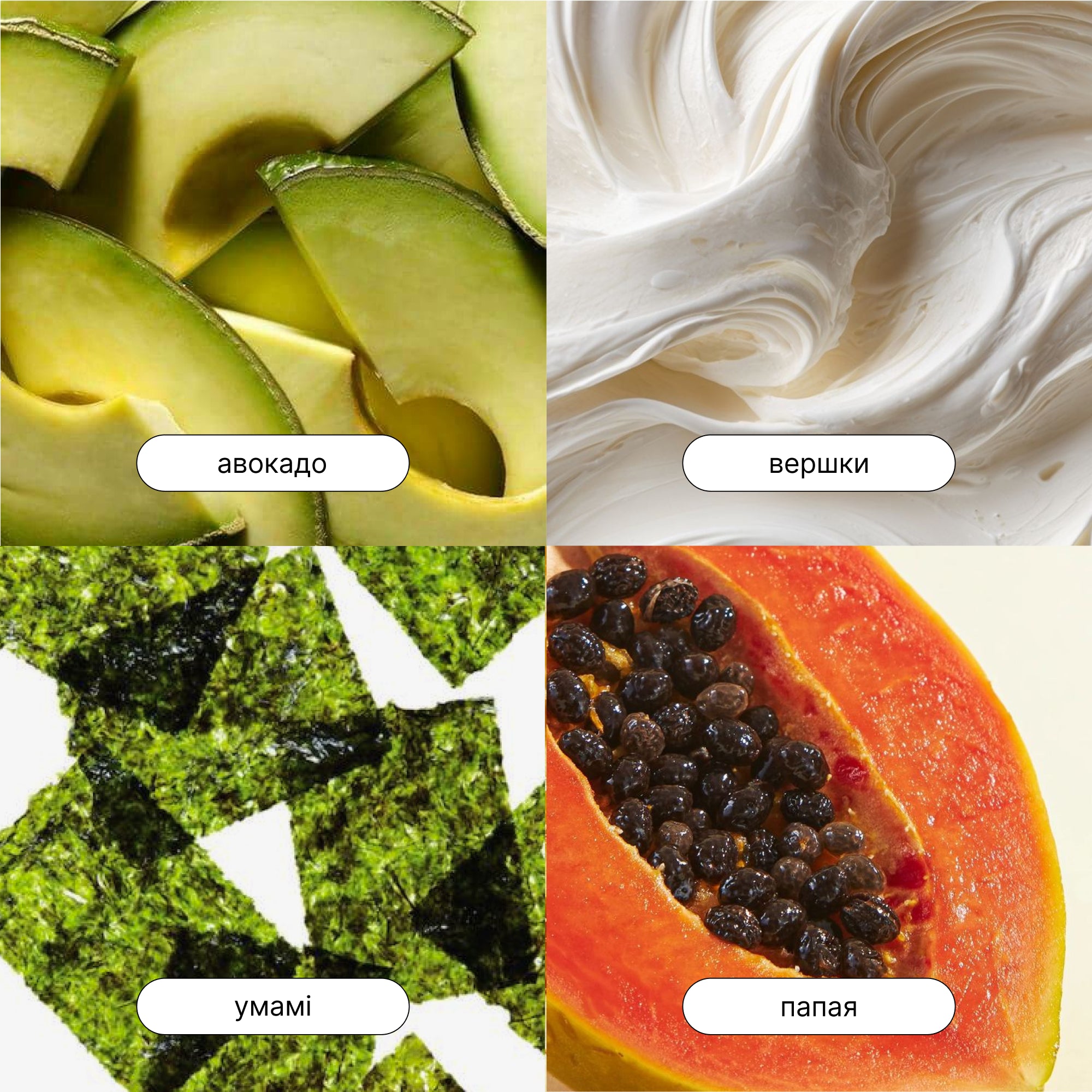
Yabukita (Yabukita) is a farm sparkling variety suitable for both classic recipes and cocktails. It has bitterness and a rich taste, intertwined with chocolate, avocado and raspberry.
It is low in fat and calories
Most plant-based dairy products contain little or no saturated fat. Those fats that raise cholesterol. The only exception is coconut milk. If you monitor the level of cholesterol and the amount of fat in the diet, choose plant-based versions of milk.
Contains fiber
Fiber supports a healthy gastrointestinal tract and microbiome, promotes intestinal motility and prevents digestive problems. In addition, it provides a feeling of satiety, which helps control appetite and prevents overeating. Cow's milk does not have fiber, but vegetable milk does, according to the Washington Post.
Rich in vitamins and minerals
The products from which alternative milk is made are themselves sources of vitamins and minerals. For example, soybeans are rich in protein, calcium, and other nutrients. In addition, natural properties of these components are more often preserved in herbal drinks, unlike animal ones, which undergo heat treatment and pasteurization. Among the vitamins useful for health, vitamin D and vitamin B12 are also distinguished in alternative milk.
Suitable for vegans and vegetarians
People who follow a vegan or vegetarian diet sometimes lack some of the nutrients normally found in traditional dairy products. For example, protein, calcium and a number of vitamins. All this can be found in alternative drinks.
It has a large selection of flavors
You can try different types of plant milk like pea milk, oat milk, rice milk, coconut milk, etc. For example, oat milk has a delicious creamy texture and does not curdle when heated. But banana drinks have a bright sweet taste and pronounced aroma. Almond milk resembles cow's milk in consistency, has a pleasant nutty taste, and is low in fat and calories. Experiment and choose the type of milk that you like best.
Plant milk: which one to choose for daily use
The combination of plant milk and matcha can be a great way to maintain your health and boost your energy. What brands of alternative milk to choose for daily use? Catch tips from Matcher.store.
Sproud
This is a Swedish startup that produces a line of vegetable milk from yellow peas. Allergen-free milk: made without gluten, nuts, soy and dairy products. Ideal for matcha latte , because it easily whips into a light microfoam. We advise you to try the pea and vanilla-pea milk of this brand.

Minor Figures
A brand from the UK that makes alternative milk options based on unprocessed oat groats. Oat drink from Minor Figures has a balanced mild taste with light notes of sweetness.

Via Mia
A plant-based alternative from an Italian brand. Drinks from Via Mia are made from natural components based on unprocessed rice cereal. We recommend choosing rice-hazelnut and coconut-rice milk for matcha cocktails.

Naturli' Don't call me m*lk
Drink with proteins, calcium and vitamins on a 100% vegetable basis. Contains soy, oats, rice and almonds.

Brands offer a variety of plant-based milk options from different sources. This is a simple and affordable way to try matcha tea with milk and enjoy its unique flavors and beneficial properties.
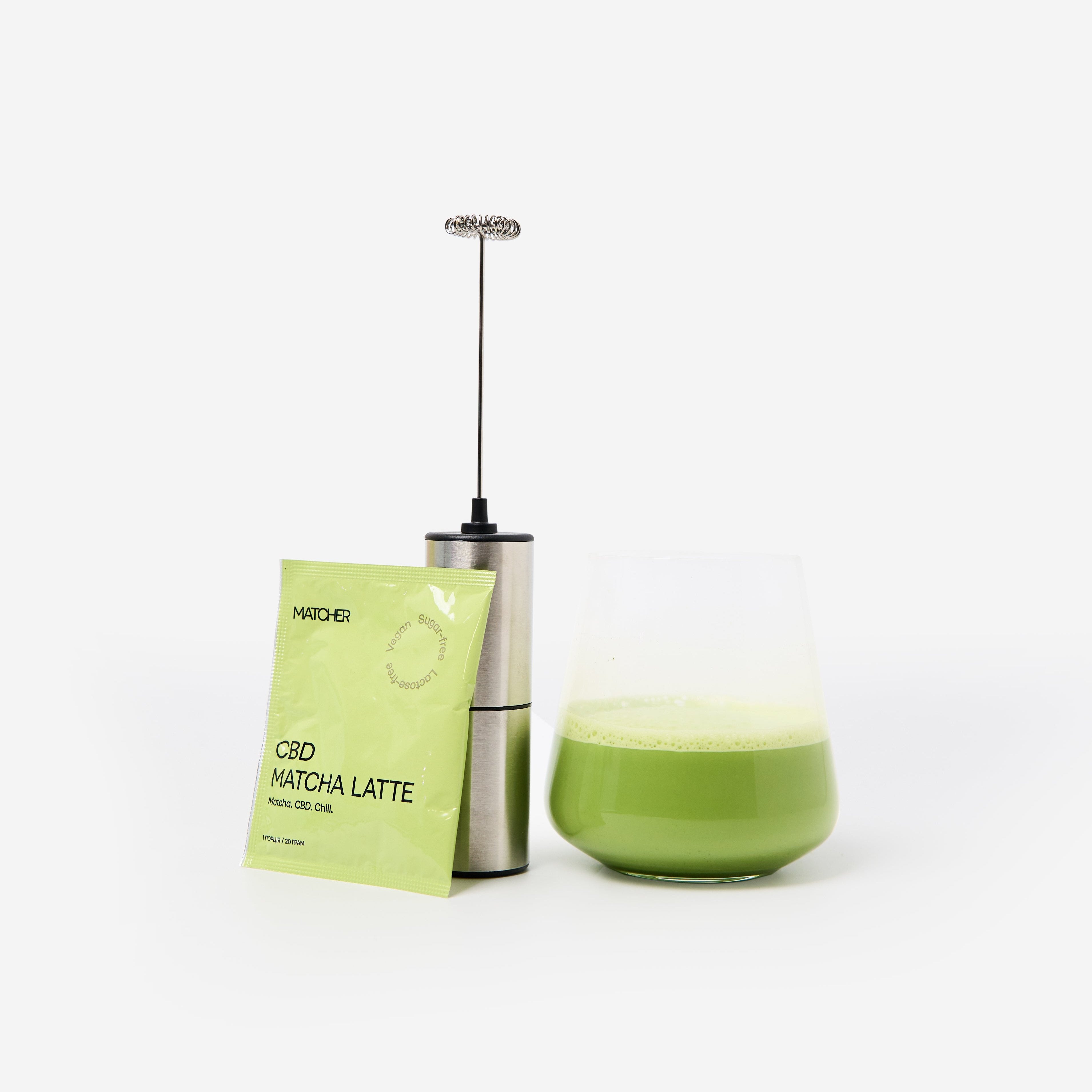
Want to make your own matcha latte at home? Head over to the Matcher Recipes section for proven and delicious step-by-step recipes from the Matcher.store team.