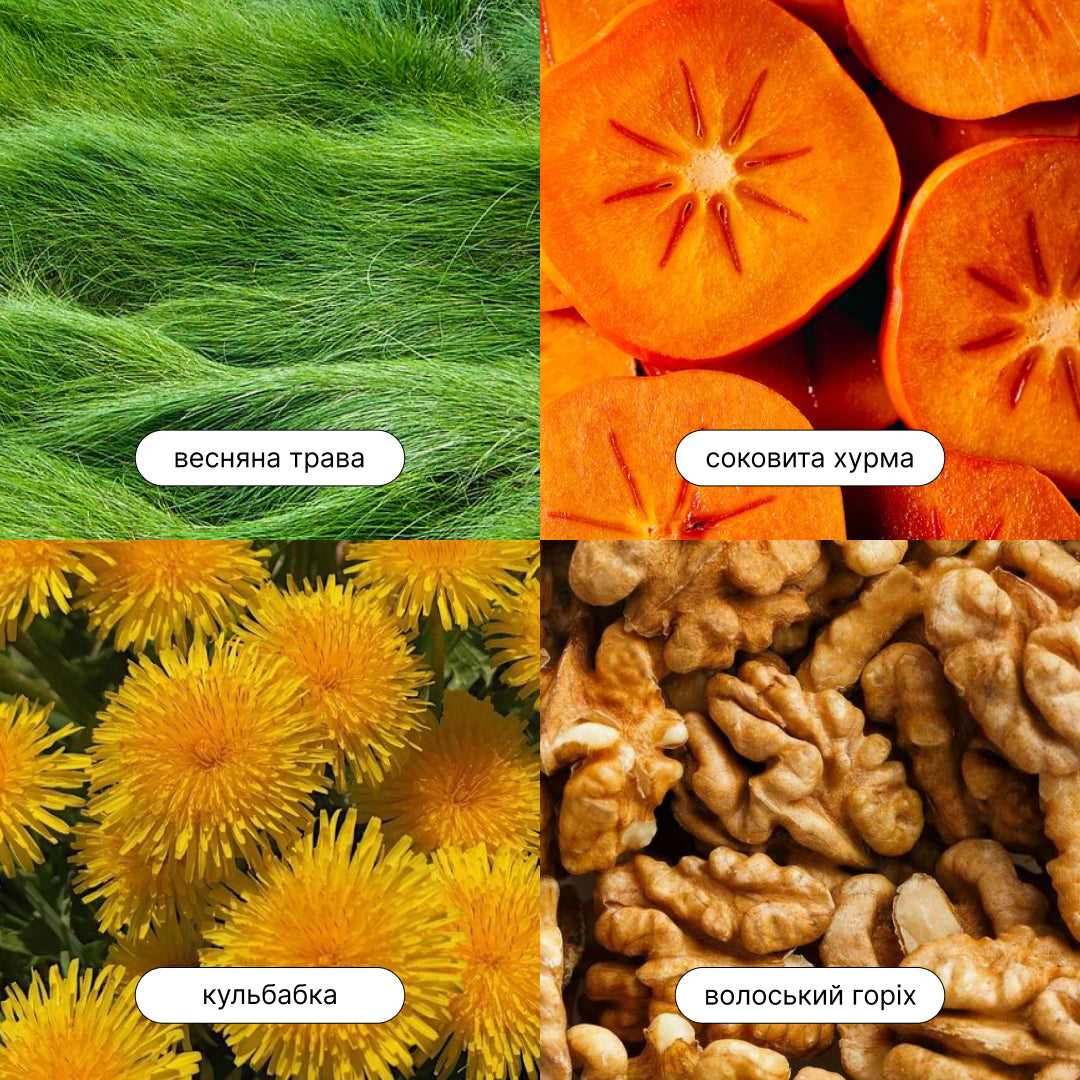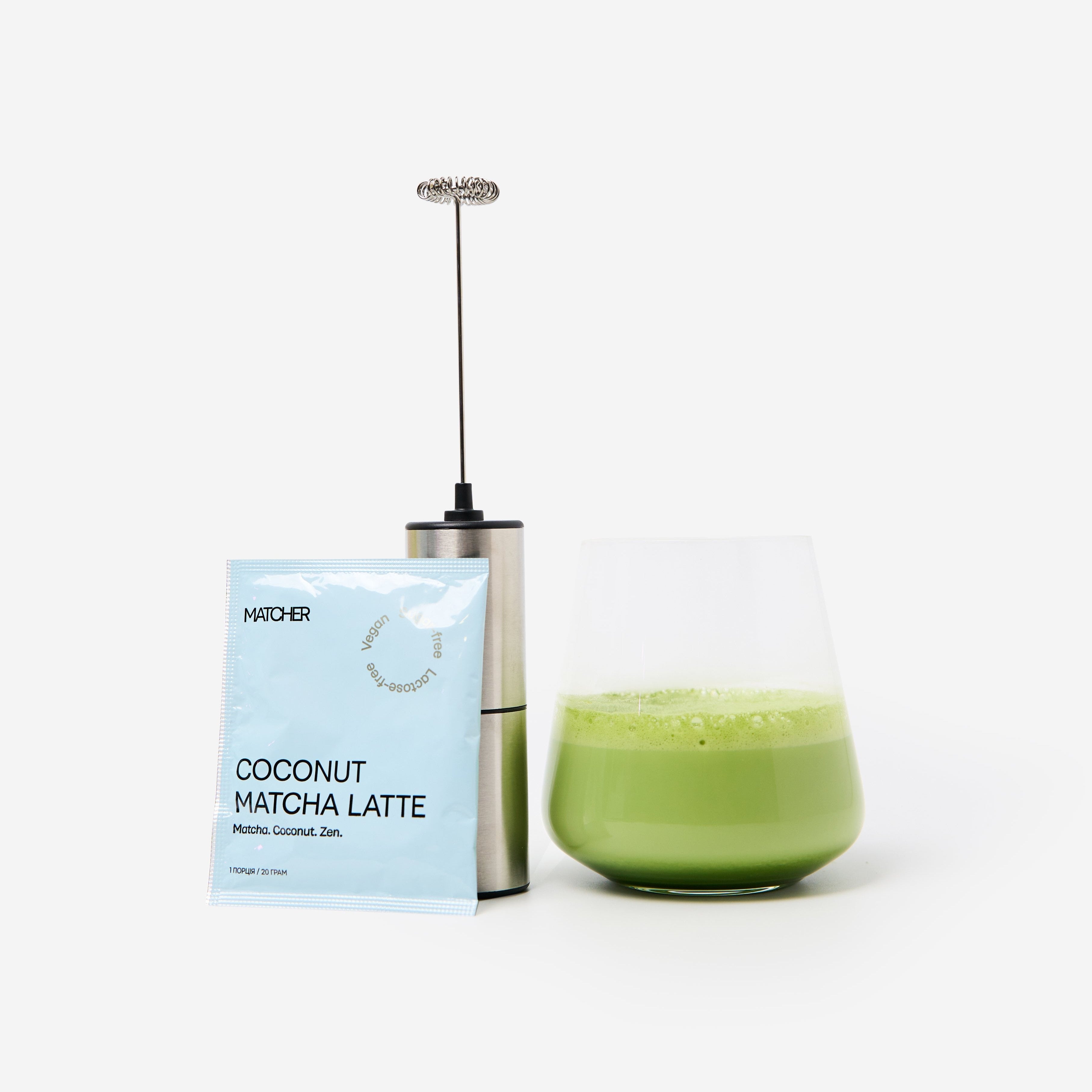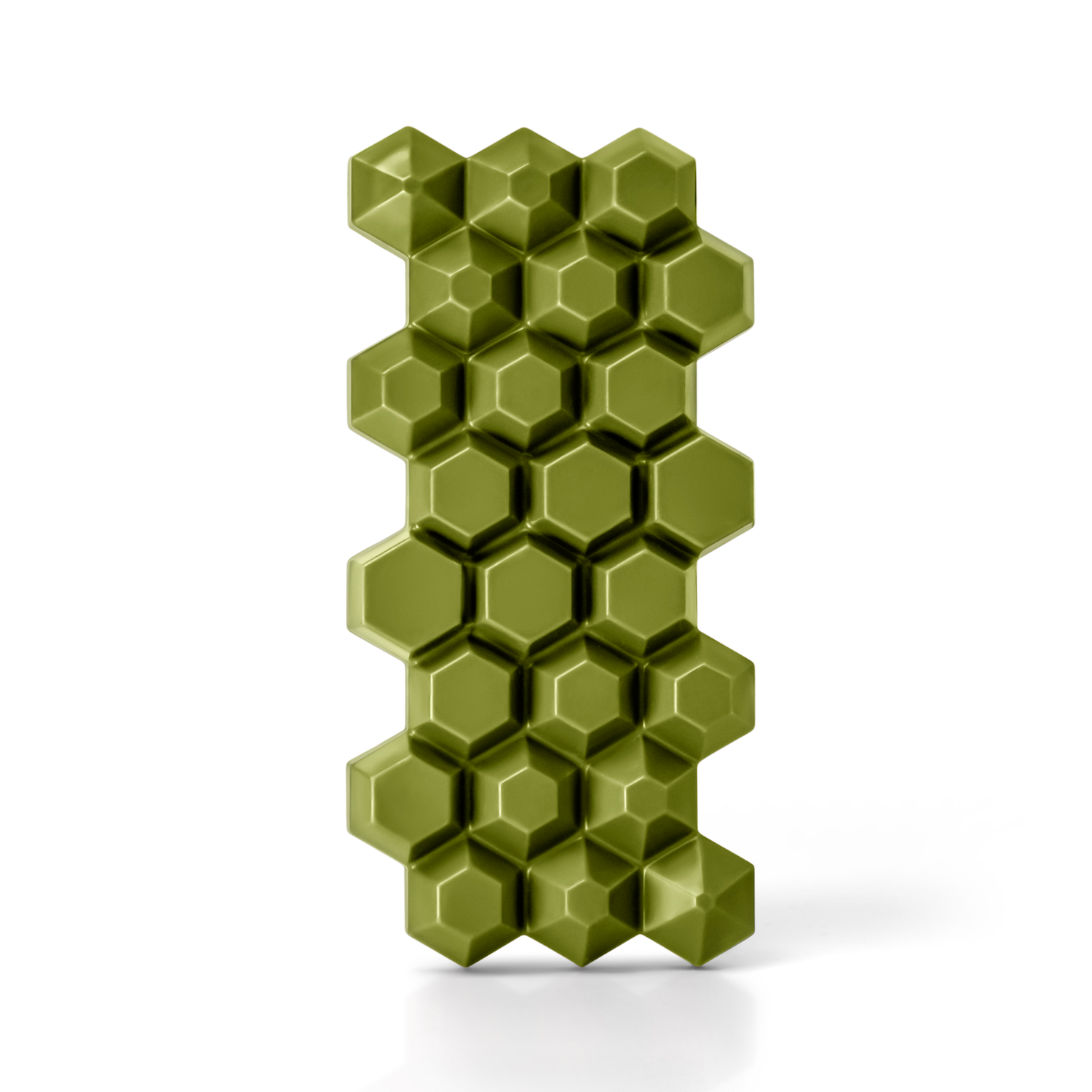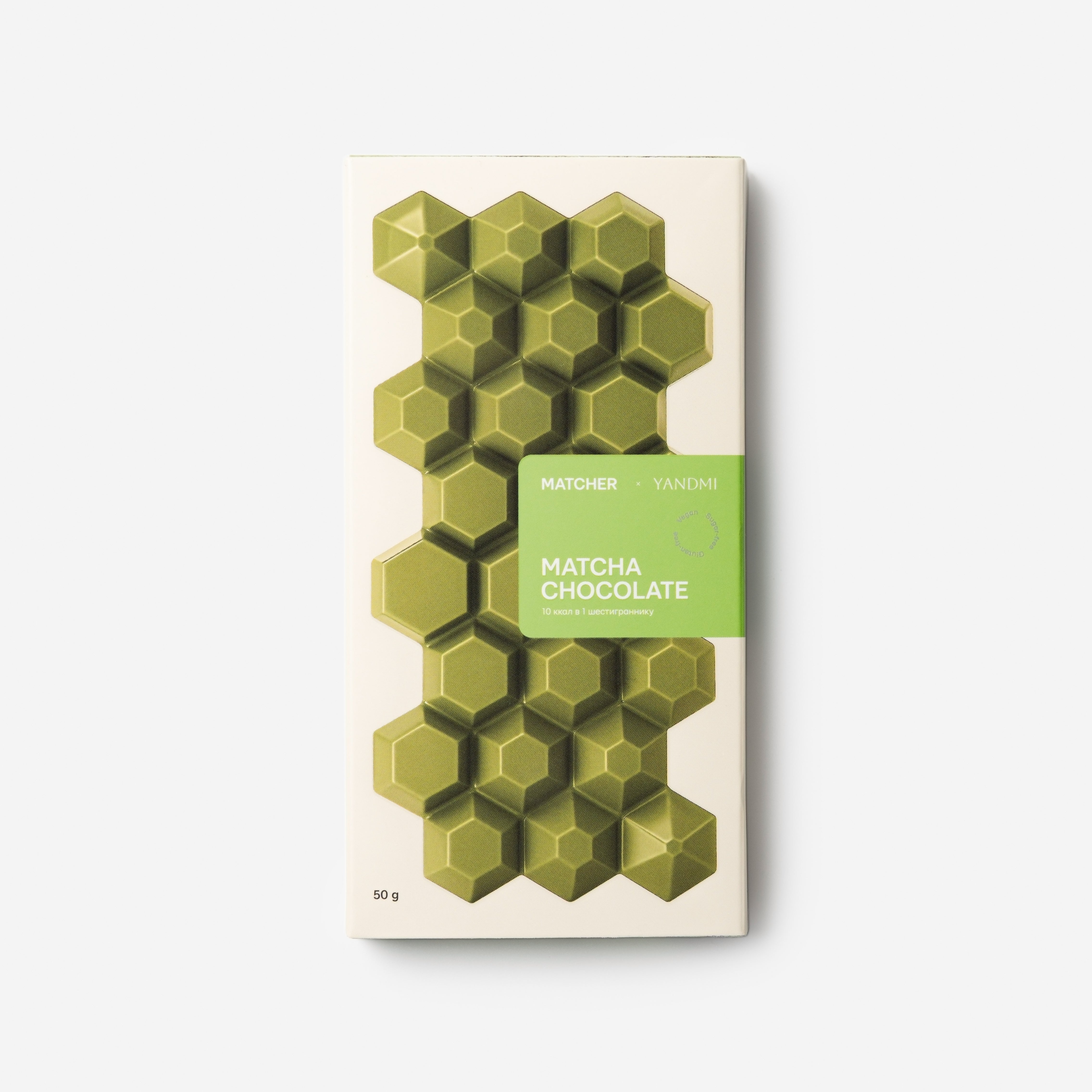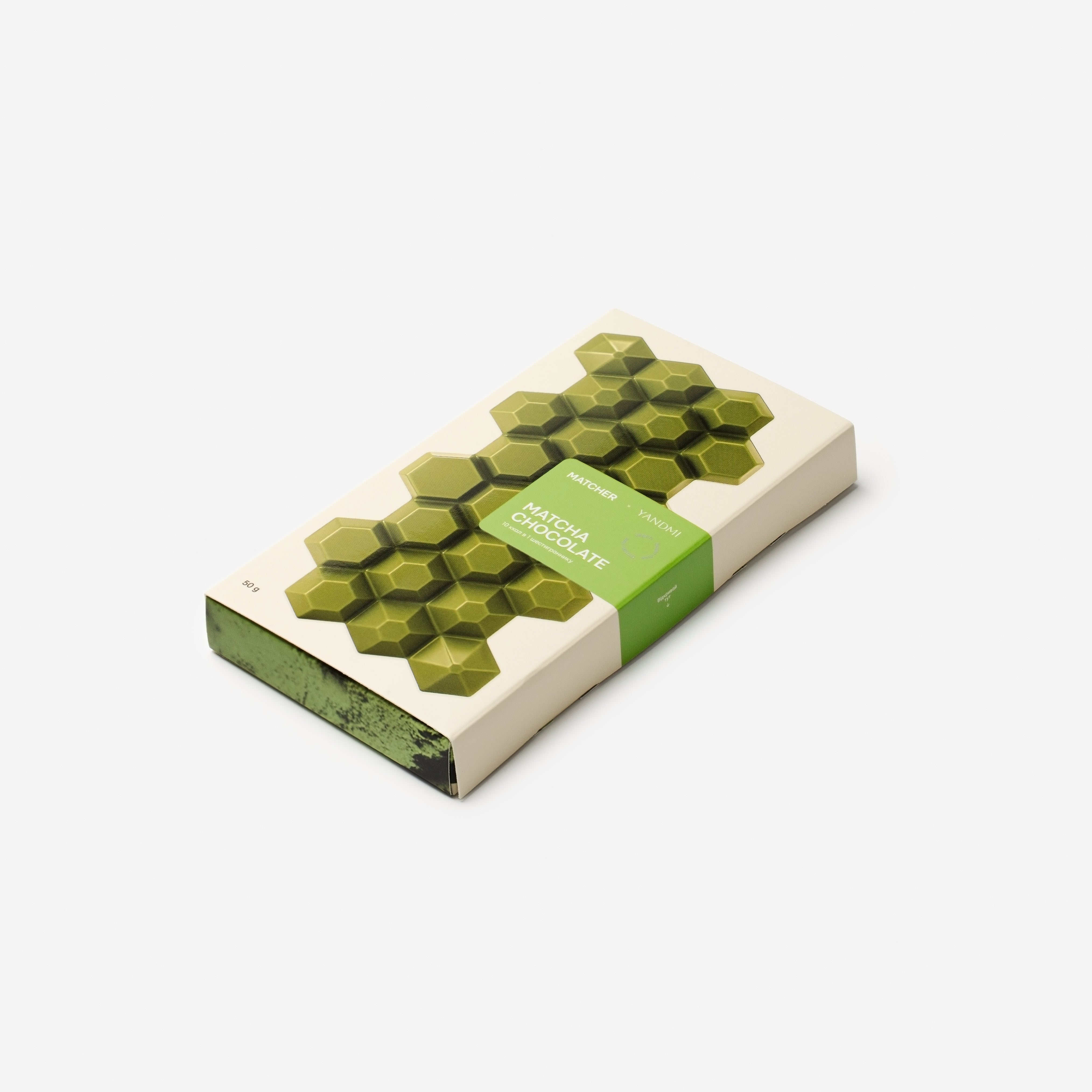


What are free radicals and how do they affect the body? Is it true that antioxidants in food improve skin, hair and overall health? We decided to deal with this together with a specialist, so we invited him to share information about antioxidants Anna Paraschuk . Anna is a specialist in biomedicine, naturopath and nutritionist.

What are active ROS: free radicals
Metabolism in the human body is accompanied by the formation of reactive oxygen species (ROS). These are free radicals that have destructive potential. They disrupt the work of cells, accelerate the aging of the body and increase the risk of developing atherosclerosis and many neurodegenerative diseases. Are there substances-antagonists of free radicals? Yes, and these are antioxidants — they keep free radicals at a safe level.
With age, the level of ROS in cells remains high, but at the same time, the formation of internal antioxidants decreases, as well as the intake of food antioxidants into the body decreases. Oxidative stress occurs when the balance between an excess of reactive oxygen species (free radicals) and oxidants is disturbed, leading to cell damage.
Oxidative stress additionally increases under the influence of:
- smoking cigarettes and vapes, inhaling cigarette smoke,
- alcohol use,
- frequent flights,
- consumption of products containing trans fats and oxidized fats,
- sugar consumption
- polluted air
- UV radiation,
- fungal, bacterial and viral infections,
- not getting enough sleep.
Antioxidants: how to get them from food
Now we know what free radicals are, how they affect the body, and most importantly, how to fight them. Now antioxidants come into play. So what antioxidants can we get from everyday food? Let's understand:
- Bioflavonoids: citrus fruits, rose hips, licorice, lingonberries and blueberries
- Anthocyanins: rose hips, cranberries, seeds and skins of grapes
- Resveratrol: black grapes
- Vitamin C: rosehip, chokeberry, citrus fruit, kiwi, acerola, cranberry
- Vitamin E (α, β, γ, δ-tocopherols, tocotrienols): wheat germ oil, sea buckthorn, rice germ oil
- Carotenoids (α, β, γ-carotenes, lutein, lycopene, astaxanthin): carrots, tomatoes, brown
- seaweed, bell pepper
- Plant indoles (indole-3-carbinol): broccoli, Brussels sprouts
- Sulfur-containing products: onion, garlic
Glutathione is our most important internal detoxifier. Here are the functions it performs:
- participates in the hepatic phases of detoxification,
- binds and neutralizes toxins, heavy metals, carcinogens, xenobiotics,
- participates in supporting the work of the adrenal glands, regulating the level of cortisol,
- restores antioxidant vitamins,
- participates in the synthesis of hair and skin pigment - melanin.
Why matcha is a powerful antioxidant
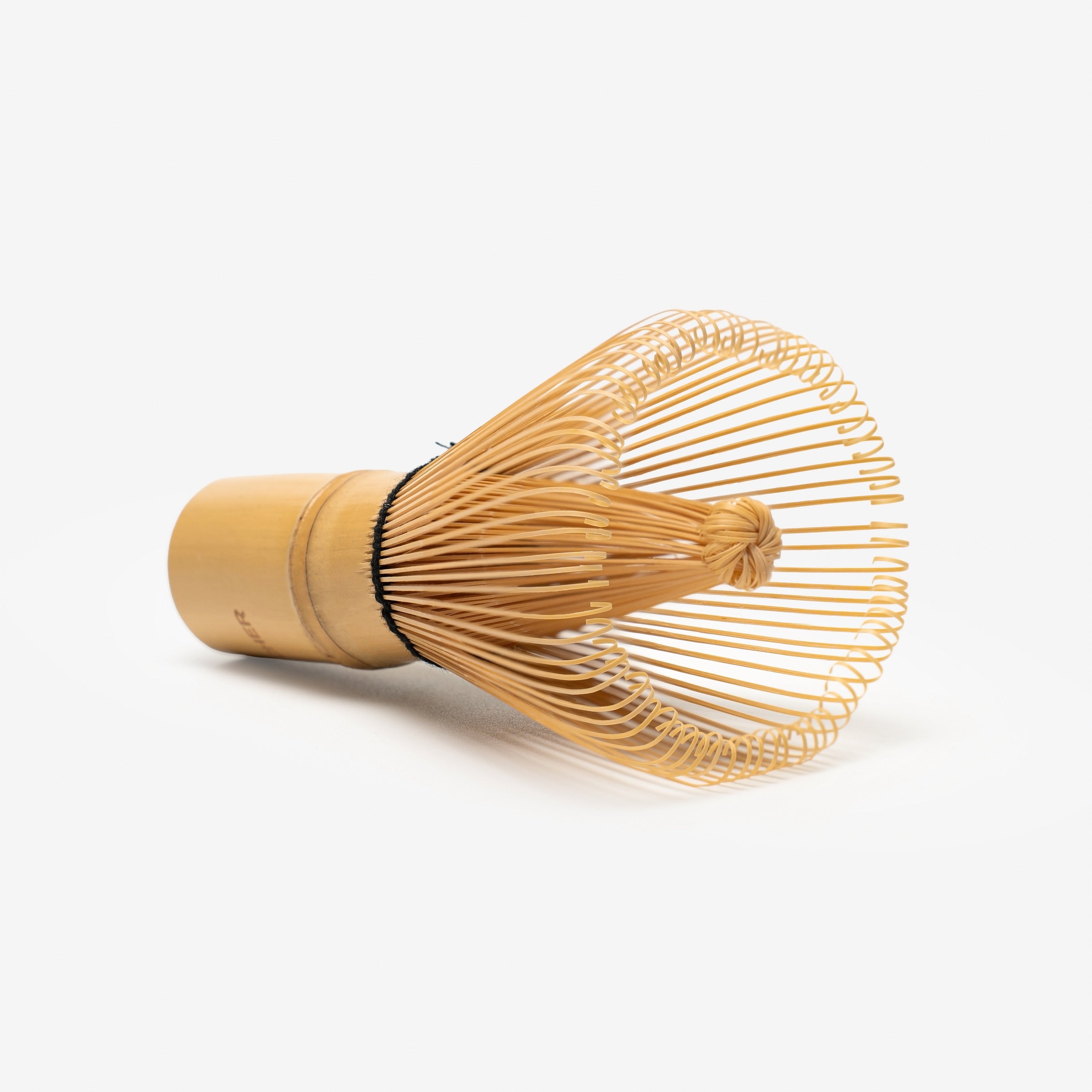
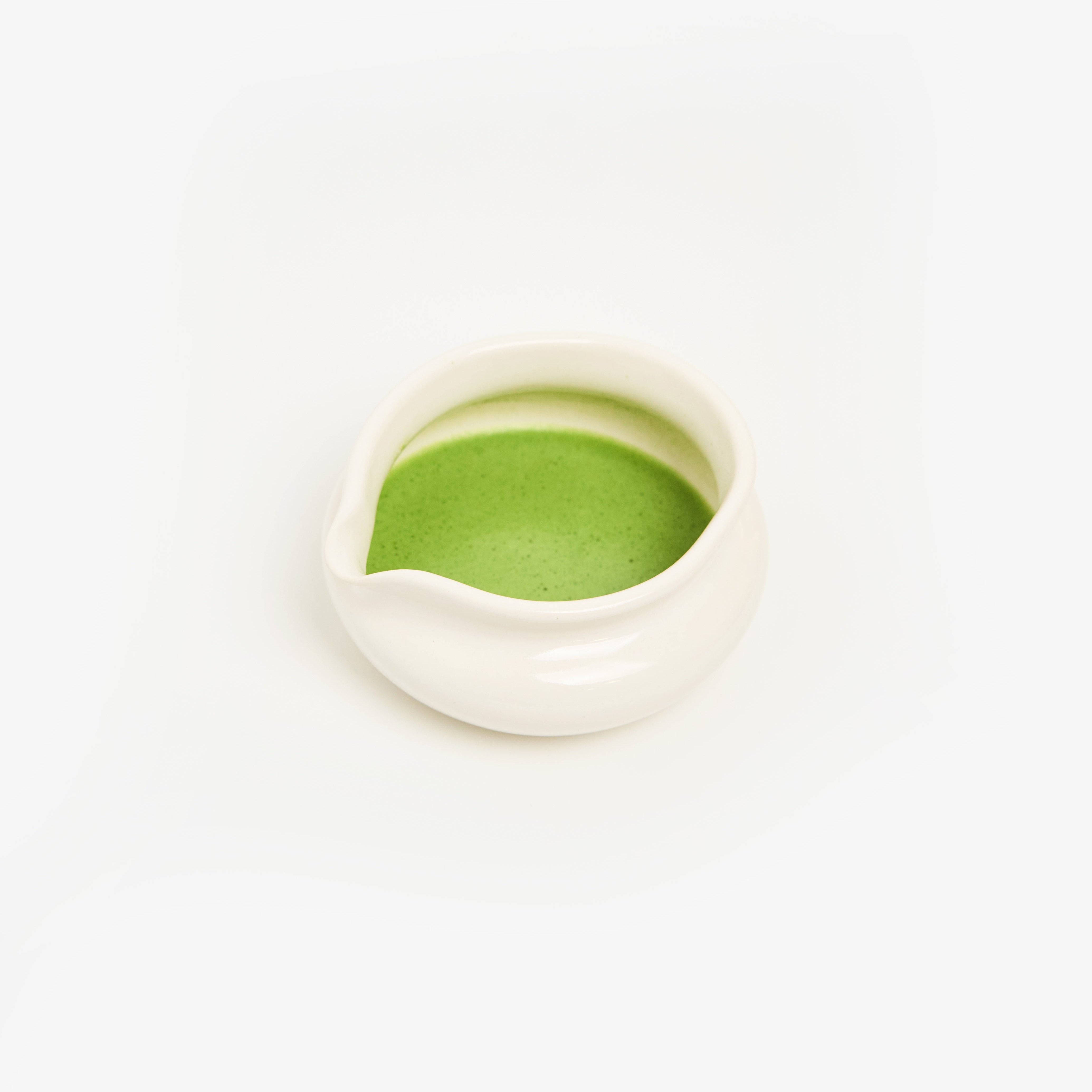
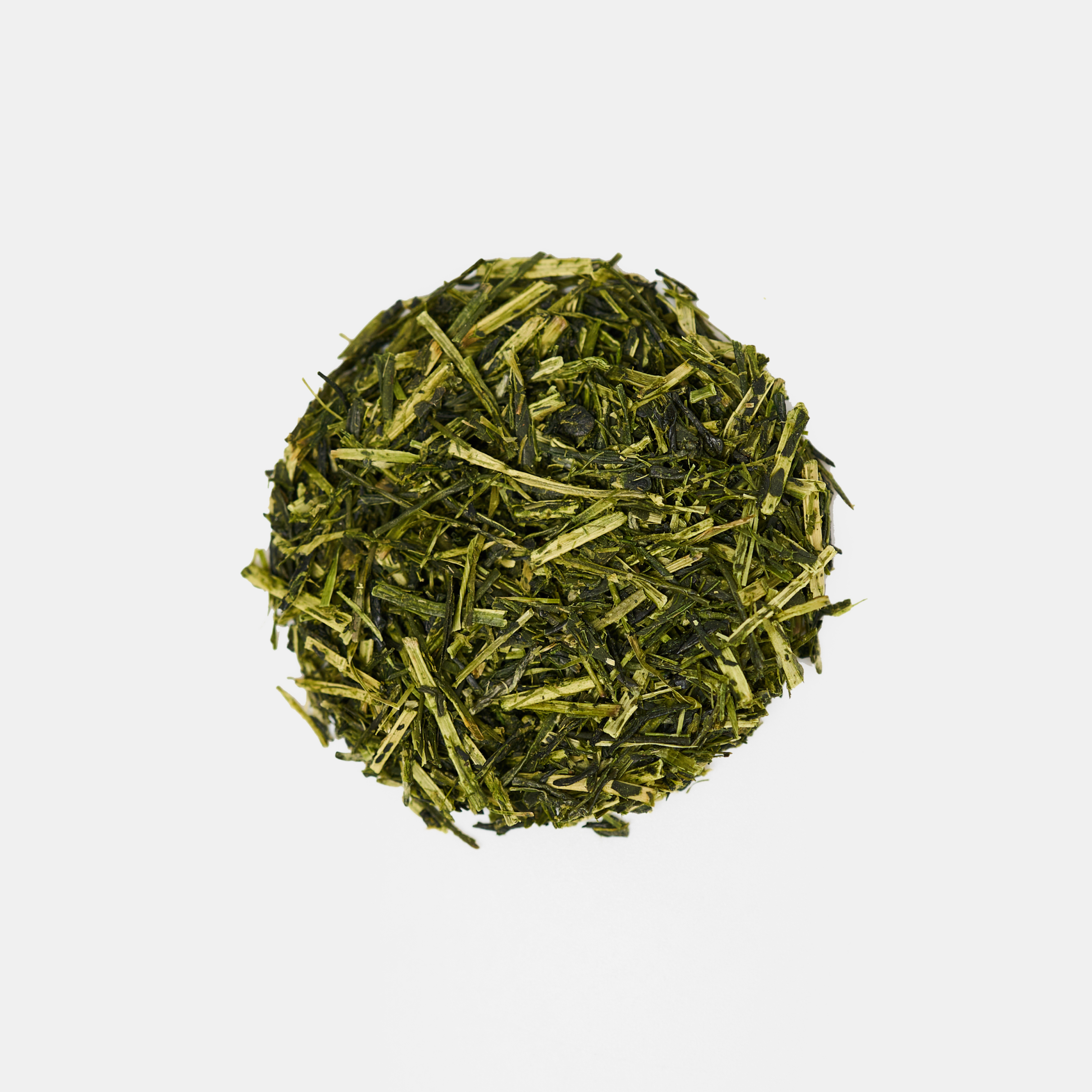
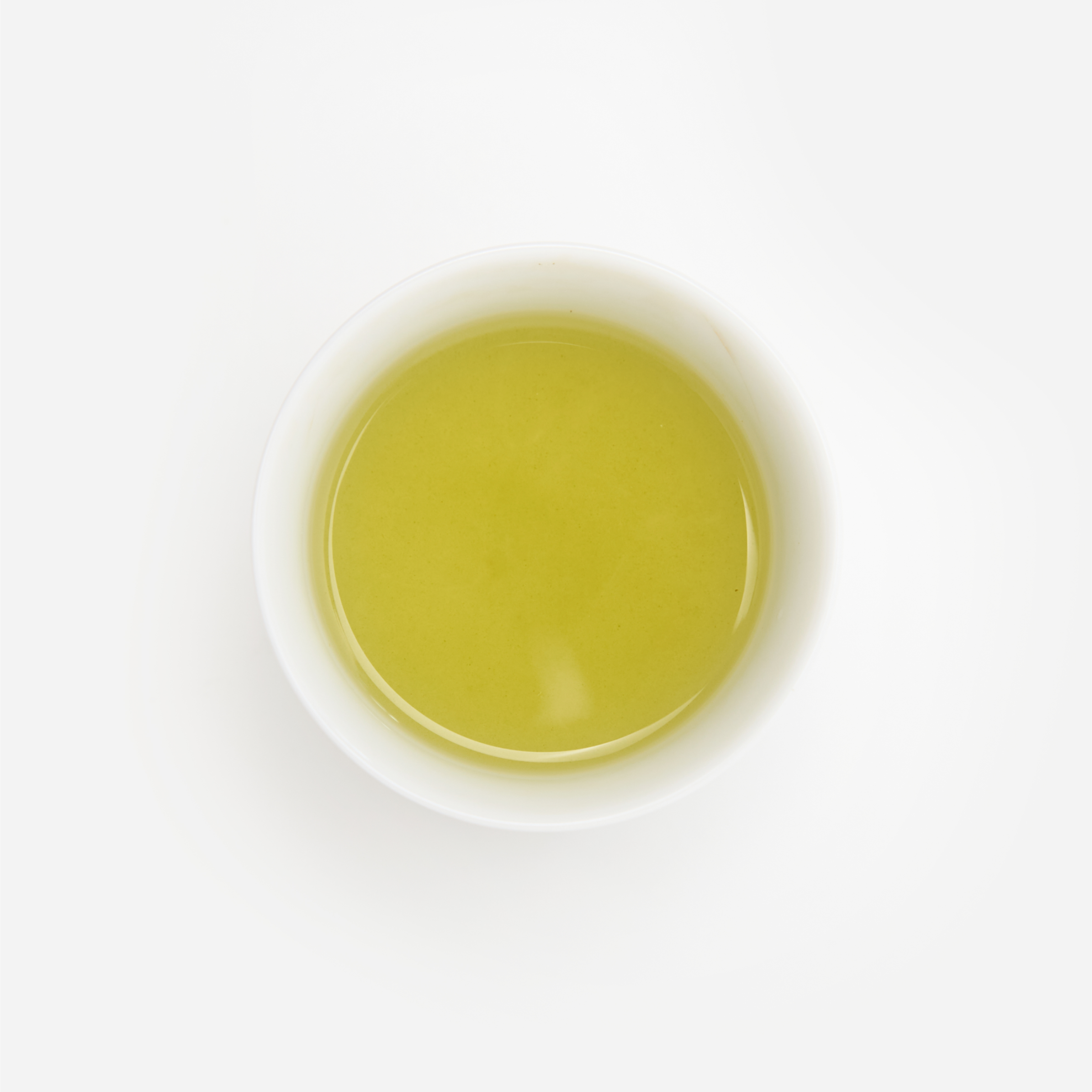
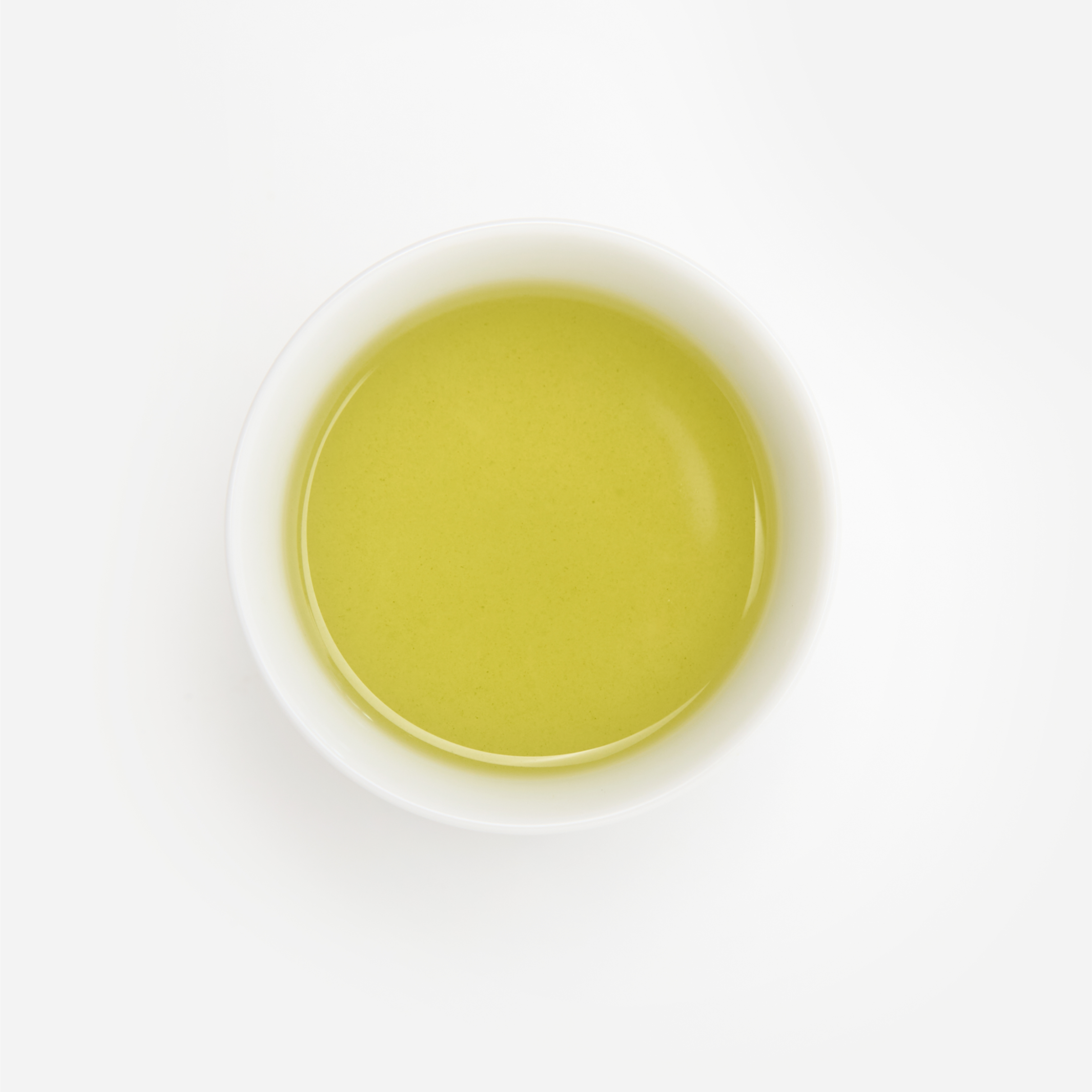
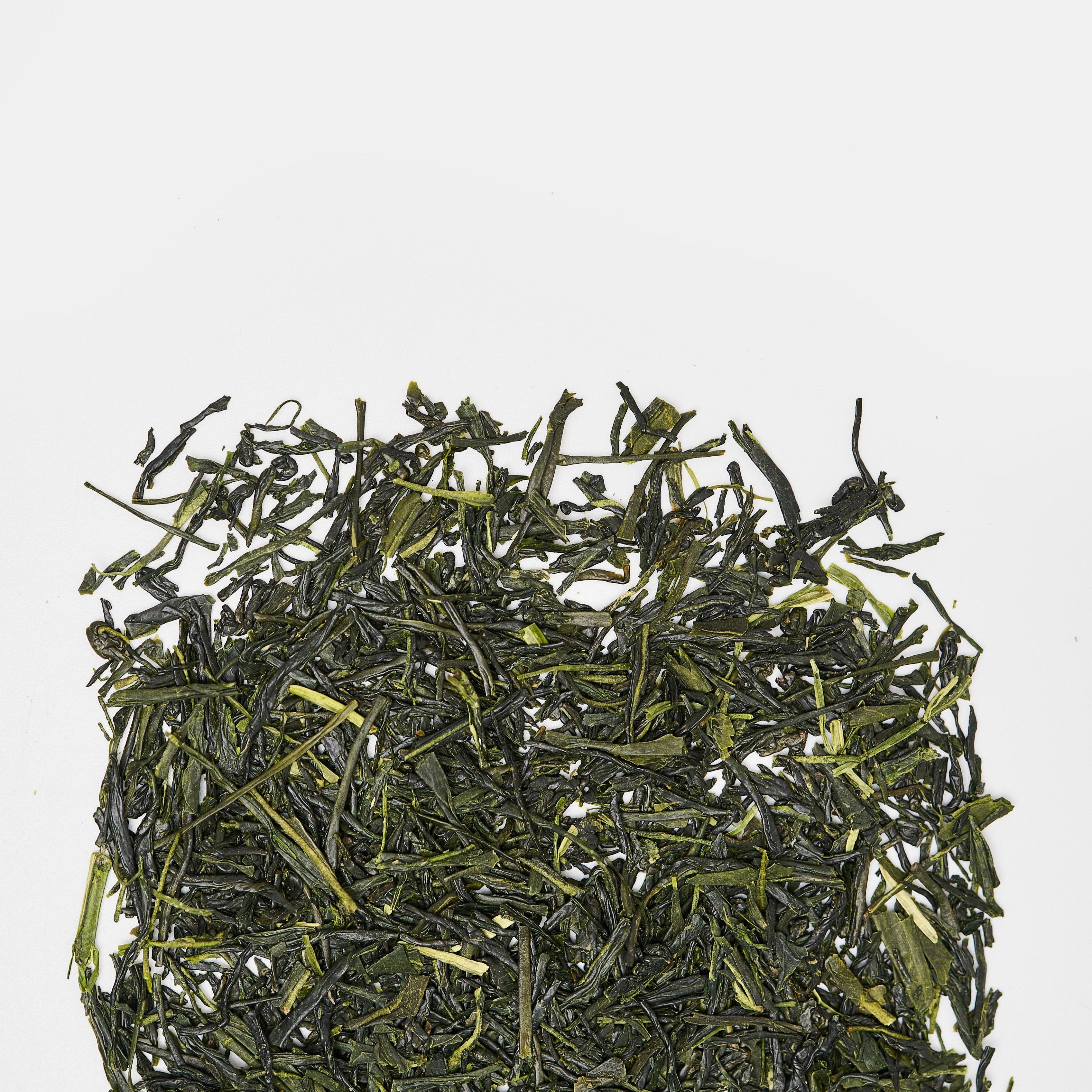
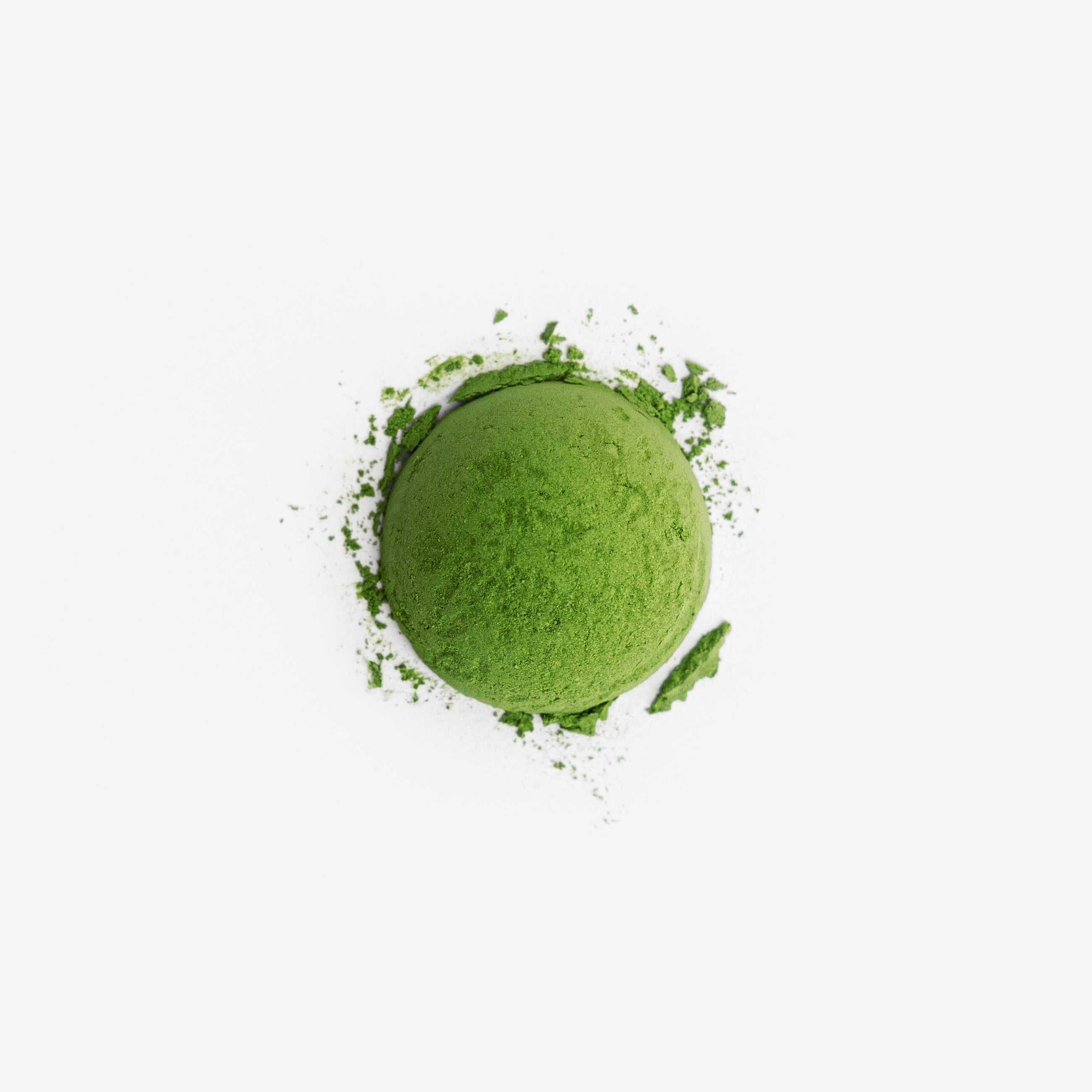
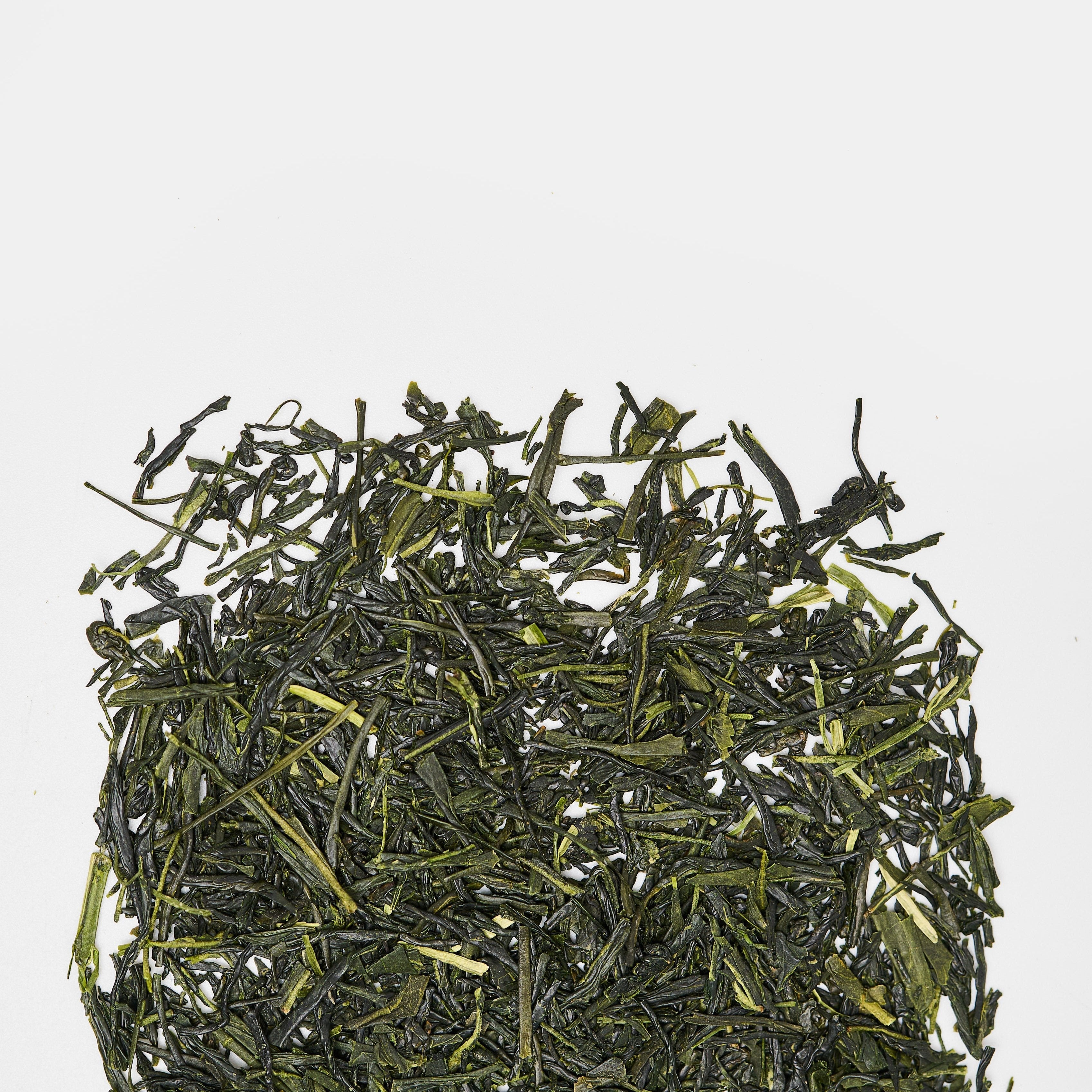
Matcha is a Japanese green tea that is one of the most powerful antioxidants that we can consume every day. Here are 4 reasons why matcha is a superfood:
- contains lutein, vitamins K, C and a large amount of bioflavonoids (in particular, rutin, which allows vitamin C to oxidize);
- contains green tea catechins. They have a strong antioxidant capacity, neutralize free radicals and increase the detoxification activity of enzymes (glutathione reductase, glutathione peroxidase and catal reductase);
- contains chlorophyll , which accumulates in the leaves as a result of the shading of tea bushes;
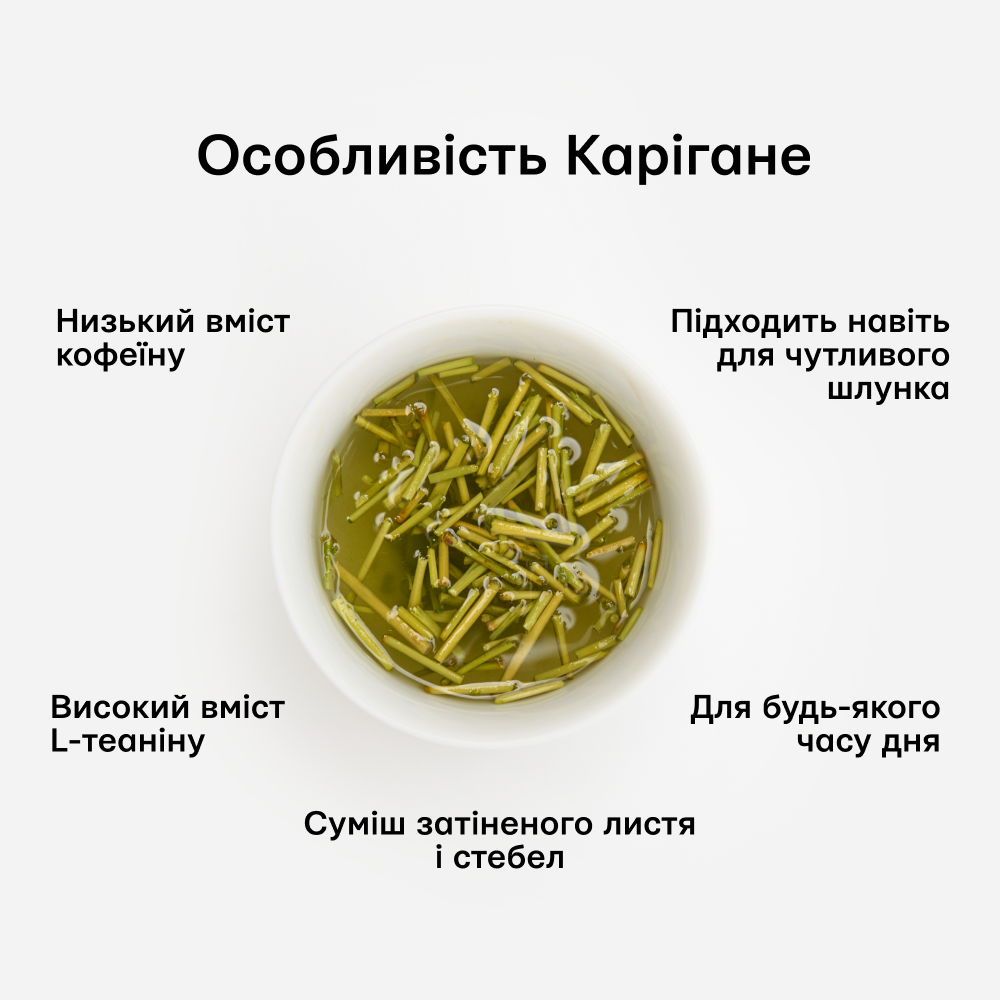
- has a high content of l-theanine , the main "soothing" amino acid of green tea. One cup of matcha contains 25-40 mg of theanine.
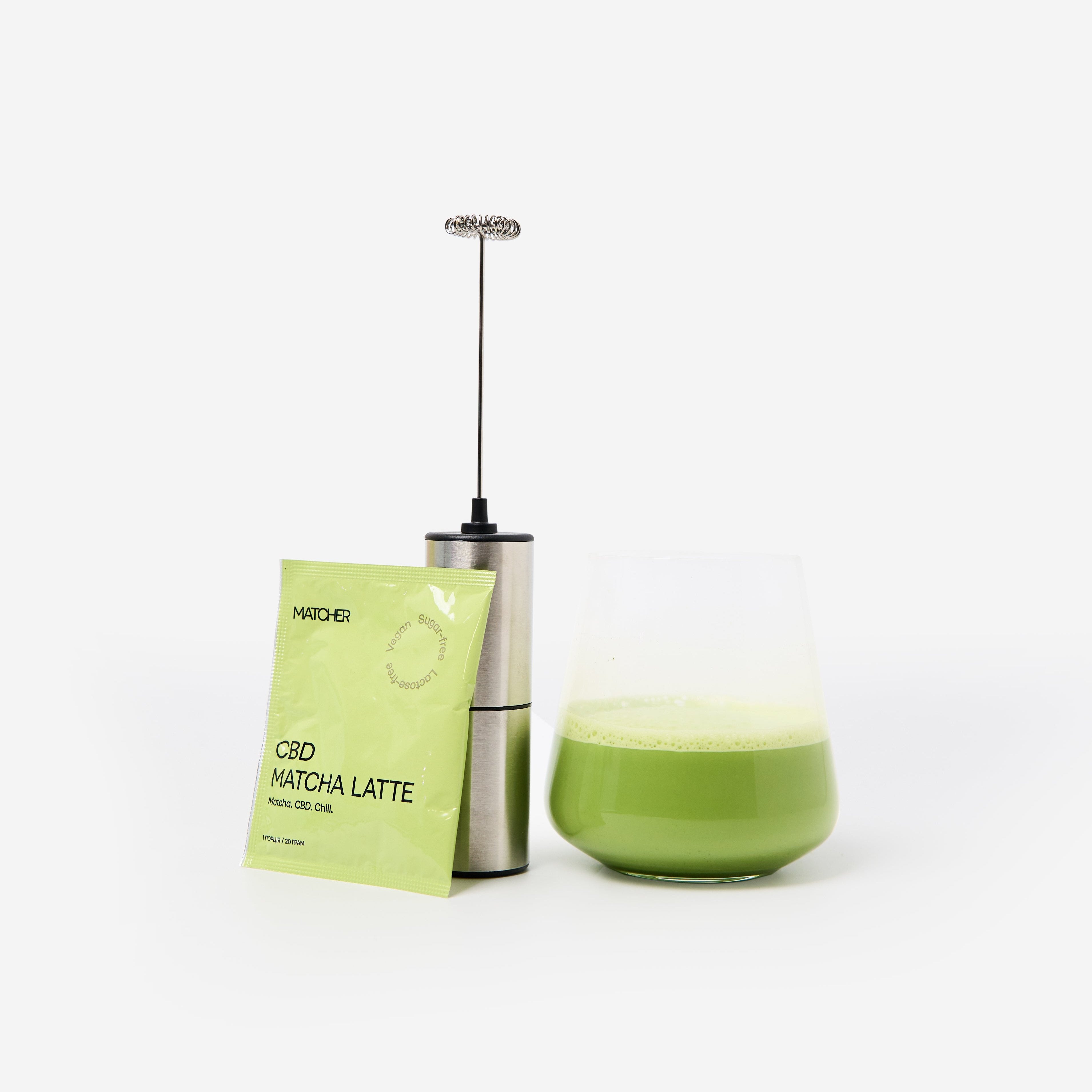
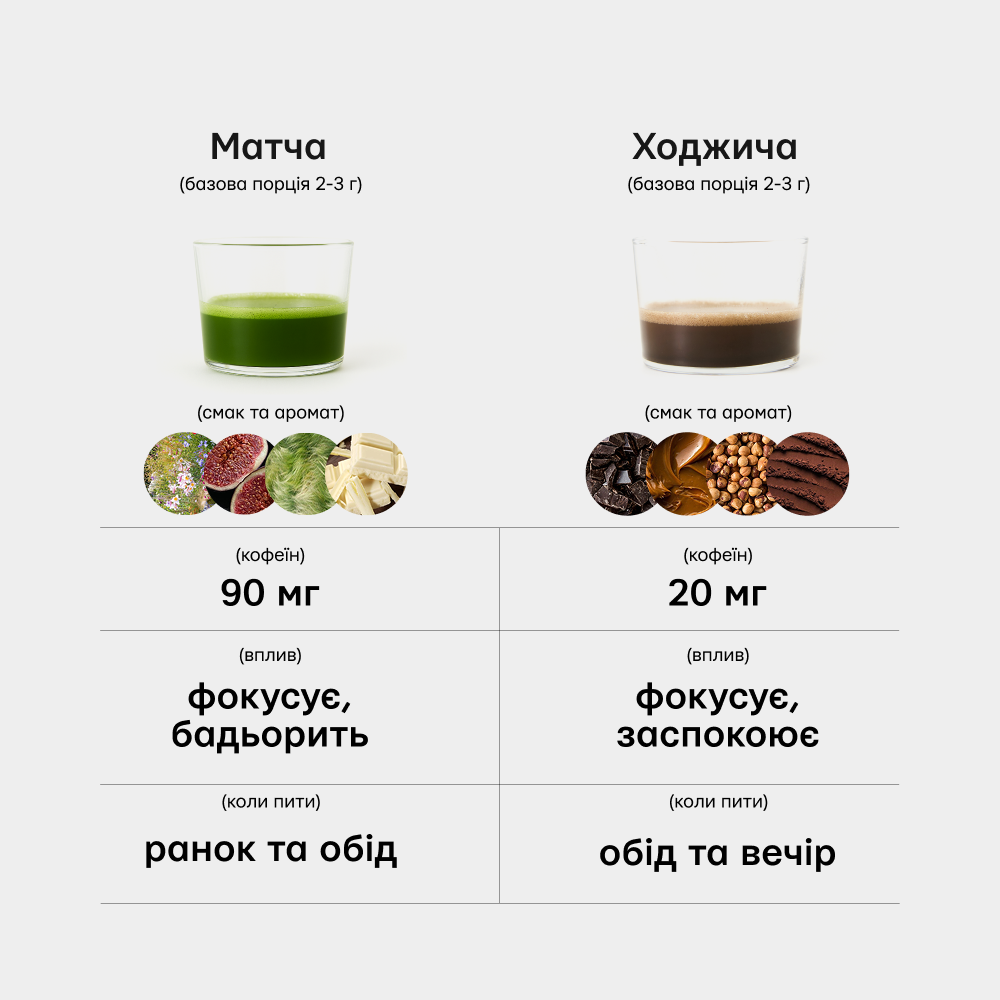
A big bonus of matcha is that tea affects the nervous system more gently than coffee. After all, theanine penetrates through the blood-brain barrier, improving the work of neurotransmitters: serotonin, dopamine and GABA. In addition, the caffeine from matcha has a slower onset of action than the caffeine in coffee. That way, after a cup of matcha latte, you won't feel the intense excitement, hand tremors, or anxiety that you do after coffee.
It is for these properties that I really like to use matcha not only as a drink, but also to bake various products with it for children: pancakes, cupcakes, waffles. That's how I try to include a lot of colorful products in my family's diet in different ways, — Anna Paraschuk.
Where to buy matches in Kyiv: Matcher.store
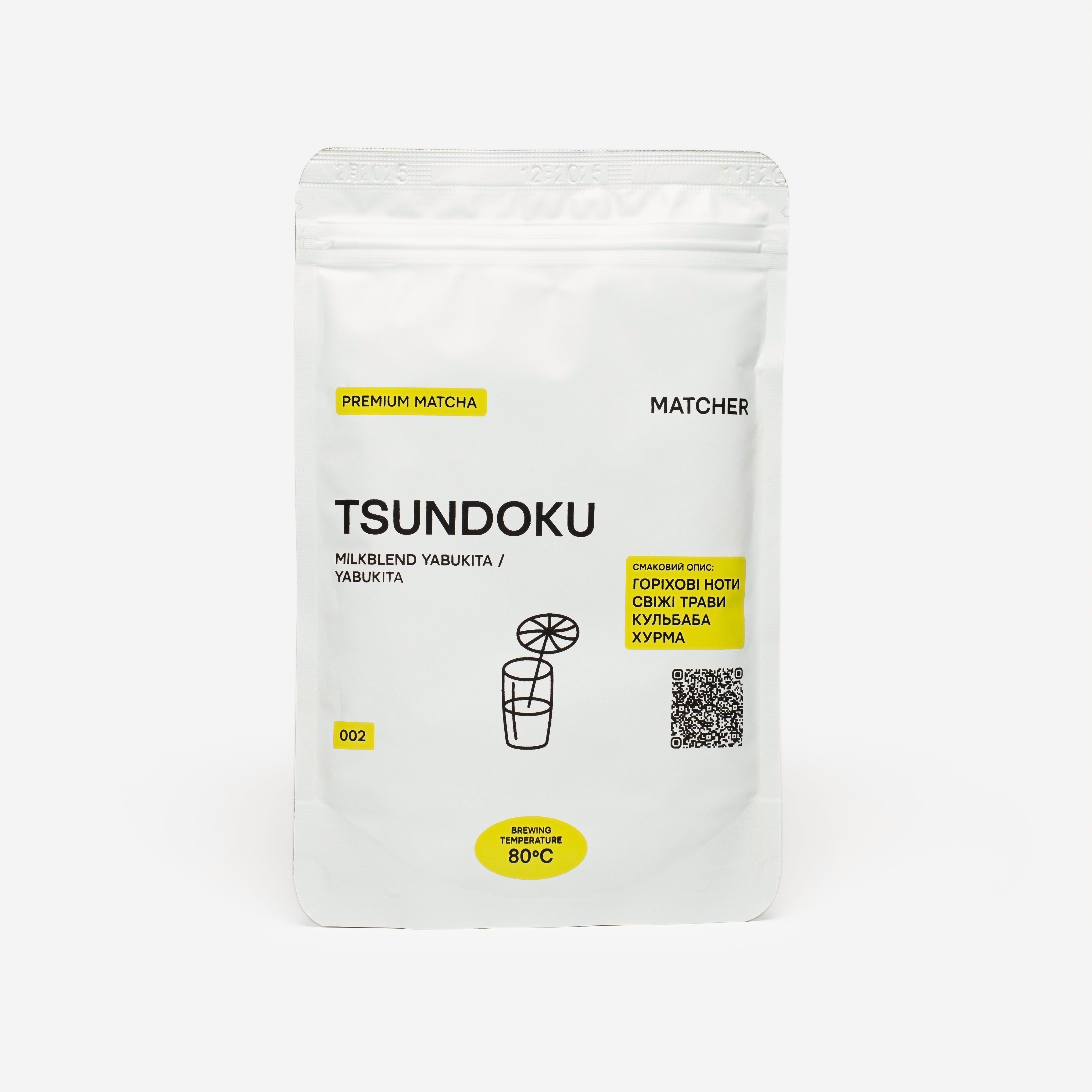
Matcher.store has a special collection of six types of matcha: organic, farm, always freshly ground and ISO certified. In the catalog, you can choose matcha for any type of brewing and preparation of refreshing cocktails. Thanks to detailed descriptions, it is easy to get to know the product even before using it. Order matches with delivery to Odesa, Kherson, Lviv and other cities of Ukraine or use the pick-up option.