

Increased appetite before menstruation is a common phenomenon that worries many women. Is this normal or do I need to see a doctor? We asked body-positive nutritionist Darina Marchenko . It helps with eating behavior and building a relationship with food through self-love. Darina reveals the topics of body positivity, beauty standards and the problems of "diet land" in social networks.

Prejudices and stereotypes
Unfortunately, our society still has prejudices and stereotypes about the behavior and nutrition of women during menstruation. Some people believe that increased appetite is a sign of weakness or lack of self-control. However, in fact, this is a natural process caused by hormonal changes in the female body. It is important to understand that such changes are normal and should not become a reason for condemnation or self-condemnation.
Why do we want a lot of "tasty"?
Increased desire to eat "tasty" before menstruation is associated with hormonal changes. During this period, the level of estrogen and progesterone fluctuates, which affects our mood and appetite . We often feel the urge to eat sweets or fatty foods due to an increase in the level of cortisol, the stress hormone. The body seeks quick energy to cope with emotional fluctuations and physical discomfort.
Tips for nutrition in the premenstrual period and during menstruation:
-
Balanced nutrition
Try to eat a diet rich in protein, healthy fats, and complex carbohydrates. This will help maintain a stable level of energy and reduce the desire to constantly "chop". -
A sufficient amount of water
Dehydration can make you feel hungrier, so it's important to drink enough water throughout the day. -
Consumption of foods rich in magnesium
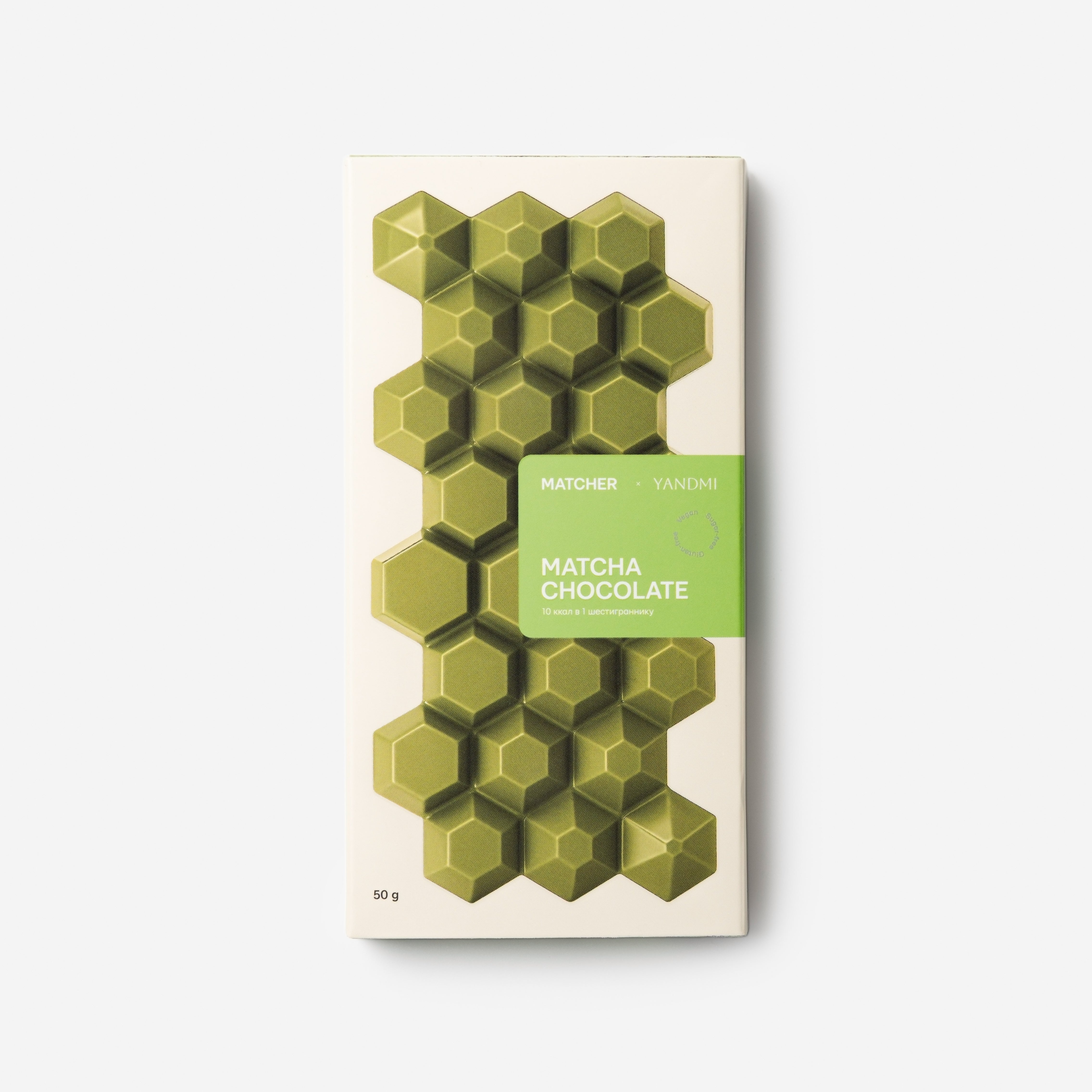
Chocolate contains magnesium, but there are other sources of this mineral, such as nuts, seeds, bananas and spinach. -
Food legalization
You should allow yourself all the goodies you want, but you should take care of balanced plates during the day to avoid overeating purely "sweets". -
Vitamins and minerals
Consume adequate amounts of B vitamins, iron and calcium. This will help support general well-being and energy. -
Smoothies with superfoods
Try a smoothie with spirulina, chlorella or maca. These superfoods are rich in antioxidants and can improve mood and boost energy. -
Experiment with flavors
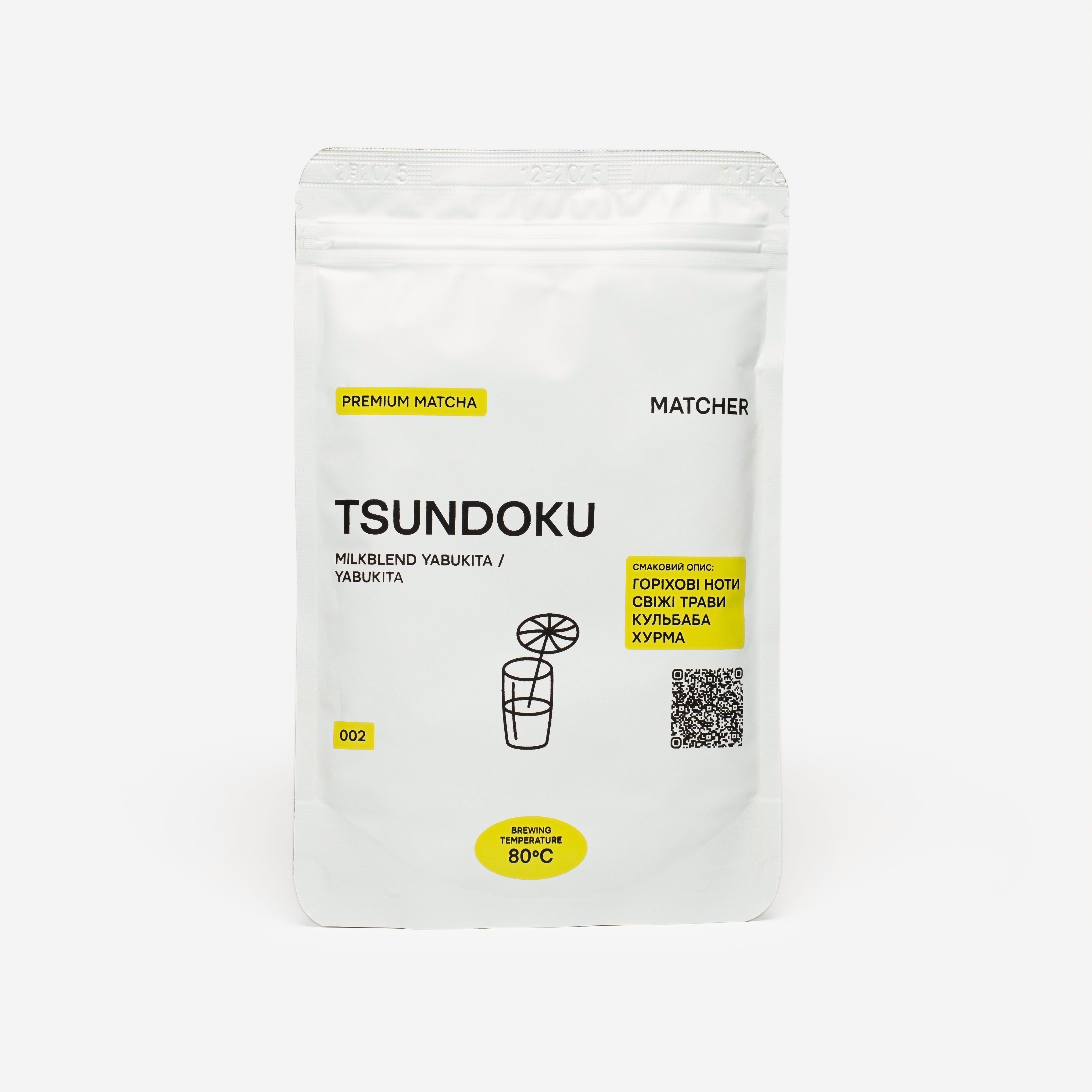
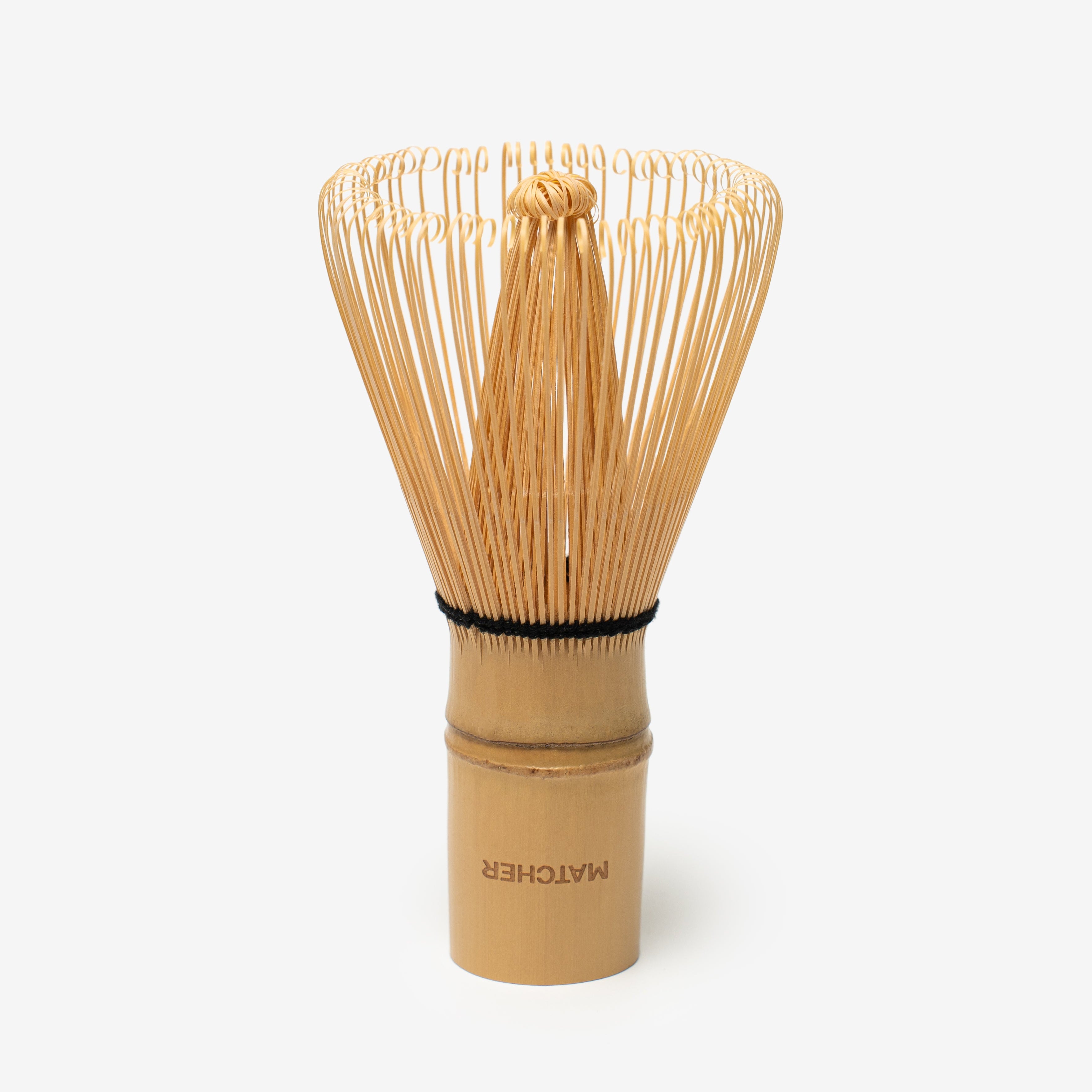
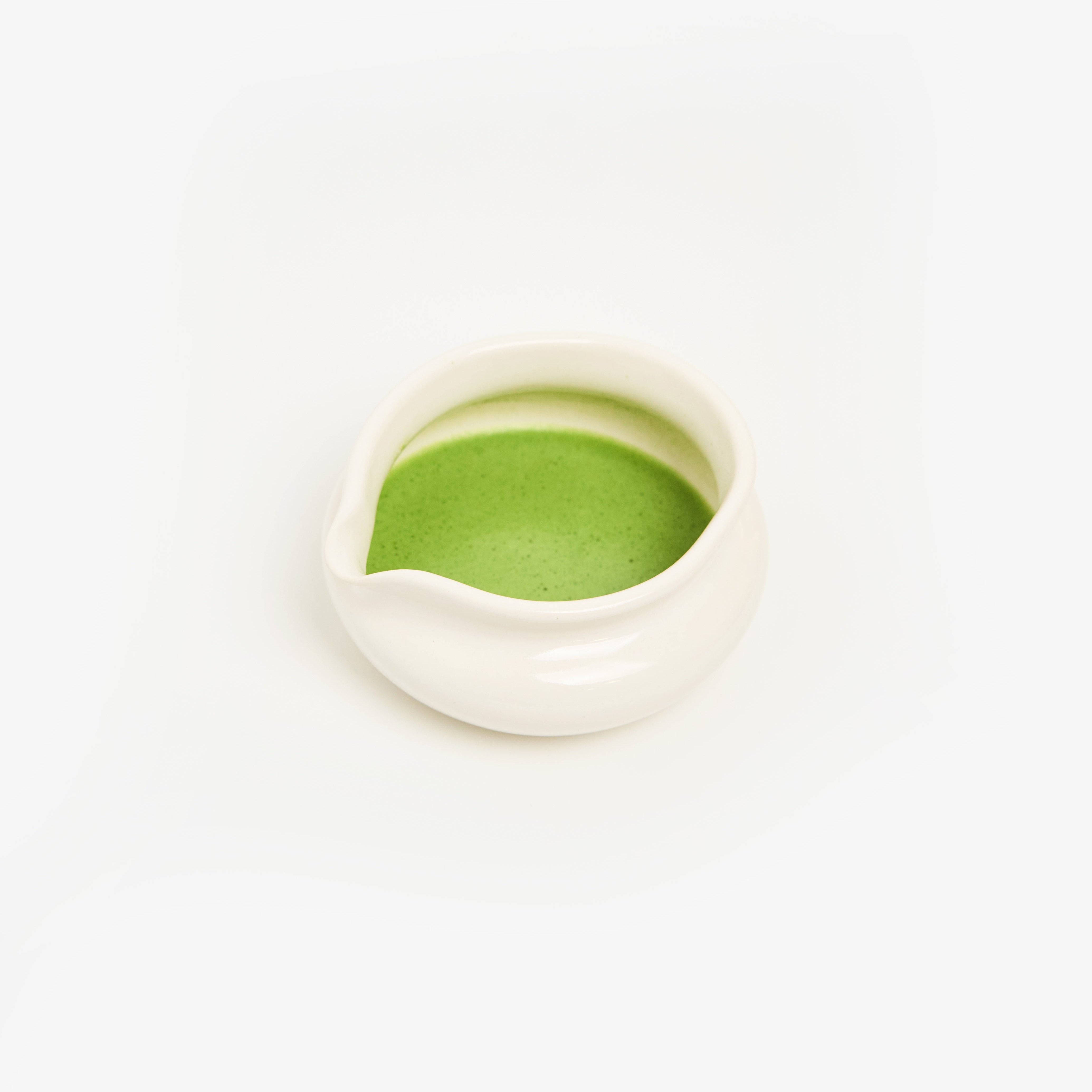
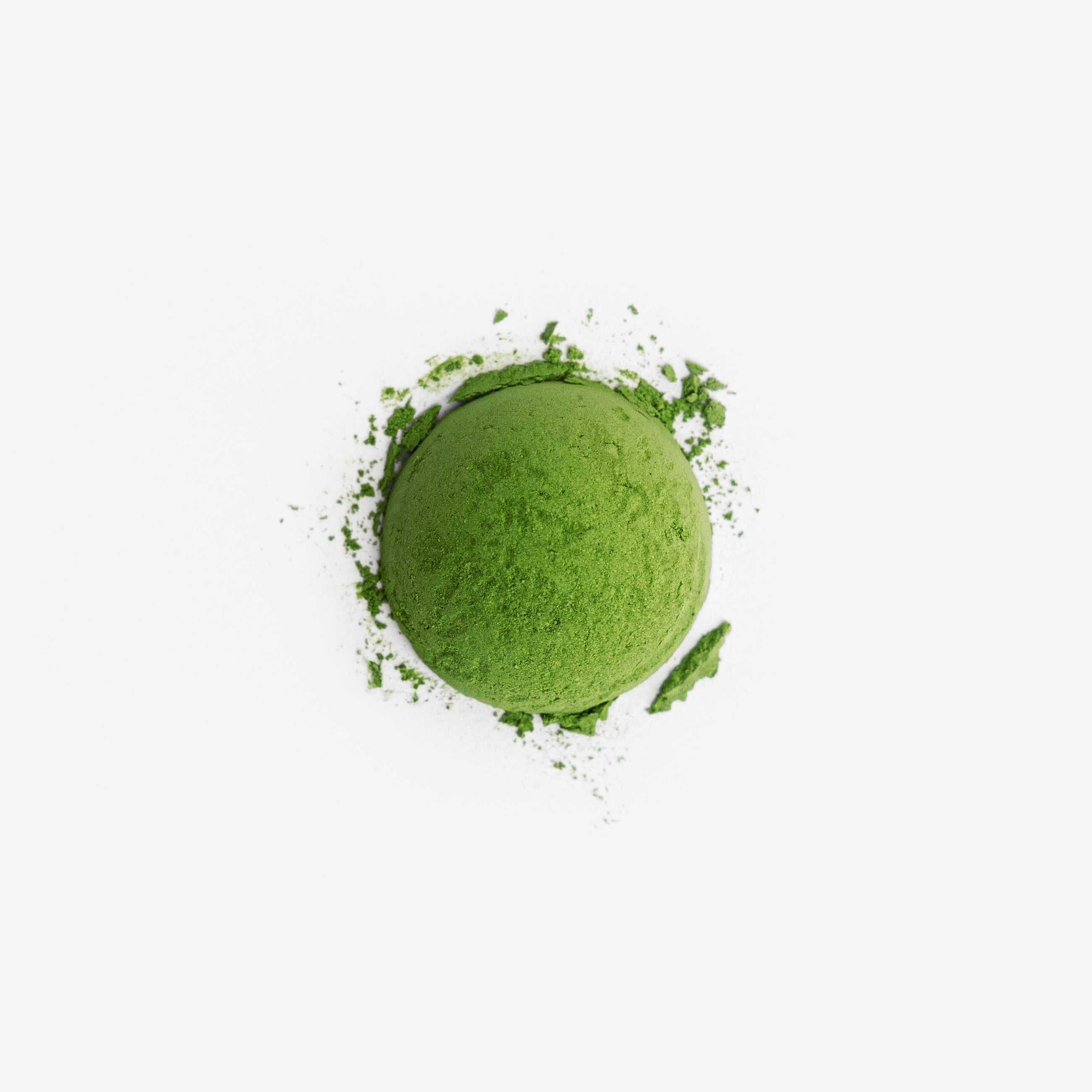
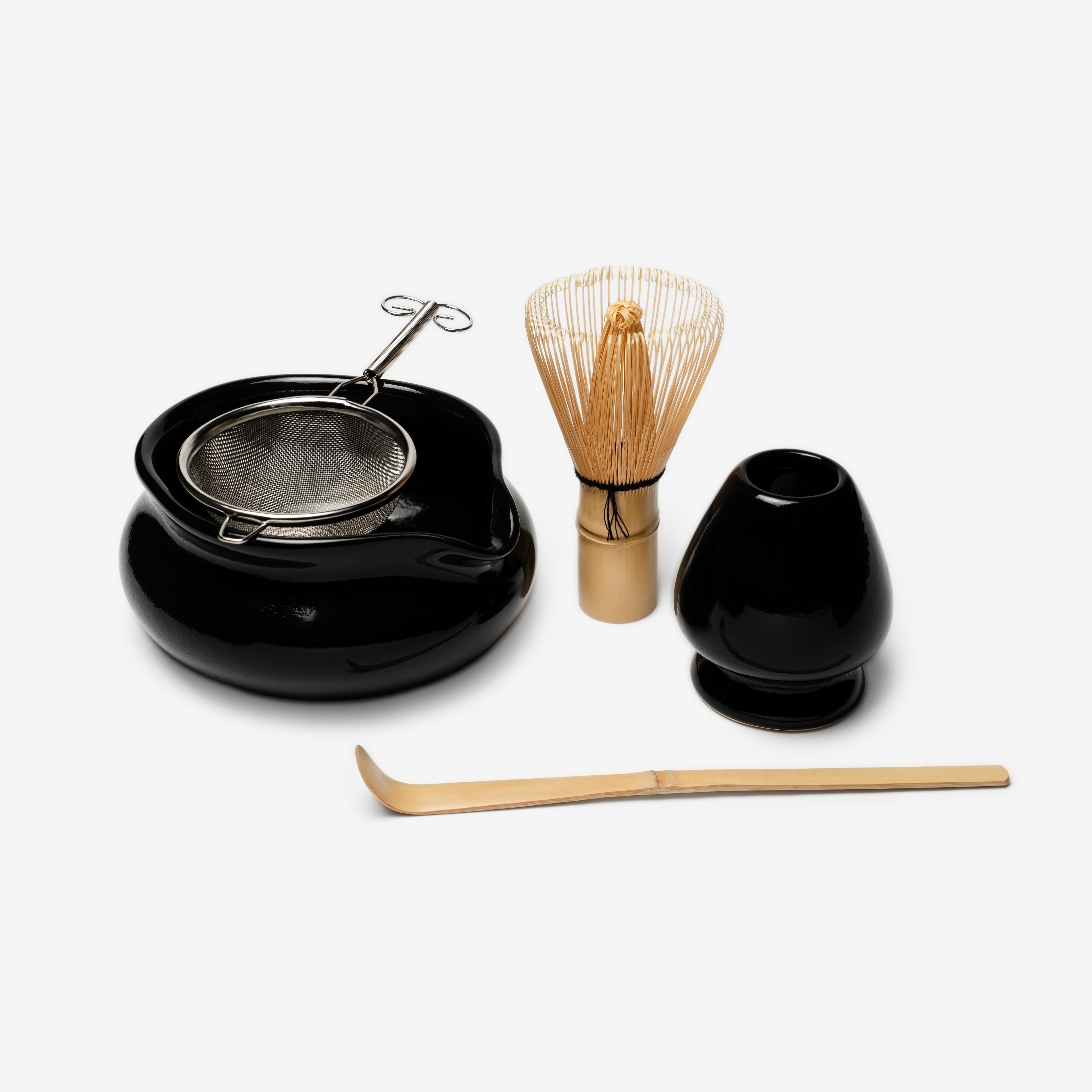
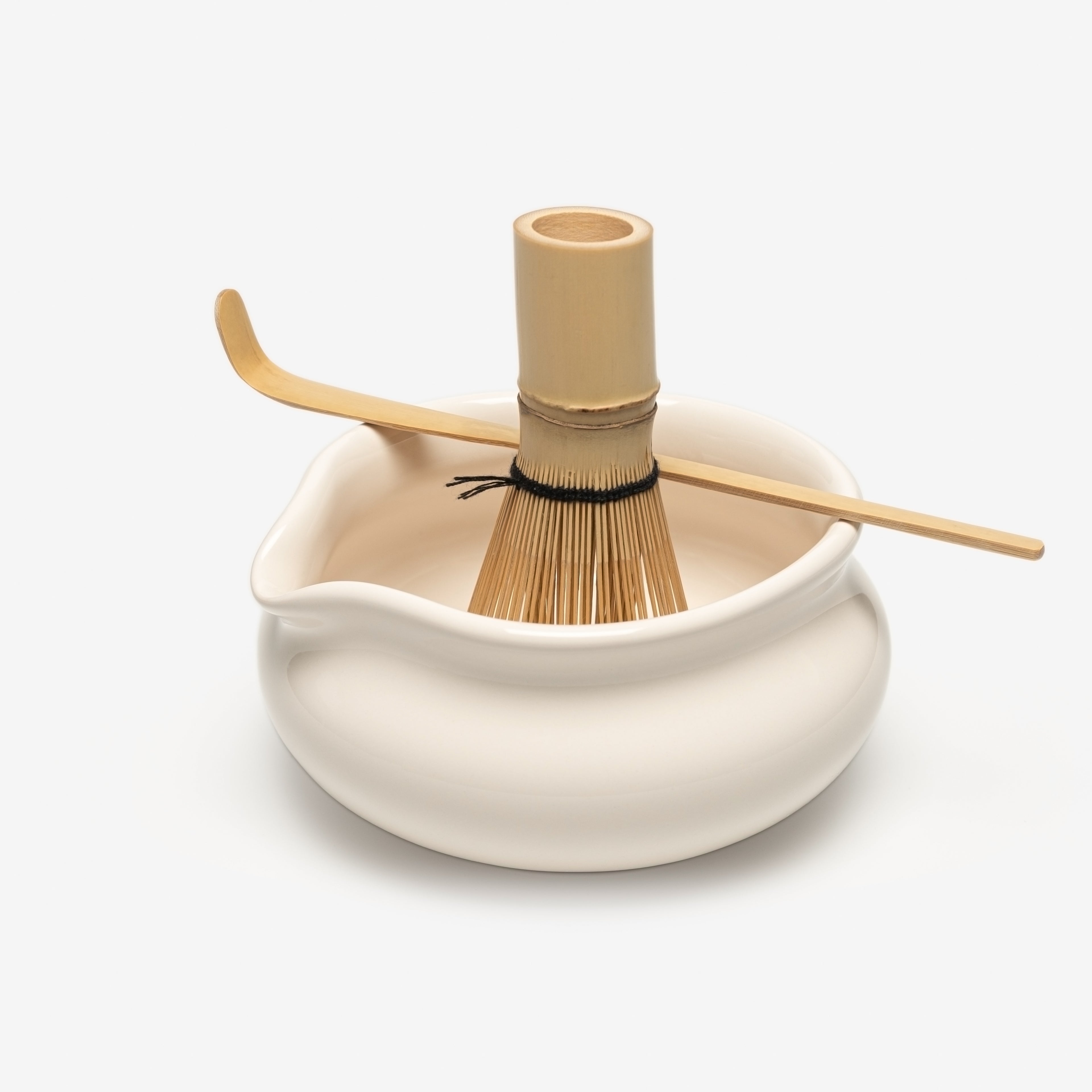
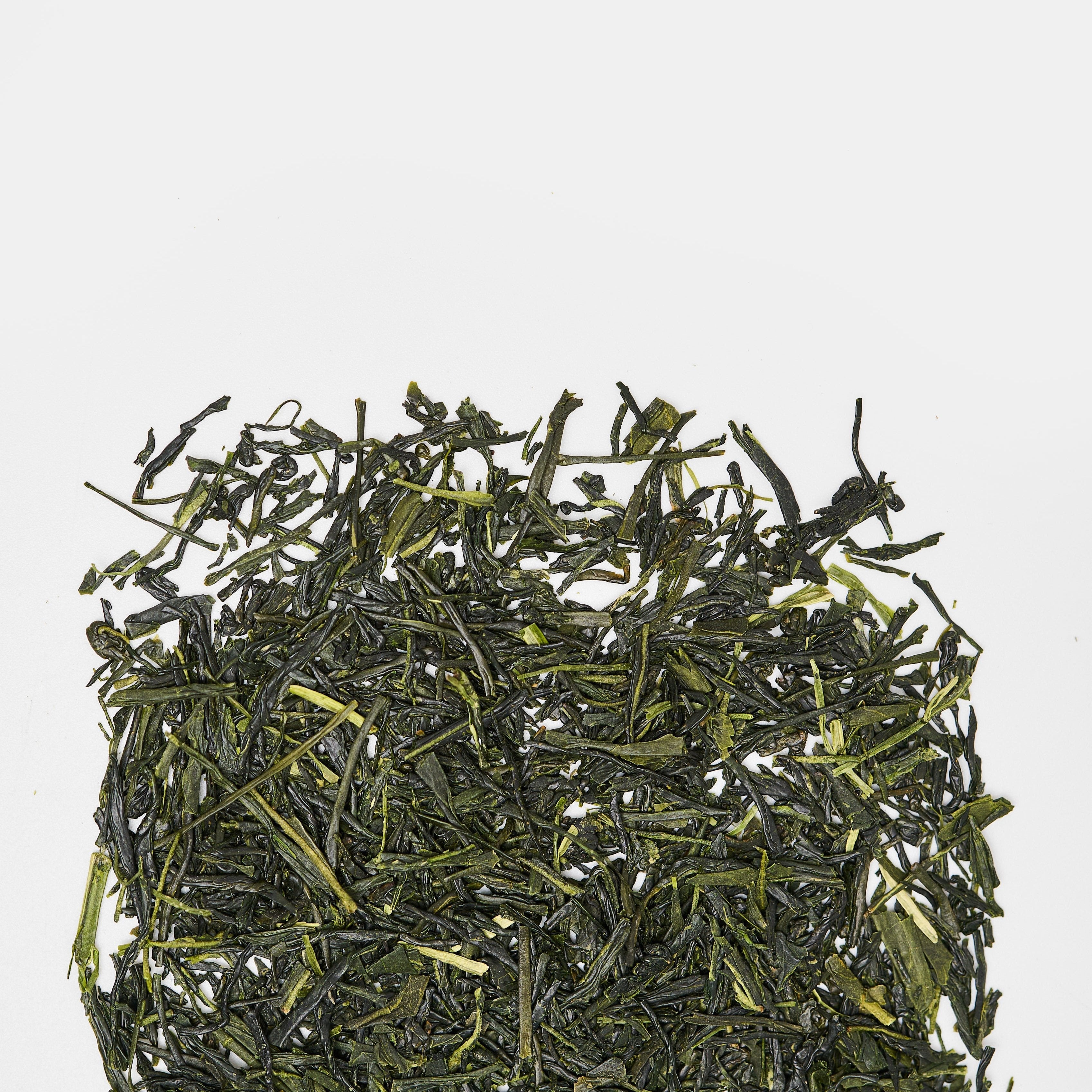
Add unusual but "superfood" foods to your diet, such as quinoa, amaranth, matcha or chia. They not only enrich the diet, but also make it more interesting.
General recommendations for improving the condition
- Light physical activity, such as yoga or walking outdoors, can help reduce stress and improve mood.
- Relaxation practices, such as meditation or breathing exercises, can help reduce cortisol levels and improve overall well-being.
- Try to get enough sleep, because rest is a key factor in maintaining good health.
- Talk to friends or family about your feelings. Emotional support can be very helpful during this time.
- Use essential oils of lavender, mint or citrus to relieve tension and improve mood.
- Create a playlist of your favorite songs and dance when you feel stressed or in a bad mood. This will help you relax and lift your spirits.
- Write down your thoughts, emotions and feelings. This will help you better understand yourself and reduce your stress level.
Each body is individual, and it is important to listen to your body and respond to its needs. If you experience serious discomfort or significant changes in appetite, you should consult a doctor. A balanced diet, physical activity and the support of loved ones will help you feel comfortable and confident at any time of the month.