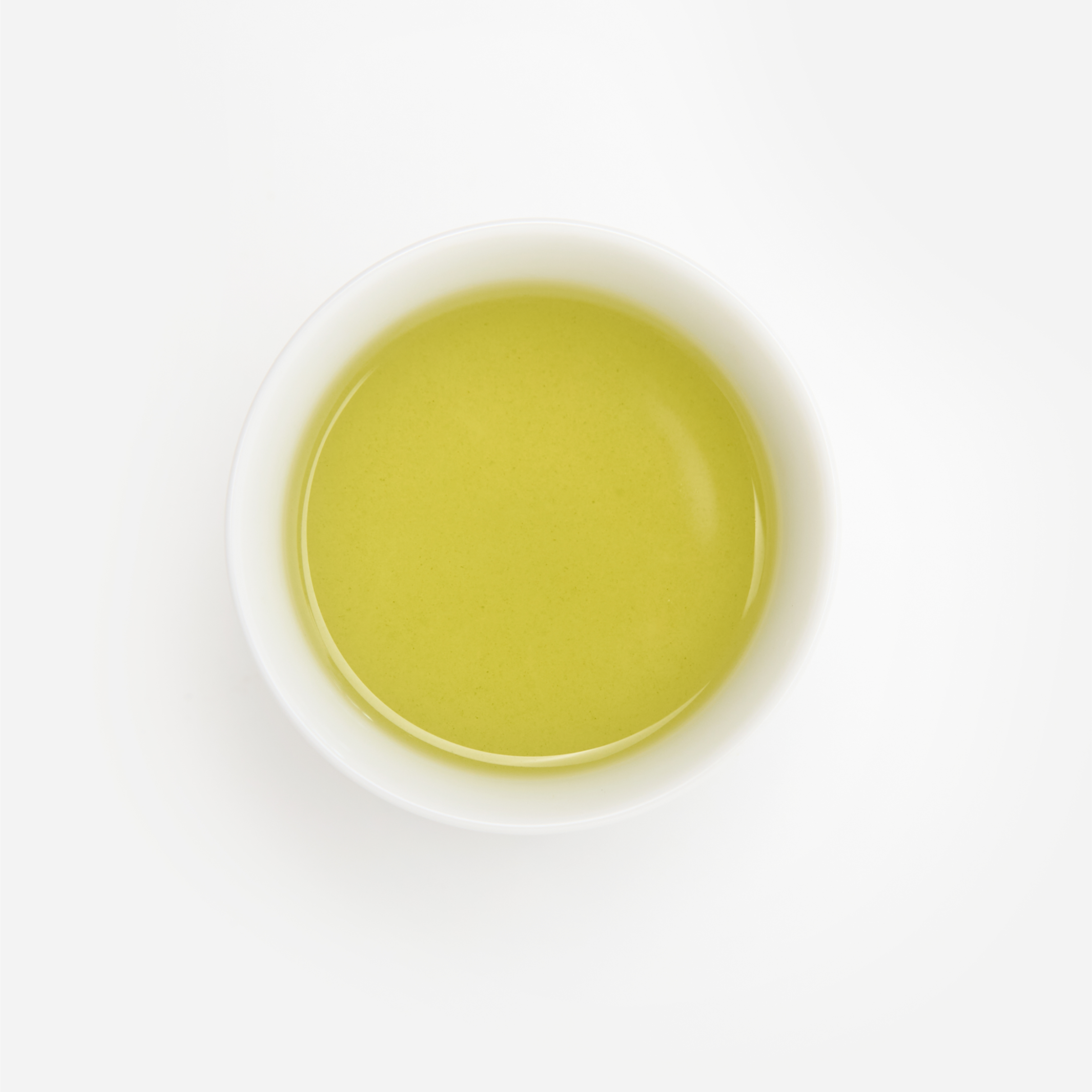
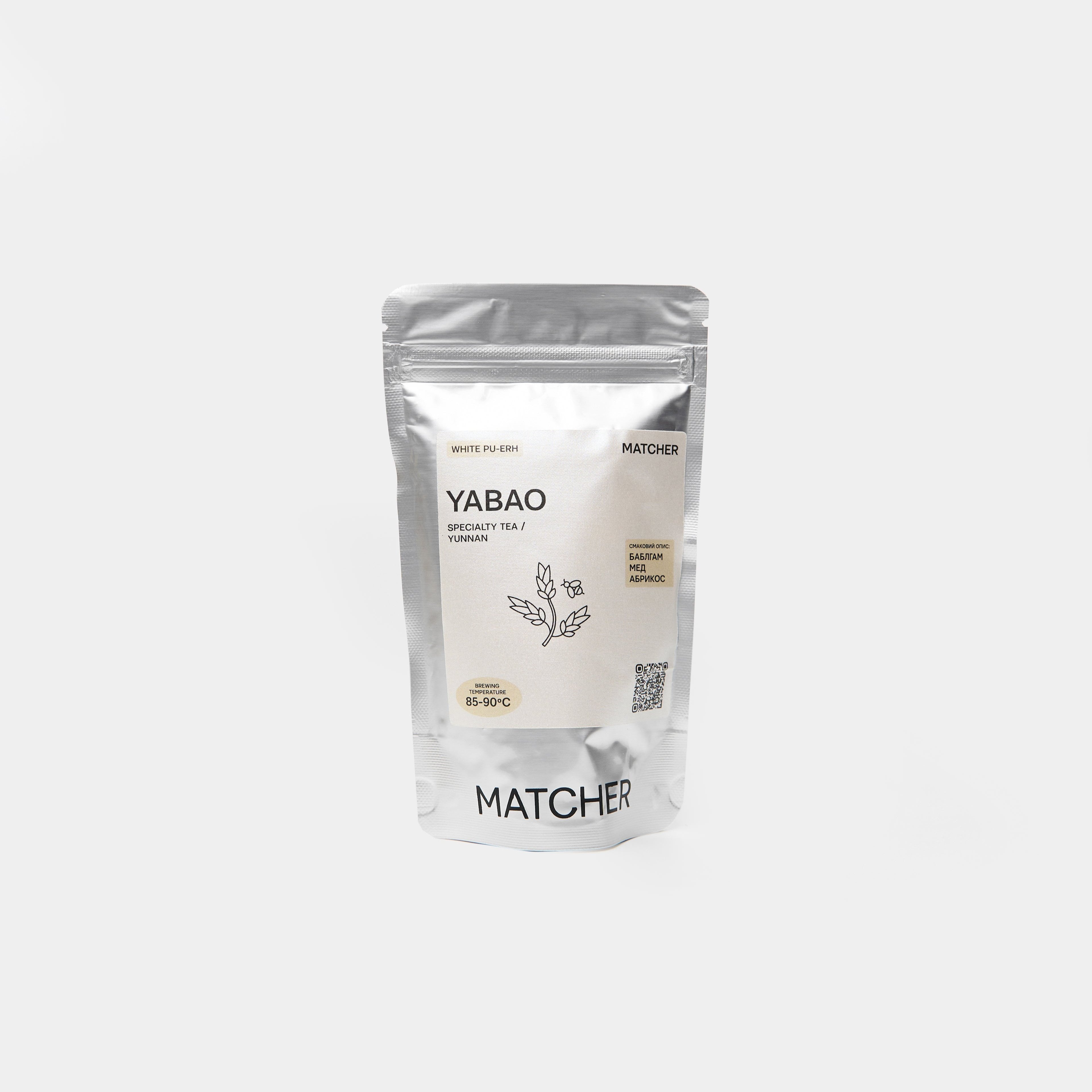
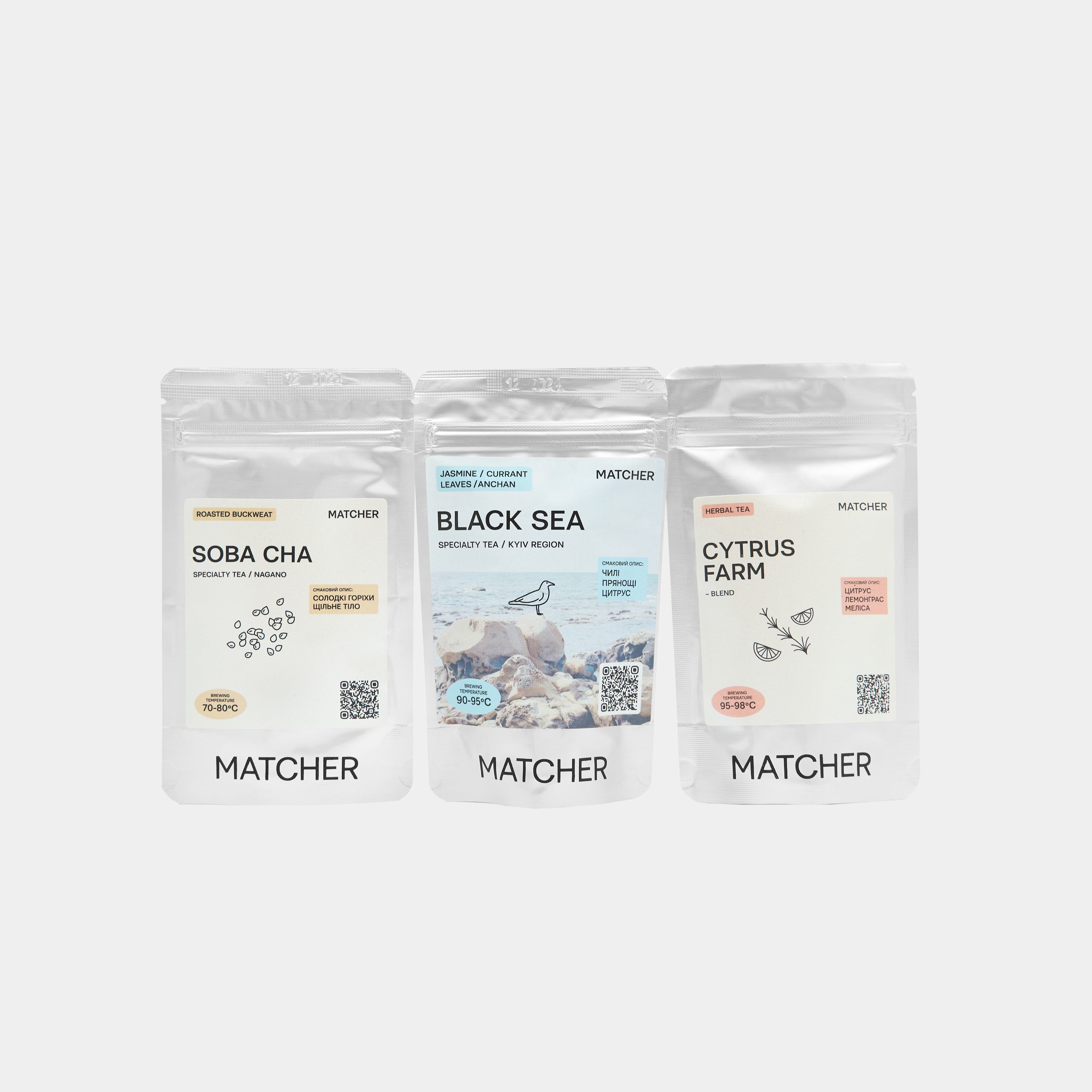
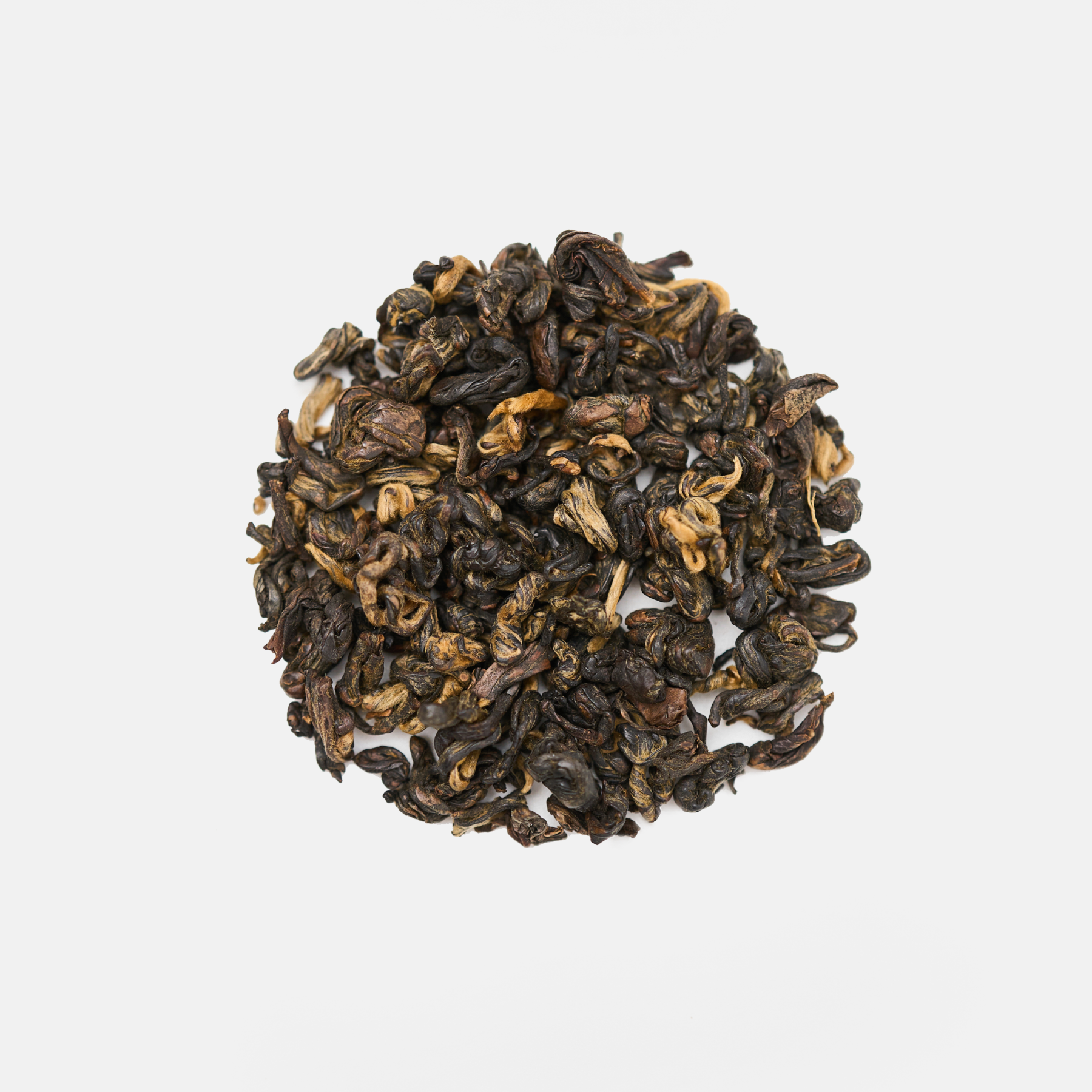
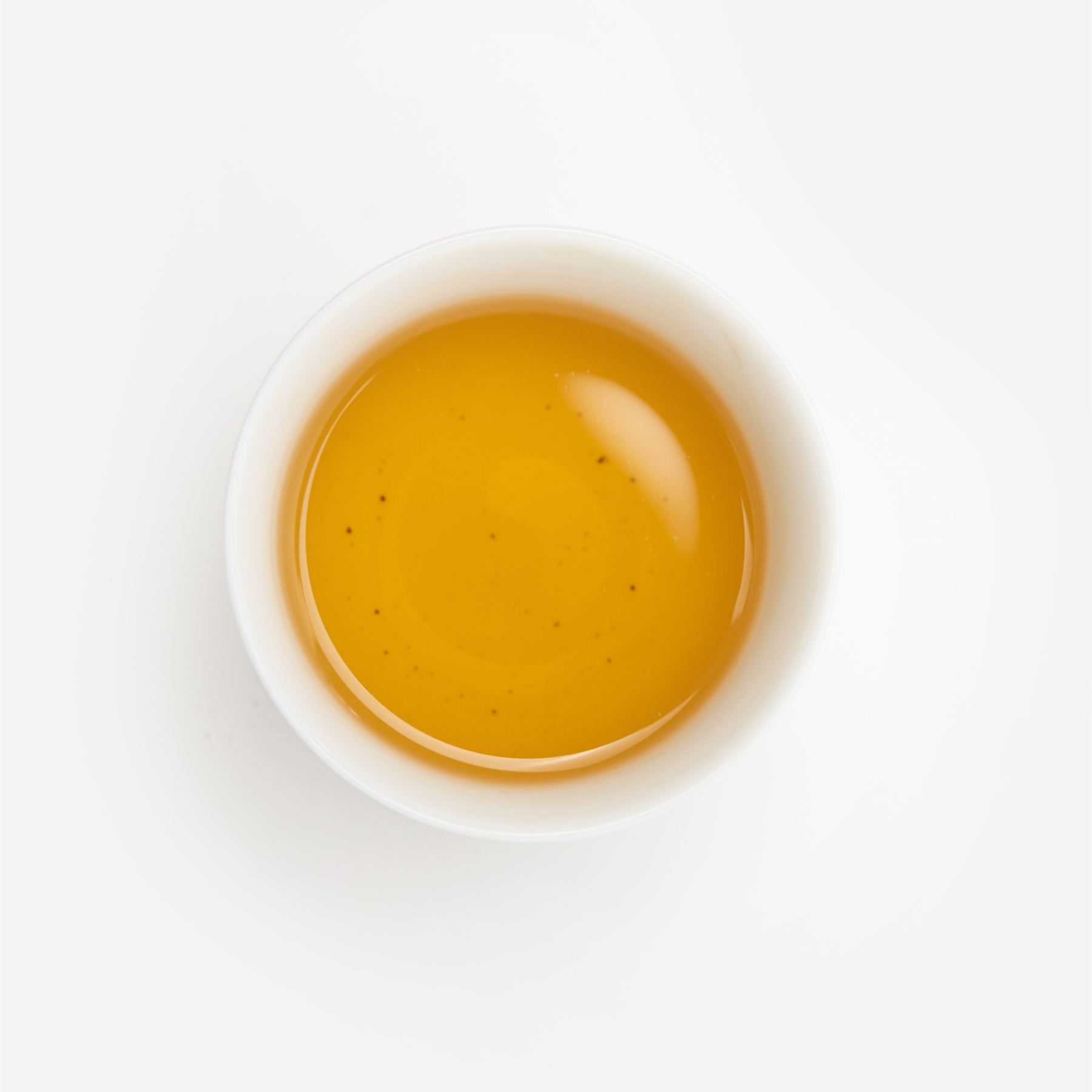
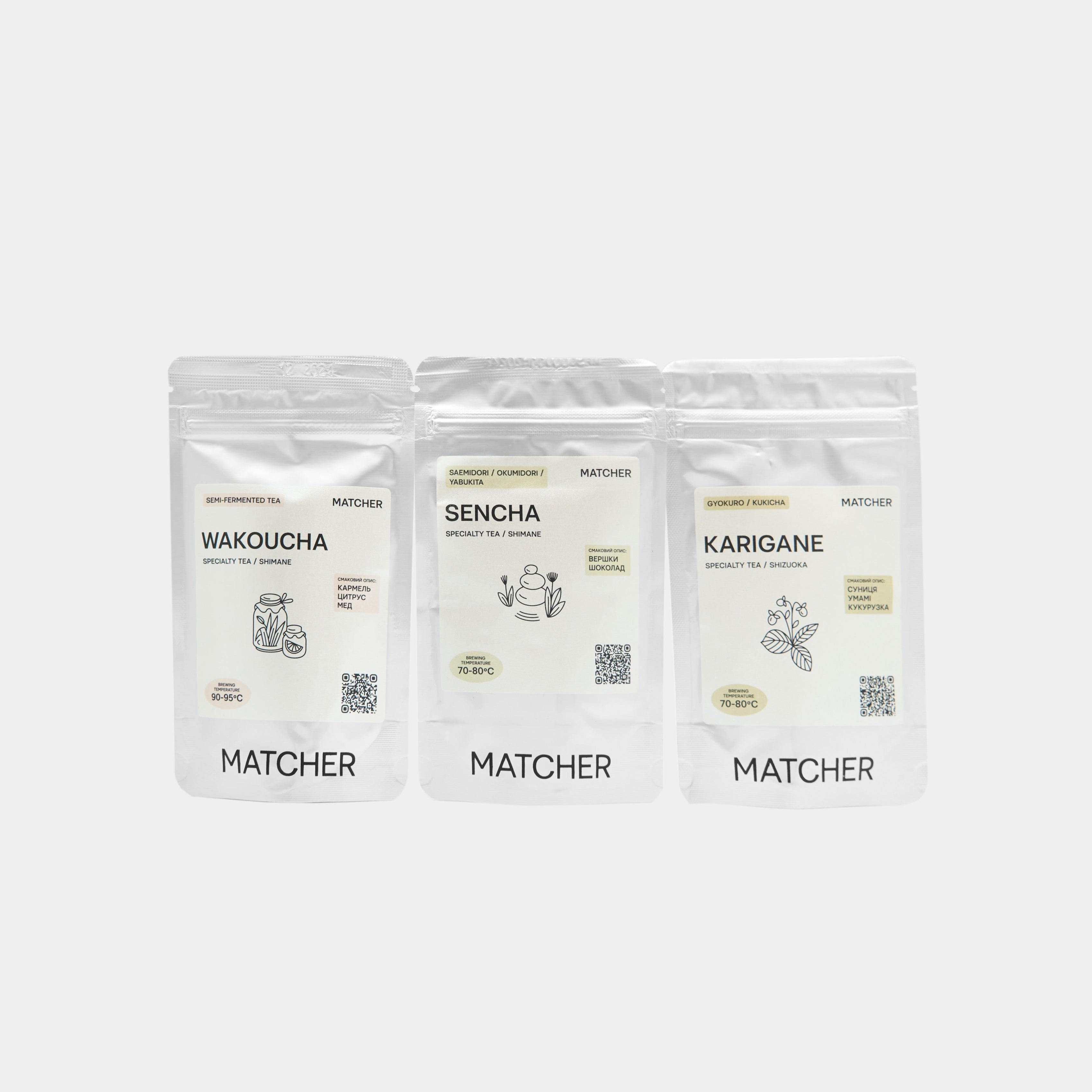
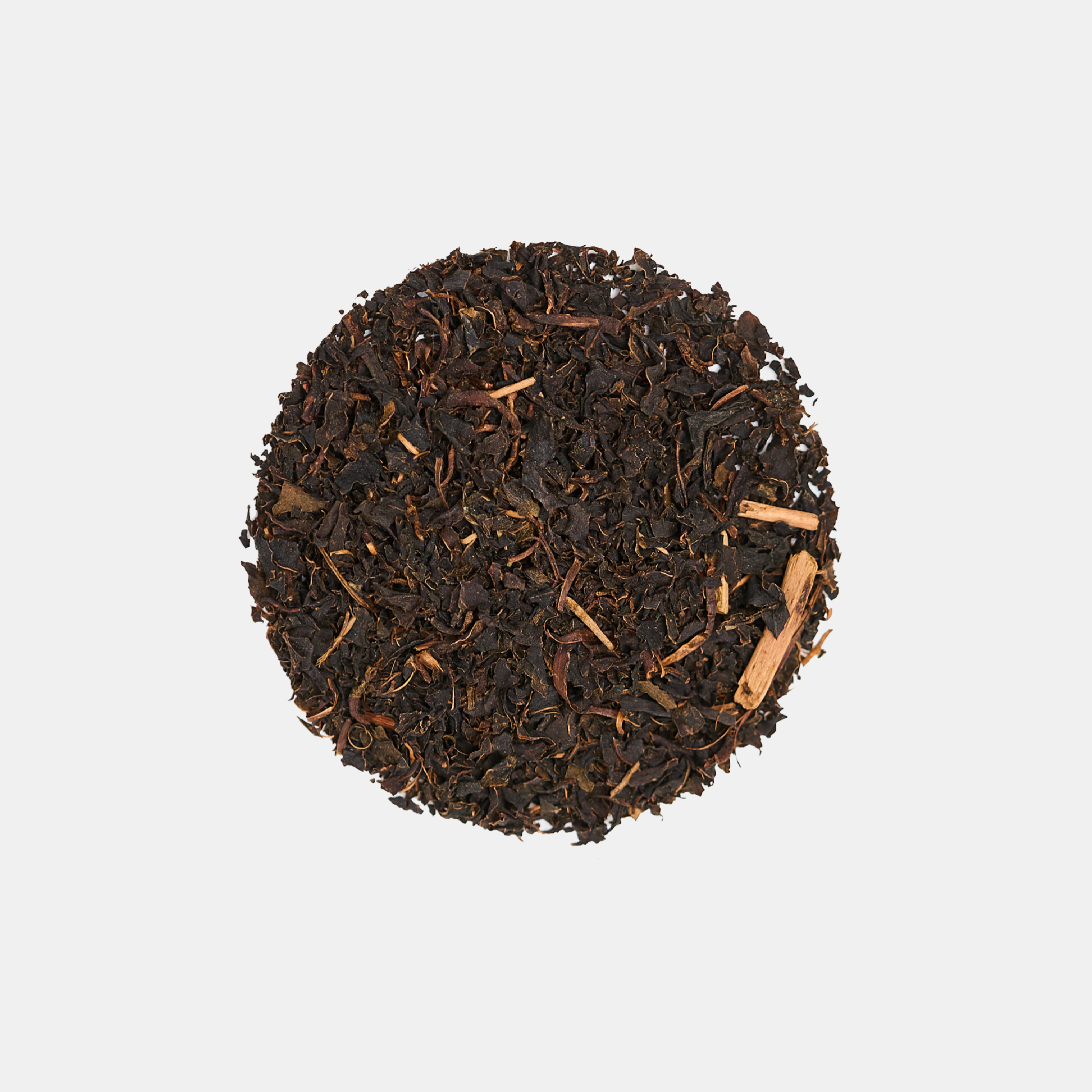
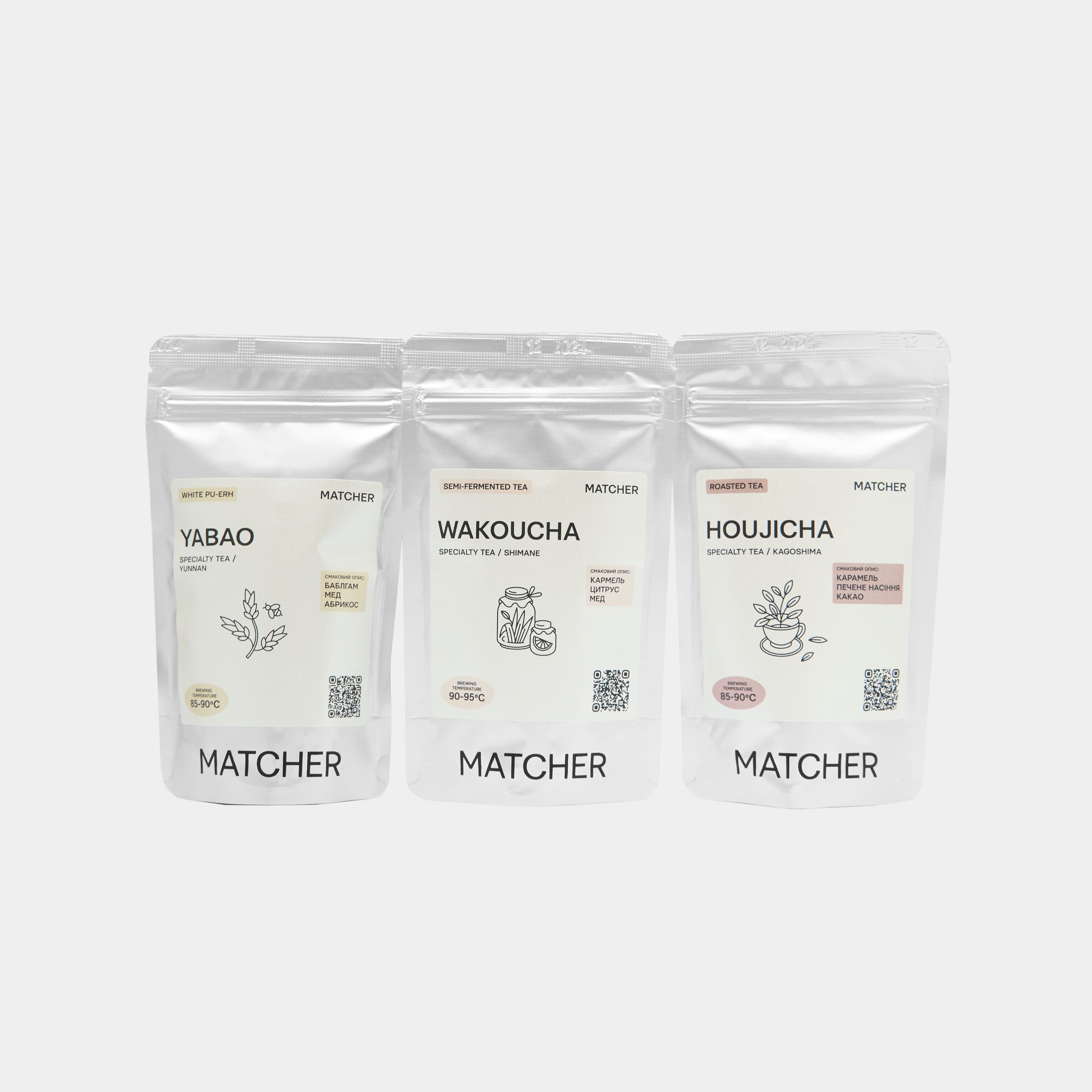
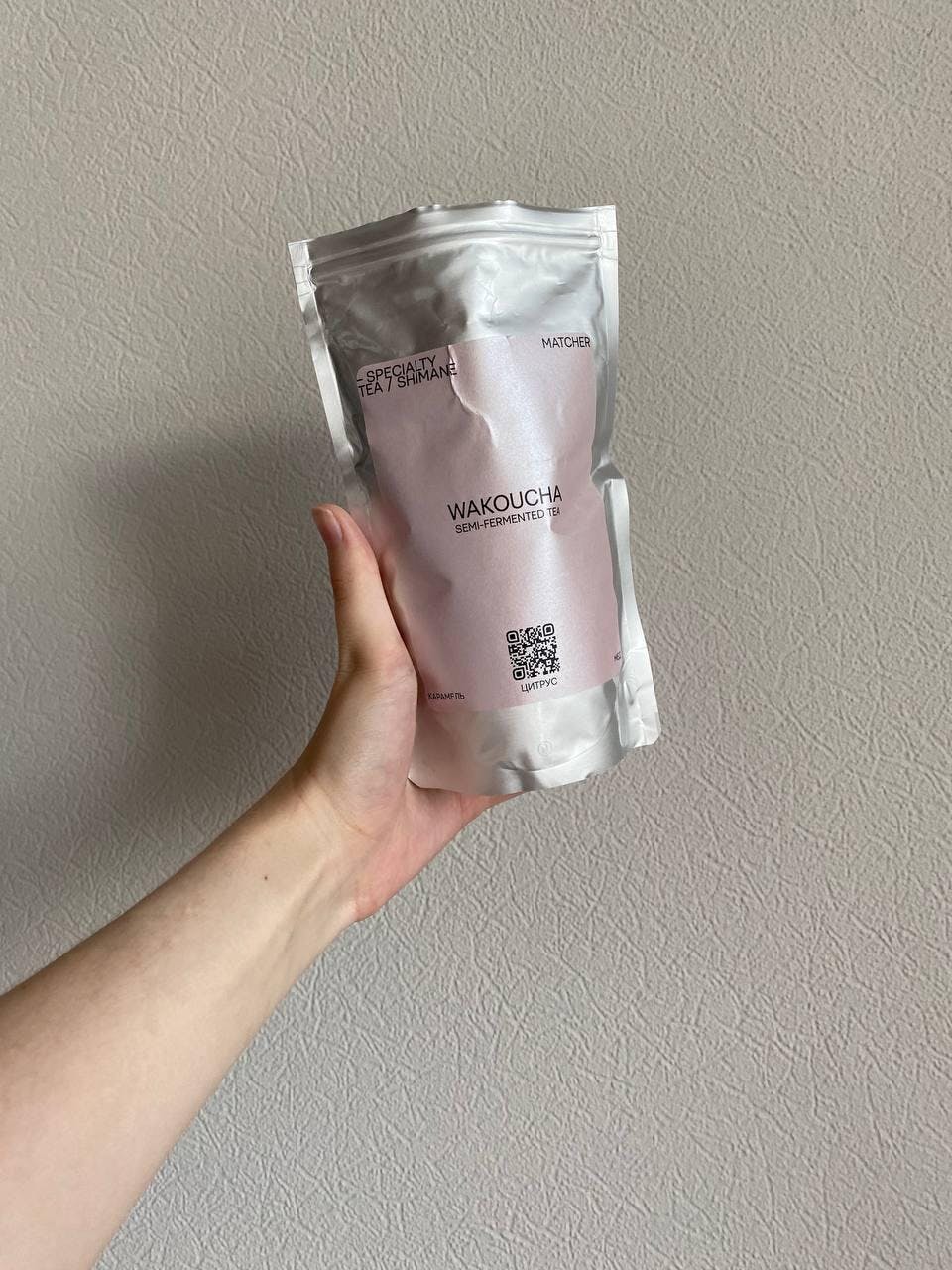
Of course, here is more information about the production and fermentation of Wakuch:
**Production of Vakuch:**
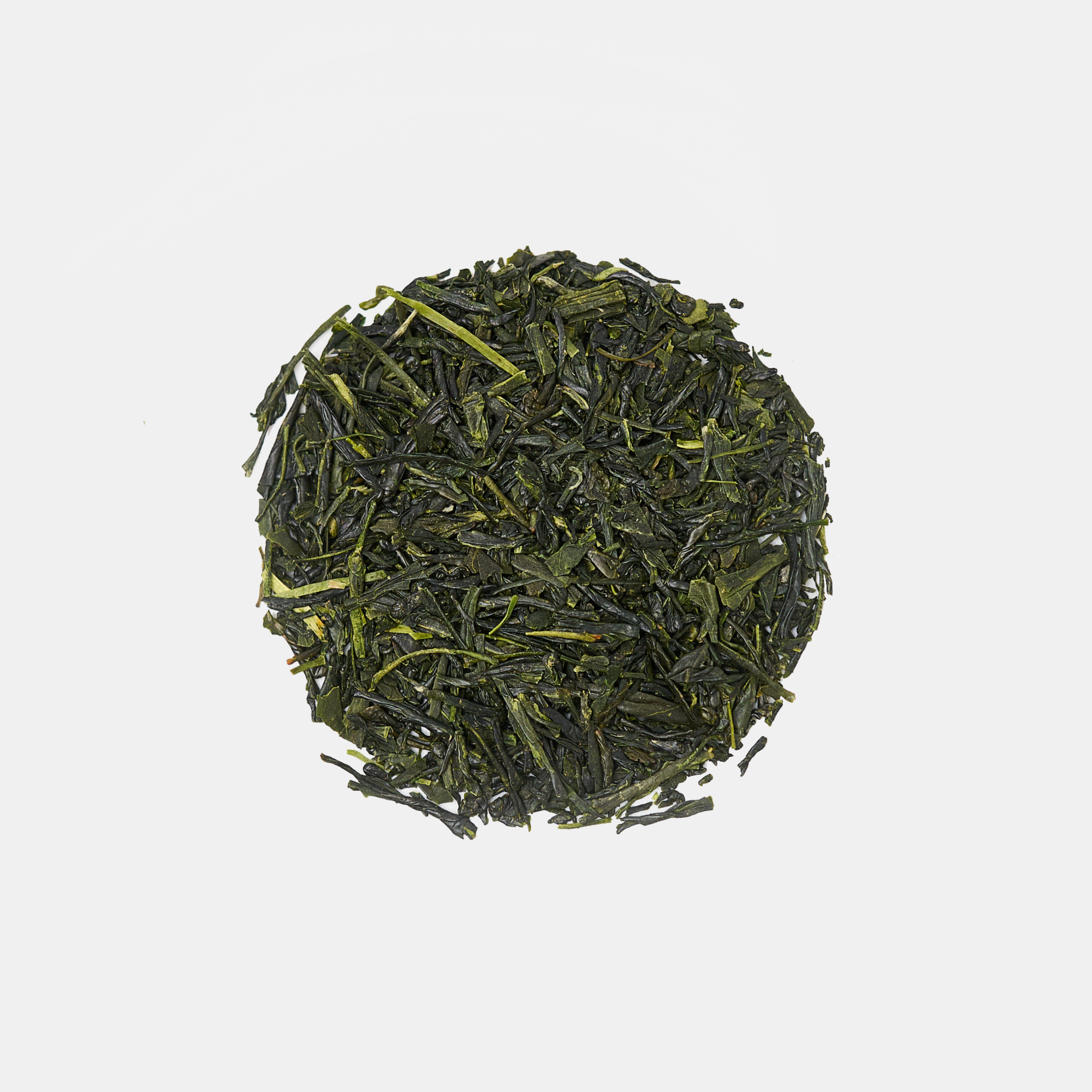
1. **Collection of tea bush leaves:** The production process of Wakucha begins with the collection of young top leaves of the tea bush, which have the best quality and taste properties. Collection is usually carried out in the summer.
2. **Fermentation:** One of the most important stages of Vakuch production is fermentation. Tea leaves undergo oxidation or fermentation in conditions of high humidity. This process can last from several hours to several days, depending on the desired result.
3. **Stopping fermentation:** After reaching a certain level of oxidation, the tea leaves stop fermentation. This can be done by heating or roasting the leaves, depending on the traditional production method.
4. **Drying:** After fermentation, the tea leaves are subjected to a drying process, which stops all chemical reactions and ensures the stability of the taste properties of Wakuch.
5. **Processing:** The leaves can be further processed to create different varieties of Wakucha with different taste characteristics.
**Wakuch fermentation:**
Fermentation is a key process in the production of Wakucha, which makes this tea similar to black tea. The fermentation process includes the following stages:
1. **Tea leaves are decomposed:** After picking, the tea leaves are decomposed in a thin layer, usually on special grates or baskets.
2. **Conservation of humidity:** To induce fermentation, the leaves are stored in a humid environment. It can be a moisture-absorbing room or a large box.
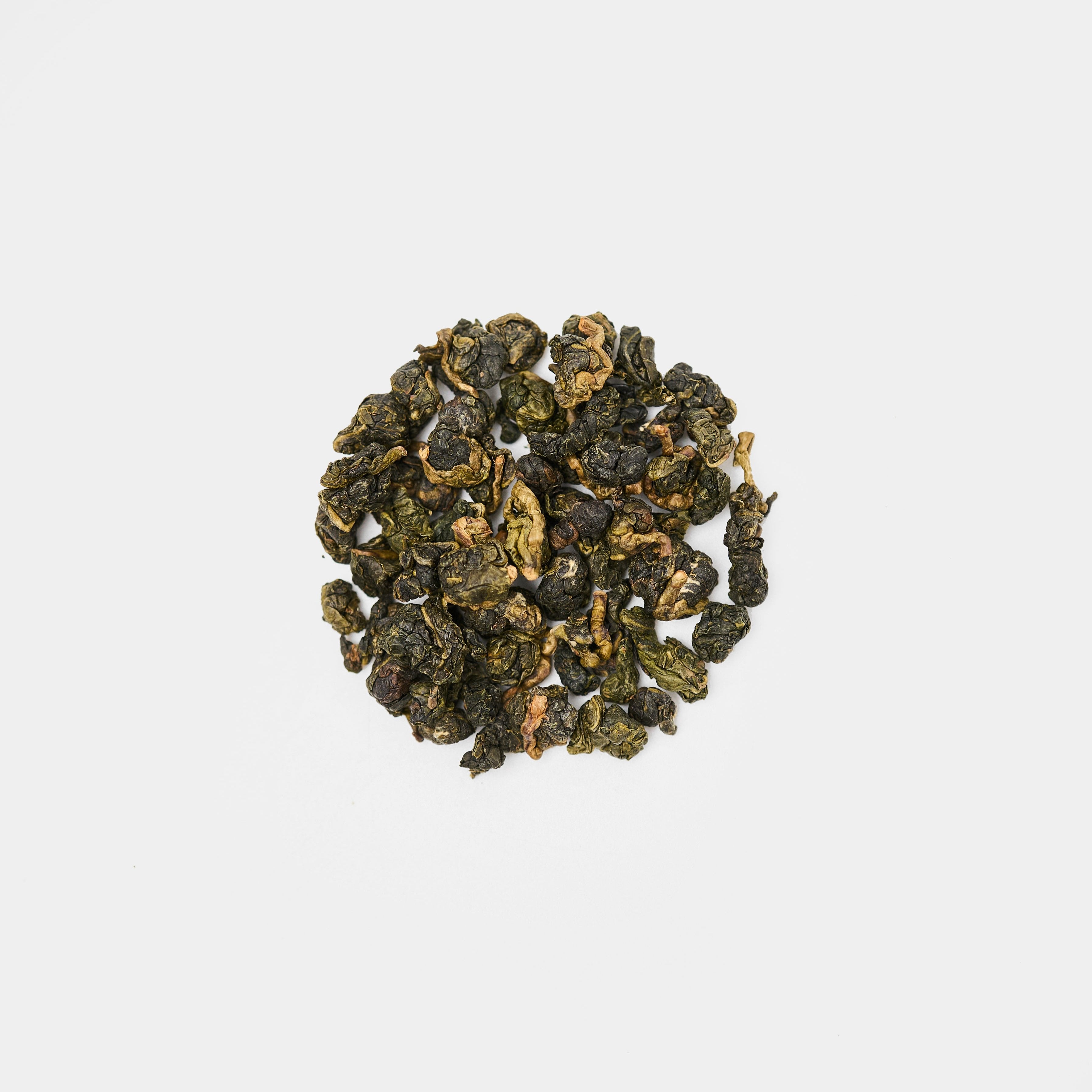
3. **Oxidation of leaves:** Under the influence of humidity and atmospheric oxygen, the enzymes contained in the leaves begin oxidation. This leads to a change in the color of the leaves and taste characteristics.
4. **Regulation of the duration of fermentation:** The duration of fermentation is carefully controlled and the producer can determine when to stop the process to obtain the desired taste and aroma.
Fermentation makes Vakucha tasty, etc
gives it a deep taste and aroma that differs from other Japanese green teas.
📍 Japan, Izumo
Author's farming by the craftsman Yuta Oka and his team