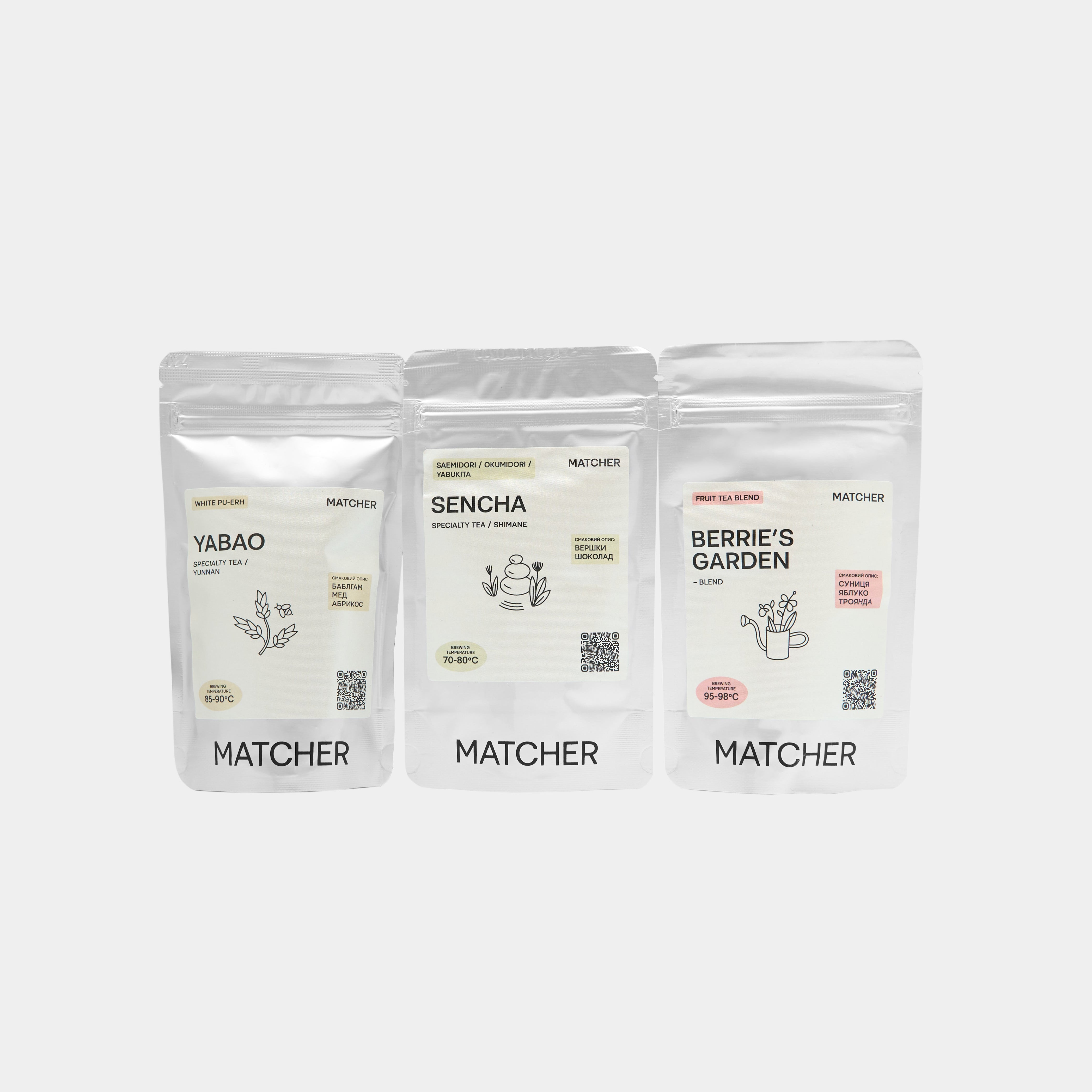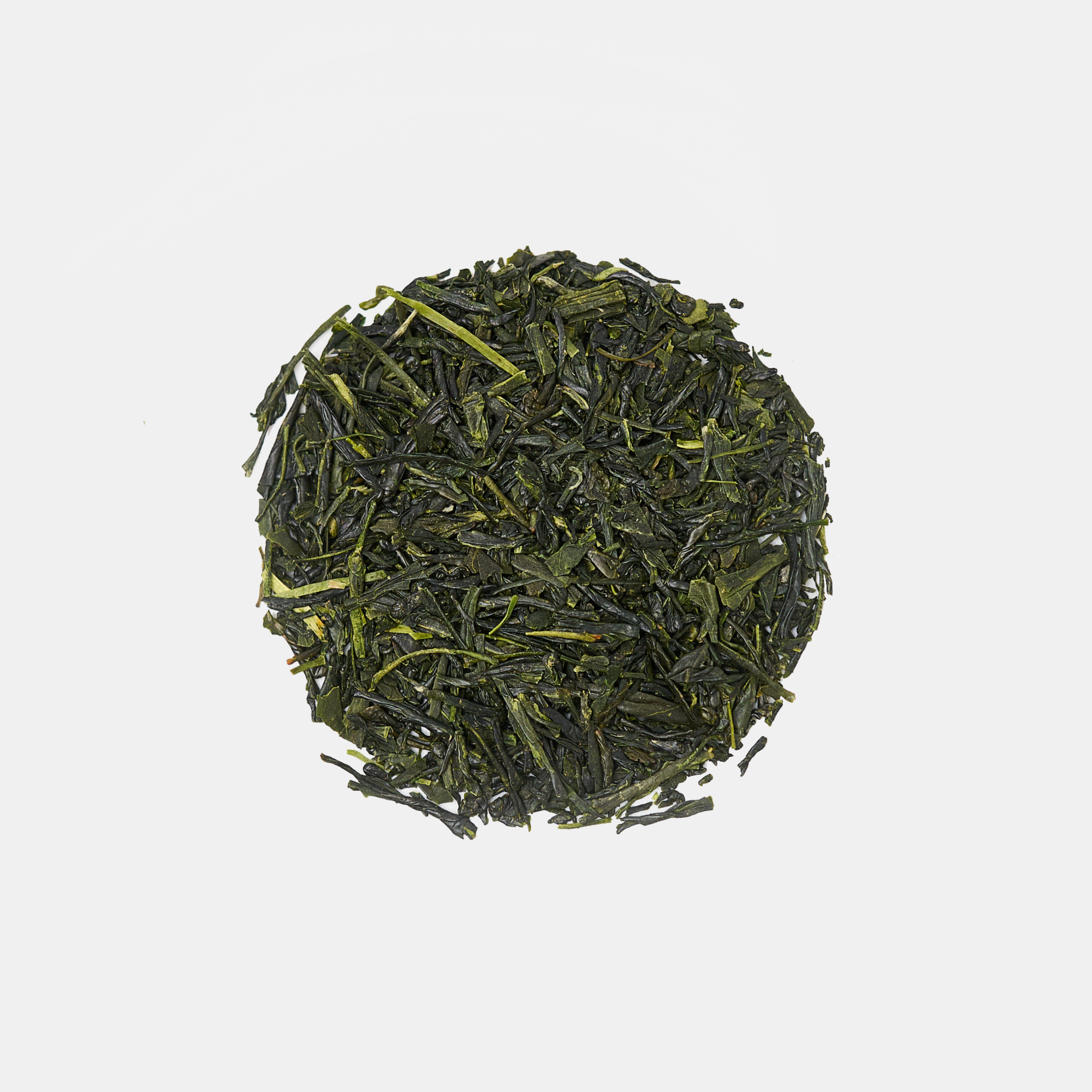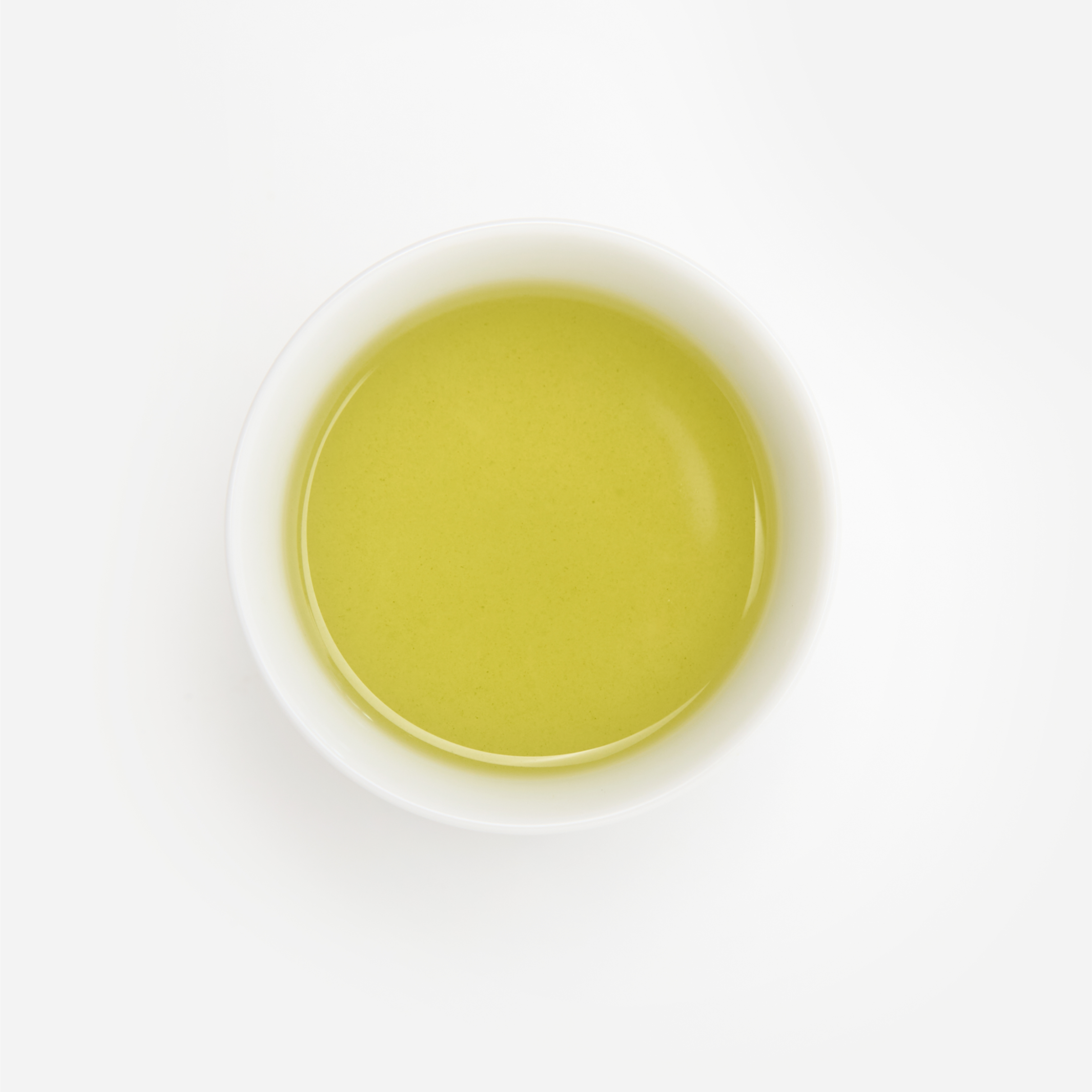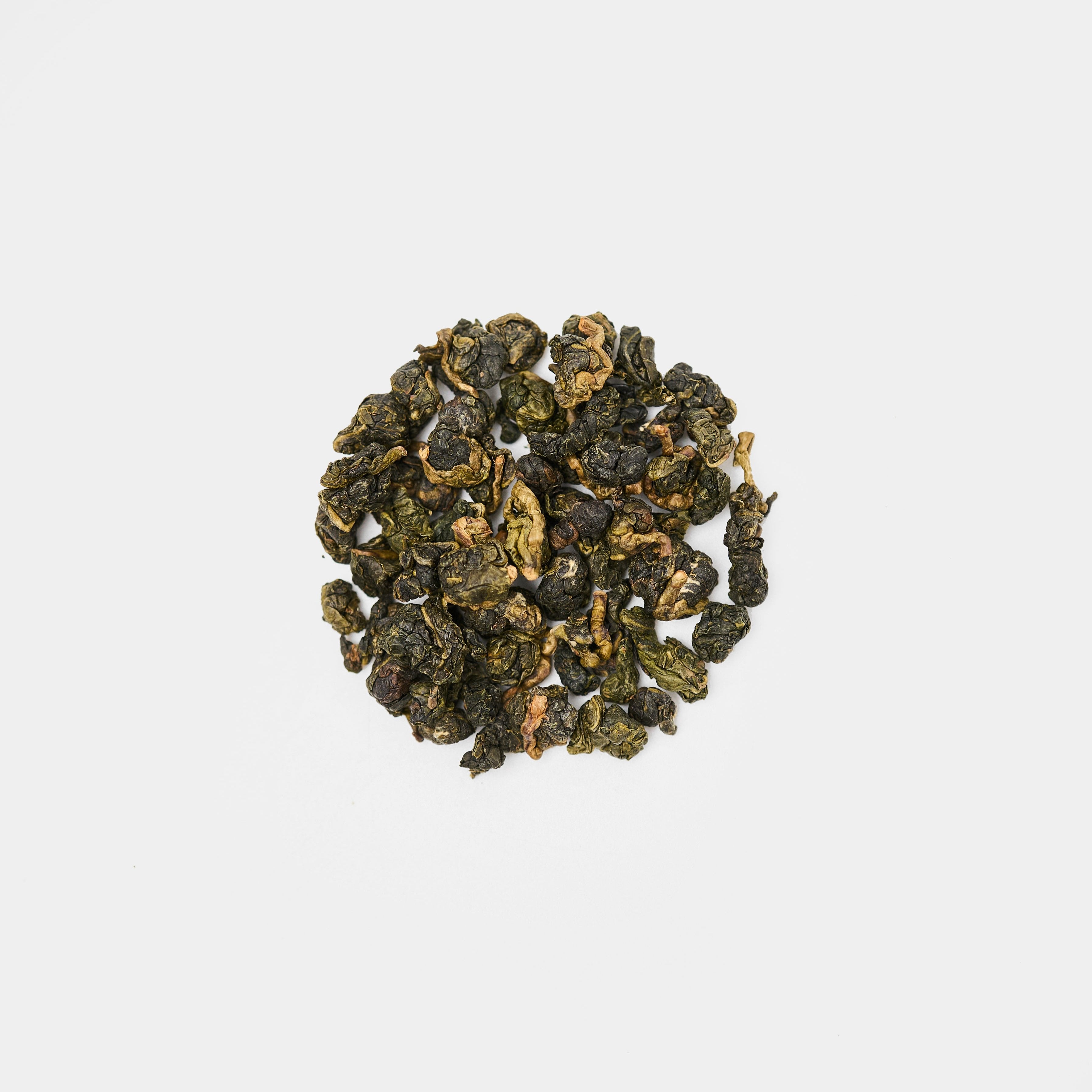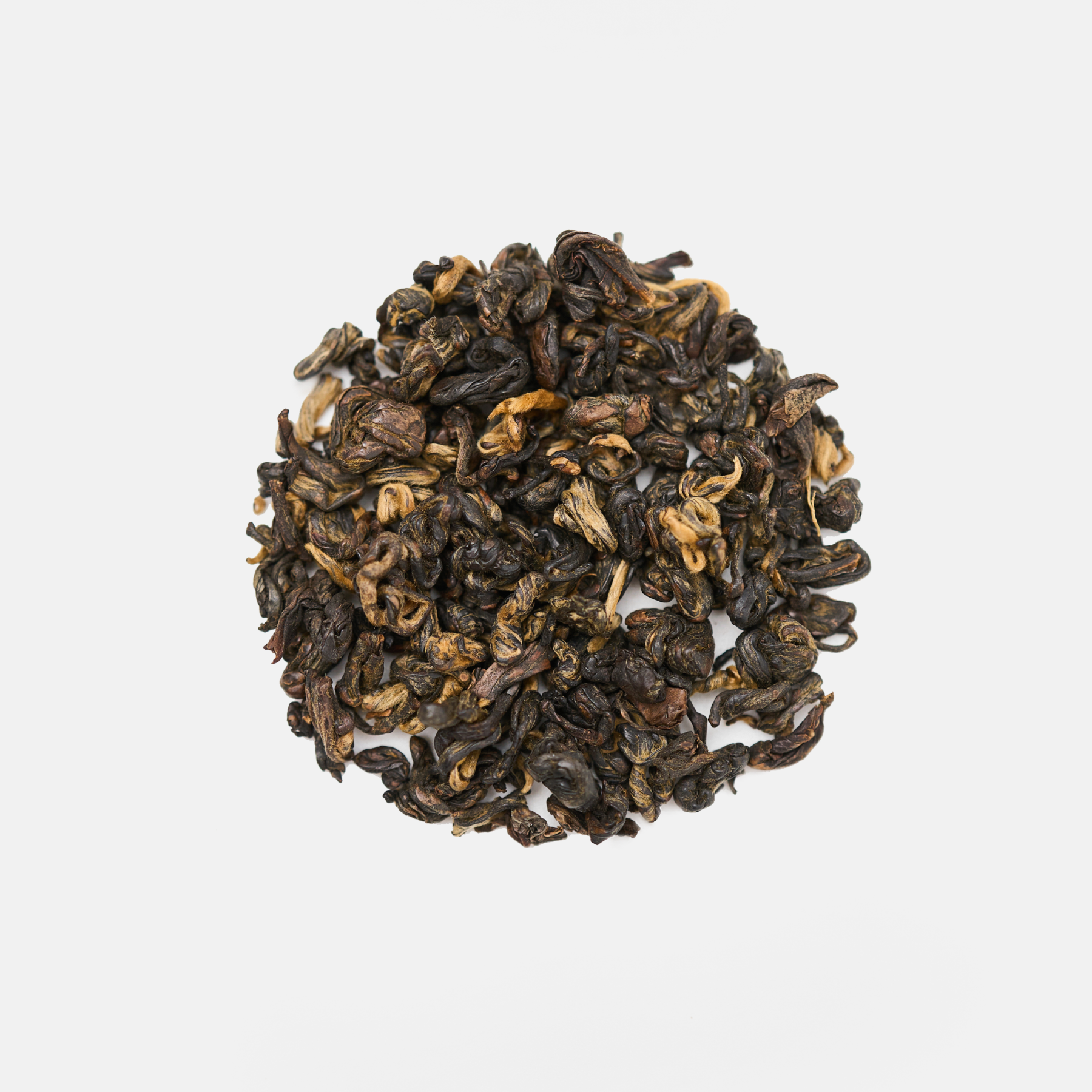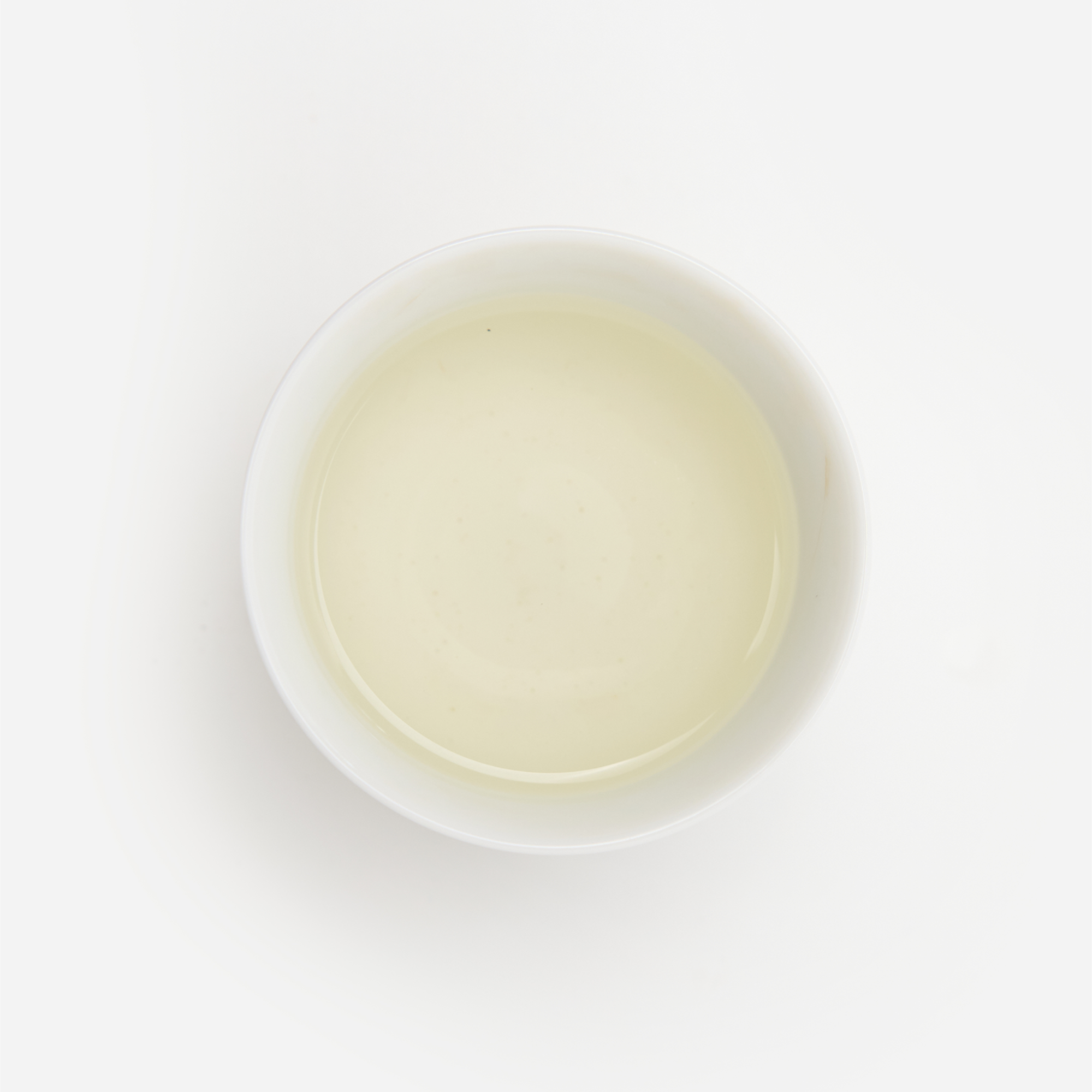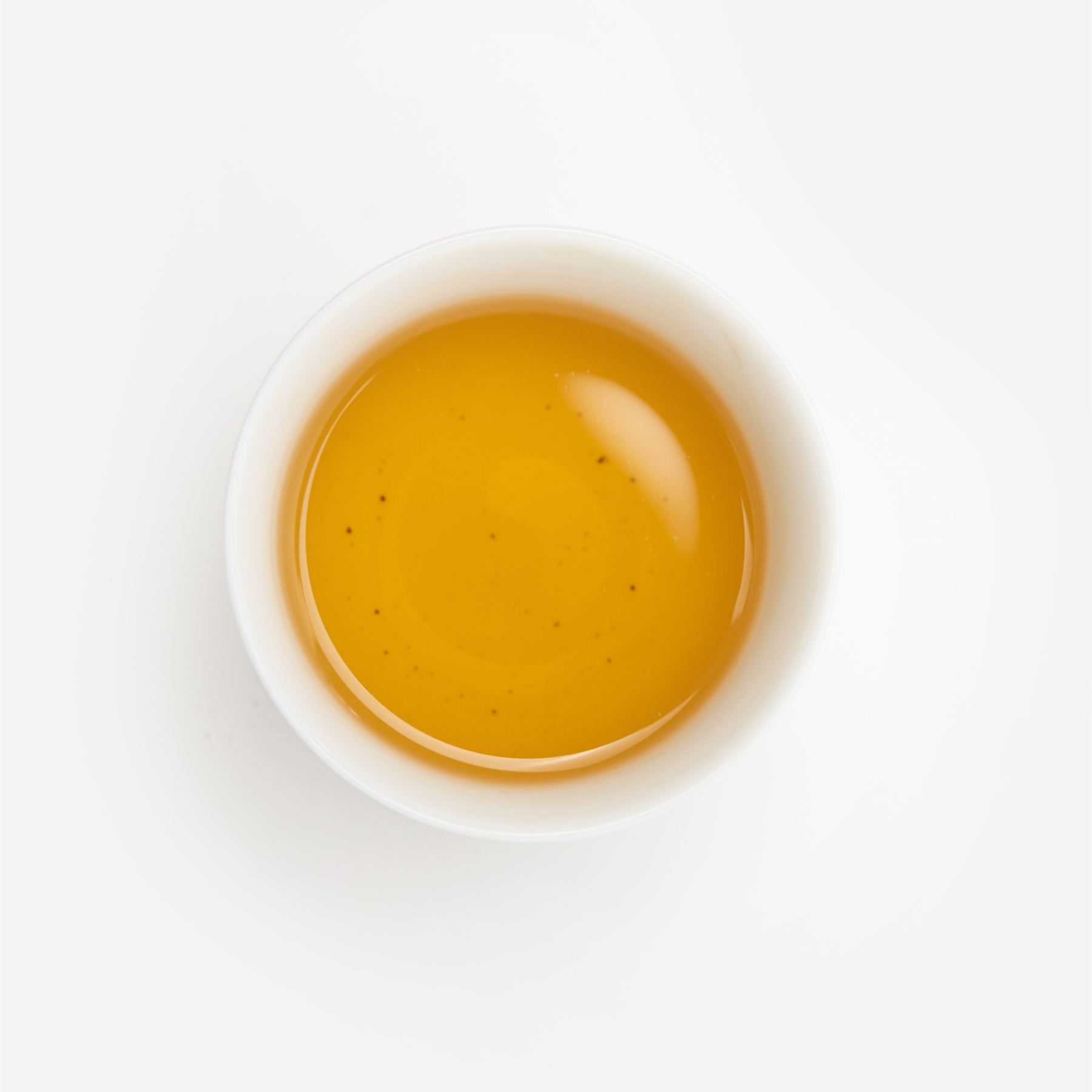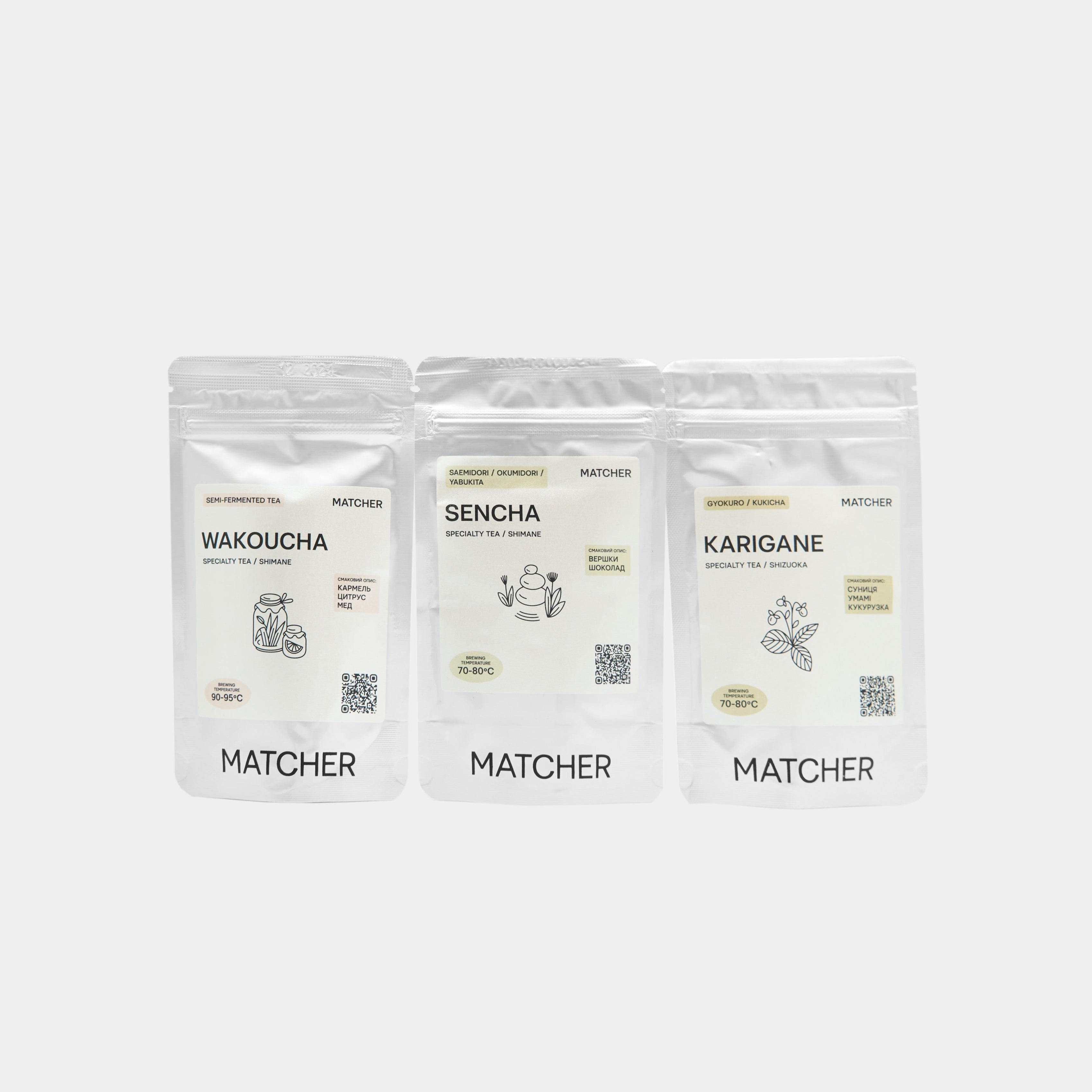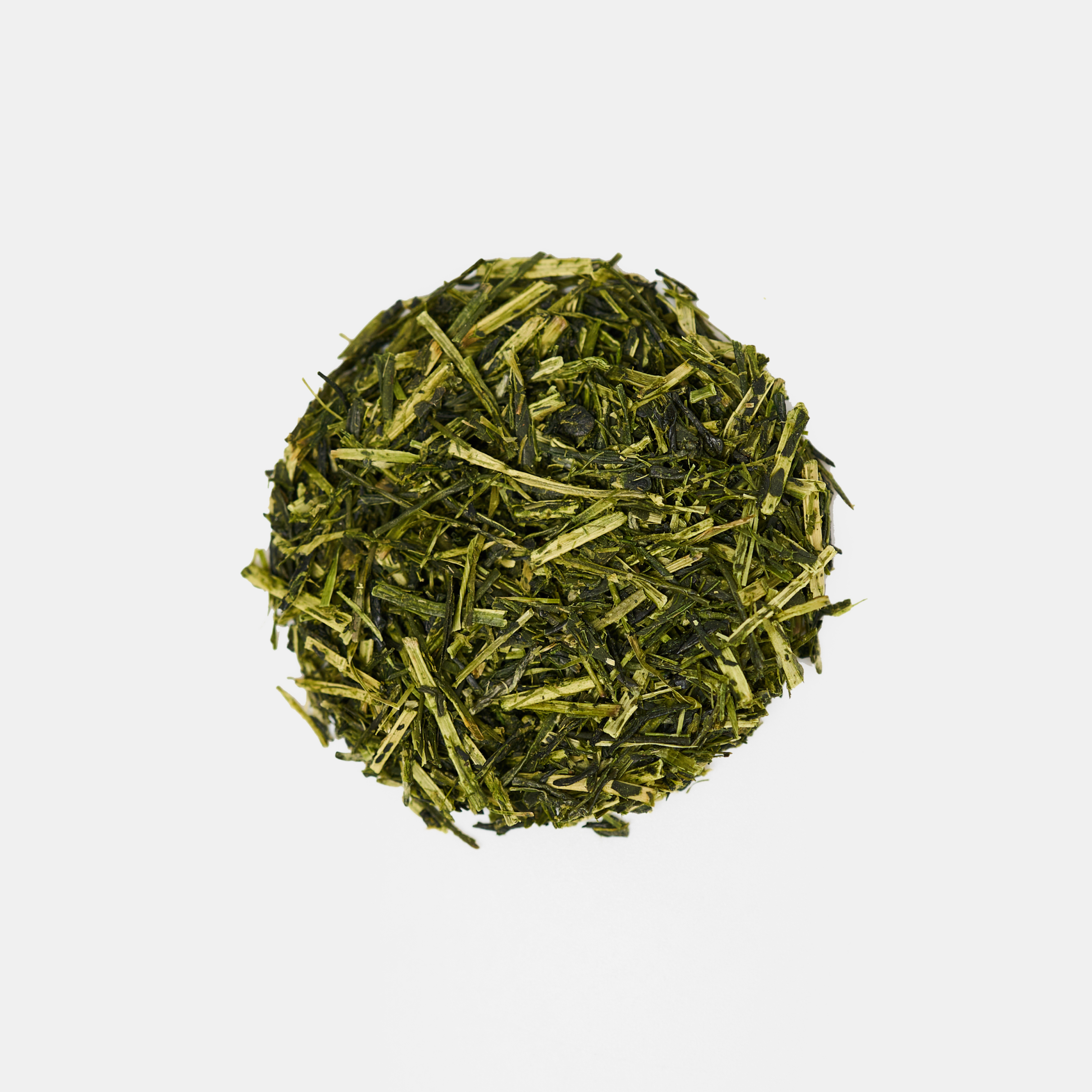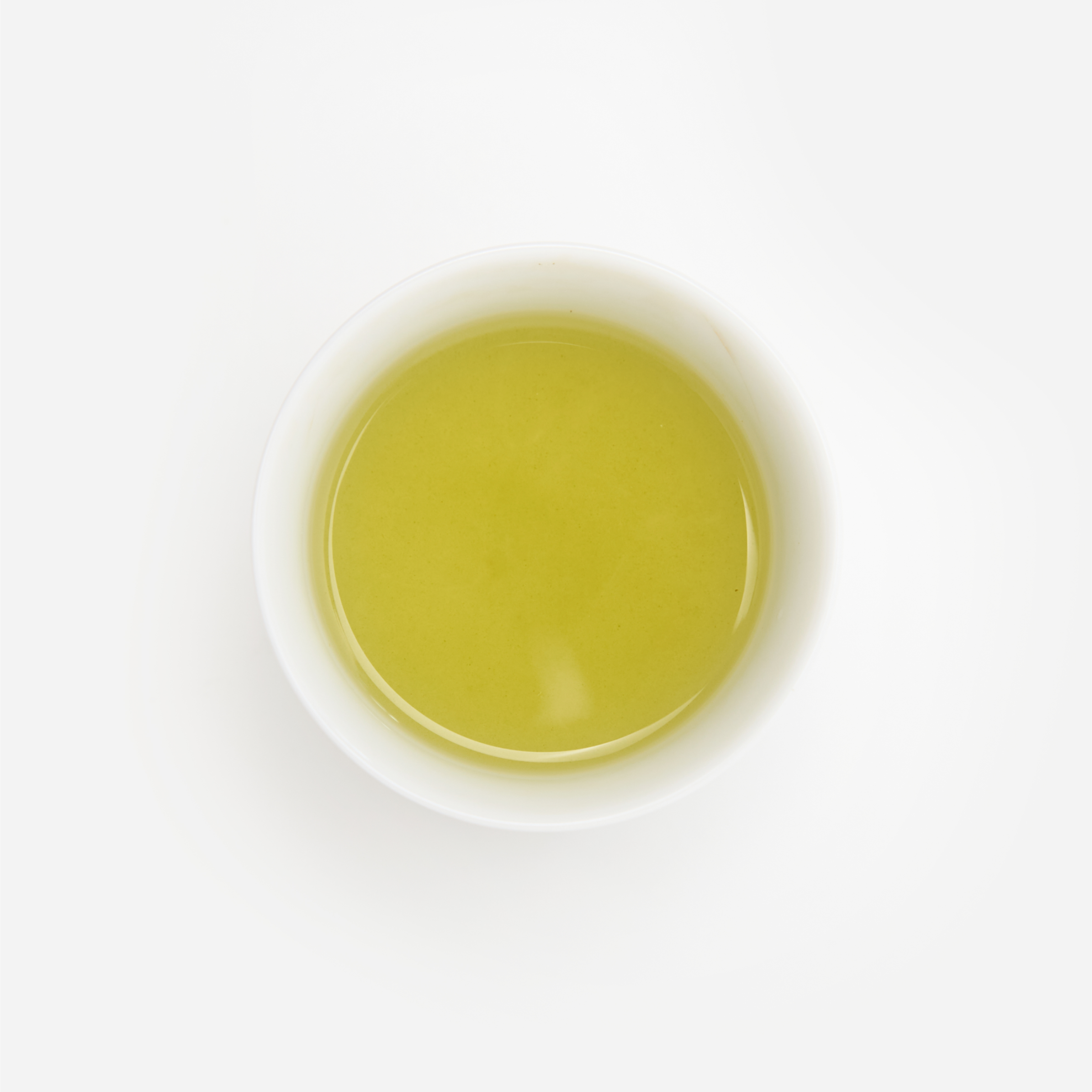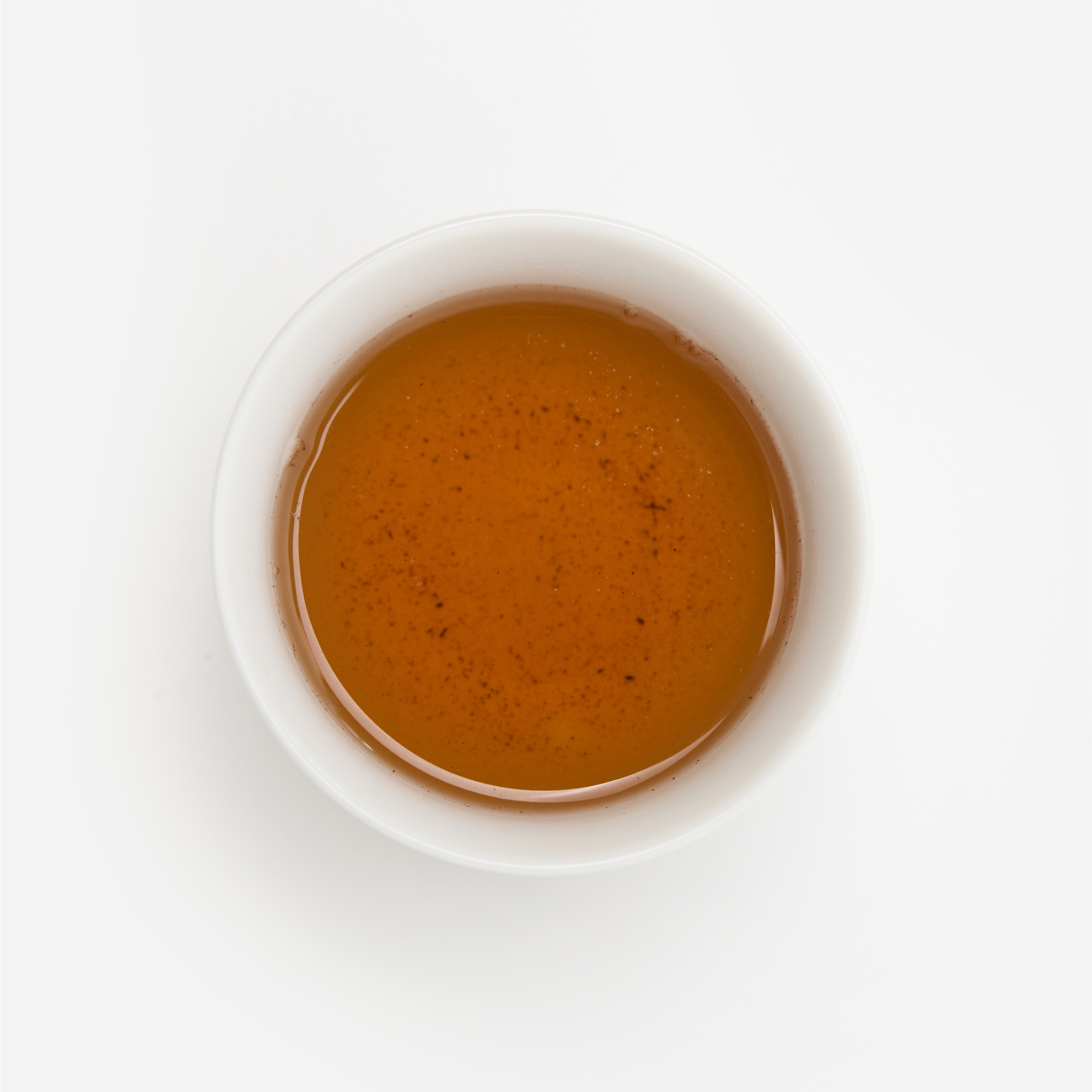

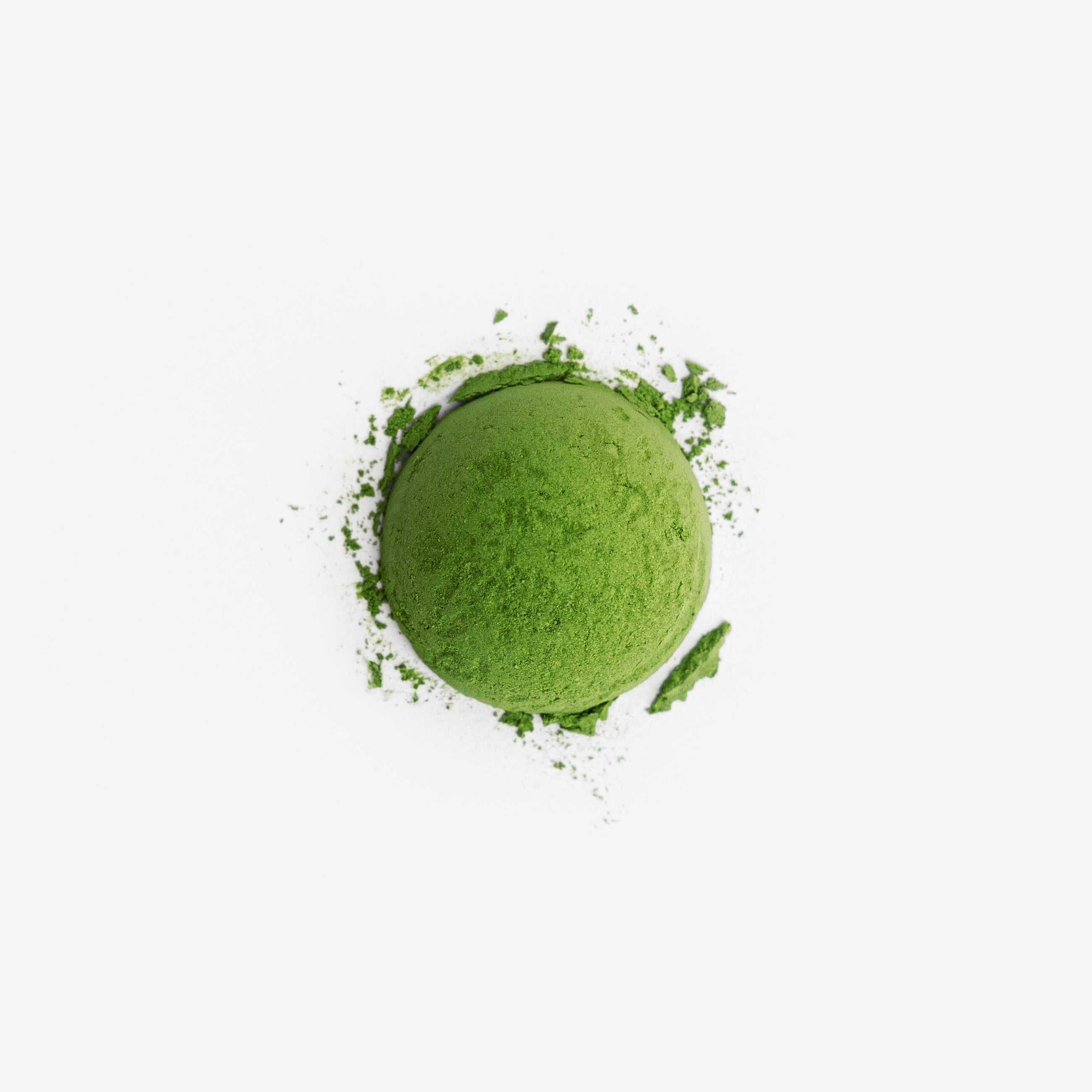




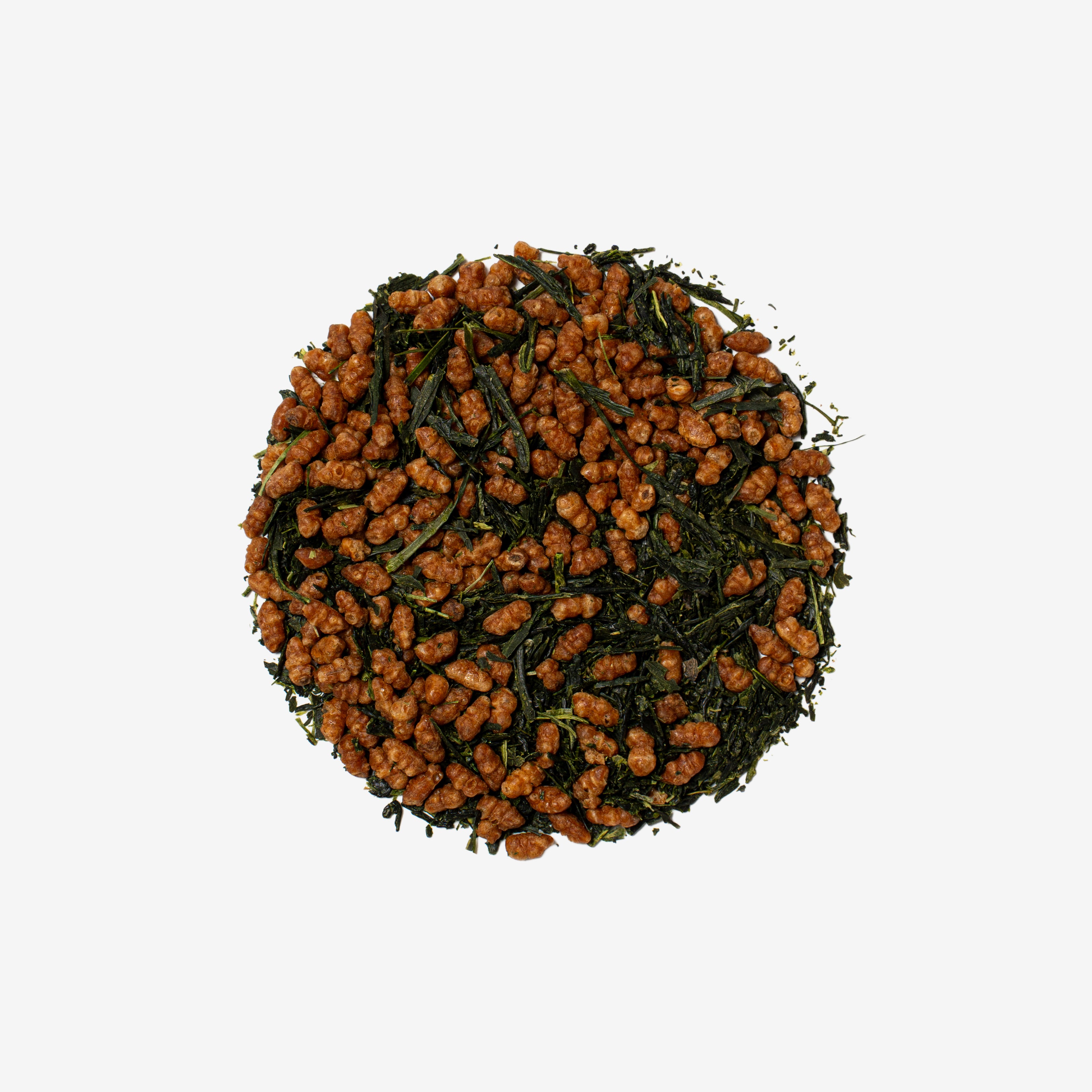
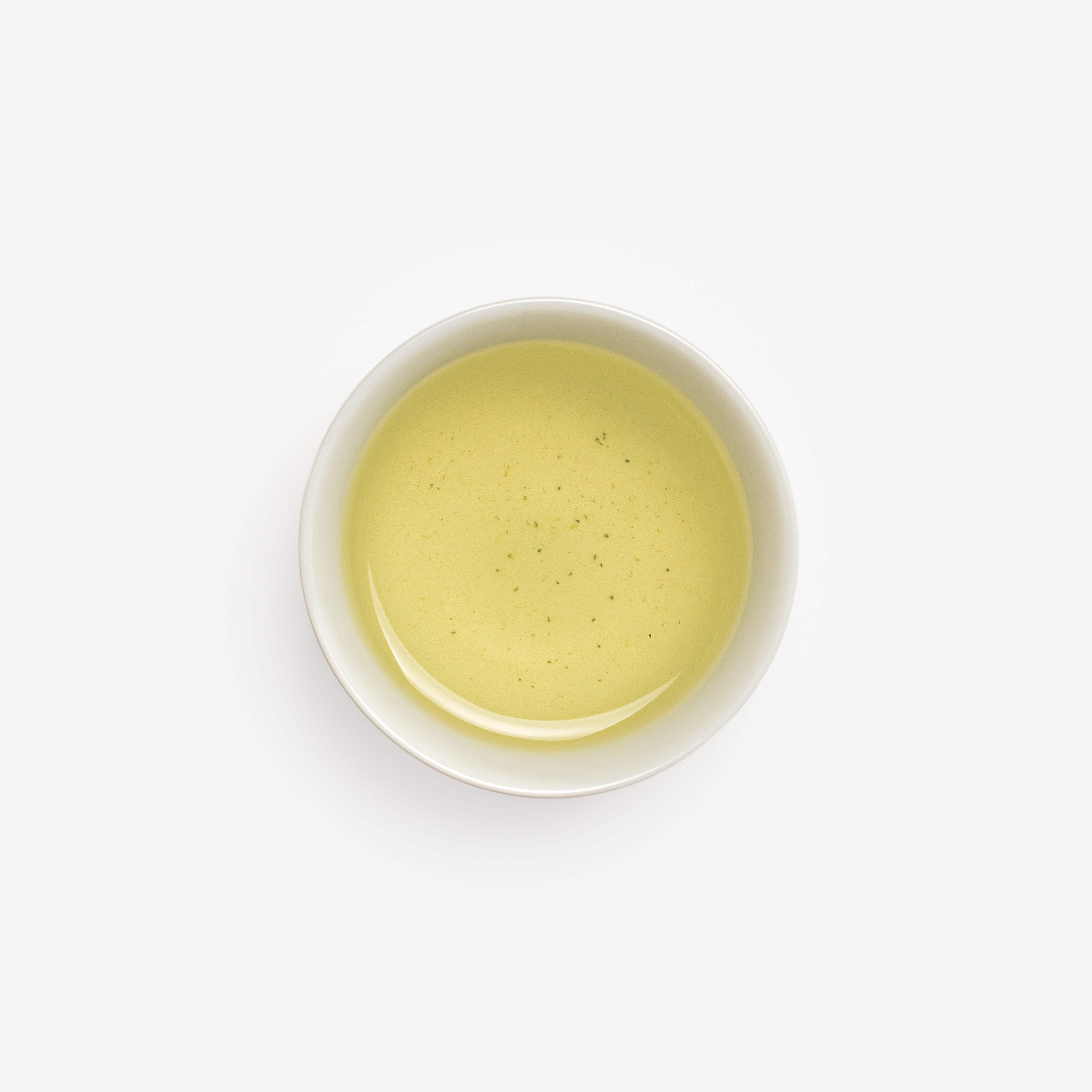


Sencha Kiwami green tea

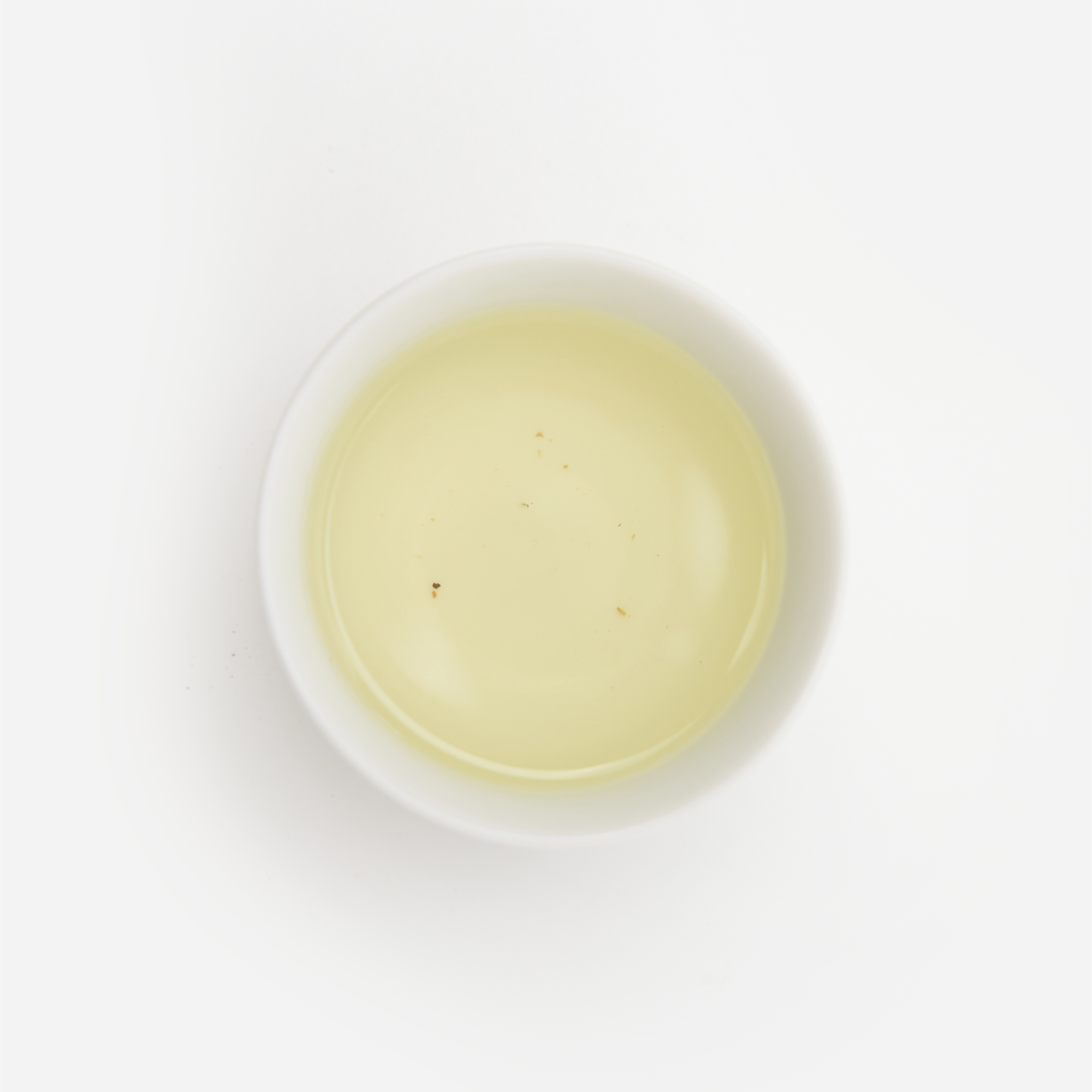
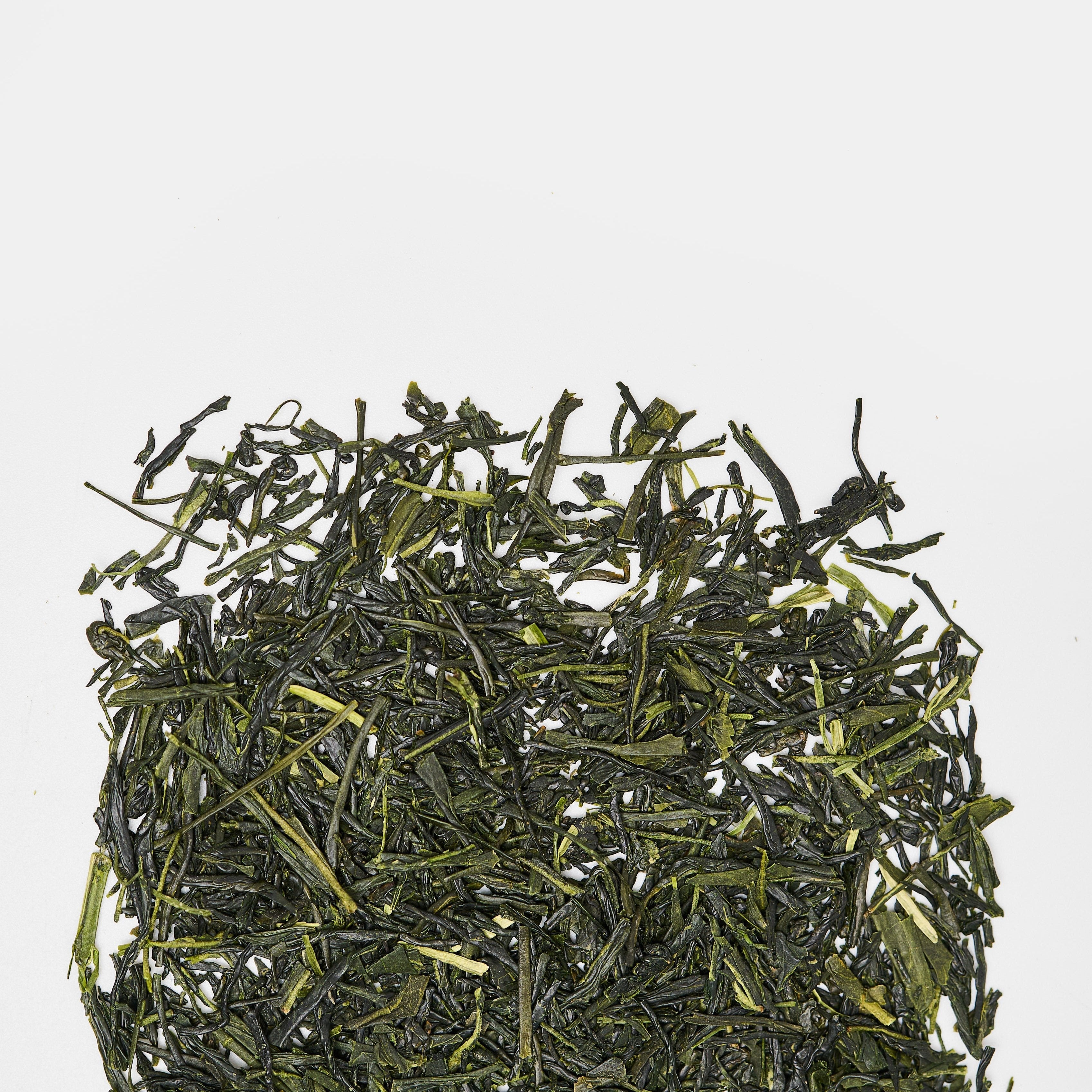
Sencha, like many other aspects of Japanese tea culture, has an interesting history of its origin. It is associated with the influence of the Chinese tea tradition, but over time it has acquired unique features that make it different from Chinese sencha. It is known that green tea was brought to Japan from China in the 8th century. However, it was green tea that began to be grown on Japanese lands, adapting to local climatic conditions and cultural practices. Subsequently, in the 18th century, under the influence of Chinese innovations, a new method of tea processing became popular, which became known as "sencha". Features of Sencha compared to Chinese Sencha: Processing Method: Sencha is produced by steaming tea leaves, rolling, shaping and drying. This method helps to preserve the bright green color and fresh taste. Shade aspect: A distinctive feature of sencha is the absence of exposure of the leaves to shade, which is characteristic of some Chinese green teas, such as Cha Long Jin (Longjing) and White Feather (Bai Hao Yin Zhen). This makes sencha more refreshing in taste. Open Cultivation: Sencha tea leaves are grown in open plantations, which affects their development and taste. Chinese varieties, such as Sencha from Gongdong Province, can grow in shade or under cover. Tasting notes: The flavor of sencha can be milder and less bitter compared to some Chinese green teas. Its aroma often has a fresh, herbal or floral character. In general, sencha embodies the Japanese tradition and has its own unique qualities that arise as a result of the influence and development of tea culture in Japan.
📍 Japan, Izumo
Oka Yuta-san