

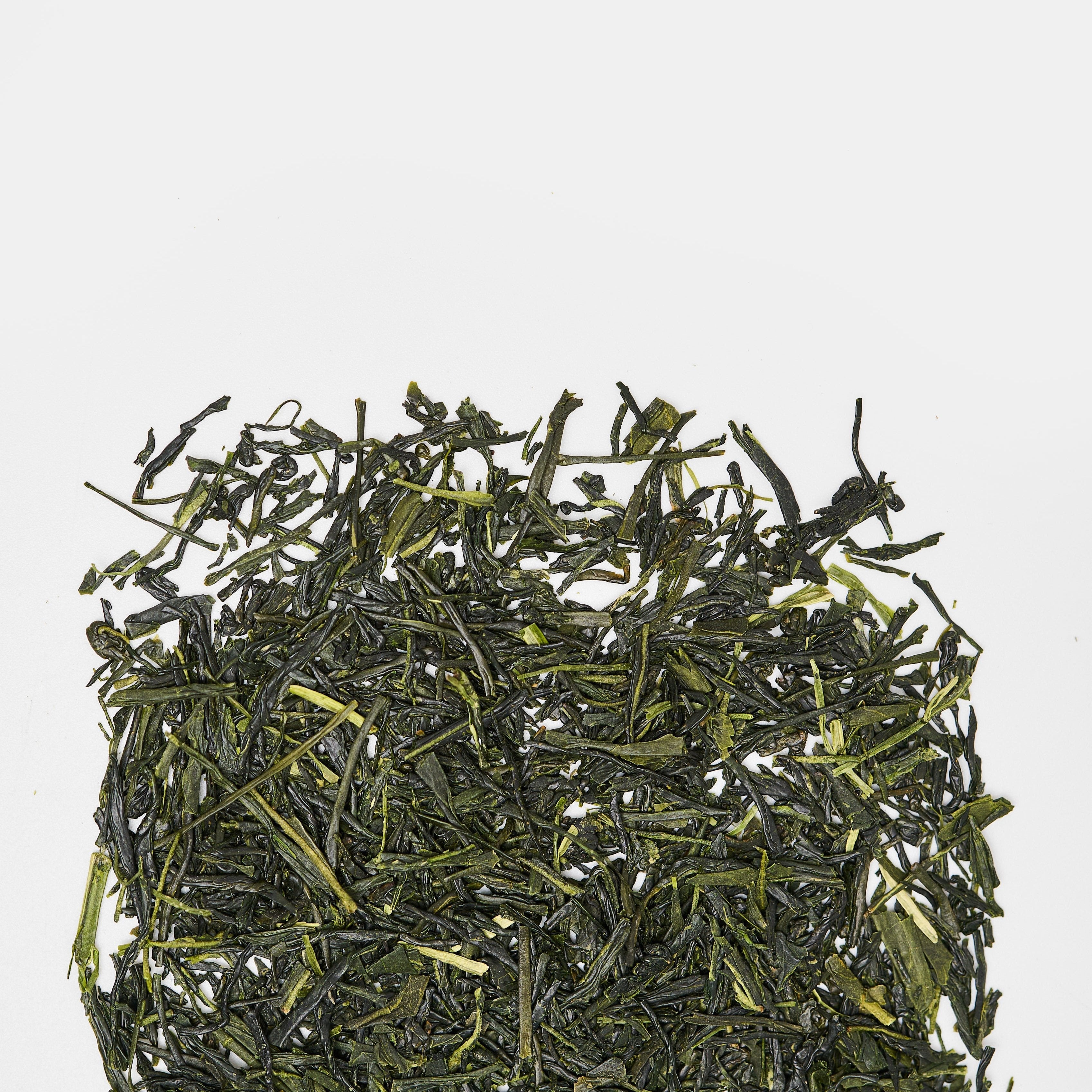
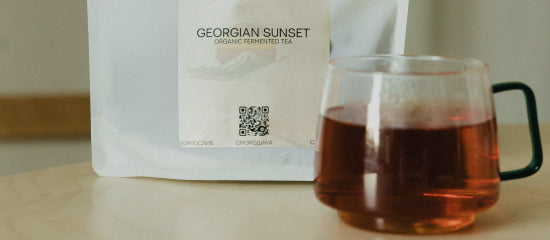
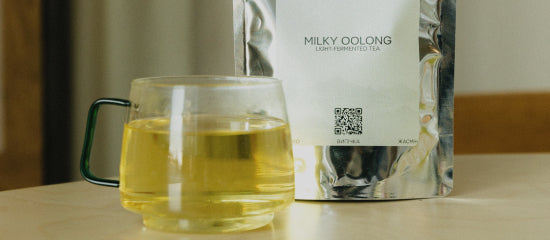
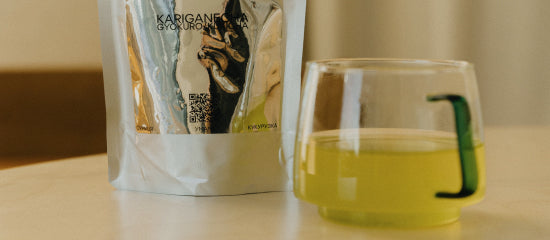


Weak astringency and minimal bitterness, as well as a unique taste and a rich, multifaceted aroma. Wonderful Japanese wakocha tea is perfectly invigorating - it is drunk in its pure form, without sugar and milk, enjoying a complex taste. Due to the multi-stage processing and fermentation process, it does not just store useful substances. It acquires unique taste characteristics. This material tells about how Japanese wakocha is made and why it is beneficial to drink such tea every day.
Vakocha: general characteristics of fermented tea
Deep, subtle and complex taste without tannins and a sweet silky aftertaste. These are the main features of vakocha. Literally, its name translates as "Japanese red tea" - a product with a rich history , which is often confused with black tea. Premium raw materials undergo masterful oxidation in a humid environment. The result is not only a change in the color of the leaves, but also the development of the characteristic taste and aroma of vakocha.

In the land of the rising sun, the optimal conditions for growing tea bushes are ideal climate and suitable soil. Yabukita and Benifuki leaves are used for vakucha. In most farms, the leaves of the first harvest are harvested for making green tea, and the second - for vakucha. They are ideal for the production of unique fermented tea.
Vakocha goes well with food and especially with desserts. Tea complements breakfasts, providing a boost of vigor and energy for future tasks.
Oxidation during the production of vakucha allows you to highlight the unique features of the tea leaf. For comparison: in the production of black tea, the collected raw materials are immediately steamed or fried, preventing oxidation.
Read about how to make a healthy breakfast in the Matcher article with a nutritionist.
Tea production process
The collection of tea bush leaves, from which vakocha is later made, is carried out in the summer. Only young upper leaves are used, which have the best quality and taste properties.
Processing of raw materials includes several stages:
- Withering. The collected leaves are laid out in a thin layer on special grates so that they dry. This stage takes 16-18 hours. Withering helps to soften the leaves and reveal the aroma of the tea variety until complete oxidation.
- Kneading and rolling . After withering, the leaves become soft enough to be kneaded and rolled without breaking. This process accelerates oxidation before drying and storage.
- Sorting and secondary rolling . The leaves are carefully filtered. This makes it impossible for it to stick together. In addition, premium raw materials are selected - whole leaves, and small fragments are removed.
- Fermentation. After rolling, the tea leaves are left to lie until complete oxidation in conditions of high humidity. It changes its color, acquiring a characteristic reddish-brown shade. The process may vary in time. It is carefully controlled so that the vakucha acquires the necessary taste and aroma.
- Maturation. Sometimes this stage is called drying. Fermented leaves are left to decompose. Over time, its taste and aromatic properties improve and intensify. At the same time, aging helps to soften the astringency and develop the characteristic aromas of tea.

Premium raw materials, harvested with strict adherence to technology, turn into tasty, aromatic and incredibly useful for the body vakocha.
Useful properties of vakocha
Wakocha is a great tea with a rich aroma, but it is lighter than many other varieties. For this reason, in Japan it is not consumed with milk or sugar, but is drunk only in its pure form without additives. The classic brewing method: steep 3 g of tea leaves in 200 ml of water with a temperature of 95°C for 5 minutes.
Vakocha brings significant benefits to the human body due to its unique composition:
- Antioxidants - polyphenols remove free radicals, reducing their destructive effect on body cells. To maintain health, it is useful to understand what free radicals VS antioxidants are , and how to get them from food.
- Catechins - give tea astringency, help normalize blood pressure, promote weight loss and protect the brain.
- Tannin is an effective anti-inflammatory agent.
- Caffeine and L-theanine help to concentrate, cheer up and increase attention.
And also manganese, iron, potassium, sodium, vitamins of group B, PP, K and many other useful elements. Regular consumption of vakocha leads to natural healing of the body.

With long-term contact of dry tea leaves with oxygen, polyphenols are destroyed. In addition, it absorbs extraneous odors, which greatly affects the quality of the finished drink.
Vakocha: proper storage and its duration
There are general storage rules that apply to any tea. Hermetic opaque packaging and a dry warm place — humidity up to 60% without access to sunlight. However, each category has its own nuances. Fermented vakocha is unpretentious in this regard. Tea perfectly preserves its properties at room temperature. It is optimal to drink vakucha from an open package within 2-3 weeks. That's how long the leaf retains the richness of its unique taste and aroma.
Vakocha from Matcher store: a premium product for pleasure and excellent well-being
Red tea from Japan helps maintain excellent well-being. Vakocha is a light drink with a bright taste and aroma. It is drunk in its pure form, enjoying every sip of an amazing bouquet.
For daily consumption, choose a premium product from the Matcher store. Due to its moderate price, it is accessible to every gourmet. We organize delivery across Ukraine for your convenience.
