






Looking for a way to improve your skin? The answer lies in gut health and sufficient collagen levels.
And how to achieve this, we asked Yulia Tron , a certified nutritionist and member of the Association of Dietitians and Nutritionists of Ukraine.

How does the microbiota and our body interact?
Man is a superorganism that is home to billions of microorganisms. The interaction between our body and the microorganisms that live inside us is mutually beneficial and vital to our health.
Our gut is home to microbiota - it is a community of organisms that live in us, we also have a microbiome on our skin and all mucous membranes. In the intestine, there is a certain group of bacteria in the microbiome that regulates estrogen and its behavior in the body - this is estrobol .
What is an estrobolom?
Estrobolum is one of the key factors that influence our glowing beautiful skin, because it and a generally healthy gut (without inflammation and dysbiosis) give us a true balance of hormones and a healthy microbiome of our skin. It depends on him:
- weight
- mood
- libido
- memory
- PMS
- bone density
- cardiovascular system
If there is excess bacterial/fungal growth in the gut, dysbiosis , the first thing you will notice is skin rashes and acne. Deeper intestinal problems can manifest as skin problems: eczema, dermatitis, psoriasis.
That is why the optimal health of the intestine (estroboloma in it), a high-quality and diverse filling of microbiota, a dense whole mucosa - give us glowing skin.
How to improve the microbiota yourself, read in the article - The power of probiotics
How does collagen and the intestine interact?
Collagen is the most common protein in our body. It is a material for connective tissues, joint mobility, skin, hair, nails, and vascular elasticity.
The main symptoms of a decrease in collagen in the body:
- violation of the structure of hair and nails
- dental problems
- skin aging: wrinkles, dryness, wrinkles
- muscle weakness, back/spine pain
- tight joint mobility
- vascular fragility, aneurysms, stroke
- visual impairment
- disorders of the intestinal function, namely valves/sphincters, the thin layer of the intestinal mucosa.
Collagen plays an important role in maintaining the health of the intestine , especially its mucous layer. Deficiency of collagen can lead to thinning of this layer and weakening of the sphincters, which negatively affects the functioning of the entire gastrointestinal tract.
Supplementation of collagen contributes to the improvement of the condition of the intestines. Currently, studies associate a significant improvement in the condition of the connective tissue, which is what makes up the colon and the gastrointestinal tract itself, with the use of collagen. Significant positive dynamics in the state of mucous membranes and connective tissue is observed especially in patients with irritable bowel syndrome.
What form of collagen is best?
The most bioavailable form of collagen for intestinal health is marine collagen , which is completely absorbed by the body through the intestinal walls. The most effective forms of collagen:
- Liquid collagen: instantly absorbed and ready for consumption.
- Capsules: absorbed in 30 minutes, convenient to take on a trip.
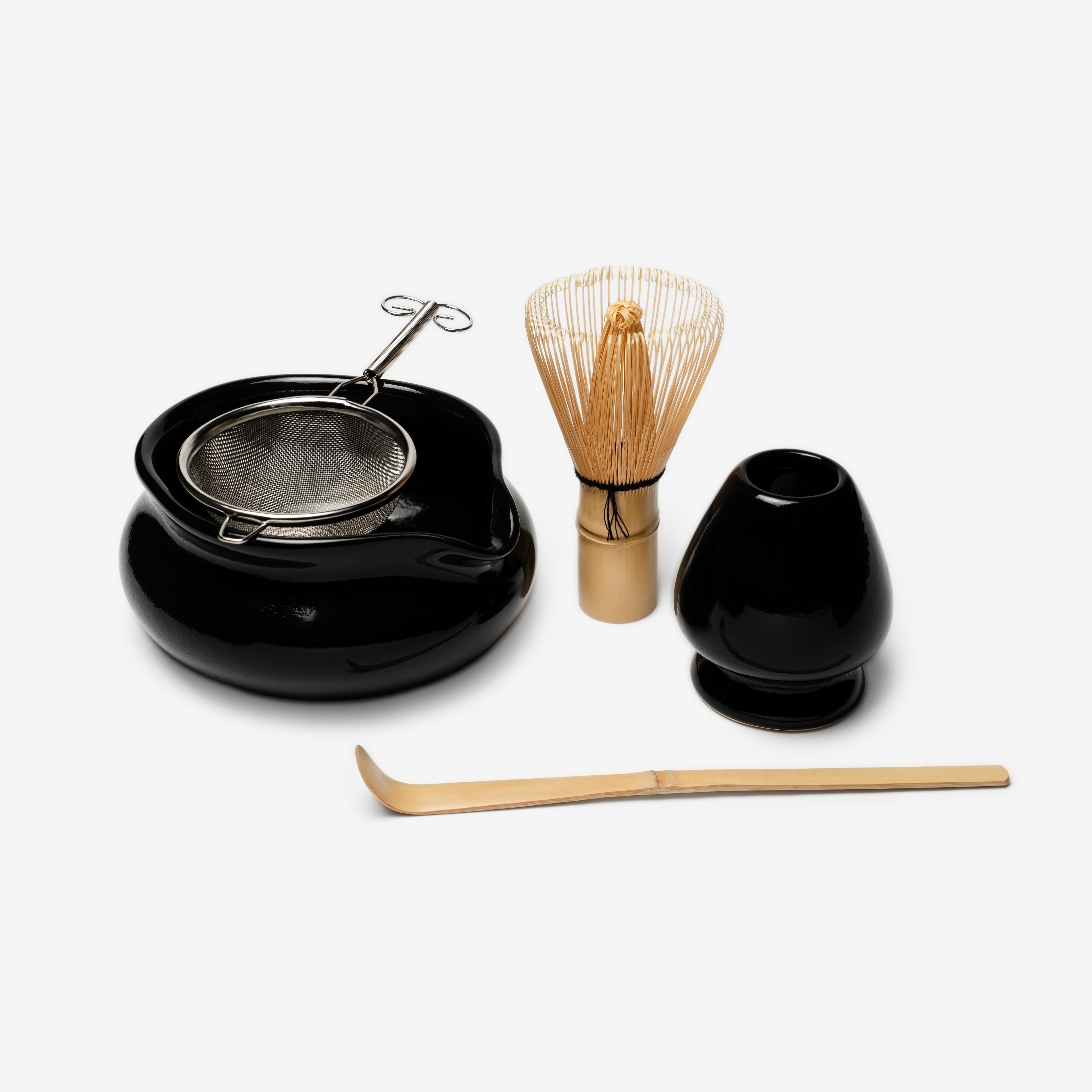
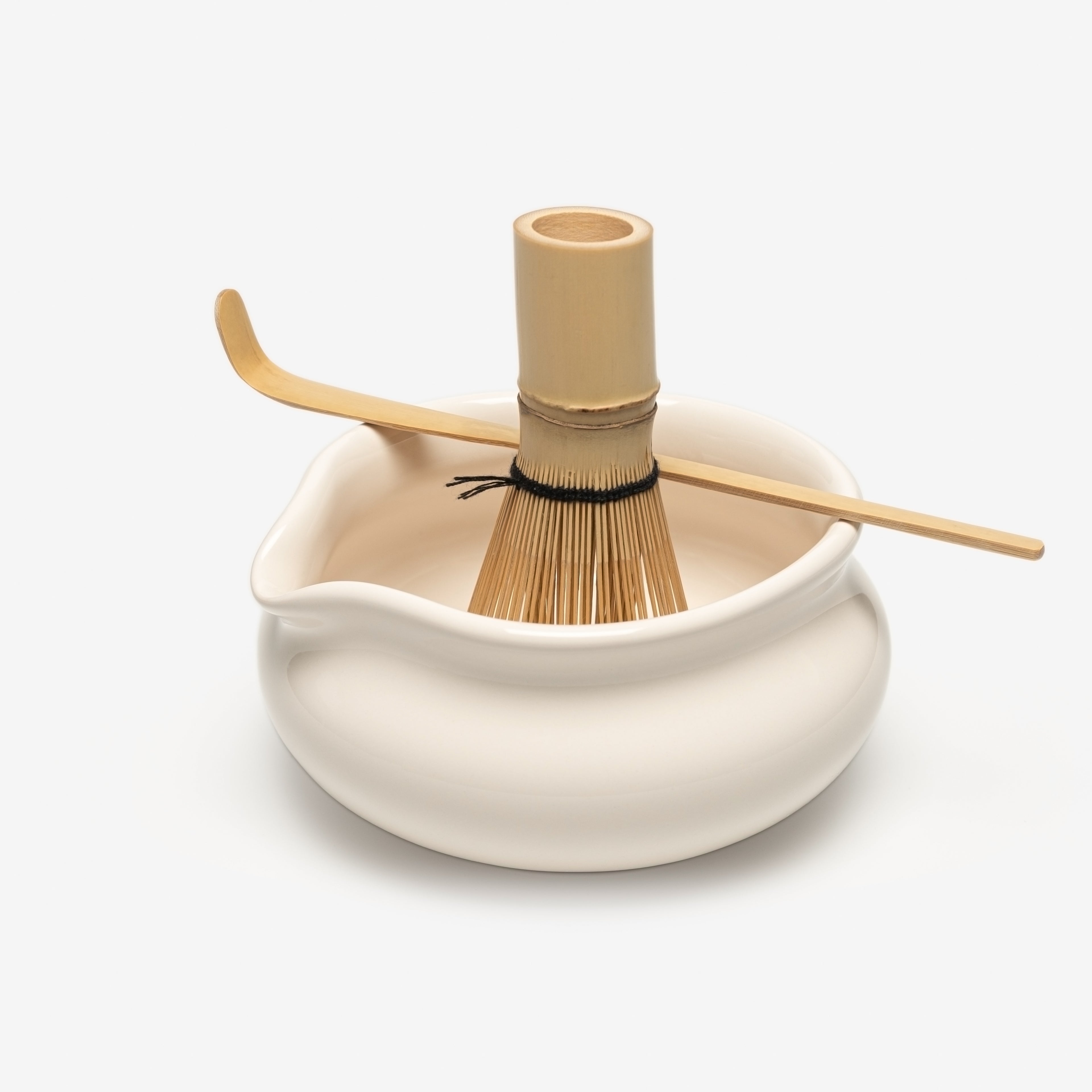
- Powder/Peptides: Very effective, high quality purified, great to add to drinks such as matcha tea
Learn about the types and sources of collagen in the basic collagen article – What is collagen?
Is it possible to combine matcha with collagen?
Matcha increases the efficiency of collagen absorption and promotes the synthesis of the body's own collagen due to its high content of antioxidants and vitamins (A, C, E, P, B1, B2, B6), which also improve the absorption of collagen coming from the outside.
Therefore, you can safely strengthen your favorite matcha with a dose of collagen and improve the condition of the intestines and skin. We advise you to choose ceremonial varieties and elite matcha, which has been harvested by hand for the maximum concentration of useful trace elements in your bowl.
How to drink collagen properly?
The most bioavailable form of collagen for gut health is marine collagen . It is completely absorbed through the walls of the intestine.
To achieve the desired effect, it is recommended to consume collagen:
- How much: per serving (per serving) from 10 g and above
- How long: courses of 2-3 months with a further pause of 2 months.
- Is it possible for pregnant women: yes, throughout pregnancy, since pregnant girls have a high body demand for amino acids (the main thing is with a high-quality composition and without impurities)
Factors affecting the assimilation of collagen
Just drinking collagen is not enough. It is worth paying attention to the peculiarities of collagen assimilation. Collagen absorption can be reduced due to the following factors:
- there is insulin resistance and a glucose level above 5
- too much sugar, fructose and fast carbohydrates in the diet
- acute stress
- weak concentration of hydrochloric acid or reduced acidity of the stomach
- deficiency of vitamin C in the diet
- acute inflammatory process in the body
- smoking
- hyperinsolation (excessive exposure to the sun)
Before using collagen, you should exclude these factors and adjust your diet. So collagen will be absorbed and will not become a waste of money and time.
Conclusion: So should you drink collagen or not?
Gut health and proper collagen levels in the body are key factors in maintaining youthful, glowing skin and overall well-being.
Consuming quality collagen and adjusting your diet, closing your body's deficiencies, and maintaining a healthy microbiome will help improve and maintain your health and, as a bonus, clear, healthy skin.
