





We created this article together with Naukroom — a space for self-care, founded by Oleksandr Koliada. Naukroom combines a scientific approach with daily self-care practices, helping thousands of people change their lifestyle through nutrition, knowledge, and support. In this material, we delve into how the longevity diet affects the duration and quality of life — and how to adapt its principles into your daily menu.
How to eat for a long and healthy life
The topic of longevity is currently experiencing a real boom: it's discussed in podcasts, best-selling books, and on influencers' pages. But what really stands behind healthy longevity, beyond the numbers on a passport? The answer lies in lifestyle. And, first and foremost, in nutrition.
Experts note that it's important not only how many years we live, but also how many of them are lived in good health. Genetics play a role, but lifestyle is critically important. Nutrition is among the main factors.
Is there a universal longevity diet?
No. But there are certain eating patterns that are consistently associated with a long and healthy life:
-
Mediterranean
-
predominantly plant-based diet
-
traditional Asian cuisine
Professor Frank Hu of the Harvard T.H. Chan School of Public Health notes: we cannot observe people on certain diets in laboratory conditions for years. But we can analyze statistics on eating habits and health — and they are compelling.
What works: key principles of nutrition for a long life
Protein — but the right kind
Older adults who consume more protein remain more active, have fewer fractures, and less muscle mass loss. But the source matters:
-
Plant proteins (legumes, nuts, whole grains) — positively associated with life expectancy
-
Red and processed meat — conversely, shorten it
Recommendation for people 65+: 1.0–1.2 g of protein per 1 kg of body weight per day, distributed evenly throughout meals.
Calcium and vitamin D for bones
With age, the body needs more support for bone tissue:
-
calcium: fortified milk, yogurt, leafy greens, tofu
-
vitamin D: sun, fatty fish, eggs, mushrooms
In case of deficiencies — consult about supplements.
Polyphenols — your allies
These natural antioxidants help reduce inflammation and keep cells in tone:
-
coffee (adjust to your state after consumption)
-
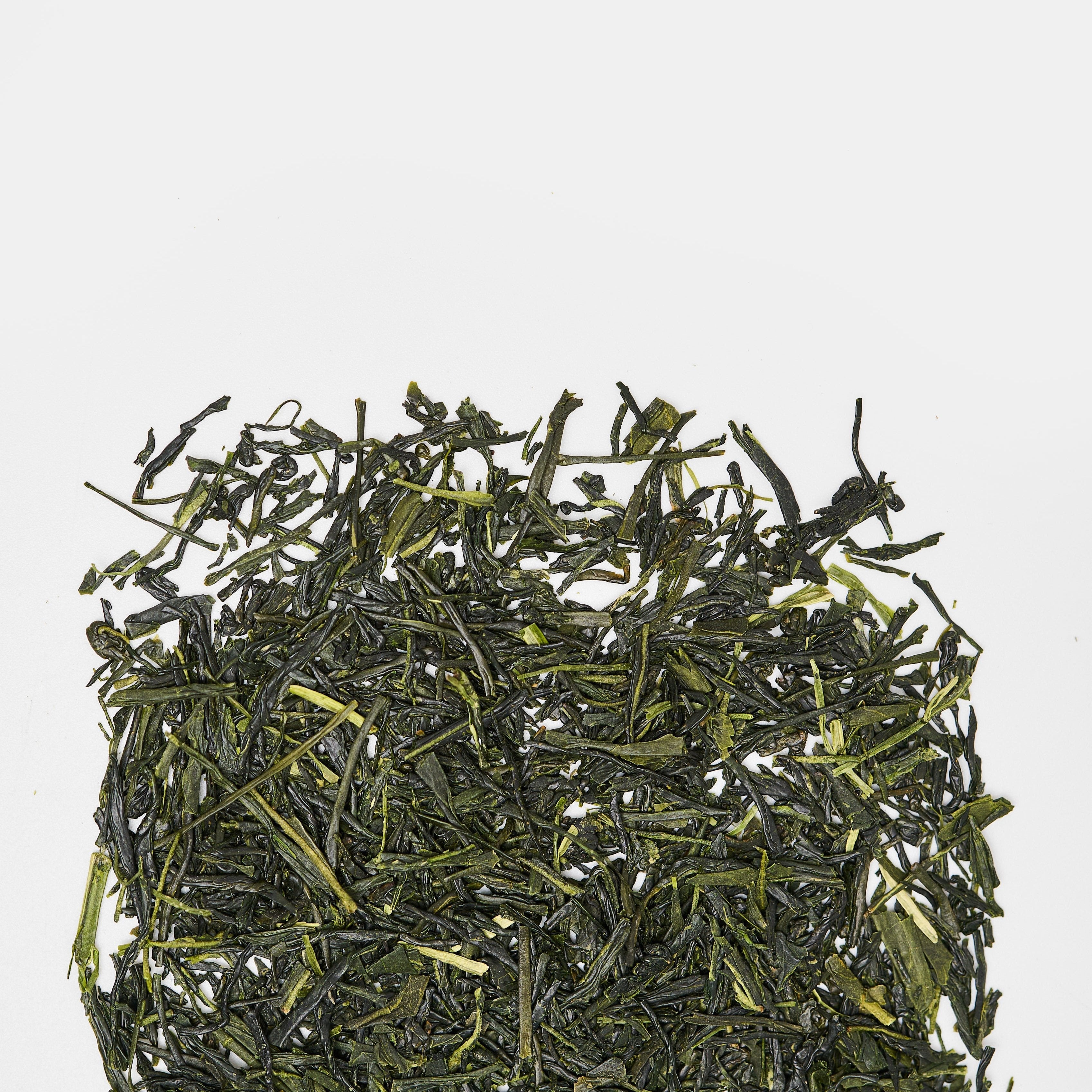
green tea
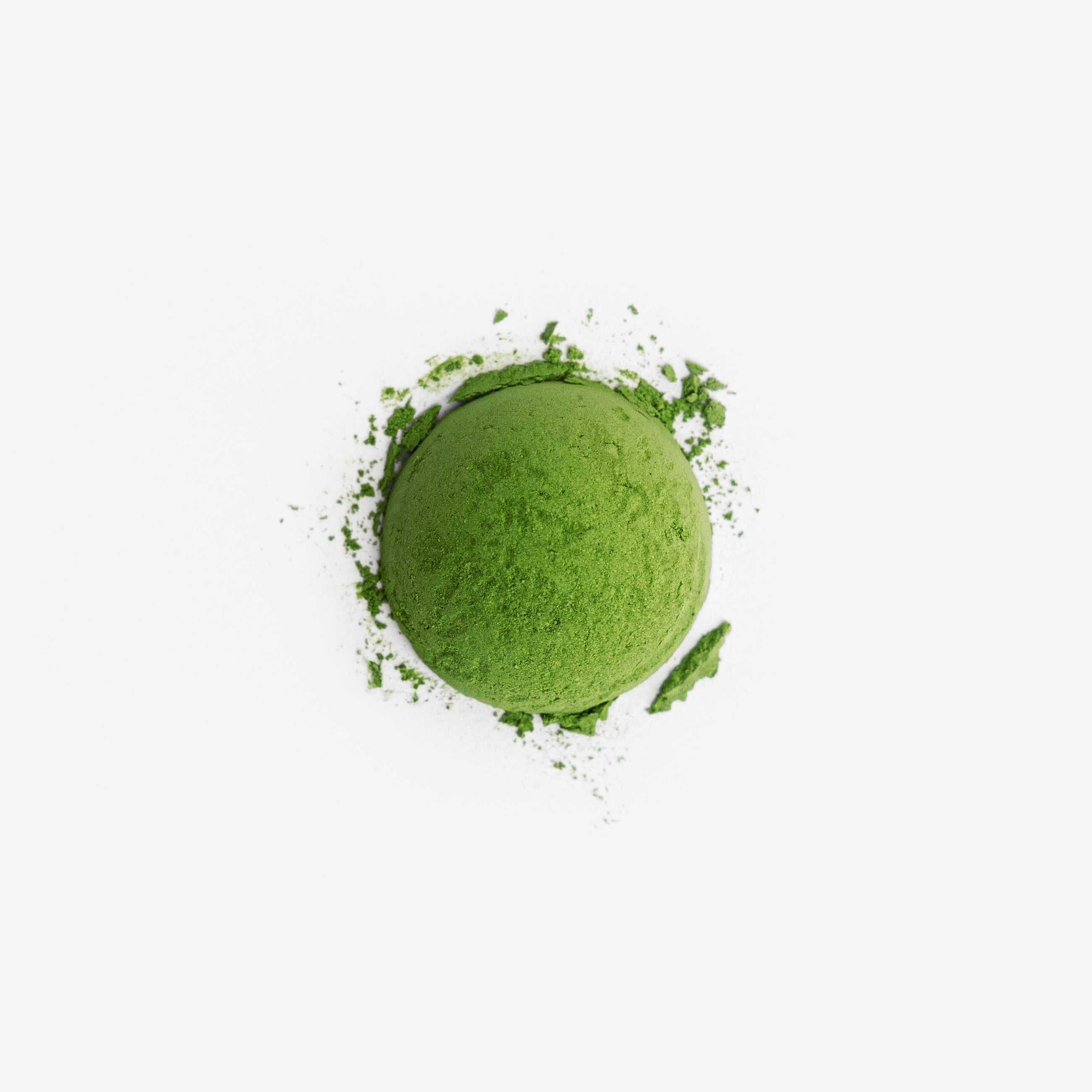
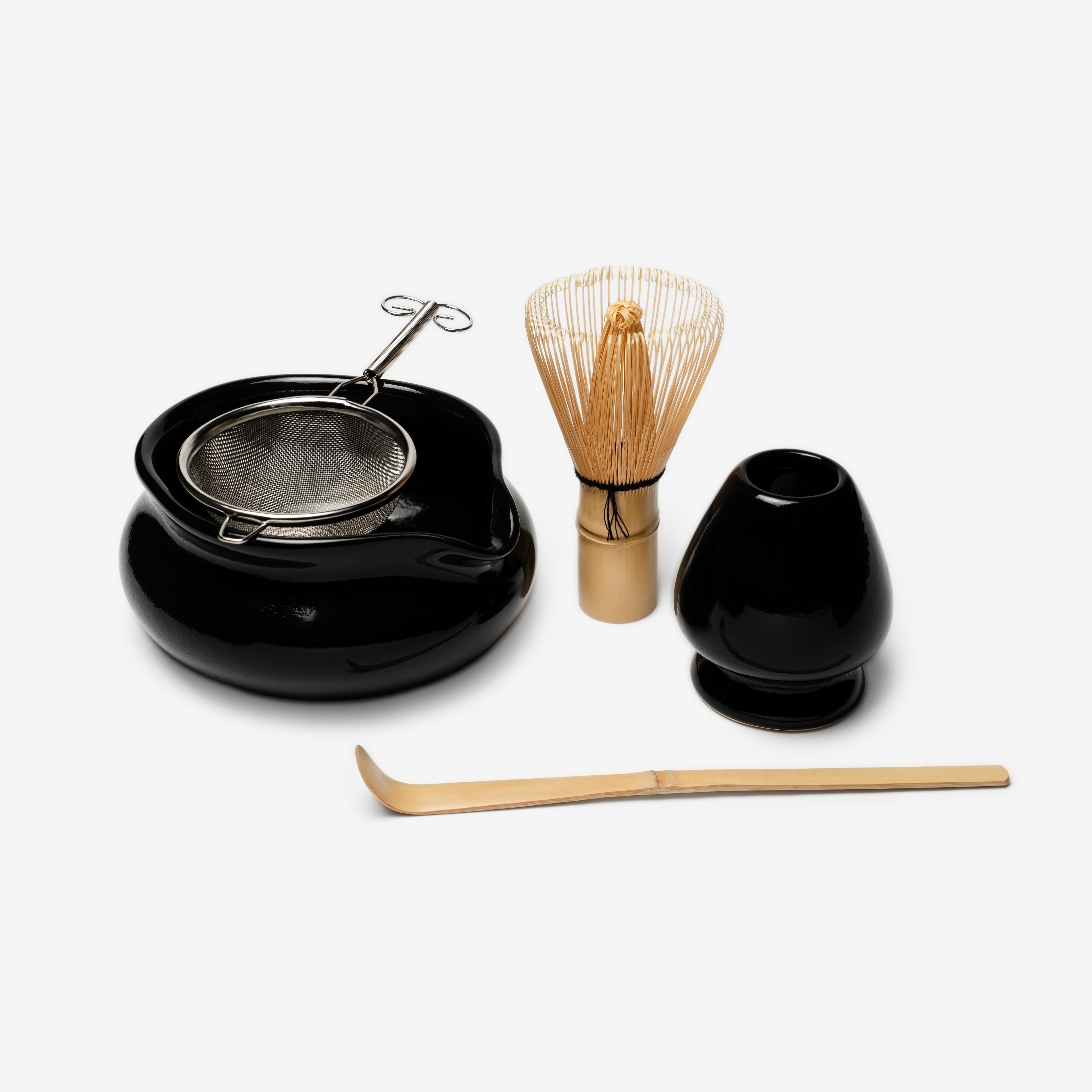
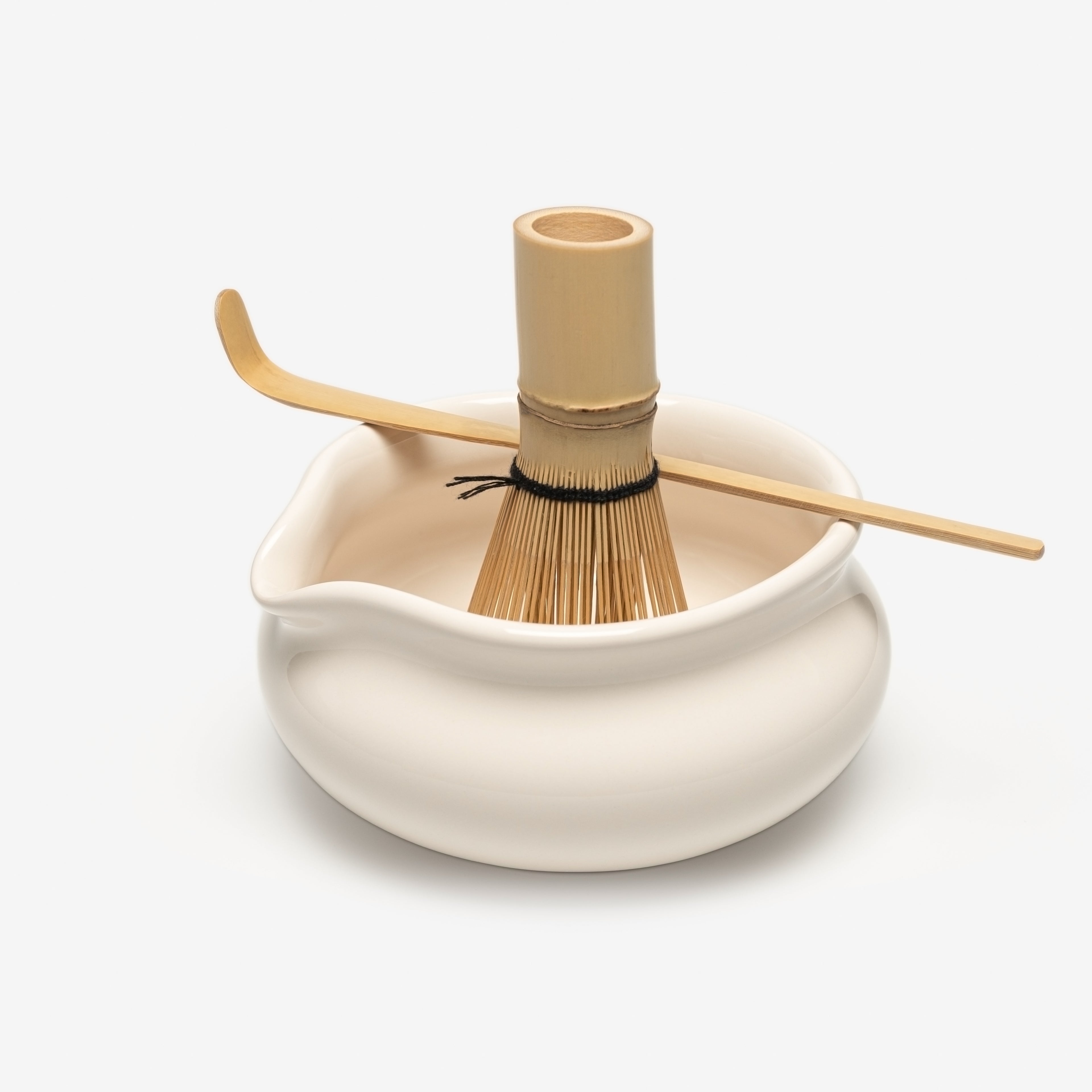
Japanese matcha tea has the highest level of polyphenols. Matcha is especially rich in catechins — antioxidants.
Try adding one cup of green tea to your diet, and let your body feel the effect. It's not only a source of antioxidants but also a way to support concentration, digestion, and stable energy levels.

-
berries, dark greens, avocado
-
extra virgin olive oil
What fats — such are the consequences
Unsaturated fats (olive oil, seeds, nuts, avocado) are associated with longer life. Saturated fats (sausages, butter, fast food) — with higher mortality.
Fatty fish — an additional benefit: omega-3 reduces inflammation and supports the brain.
Minimum ultra-processed foods
Hot dogs, sodas, sweet pastries, snacks — all of these are associated with:
-
higher risk of type 2 diabetes
-
cardiovascular diseases
-
dementia
-
shorter life expectancy
Ultra-processed foods contain simple carbohydrates, a lot of salt, and trans fats. Reduce their quantity to a minimum.
Not one product, but the entire diet
There is no superfood that will give you +20 years of life. But there are general eating patterns that do:
-
more unprocessed plant-based food
-
less meat and added sugar
-
fats — from fish and plant sources
Mediterranean, traditional Asian, or Scandinavian diet — different approaches, one essence: diversity, naturalness, balance.
Summary
Your nutrition is not just a diet. It's an investment in your future.
Choose foods that support your body, brain, and mood. And remember: one plate won't change your life. But thousands of plates, day after day — can change everything.
