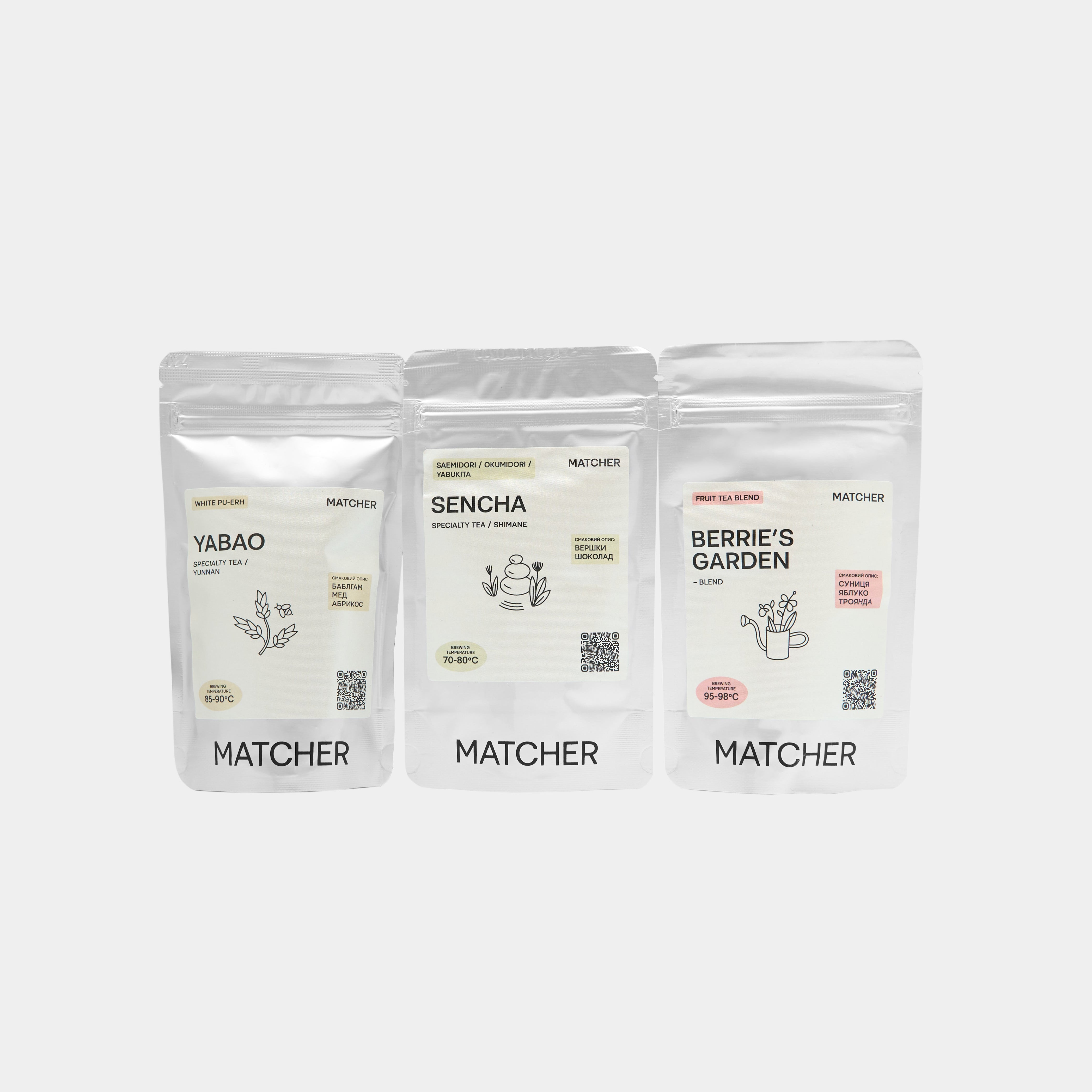

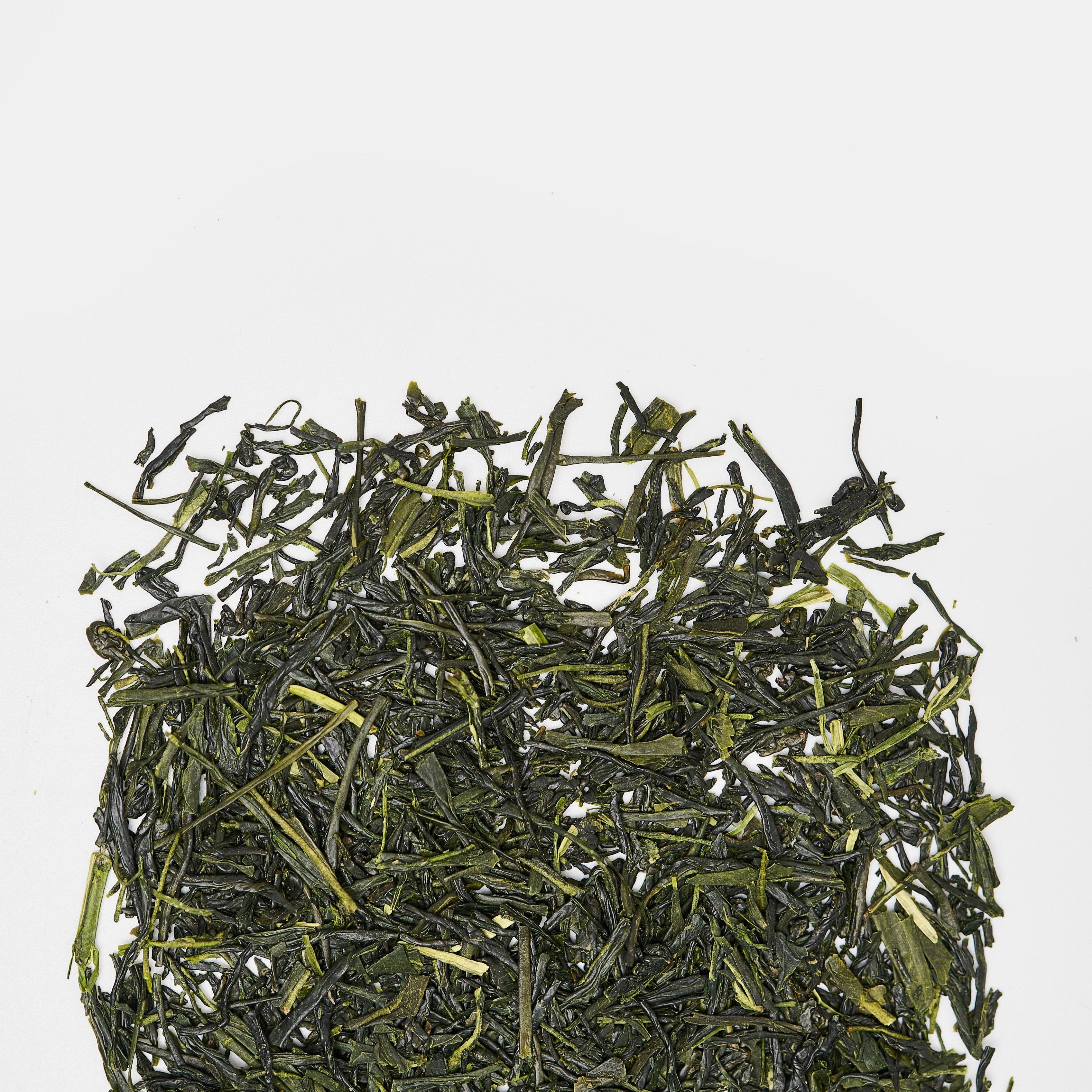
Sencha Kabusecha Green Tea

Regular price ₴320.00

6 reviews
Weight

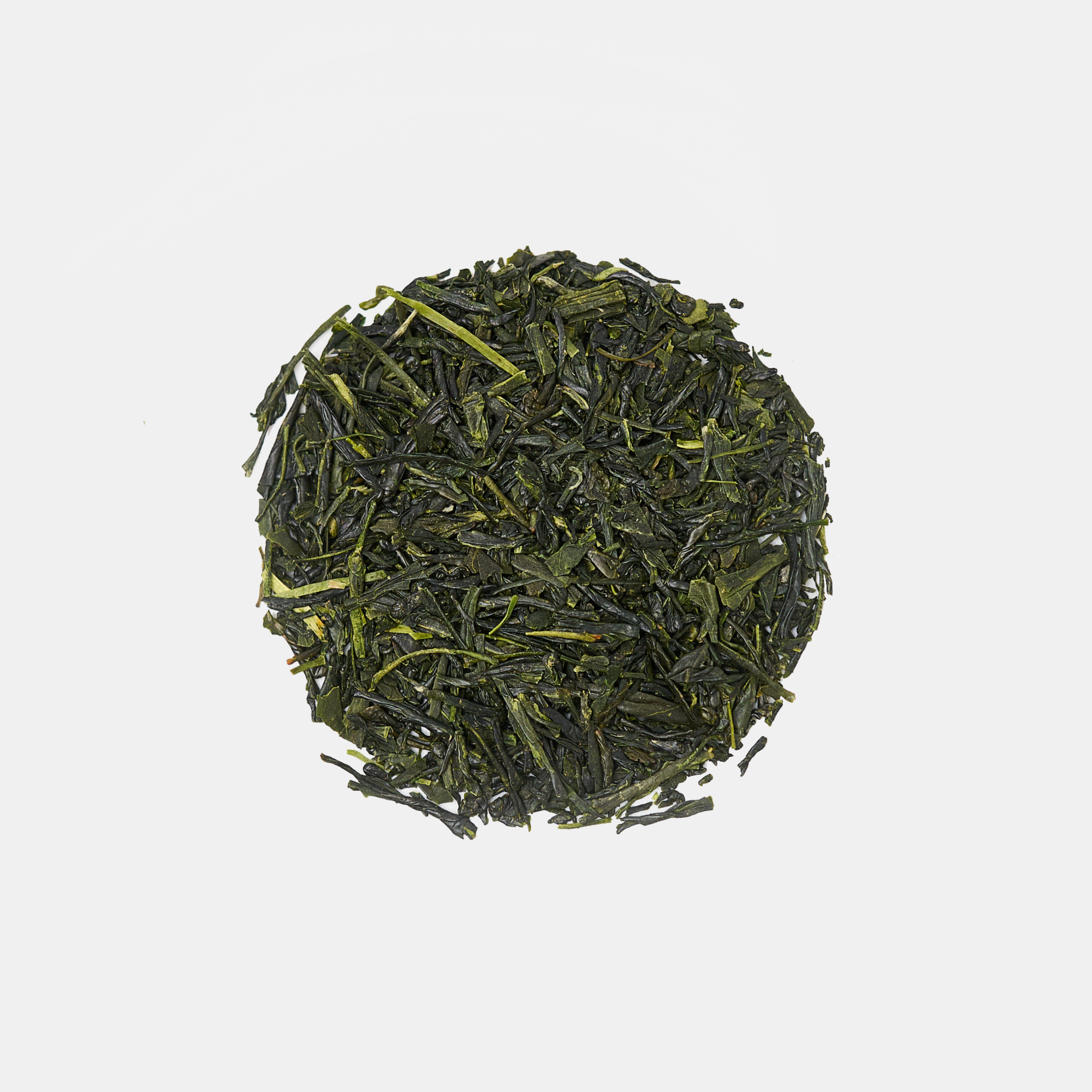
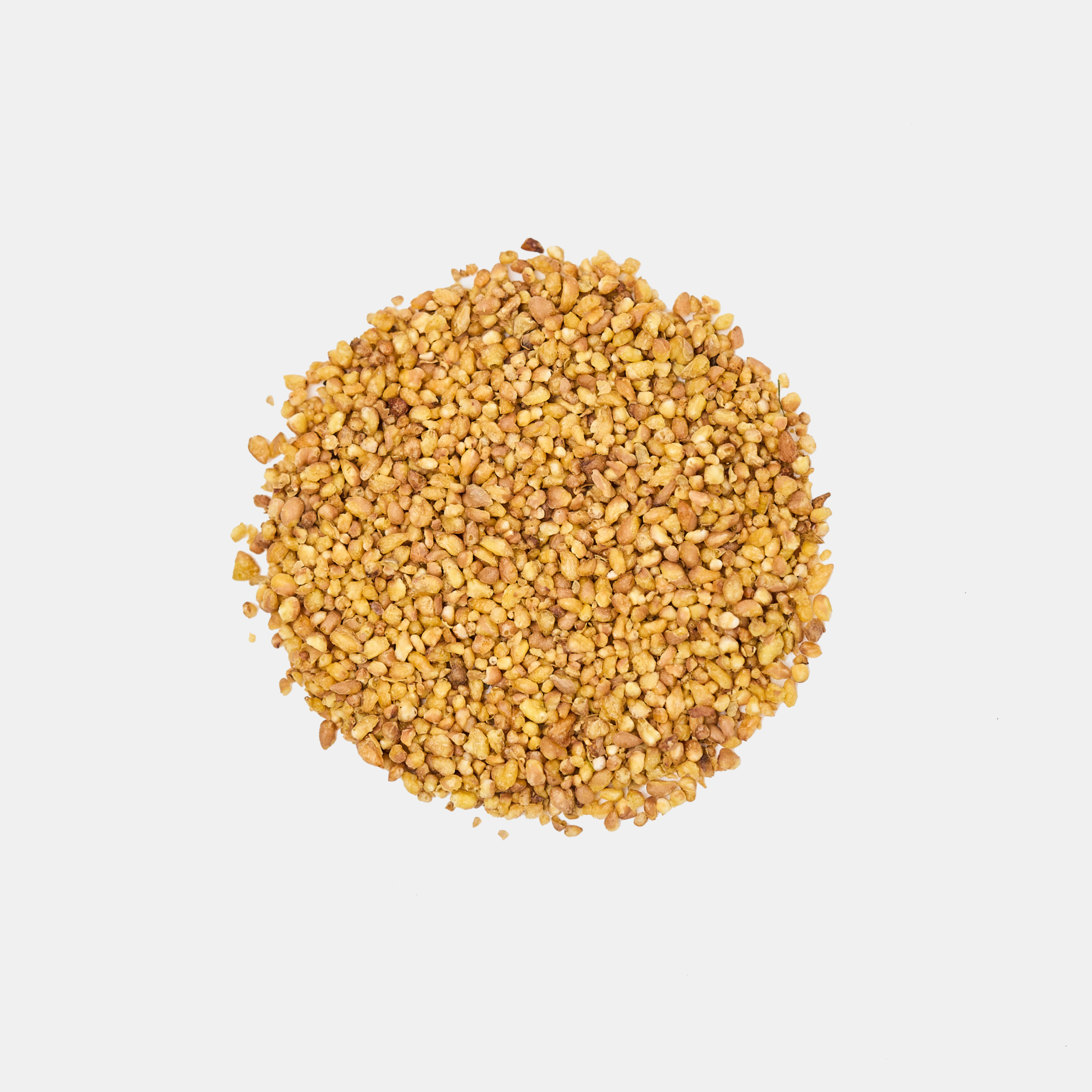
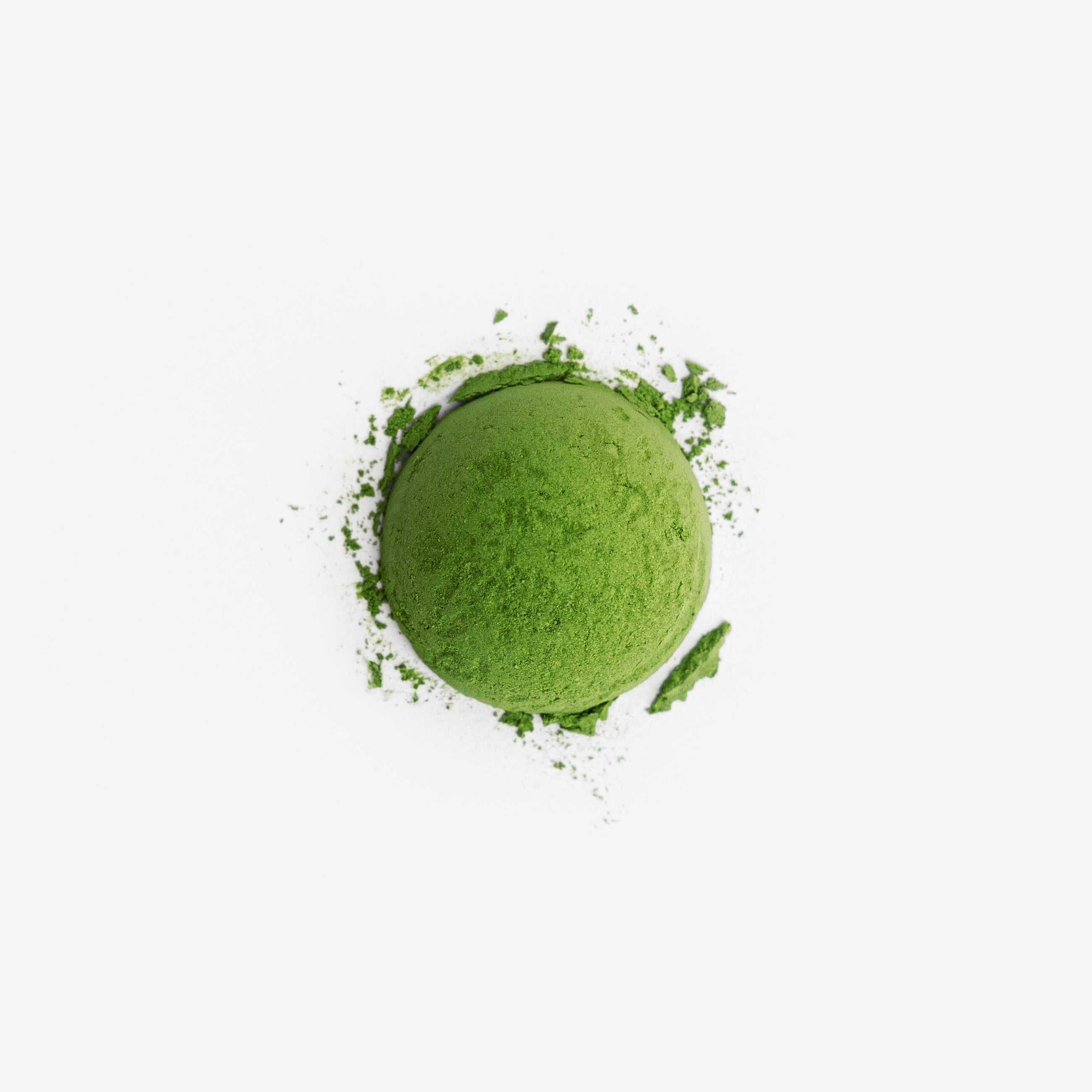
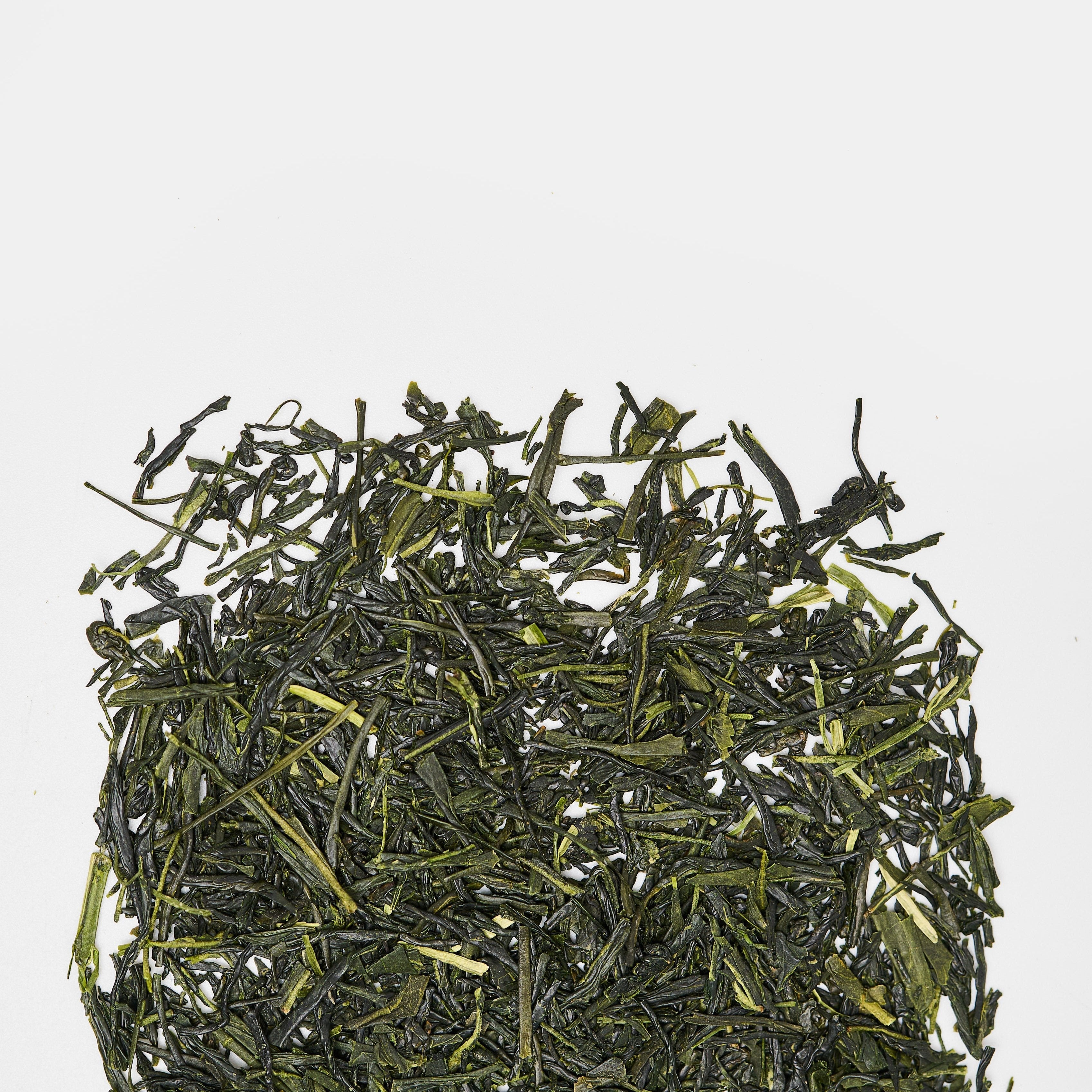
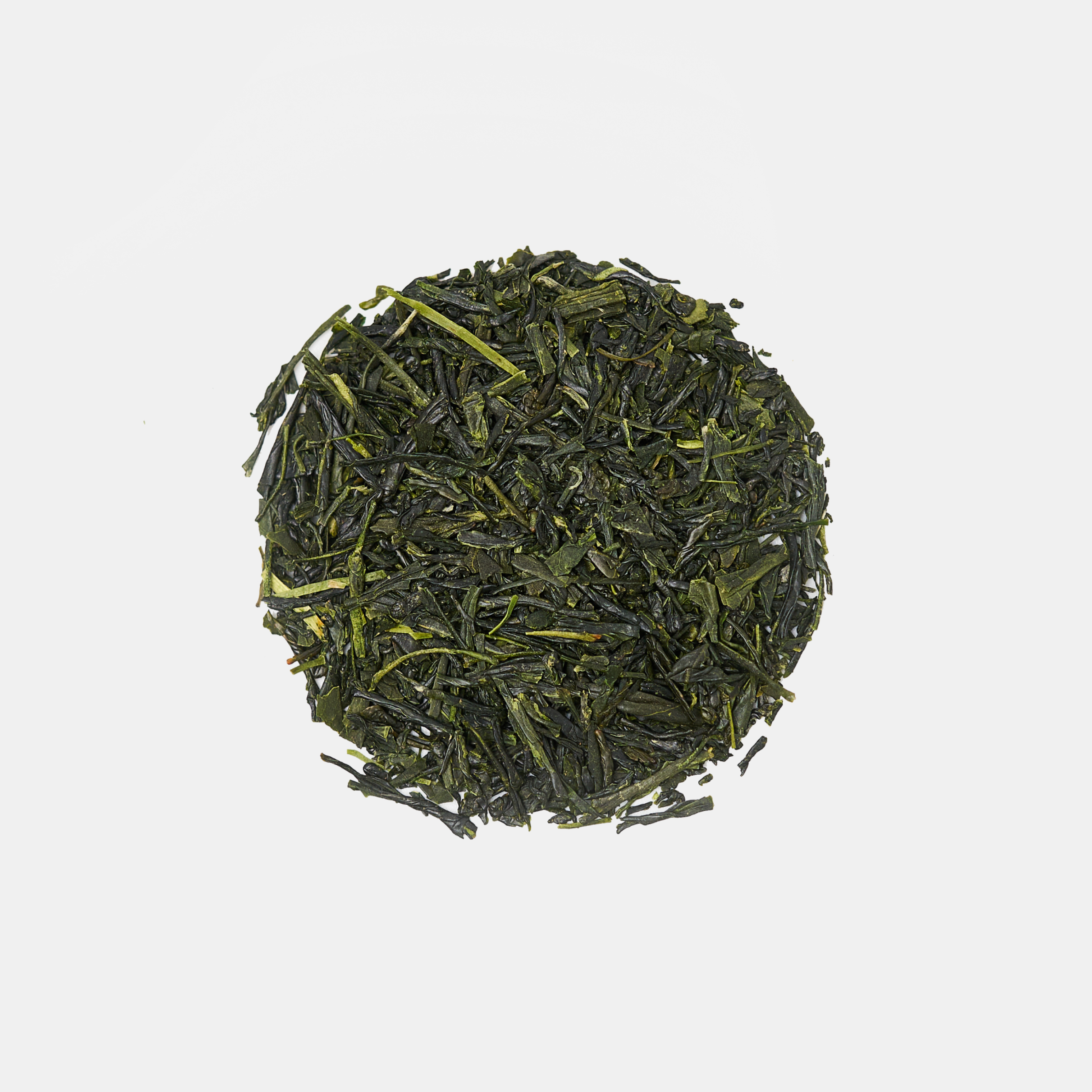
Sencha is the most popular green tea, known for its freshness and rich taste. It is grown in the Japanese prefecture of Shiga on clean and well-maintained fields using a special method called Kabuse, which involves shading the tea for 2-3 weeks before harvesting, increasing its amino acid and chlorophyll content. This method also results in a more delicate drink and is used in matcha production.
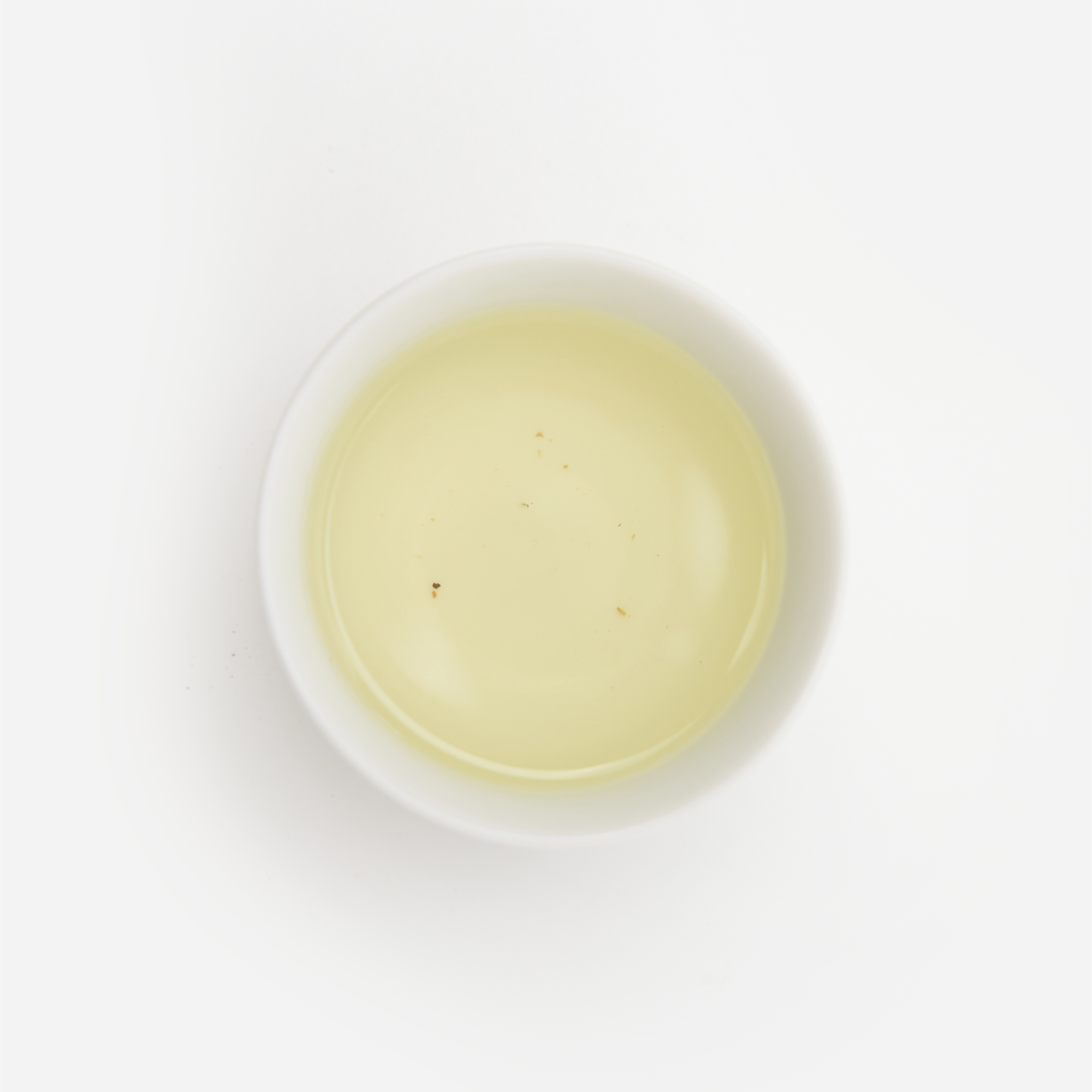
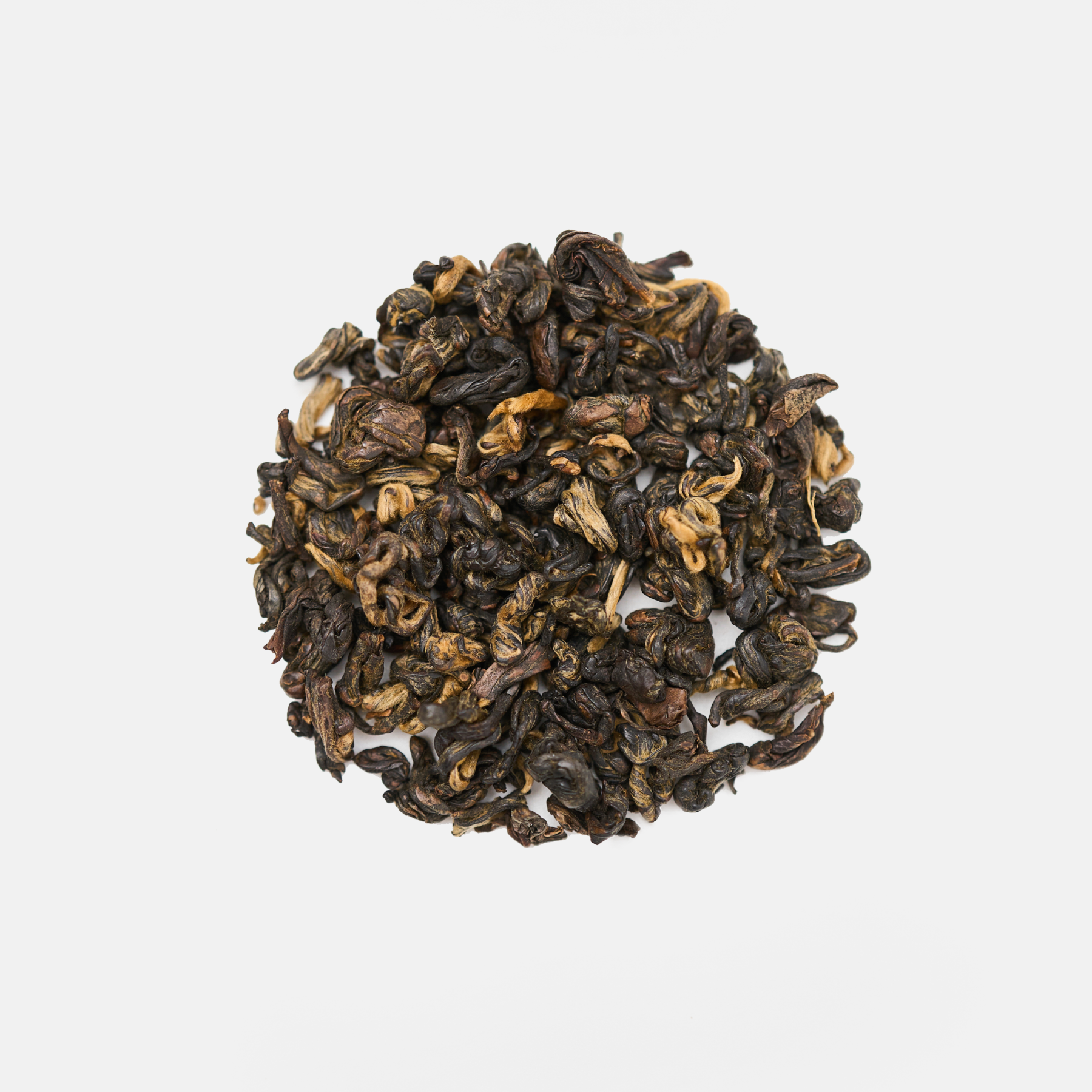
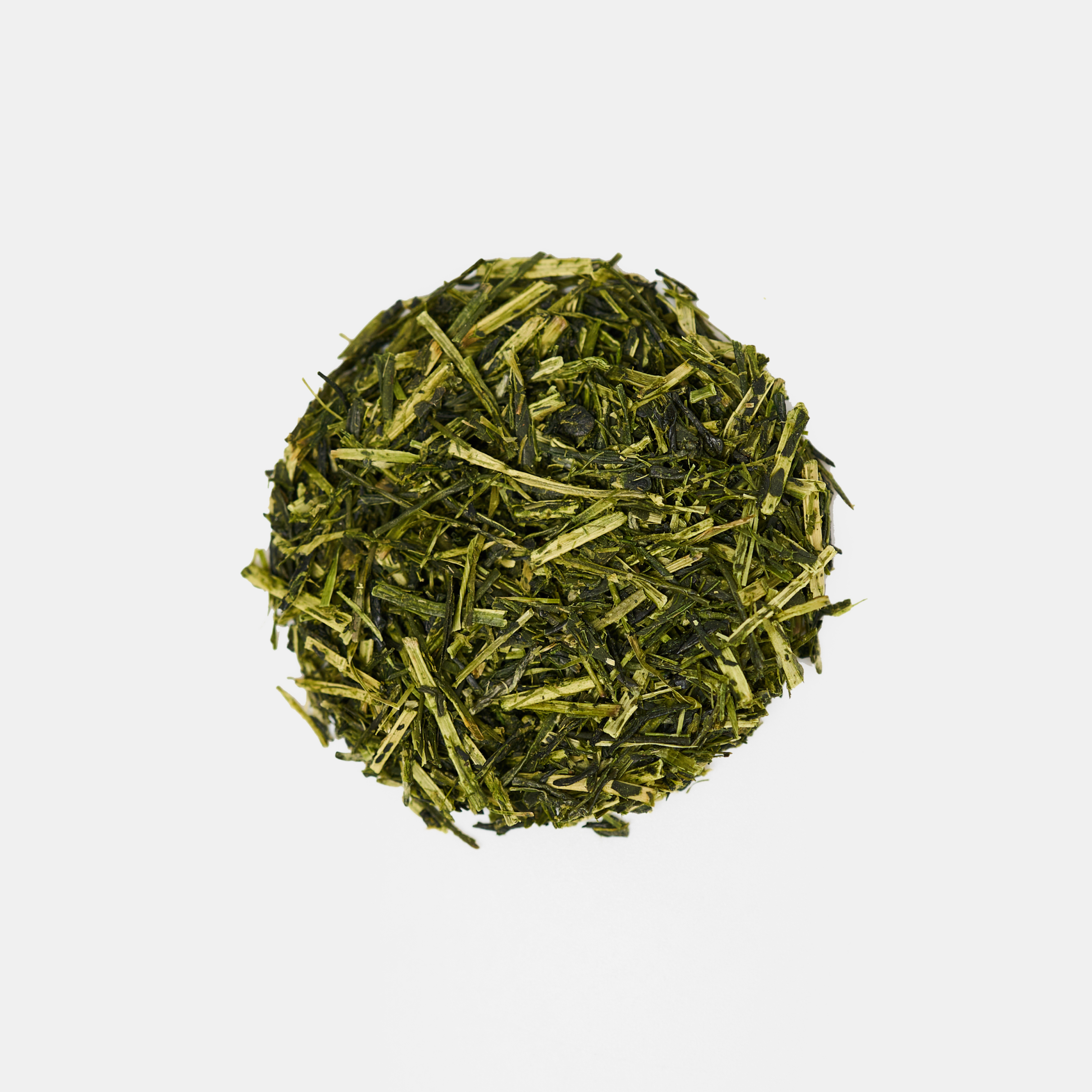
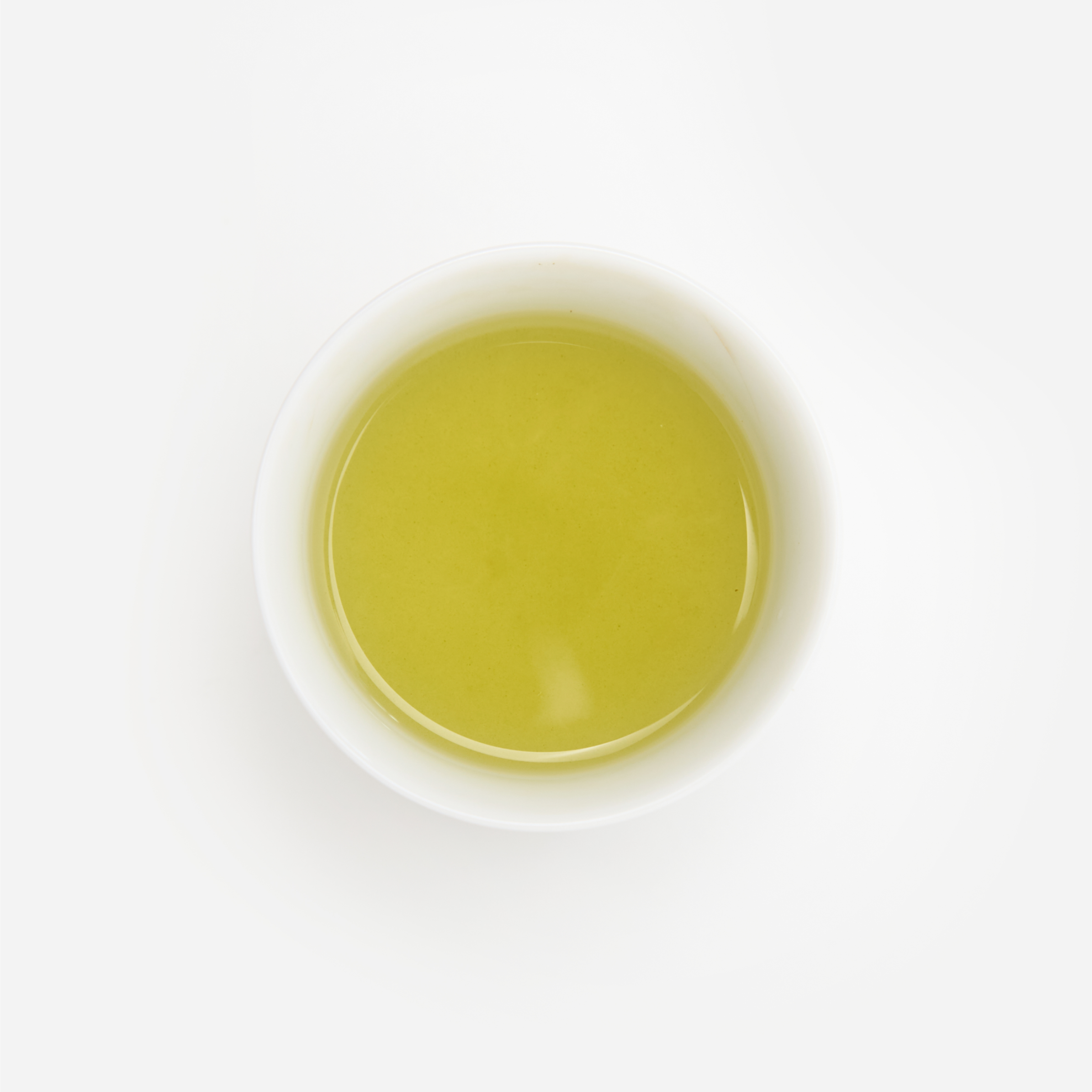
Kabusecha has very delicate tea leaves, which are quickly steamed after harvesting to stop the oxidation process. This helps preserve the freshness and vibrant green color of the leaves, as well as enhancing their natural taste and aroma.

Sencha Kabusecha is a monocultivar Saemidori, grown and processed in a single region, without the addition of other tea varieties. Grown with love on the clean fields of Japan, this tea captivates with its freshness and pleasant bitterness.

Taste description


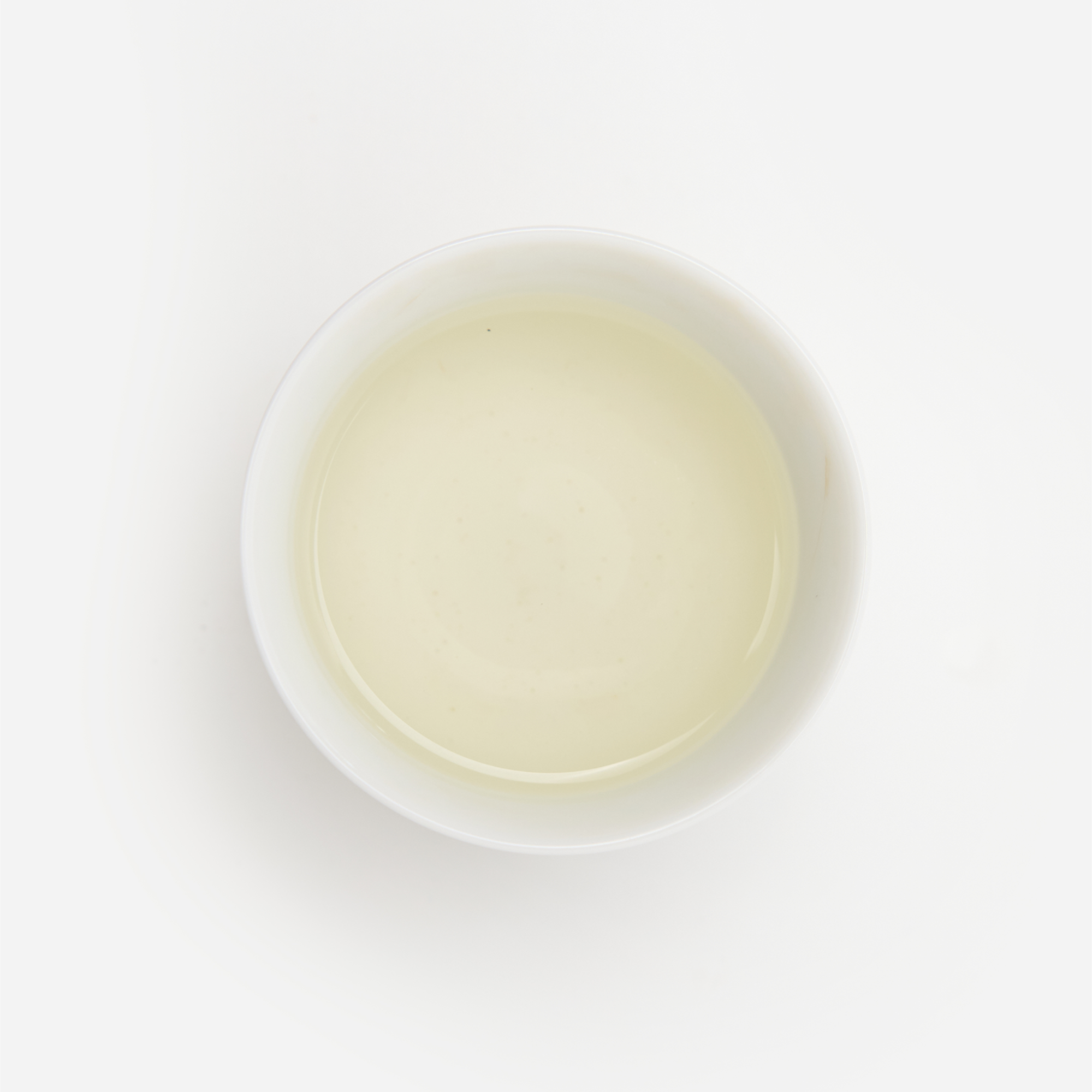
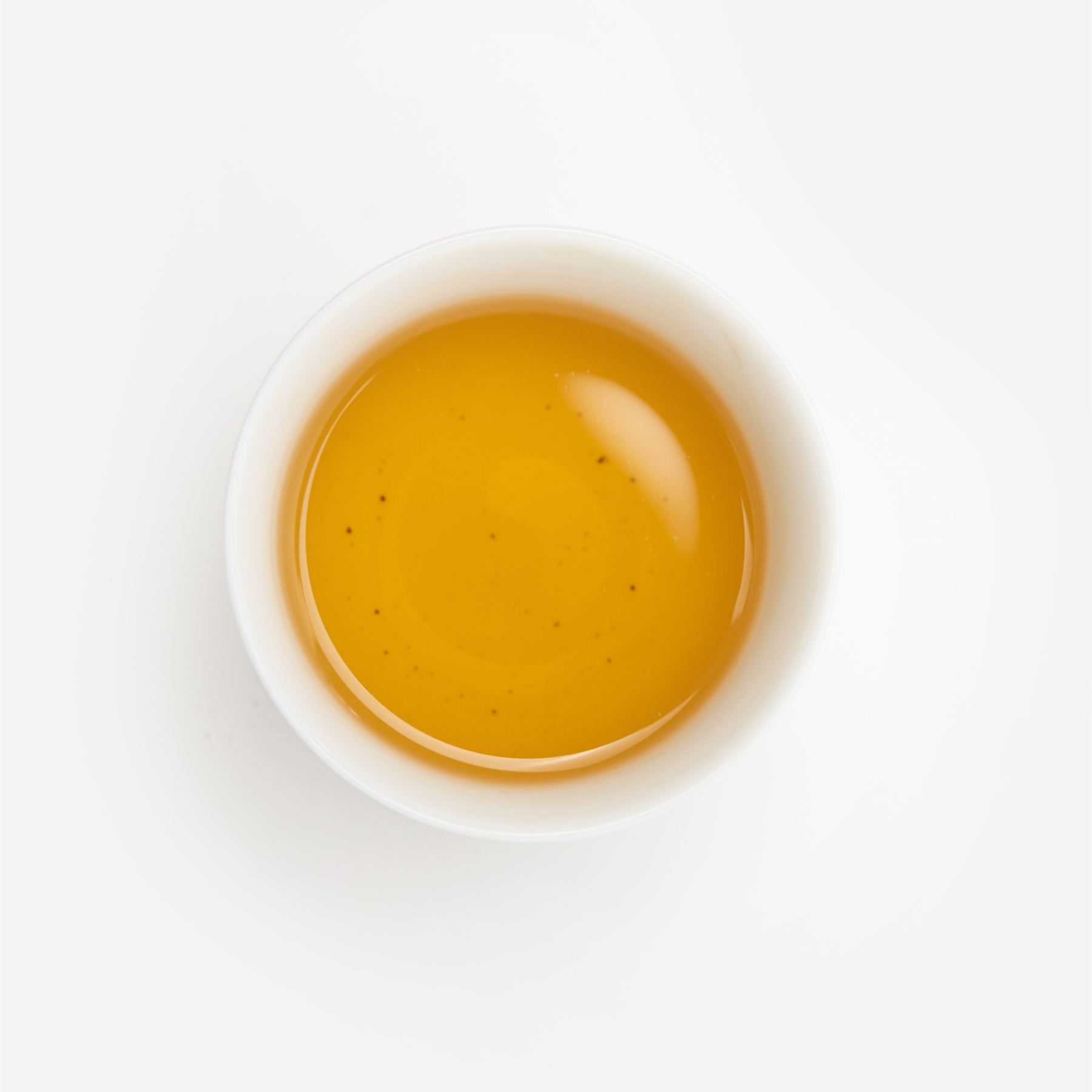
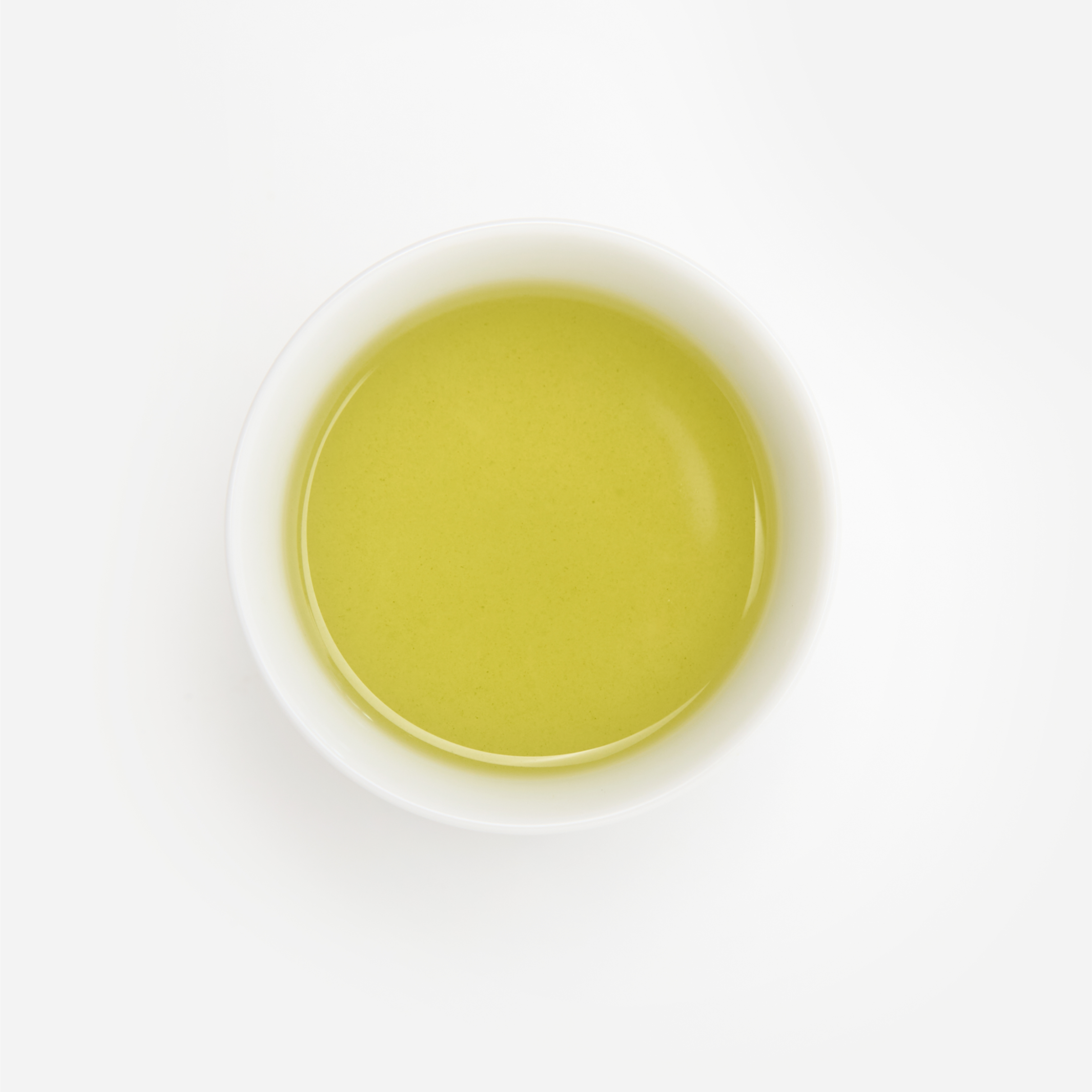
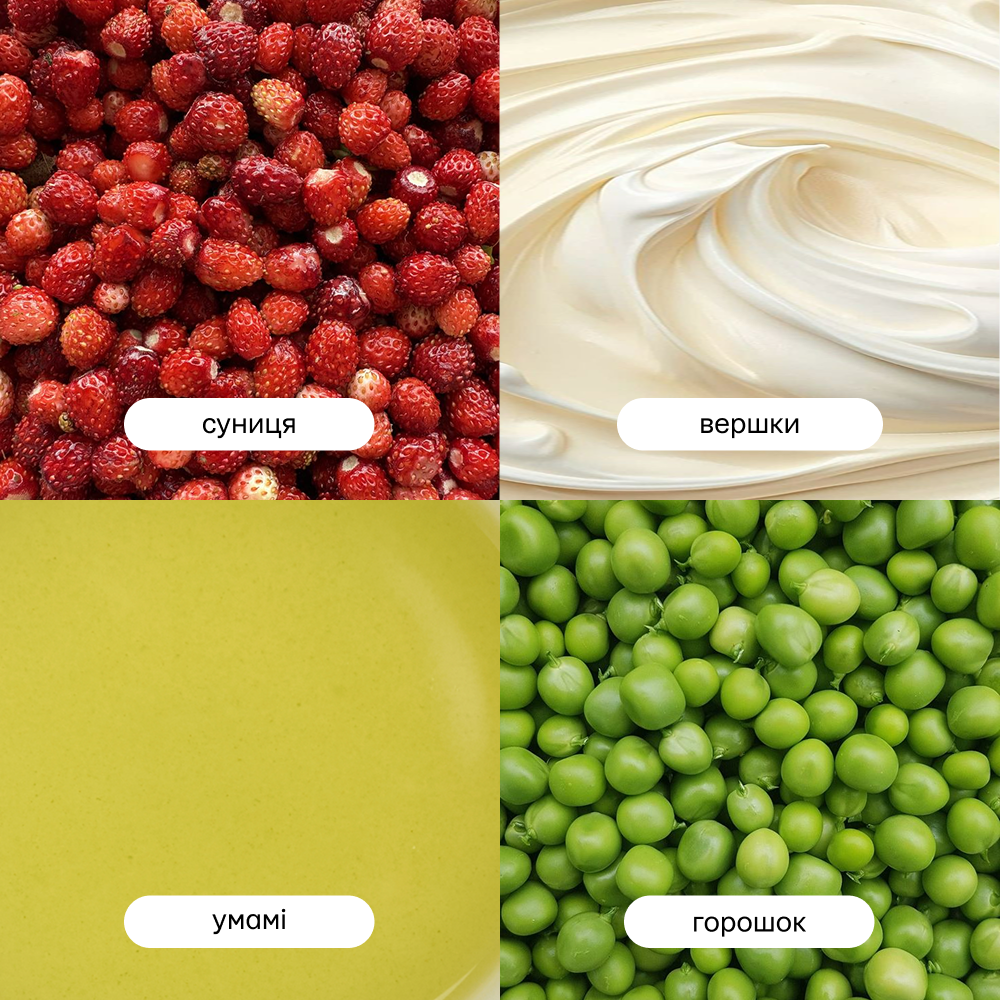
The taste of sencha kabusecha is soft and creamy, with a pleasant sweetness and a clean umami finish. In the middle of the cup, a light green pea note unfolds, making the taste fresher. The aroma of the tea is delicate and natural, filled with cream and wild strawberries.

How to brew?

Japanese method:
Heat a pan of water to about 70-80°C (158-176°F).
Pour 1 teaspoon (about 2 grams) of sencha into a cup or Kyushu.
Pour hot water over the tea and wait 1 minute.
Tea can be brewed several times, adding the infusion time with each subsequent brewing.


European method for 500 ml of water:
Heat the water to about 80-85°C (176-185°F).
Pour 1-2 teaspoons (about 4-5 grams) of sencha into the teapot.
Pour hot water over the tea and wait 2-3 minutes.
Strain the tea and pour it into cups.


Cold brewing:
Pour 1-2 teaspoons (about 4-5 grams) of sencha into a glass or jug.
Add cold water, immediately or leave for some time in the refrigerator (usually 1-2 hours).
Wait about 6-8 hours or even overnight for the tea to steep.
Strain the tea and serve with ice if desired.
Remember that the steeping time and amount of tea can vary depending on your personal taste and requirements.


Useful properties

Maruyasu Tea Farm is located in Koka City, Tsuchiyama district, Shiga Prefecture. It is currently the largest farm on Matcher.store, as it encompasses an area spanning three entire villages.

This area is one of the oldest in Japan where high-quality tea has been cultivated since the Nara period (8th century). The farm was founded over 130 years ago and has been passing down the secrets of tea cultivation from generation to generation.

Today, the farm is owned by Yasuharu Maeno, a fourth-generation farmer of the Maeno family. His mission is to preserve traditional Japanese tea production and improve cultivation methods that combine environmental sustainability with high quality.

The tea grown in Tsuchiyama is known as Tochiyamacha and is part of Ōmi-cha – tea produced in Shiga Prefecture. The region is located in a mountainous area at an altitude of 300-400 m above sea level, which creates ideal conditions for tea cultivation. It is warm during the day and cool at night, which contributes to the development of a complex tea flavor profile.

More about tea

Sencha, like many other aspects of Japanese tea culture, has an interesting history of its origin. It is associated with the influence of the Chinese tea tradition, but over time it has acquired unique features that make it different from Chinese sencha.

It is known that green tea was brought to Japan from China in the 8th century. However, it was green tea that began to be grown on Japanese lands, adapting to local climatic conditions and cultural practices. Subsequently, in the 18th century, under the influence of Chinese innovations, a new method of tea processing became popular, which became known as "sencha".


Processing method: Sencha is produced by steaming tea leaves, twisting and drying. This method helps to preserve the bright green color and fresh taste.

Shade aspect: A distinctive feature of sencha is the absence of exposure of the leaves to the shade. This makes sencha more refreshing in taste.

Open Cultivation: Sencha tea leaves are grown in open plantations, which affects their development and taste. Chinese varieties, such as Sencha from Gongdong Province, can grow in shade or under cover.

In general, sencha embodies the Japanese tradition and has its own unique qualities that arise as a result of the influence and development of tea culture in Japan.
Sencha, like many other aspects of Japanese tea culture, has an interesting history of its origin. It is associated with the influence of the Chinese tea tradition, but over time it has acquired unique features that make it different from Chinese sencha. It is known that green tea was brought to Japan from China in the 8th century. However, it was green tea that began to be grown on Japanese lands, adapting to local climatic conditions and cultural practices. Subsequently, in the 18th century, under the influence of Chinese innovations, a new method of tea processing became popular, which became known as "sencha". Features of Sencha compared to Chinese Sencha: Processing Method: Sencha is produced by steaming tea leaves, rolling, shaping and drying. This method helps to preserve the bright green color and fresh taste. Shade aspect: A distinctive feature of sencha is the absence of exposure of the leaves to shade, which is characteristic of some Chinese green teas, such as Cha Long Jin (Longjing) and White Feather (Bai Hao Yin Zhen). This makes sencha more refreshing in taste. Open Cultivation: Sencha tea leaves are grown in open plantations, which affects their development and taste. Chinese varieties, such as Sencha from Gongdong Province, can grow in shade or under cover. Tasting notes: The flavor of sencha can be milder and less bitter compared to some Chinese green teas. Its aroma often has a fresh, herbal or floral character. In general, sencha embodies the Japanese tradition and has its own unique qualities that arise as a result of the influence and development of tea culture in Japan.

📍 Japan, Koka-shi
Yasuharu Maeno, Maruyasu