



Chavan Konkaihen
Couldn't load pickup availability
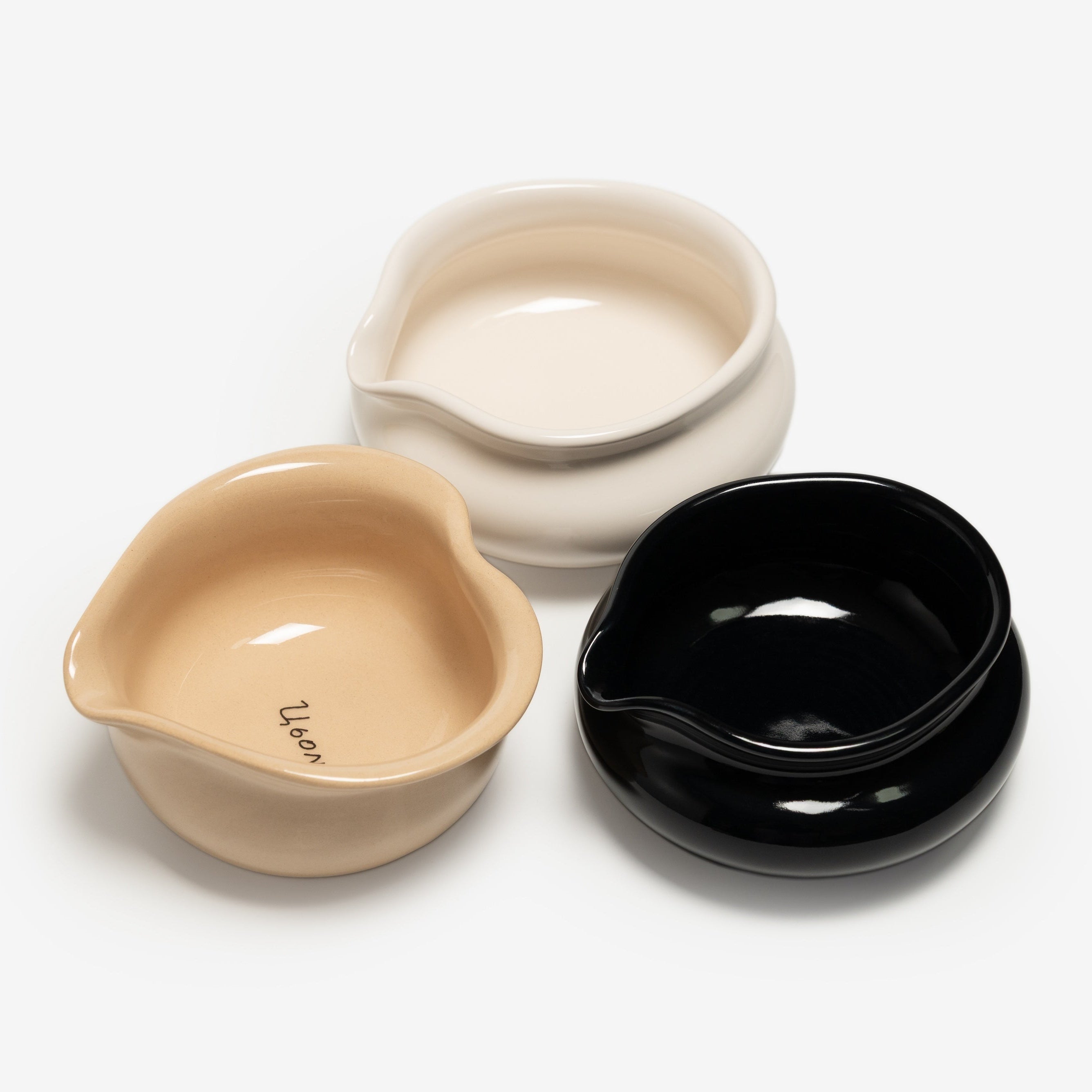
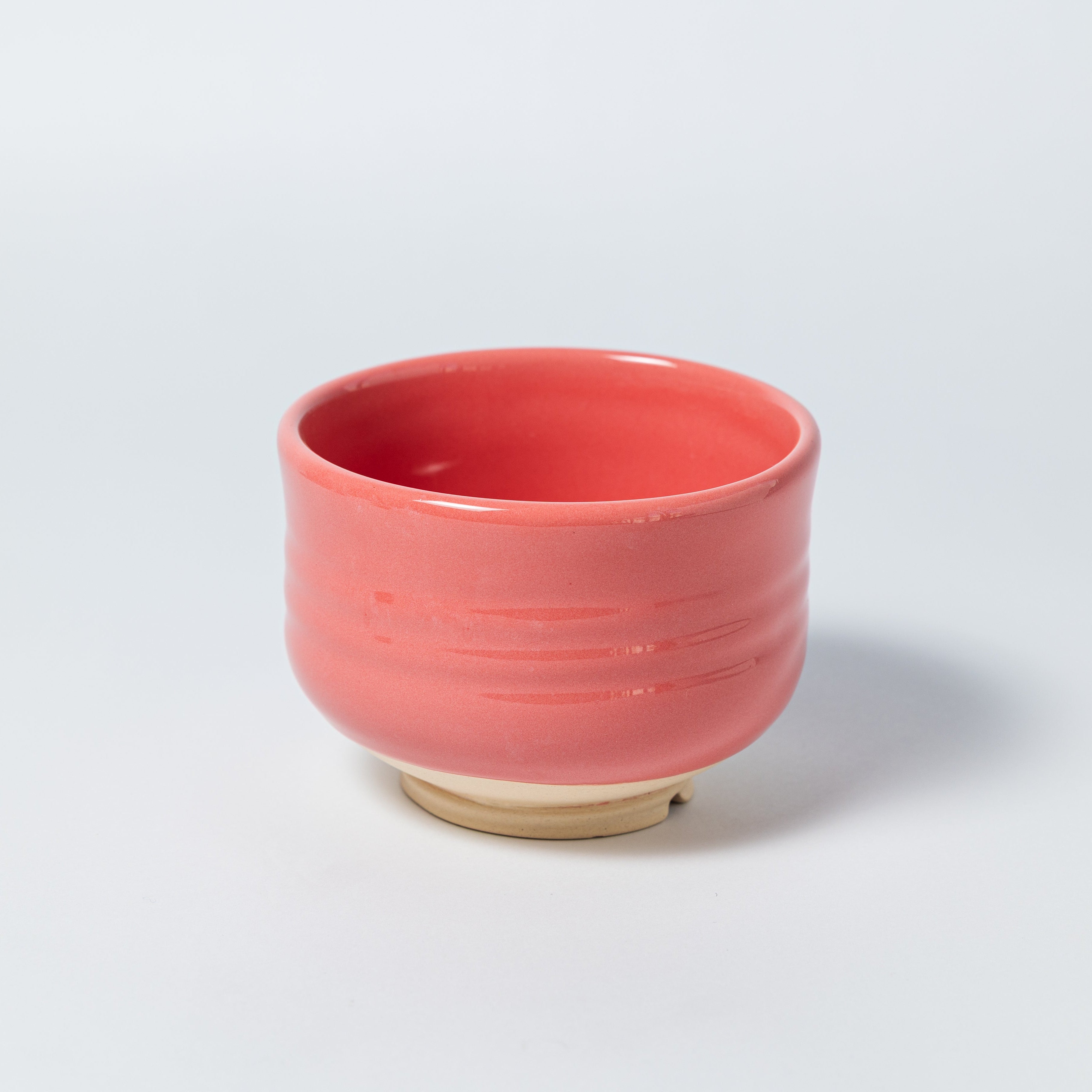
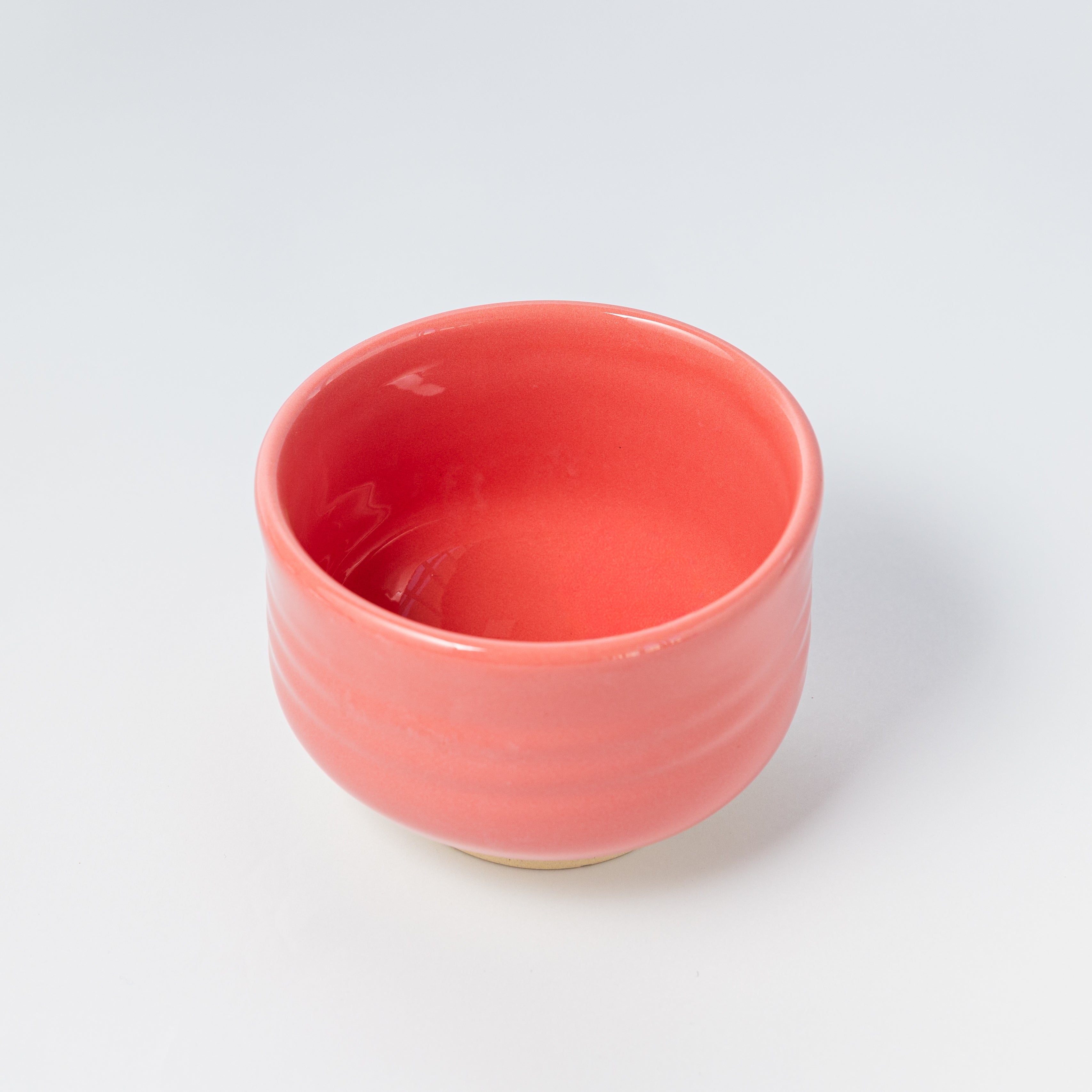
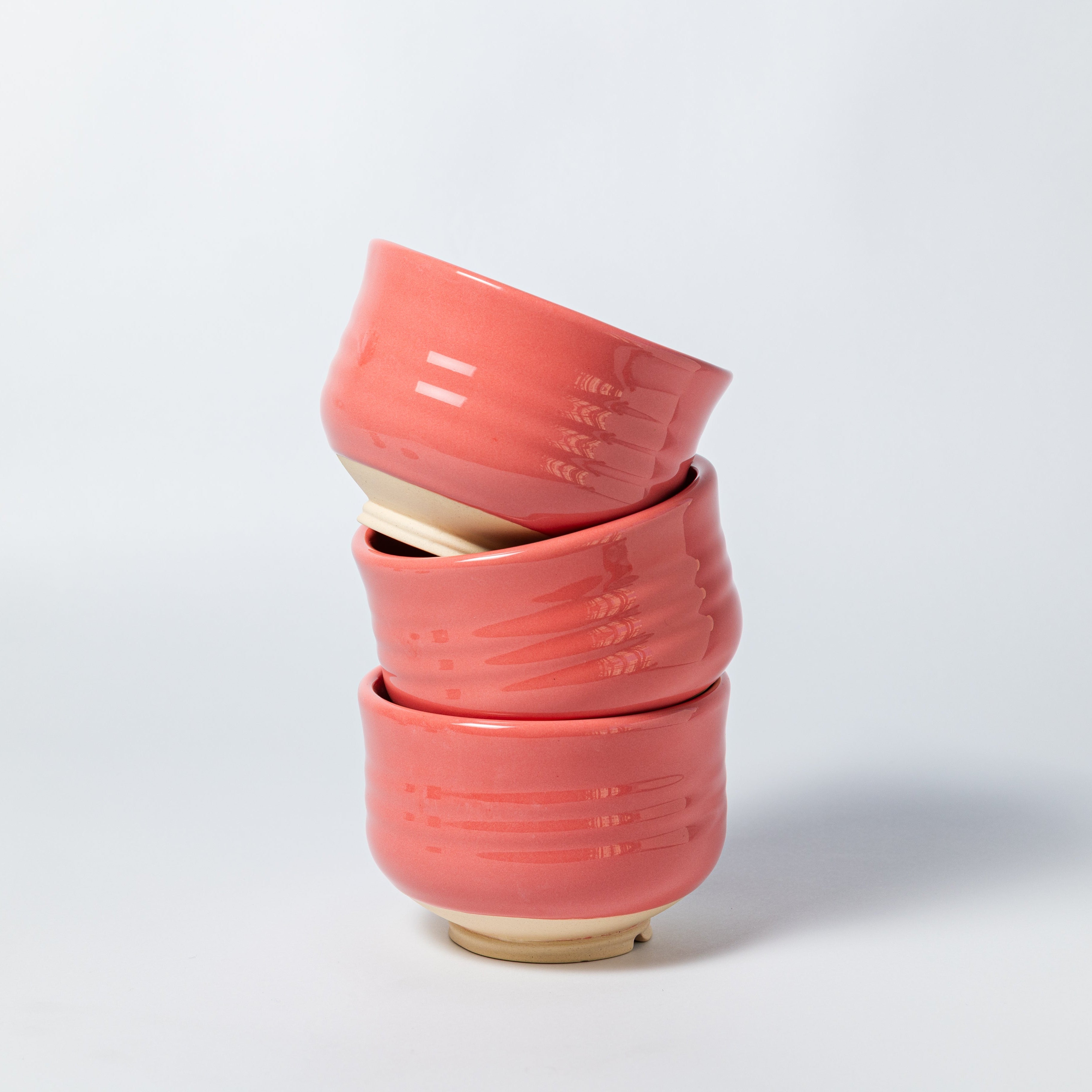
Tokonameyaki products usually use white clay known as "Tokoname clay". This clay is mined in the vicinity of the city of Tokoname, located in Aichi Prefecture, Japan. Tokoname clay is special because of its characteristics that give the products a special appeal. It contains a large amount of iron, which gives it a wonderful rich reddish-brown color after firing, called "Tokoname Red". In addition, this clay is very resistant to fire, making it ideal for making tea pots where it is important to maintain the temperature of the tea. Using white Tokoname clay to make the pieces helps to give them the stylish and elegant look that is so prized in this traditional Japanese pottery. Founded by Masaki Kawai in 1975, the workshop is located in Dachi-cho, a city in Toki famous for making Minoyaki chawan, and it is here that Kawai works alone in silence. "I have a passion for it. When I focus on work, I don't feel tired, even if it's past midnight,” he says. Kawai is an award-winning potter. He started learning pottery when he was 21 years old. It all started with the fact that he went to the Minoyaki exhibition, where the works of Kato Kozo, who is recognized as a living national treasure for his Setoguro technique, were displayed. He later studied pottery at a technical school and apprenticed with a local potter, before starting his own pottery, Tatsuki Gama, at the age of 30.

Meet the master
𖡡 : creations of the Tokoname potter clan
