





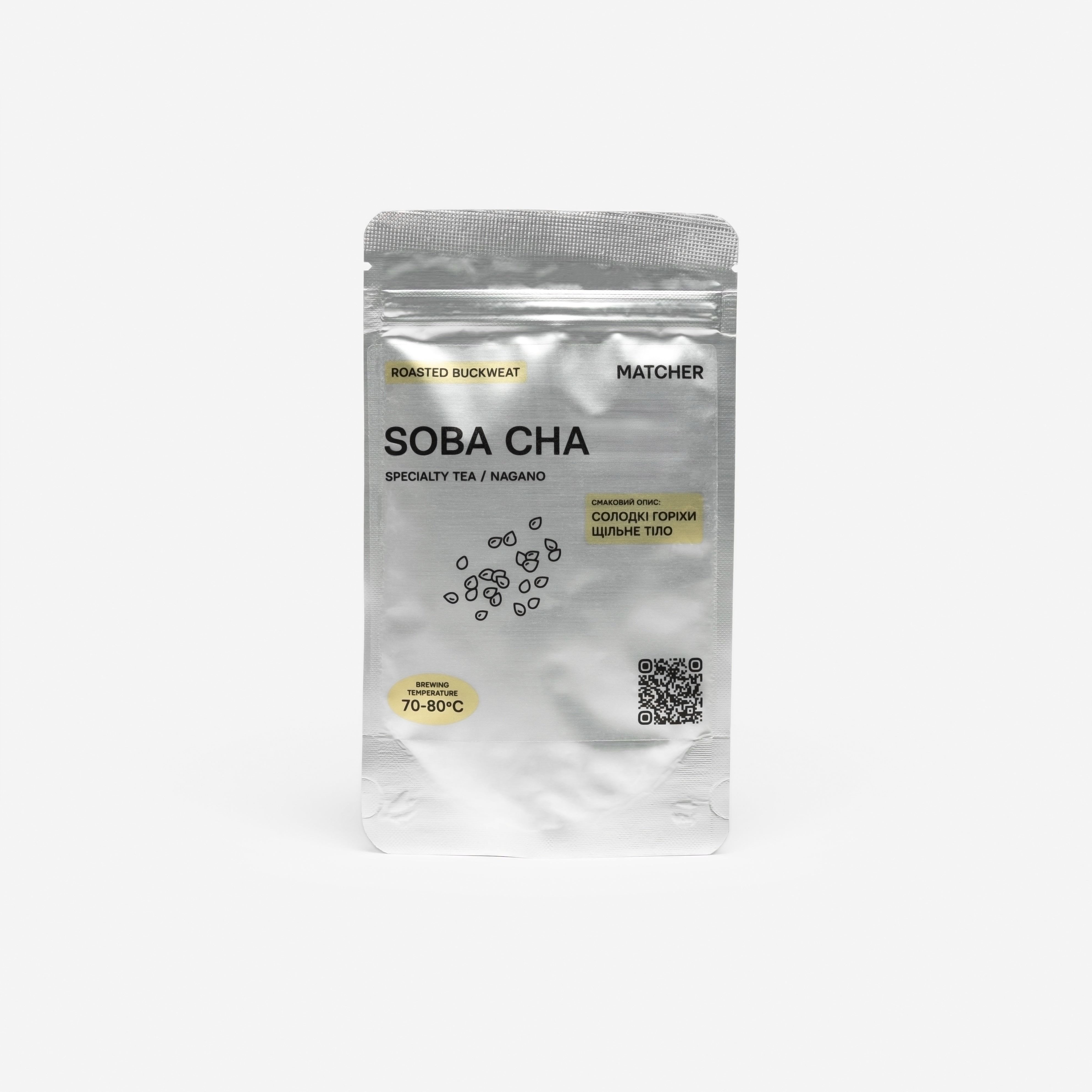
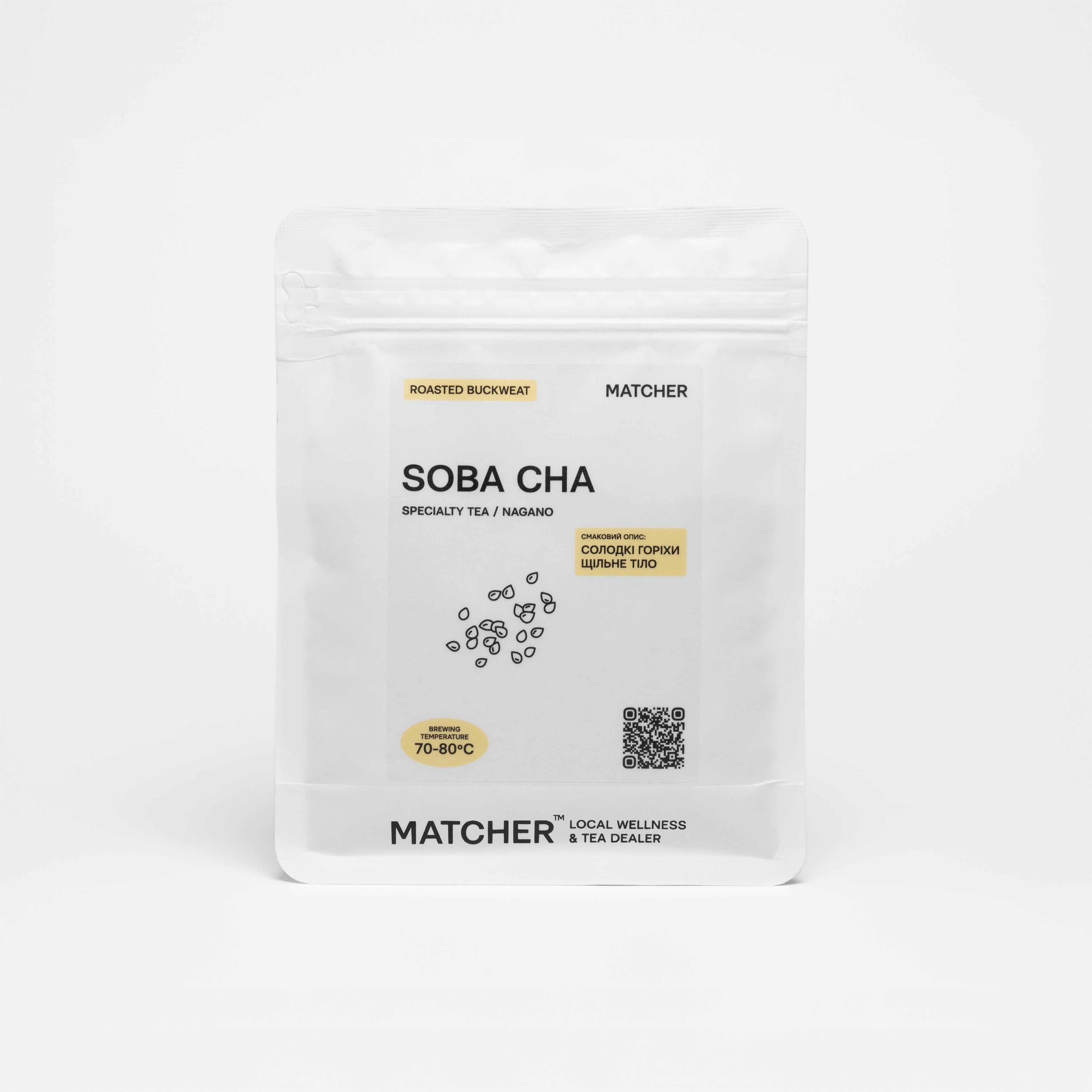
Soba buckwheat tea

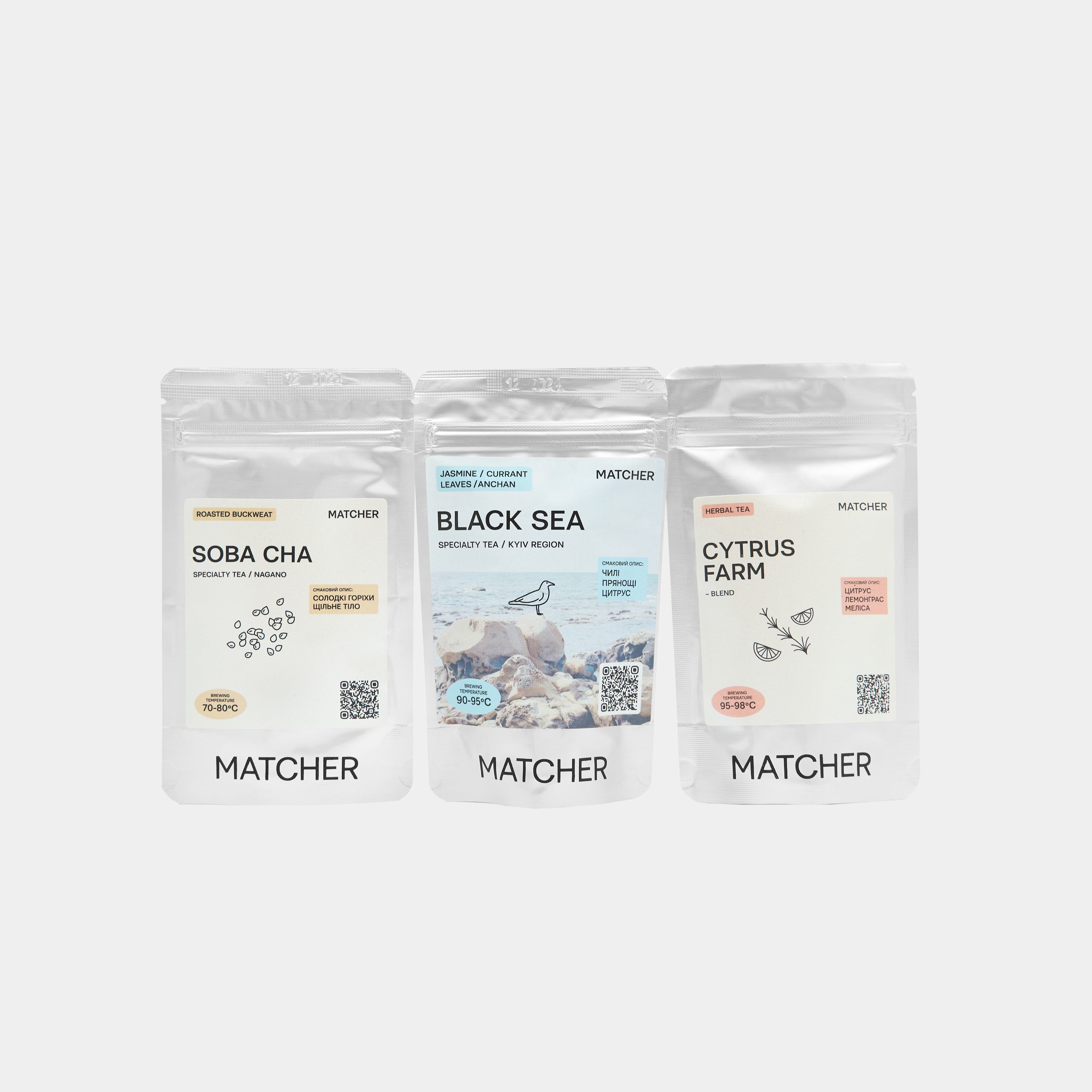
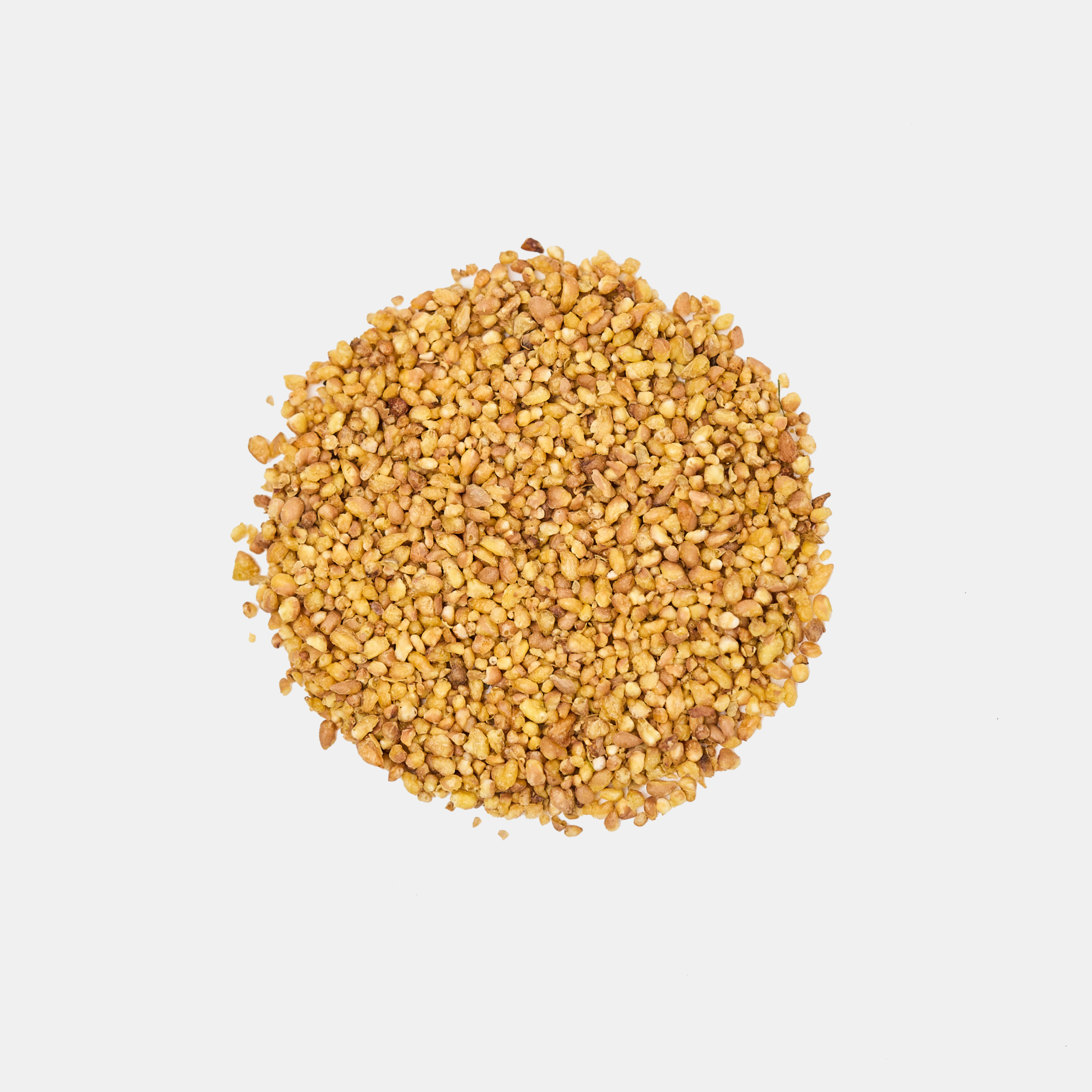
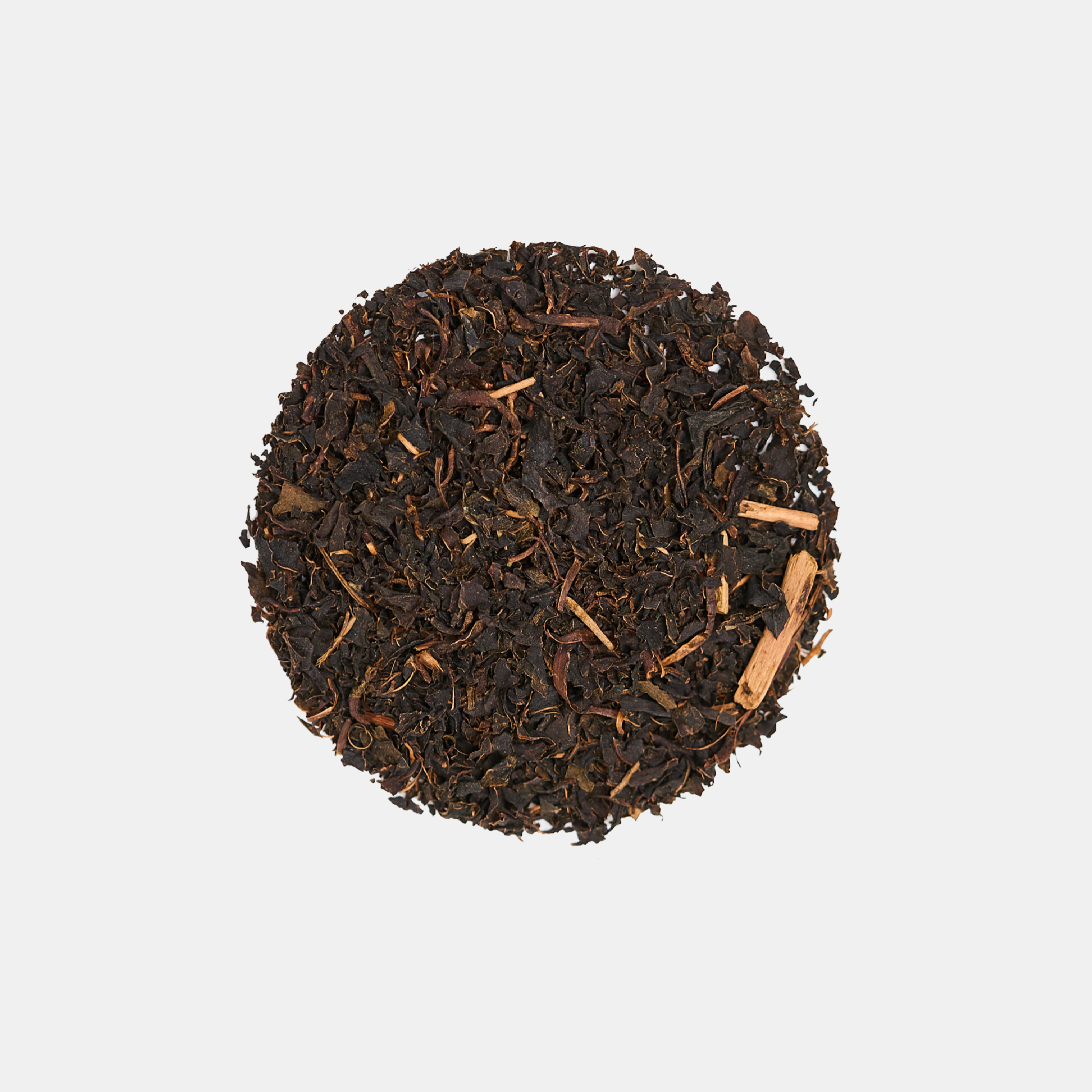
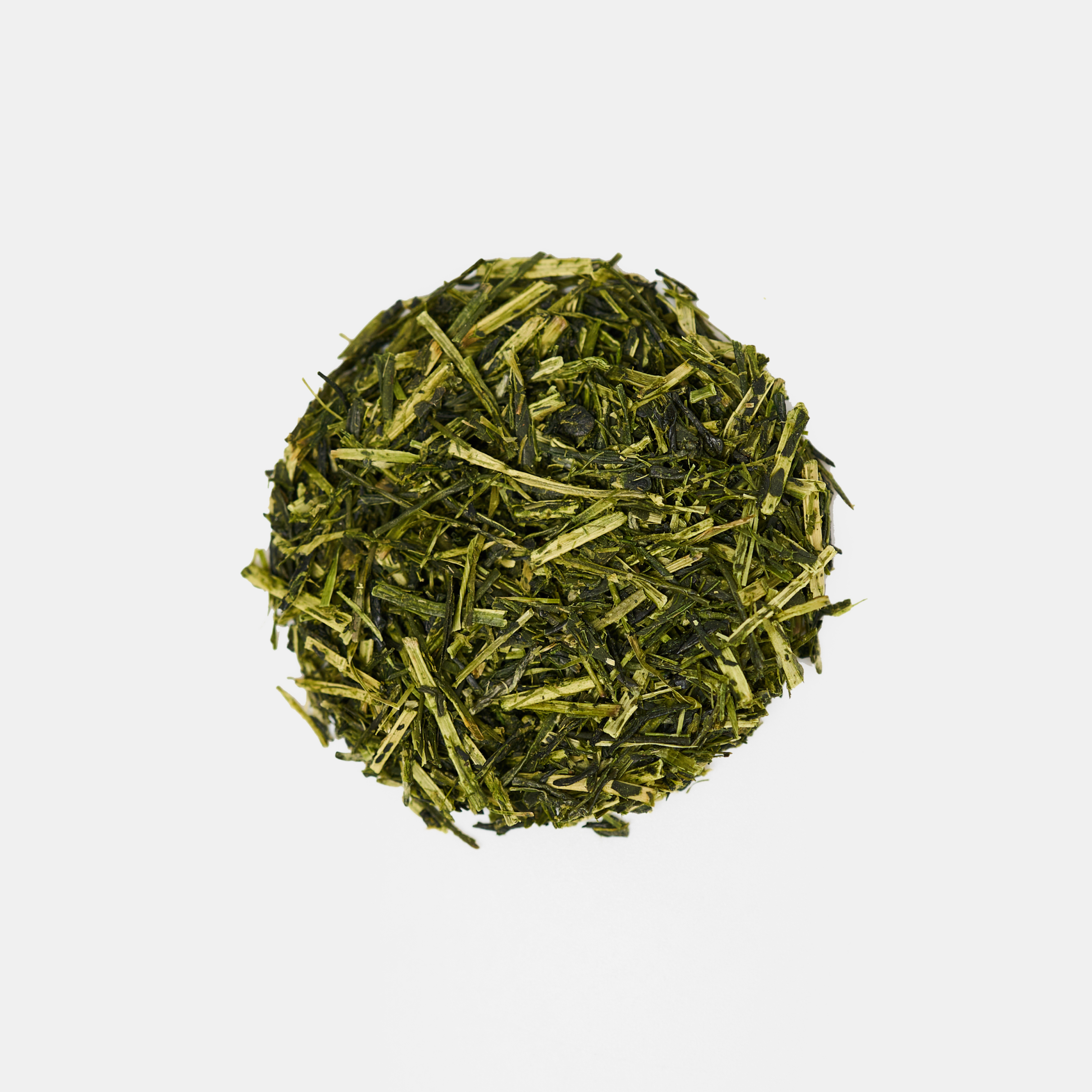
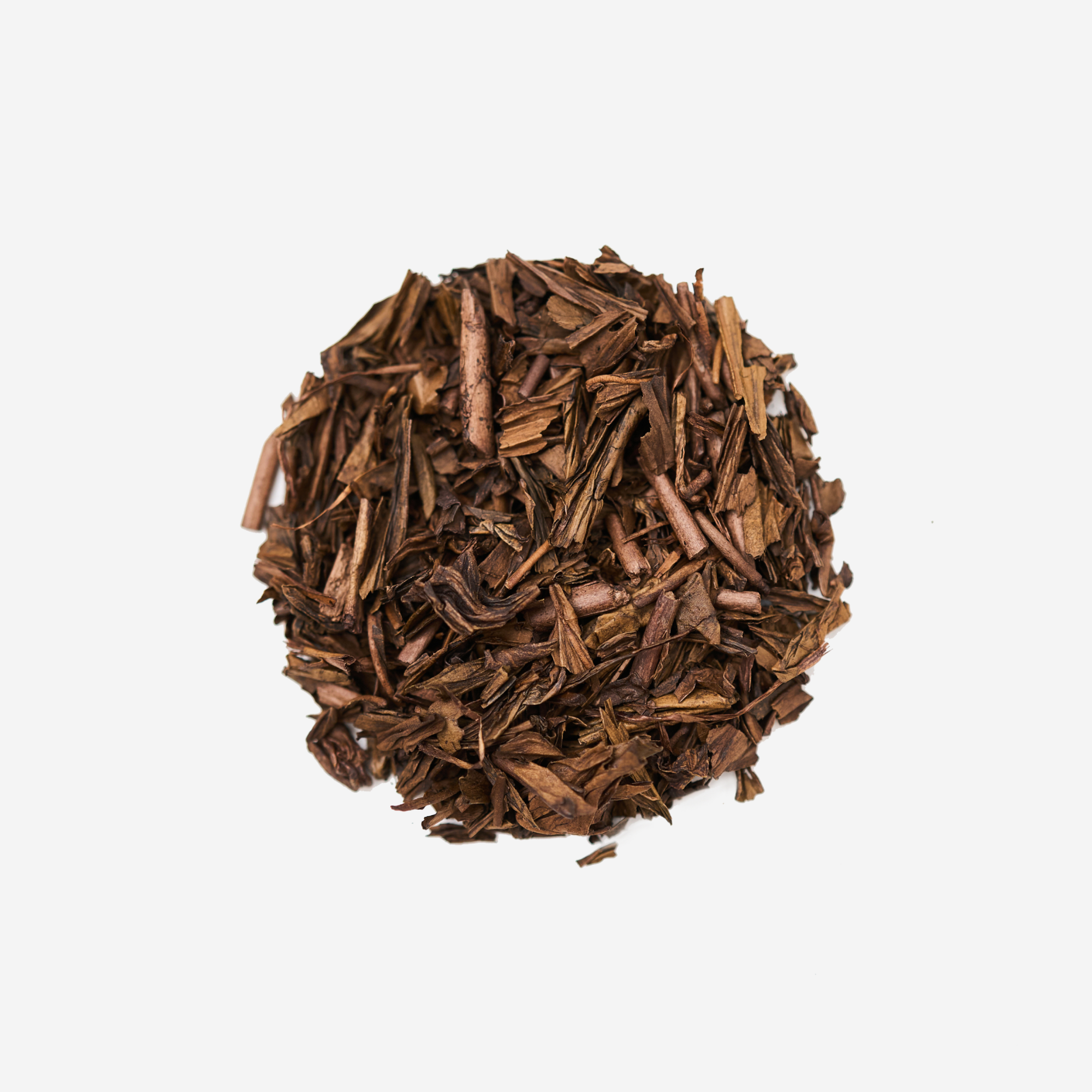
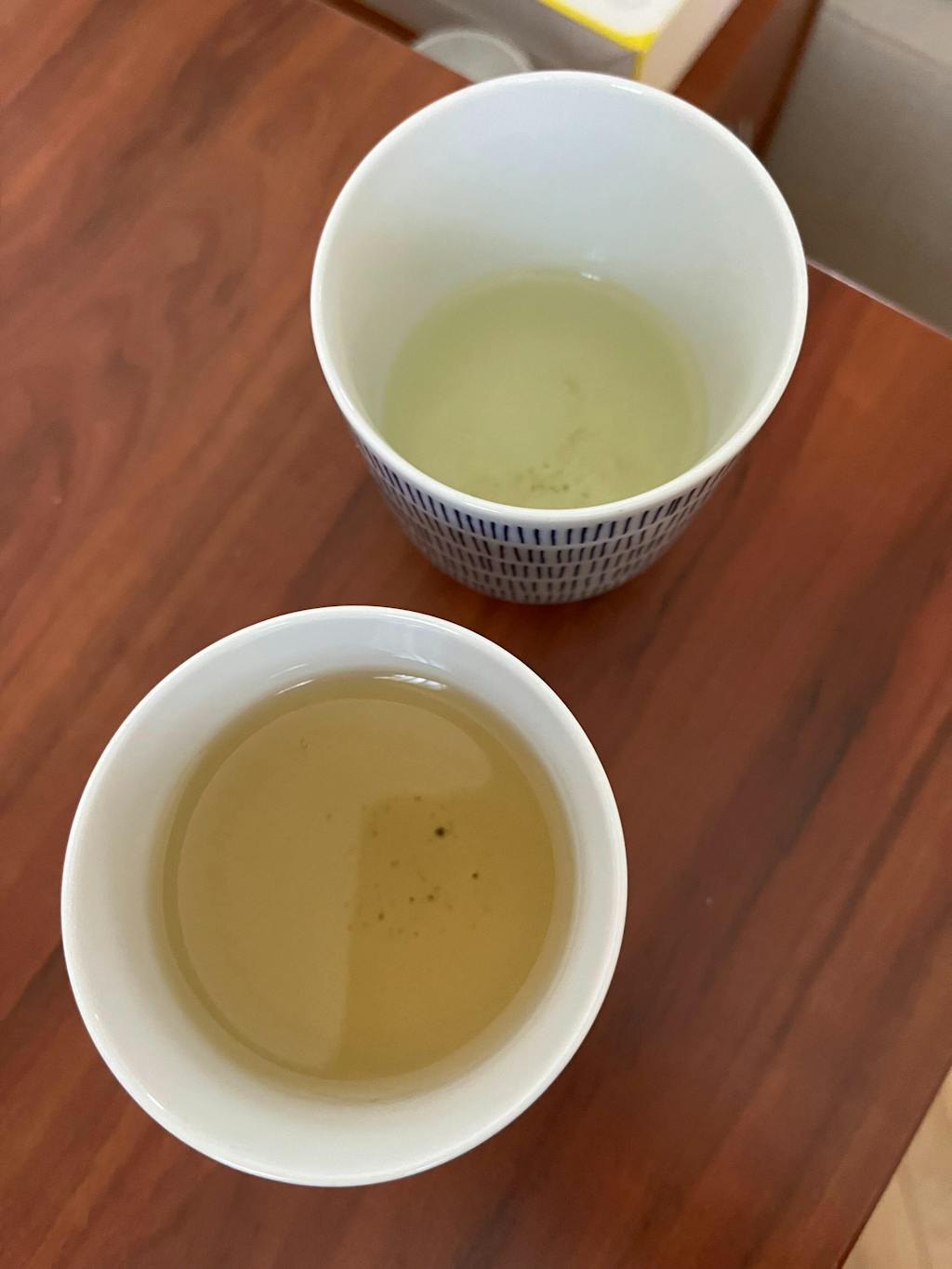
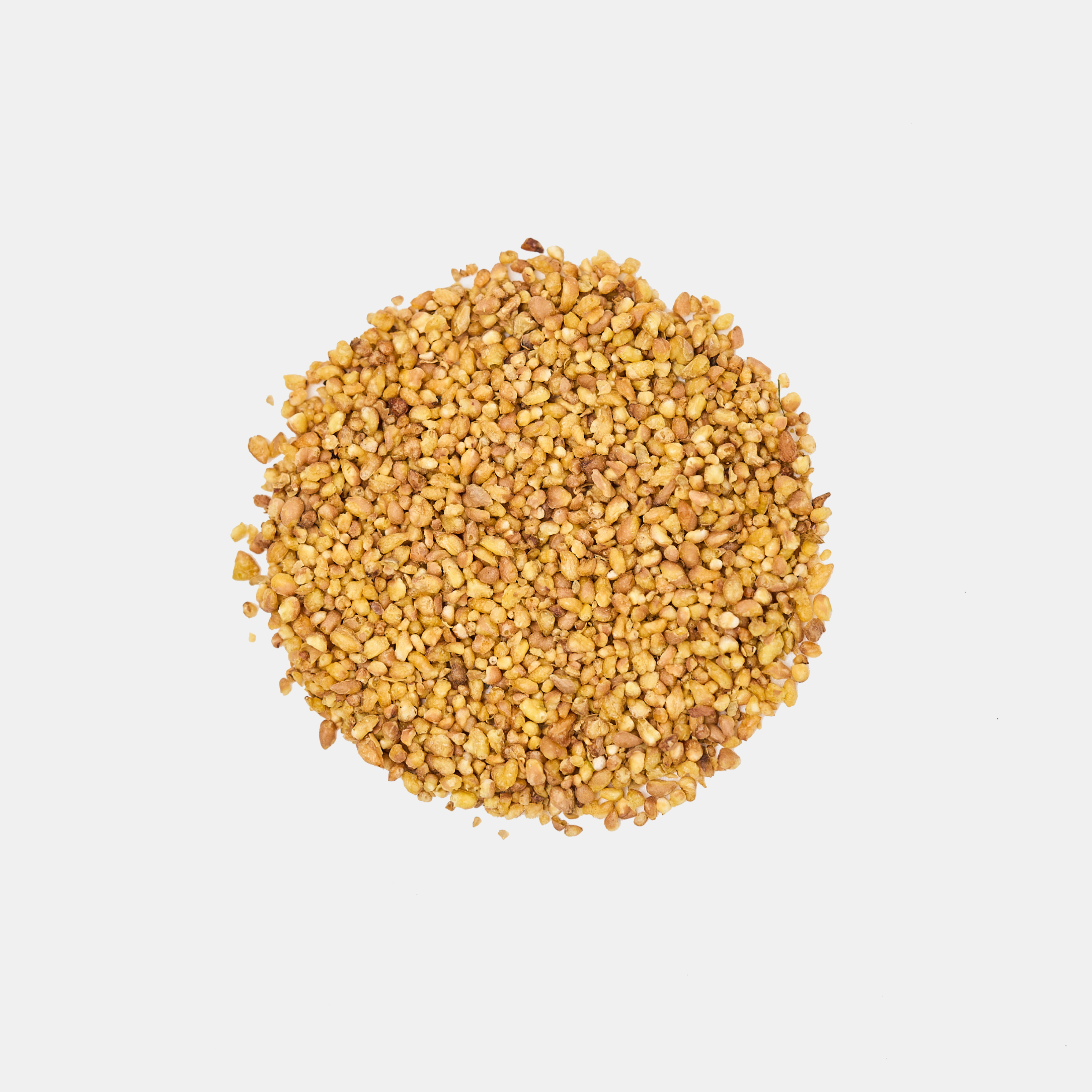
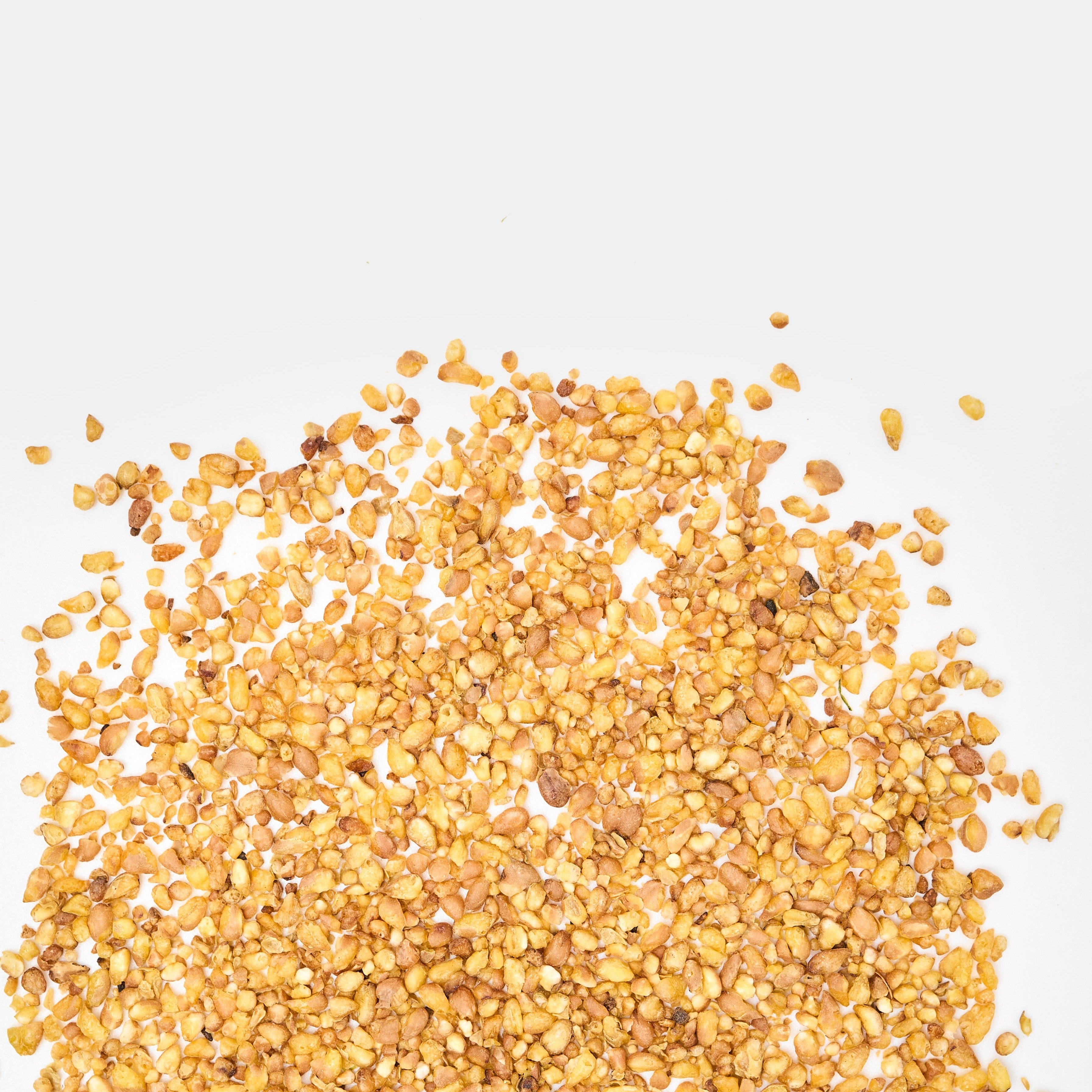
Buckwheat tea (soba cha Dattan) originated in Japan about 300 years ago. Initially, buckwheat grain was used for food, and then they tried to process it into tea. Over time, various methods of its preparation appeared that satisfied the tastes of consumers. Modern "soba cha" is produced from buckwheat grain, which is cultivated in special fields. Buckwheat grows in conditions that control humidity, temperature and other conditions to promote its growth and development. This guarantees high quality and taste characteristics of tea. After the buckwheat grain ripens, it is harvested by harvesters from the field by hand or with the help of special machines. After the grain is collected, it undergoes a process of light baking, which gives the tea a characteristic nutty taste. Soba cha has gained popularity as an alternative drink to coffee and tea because it does not contain caffeine. It has a rich composition of nutrients and antioxidants that contribute to maintaining health. Its production and consumption have become permanent elements of Japanese culture, and have also gained popularity in many other countries.
📍 Japan, Nagano