

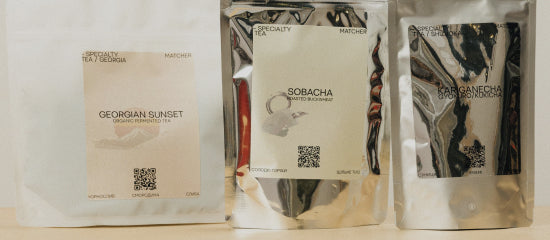


Matcha, the highest quality Japanese green tea, is grown in the shade and ground into a powder. Although green tea is grown all over the world, true Japanese matcha is unique.
Like wine, matcha is available in different quality levels and price categories determined by the place of cultivation, cultivation methods, time of harvesting and processing.
In terms of health benefits, matcha is rich in antioxidants that help fight harmful free radicals. One of the antioxidants, EGCG, promotes metabolism and weight loss.
So, let's share a life hack on how to recognize a real matcha:
1. Country of origin
Make sure the matcha comes from Japan . It is even better if the farm, tea cultivation and producer are indicated on the package. In no case can the country of origin be China.
2. Structure
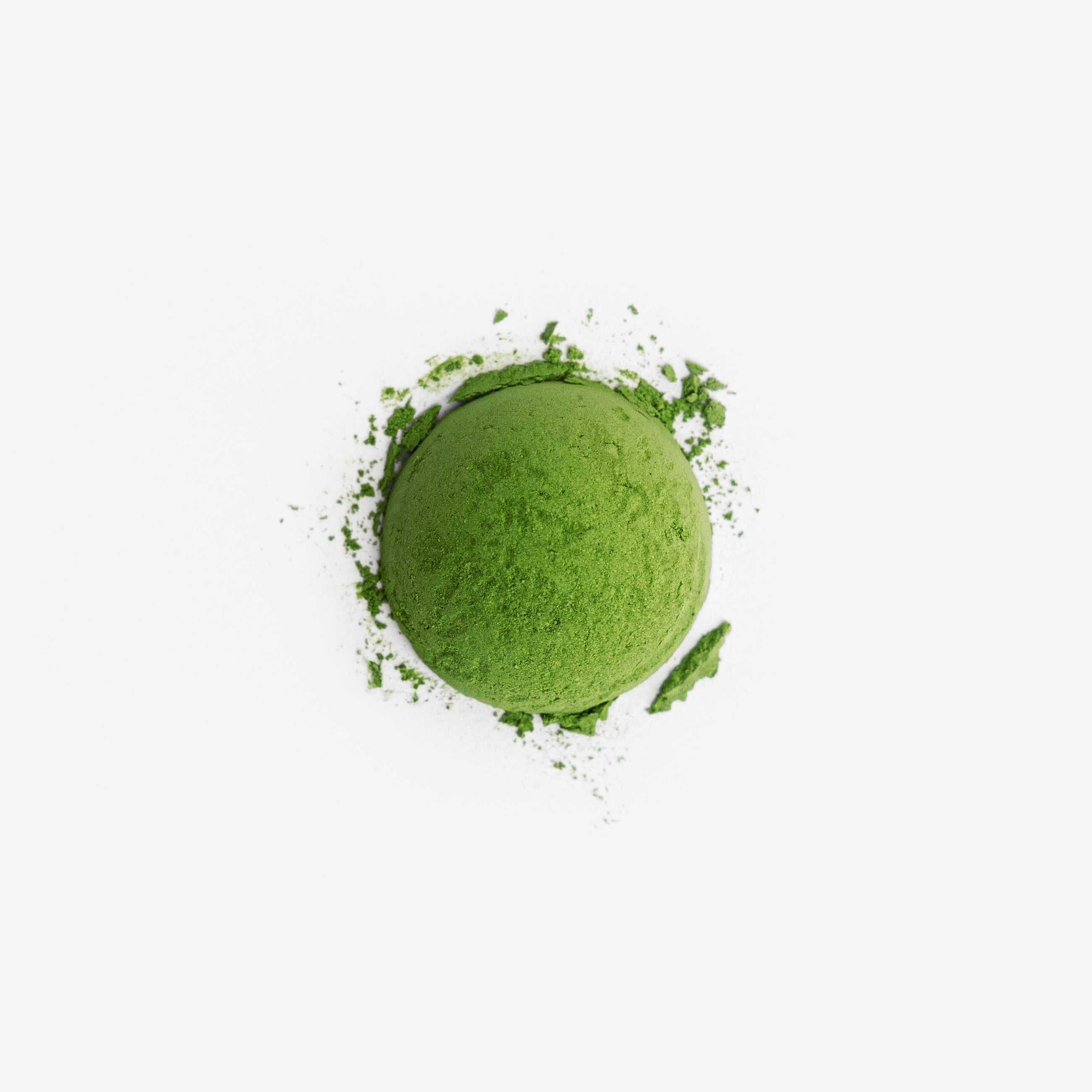
High-quality matcha will be soft and fine, similar to baby powder or powder. Your fingers will feel more like cream than sand.
Coarsely ground matcha is of low quality.
3. Taste and smell
Quality matcha has a sweet, earthy note, which is provided by the amino acid L-theanine. You can also identify sweet fruity or milky notes.
The most striking example of high umami and L-theanine is Tsuyuhikari and Ujihikari matcha.
4. Color
Quality matcha will be bright green in color, unlike low-quality matcha, which can have a yellowish-brown tint.
Matcha cannot in any case be blue, yellow, pink - these are all fakes.
The brightest color of the leaves has the cultivation of Okumidori ( quite green ) 
5. Foam texture
High-quality matcha has a creamy foam with uniform air bubbles during whipping. If the matcha has little foam, even if we use a lot of matcha in the base, it is a sign of poor quality. Our favorite with the softest foam is Matcha Yabukita . 
Now you know how to recognize real Japanese matcha!

