










First of all, we associate collagen with elastic skin, the absence of wrinkles and beauty. However, collagen is a substance that affects many more processes in the body and is a guarantee of health and well-being.
We asked nutritionist and food therapist Elizaveta Rud what collagen is, how it works, and why it is not enough to simply drink a course of collagen to increase the level. Elizaveta has been working in the field of health for 8 years, a certified Nutritional Therapist in Britain, a biochemist, specializing in restoring hormonal balance, energy and beauty through health.

What is collagen?
Collagen is a protein found mainly in the body of humans and animals. It provides structure, support and strength to tissues throughout the body. In addition, collagen is also necessary for the functioning of the immune system, intercellular communication and cell migration (these are more subtle cellular processes, but extremely important).
That is why collagen reduction is not only about wrinkles and external signs, but about more significant internal processes.
Causes of collagen loss:
As we age, we lose more and more collagen. This is related to the quality of the body's metabolic processes, hormonal status, and level of inflammation. Now collagen deficiency is "younger".
Factors that also affect the decrease in collagen levels:
- smoking
- a diet rich in refined and high-carbohydrate products
- excessive stress
- lack of sleep and exercise
Collagen synthesis takes place in the body, and simply drinking a course of collagen to increase its level is not always a good idea. Before taking collagen, you should study the following points and do additional examinations:
- energy (quality work of mitochondria);
- cofactors — vitamin C, zinc, copper, manganese, etc.;
- hormones — progesterone, growth hormone, etc.
What hinders the assimilation of collagen?
- Mitochondrial dysfunction (especially develops after illness due to Covid), deficiency of trace elements or disturbances in the level of hormones interfere with collagen synthesis. No matter how much you use it, it will not be absorbed and will remain at the same level.
- One of the most important roles in the assimilation of collagen is played by vitamin C. It helps the body synthesize collagen, and with its deficiency, collagen will not be absorbed.
- For the synthesis of collagen, not only "building materials" are needed, but also the correct assimilation of the ingested collagen. Collagen will not be absorbed if there are problems with stomach acidity , dysbiosis (bloating) or poor absorption in the intestines.
- If there is an inflammatory process or a background protein deficiency , the body will take the collagen you drank for more important functions for survival, instead of providing skin elasticity and nail strength.
What are the types of collagen?
There are different types of collagen (types I-VII, the most common in the body are types I, II and III). Each of the types performs its own function and is needed in certain proportions.
- Type I is a structural component of skin, bones, tendons, and ligaments.
- Type II — occurs in the cartilage tissue of the ribs, nose, larynx, trachea, as well as on many joint surfaces.
- Type III — acts as a structural component of large blood vessels, muscles and more.
- Type IV is the main collagen component of the kidneys, inner ear, alveoli of the lungs, and the lens of the eye.
Sources of collagen production
Collagen is most often either marine or animal. They are dominated by different amino acids and different types of collagen.
When using, you should consider your goal: marine collagen has more type II collagen, while animal collagen has type I, III. Accordingly, the choice should be based on where exactly you want to close the gap.
How to choose quality collagen?
High-quality collagen is made from wild marine or grass-fed animals. When buying, it is worth checking international quality certificates, which raw materials are used and where they are manufactured.
Sources of collagen in food products
There are many sources in our diet that help collagen synthesis. They can be obtained not only from products of animal origin, but also from plant food :
- Red pepper
- Tomatoes (especially sun-dried)
- Berries - strawberries, blackberries, raspberries or blueberries
- Citrus fruits - lemon, orange, grapefruit or tangerines
- Dark leafy vegetables
- Beans
- Garlic
- Cashew nuts
Japanese matcha tea and collagen
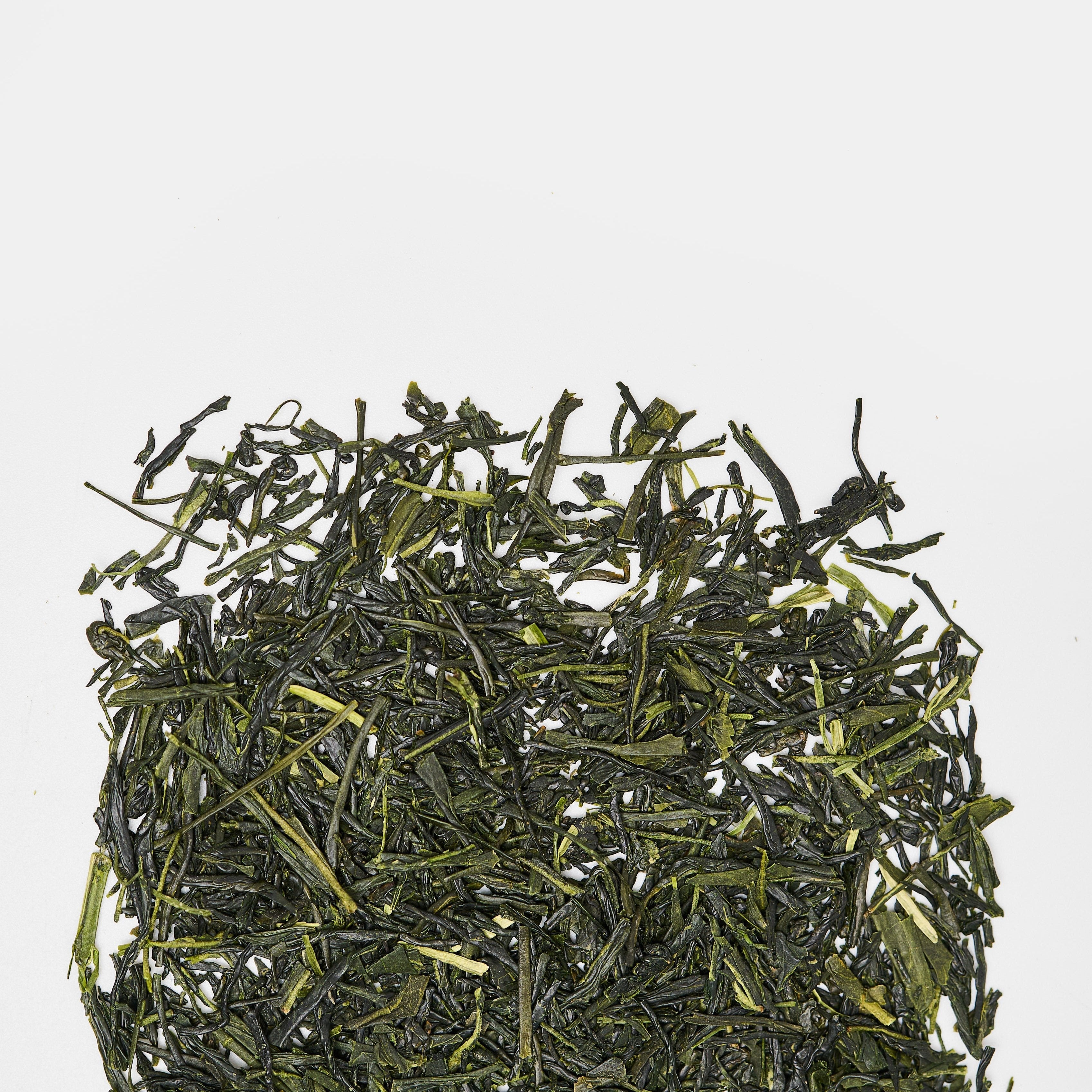
Matcha is also an important product that helps in the synthesis of collagen in the body. It is rich in antioxidants, vitamins (A, C, E, B1, B2, B6, P) and minerals (calcium, potassium, iron, iodine, fluorine).
Antioxidants in matcha also help protect cells from damage and destruction by free radicals. Therefore, in addition to collagen synthesis, you will receive additional health benefits.

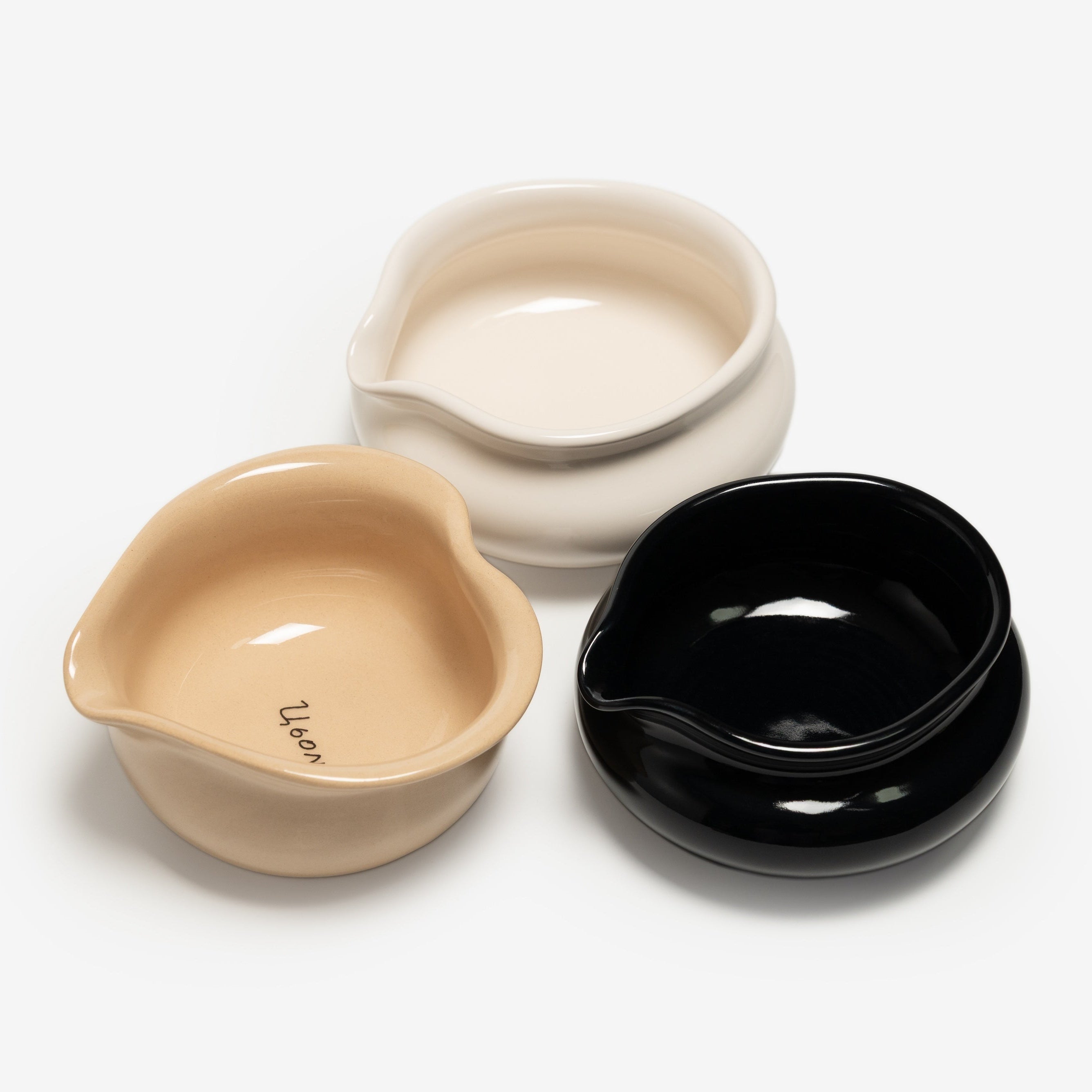
Brew matcha green tea in the classic form or make a matcha latte. We advise you to choose ceremonial varieties of matcha: Yabukita or Saemidori are ideal for beginners.
Matcher.store is an online store for fresh and high-quality matcha. You can buy matcha in Kyiv and throughout Ukraine to prepare delicious and healthy breakfasts. We offer convenient payment methods, as well as free delivery for orders over 2,000 hryvnias, which will make your purchases even more pleasant. Contact us via Instagram or Telegram and we will be happy to help you choose the best option.
Conclusion: questions, which should be answered before taking collagen
The best way to get results from taking collagen is to answer the following questions and start choosing collagen based on them:
- What about nutrition, are there any deficiencies and pro-inflammatory products?
- What is the quality of digestion?
- Are there any hormonal imbalances?
- Is there smoking?
To be sure of the appropriateness and quality of collagen absorption, we advise you to consult a doctor.
