

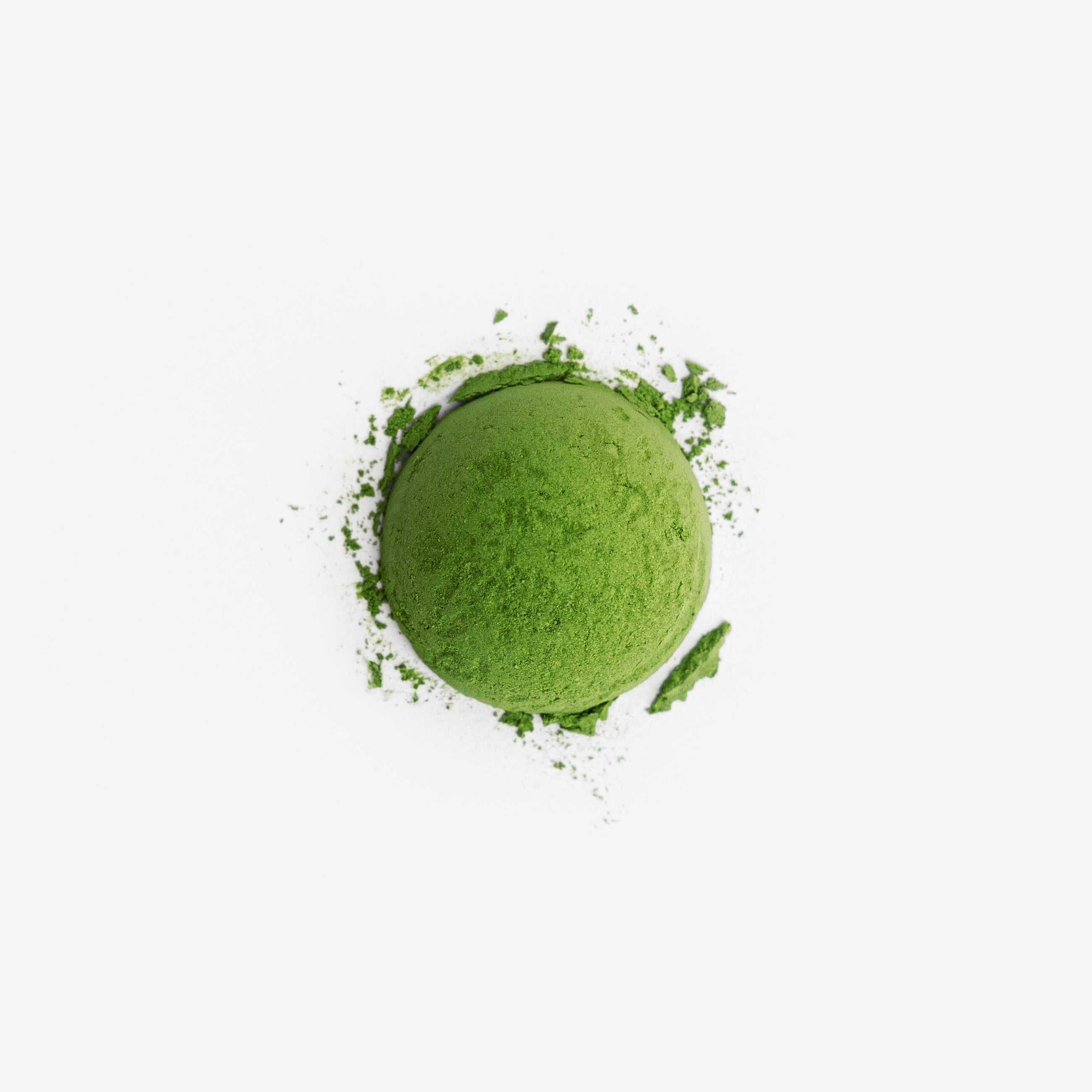
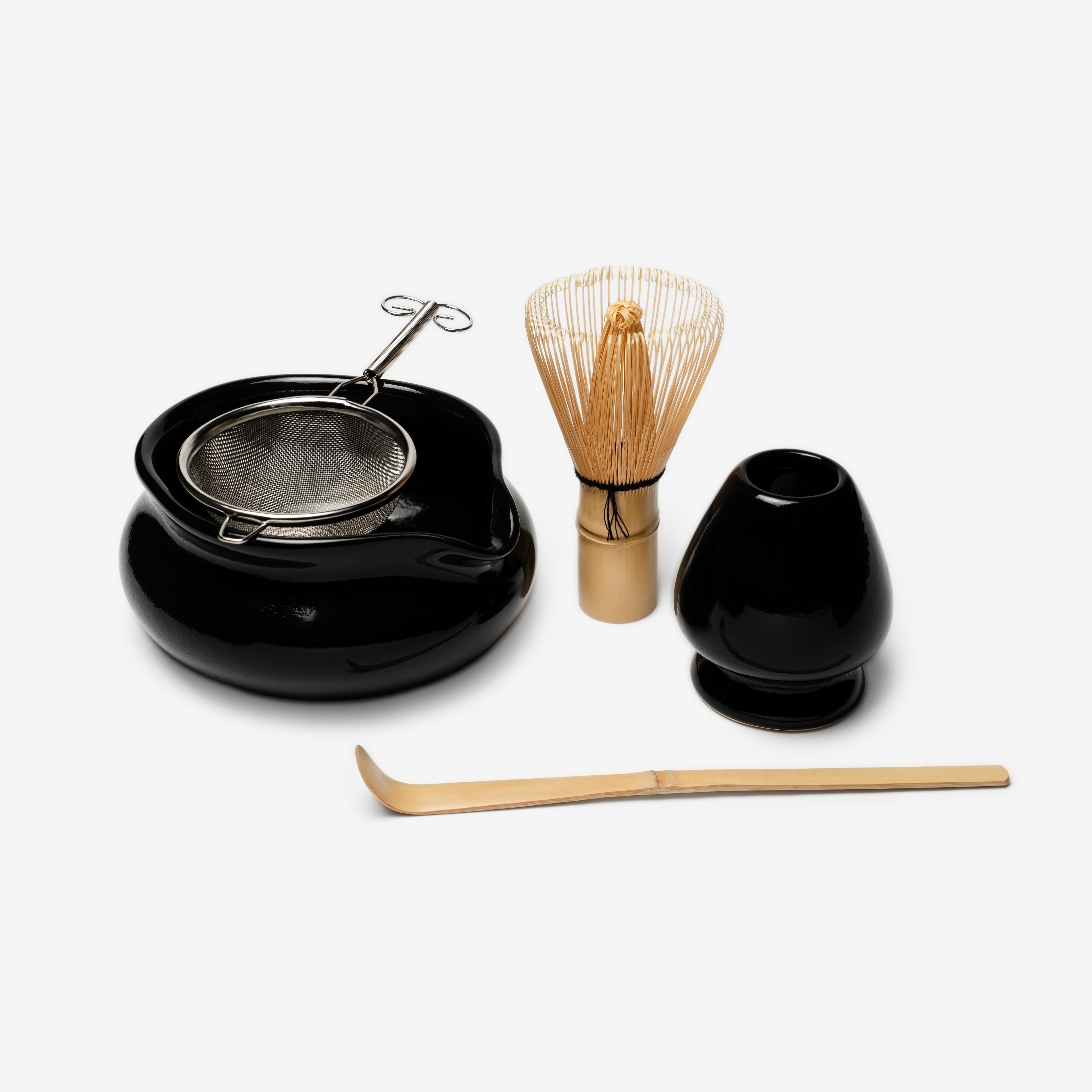
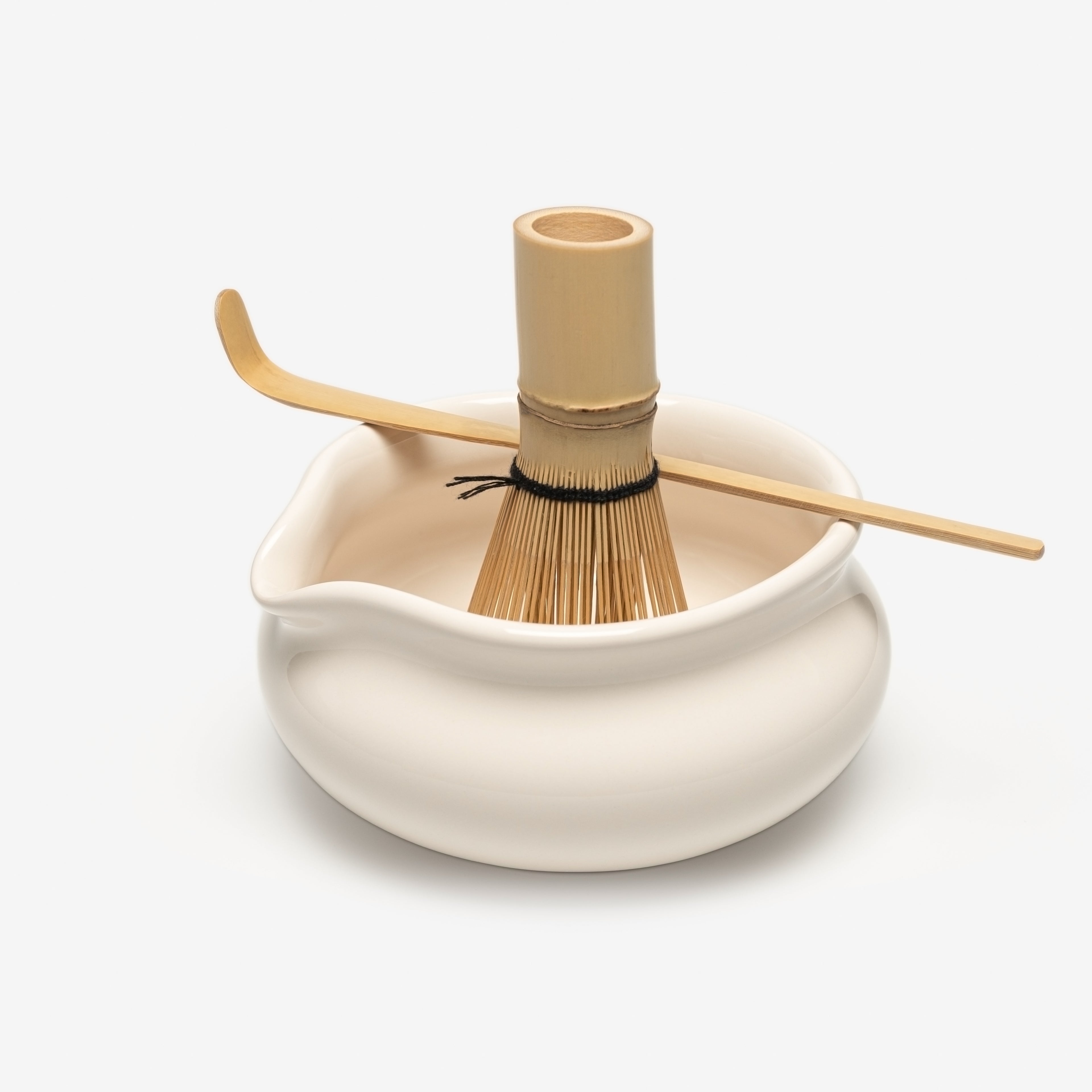




We all know that in addition to being delicious, matcha is beautiful and incredibly healthy, which is why so many people choose it. We will tell:
- What is the use of matcha?
- Does matcha help you lose weight?
- Is matcha soothing or invigorating?
- Does matcha help with studies or work? How does matcha affect concentration?
- The main myths about matcha
Matcha tea is a type of green tea that originates from Japan. It has many health benefits, especially due to its high content of antioxidants and nutrients.
The most popular useful properties of matcha:
-
Reducing the risk of cancer: Matcha tea contains a large amount of catechins, which are powerful antioxidants and help reduce the risk of cancer.
-
Lowering Cholesterol: Studies have shown that consuming matcha tea can help lower bad cholesterol in the blood.
-
Energy Boost: Matcha tea contains a natural amount of caffeine that helps boost energy levels and keep you energized throughout the day.
-
Improving heart health: Regular consumption of matcha tea can help reduce the risk of cardiovascular disease.
-
Boosting immunity: matcha tea contains a large amount of antioxidants that help strengthen the immune system and protect the body from diseases.
In addition, matcha tea can also help relieve stress, improve mood and preserve the beauty of the skin thanks to its content of catechins and epigallocatechin.
Does matcha help you lose weight?
Yes, matcha tea can help with weight loss. Here are some reasons:
-
Balanced nutritional composition: Matcha tea contains a variety of nutrients, including vitamins, minerals, amino acids and phytonutrients. This helps to balance the diet and prevent overeating.
-
Low in calories: Matcha tea is very low in calories, allowing you to drink it without restriction without adding a lot of calories to your daily diet.
-
Increases metabolism: Matcha tea contains caffeine, which can help increase metabolism and increase calorie intake.
-
Energy support: Matcha tea contains L-theanine, an amino acid that helps maintain energy and focus throughout the day. This helps keep you active and prevents you from overeating with a significant amount of carbohydrates.
-
Decreased appetite: Some studies have shown that consuming matcha tea can help reduce appetite and feelings of hunger, which can help reduce the amount of food eaten.
However, it is important to remember that matcha tea itself is not a magic weight loss tool. It is important to combine its consumption with regular physical activity and a balanced diet to achieve the best results.
Is matcha soothing or invigorating?
Matcha tea is generally considered a stimulant drink that can invigorate and increase energy. This is due to the high content of caffeine and other stimulants such as theophylline and theobromine in matcha.
However, depending on individual sensitivity to caffeine, matcha may also have a sedative effect on some people. In addition, matcha contains the amino acid L-theanine, which can help reduce stress levels and calm the nervous system.
So, it is worth noting that the effect of matcha can be both stimulating and soothing, depending on the individual characteristics of the body and the dose of consumption.
Does matcha help you concentrate and study better?
Matcha tea can help improve concentration thanks to the combination of caffeine and the amino acid L-theanine found in it.
Caffeine is a central nervous system stimulant that increases alertness, attention and brain efficiency. But high doses of caffeine can also cause anxiety and jitters, so it's important to stick to the recommended dose.
L-theanine, also found in matcha tea, is an amino acid that helps calm the mind and increases alpha waves in the brain. It can help improve focus and concentration without reducing energy levels.
In addition, matcha tea contains phytonutrients such as catechins, which can reduce stress and improve mood, which can be beneficial for improving productivity and concentration.
Given these benefits, matcha tea may be beneficial for those looking for a way to improve their concentration and productivity. However, it's important to balance matcha tea consumption with adequate sleep and other healthy habits for maximum benefits.
Key myths about the match
Matcha tea is a quite popular drink that has gained considerable popularity in the world in recent years. However, along with this, some myths about this drink arose. Here are some of them:
- Myth: Matcha tea has the same amount of caffeine as other teas.
Fact: Matcha tea contains significantly more caffeine than most other teas. One serving of matcha contains about 70 mg of caffeine, while one serving of black tea contains about 40 mg of caffeine.
- Myth: Matcha tea can replace breakfast and help you lose weight.
Fact: Although matcha tea can help maintain energy and reduce appetite, it cannot replace a full breakfast. To lose weight, you need to follow a balanced diet and engage in regular physical activity.
- Myth: Matcha tea only has a stimulating effect.
Fact: Although matcha tea is considered a stimulant drink, it can also have a calming effect thanks to its content of the amino acid L-theanine, which helps calm the mind and increases alpha waves in the brain.
- Myth: Matcha tea tastes bitter.
Fact: The taste of matcha tea can be bitter for those who consume it for the first time, but if you prepare the drink correctly, you can achieve a more pleasant taste and aroma. Many people enjoy matcha tea once they get used to it.
